


Short Introduction
Bhutan is a small, landlocked country located in the eastern Himalayas, bordered by China to the north and India to the south, east, and west. Bhutan is known for its rich cultural heritage, stunning landscapes, and strong commitment to environmental conservation and sustainable development.
Bhutan Facts
The capital of Bhutan is Thimphu, which is also the largest city of Bhutan. Bhutan has a constitutional monarchy, where the king, known as the “Druk Gyalpo,” holds significant influence, but the government is run by elected officials. The country transitioned from an absolute monarchy to a constitutional monarchy in 2008.
Bhutan Gross National Happiness (GNH)
Bhutan is famous for prioritizing Gross National Happiness over GDP as a measure of national progress. This concept, introduced by the Fourth King of Bhutan, Jigme Singye Wangchuck, emphasizes sustainable development, conservation of the environment, and the preservation of cultural values.
Bhutan Language
The official language of Bhutan is Dzongkha, although English is widely spoken and used in education and government.
Bhutan Religion
The majority of Bhutanese are Tibetan Buddhists, and Bhutan’s culture is deeply influenced by Buddhism. The country is home to many monasteries, including the famous Paro Taktsang (Tiger’s Nest) monastery.
Bhutan Tourism
Bhutan has a unique and controlled tourism policy, requiring tourists to book their trips through tour operators. This ensures that tourism is sustainable and does not harm the country’s natural environment and cultural heritage. Bhutan is known for its pristine landscapes, with lush forests, snow-capped mountains, and numerous trekking routes.
Bhutan Environment
Bhutan is one of the few countries in the world that has managed to remain carbon-negative, meaning it absorbs more carbon dioxide through its forests than it emits. Over 70% of the country is covered in forest.
Bhutan Traditional Culture
Bhutanese culture is deeply rooted in traditions such as wearing traditional clothing (the gho for men and kira for women), and festivals like Tshechu, which include dances and religious ceremonies.
Bhutan Economy
The economy of Bhutan is primarily based on agriculture, hydropower, and tourism. Bhutan has abundant hydropower resources, which it exports to India, and its agricultural sector produces rice, maize, potatoes, and other crops.
Bhutan Flag and Symbols
The national flag of Bhutan is divided diagonally with a white dragon in the center. The dragon represents the protection of the country, and the two halves represent the secular and religious traditions of Bhutan.
In Summary, Bhutan has gained international recognition for its unique approach to development, emphasizing well-being and environmental conservation, and remains a peaceful and relatively stable country in South Asia.
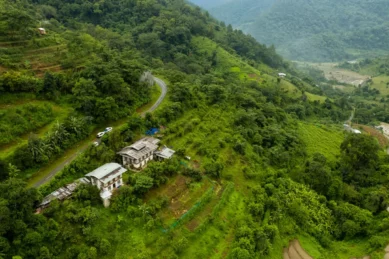
4300
Bhutan Trekking Tour
Bhutan Trekking Tour 11 days takes you to the sacred Himalayan peaks, high-altitude alpine passes, and traditional yak-herder camp.
 11 Days
 Moderate Trip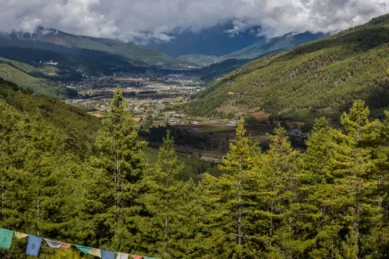
4300
Bhutan Druk Path Trek
Bhutan Druk Path Trek, a 11 days life changing adventure in Bhutan offers splendid views of Mount Jumolhari, Jichu Drake and Gangkar Punsum.
11 Days Moderate Trip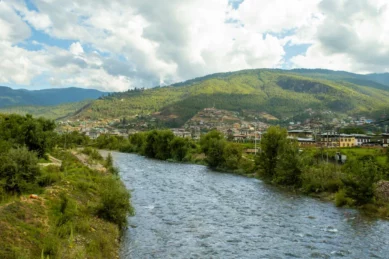
3630
Bhutan Travel
Bhutan Travel is a 12-day Bhutan Tour to western and central Bhutan, including Paro, Thimphu, Punakha, Phobjikha, Trongsa, and Bumthang.
12 Days Easy Trip

