About Annapurna Base Camp Trek
Annapurna Base Camp is located in central Nepal, within the Annapurna Sanctuary, a high glacial basin surrounded by the Annapurna mountain range. It lies in the Kaski District of the Gandaki Province, approximately 40 kilometers north of Pokhara. The base camp sits at an altitude of 4,130 meters (13,550 feet).
The best time to trek Annapurna Base Camp
The best time to do the Annapurna Base Camp Trek is during spring (March to May) and autumn (September to November), when the weather is clear, temperatures are mild, and mountain views are at their best, while monsoon (June to August) brings heavy rain and winter (December to February) can be very cold with risk of snowfall.
Length of Annapurna Base Camp Trek
The Annapurna Base Camp Trek usually takes 7 to 12 days, depending on your route, walking speed, and how many rest days you take for acclimatization. You can check our website for the proper day-by-day itinerary to see what works best for you.
The highest point of the ABC trek
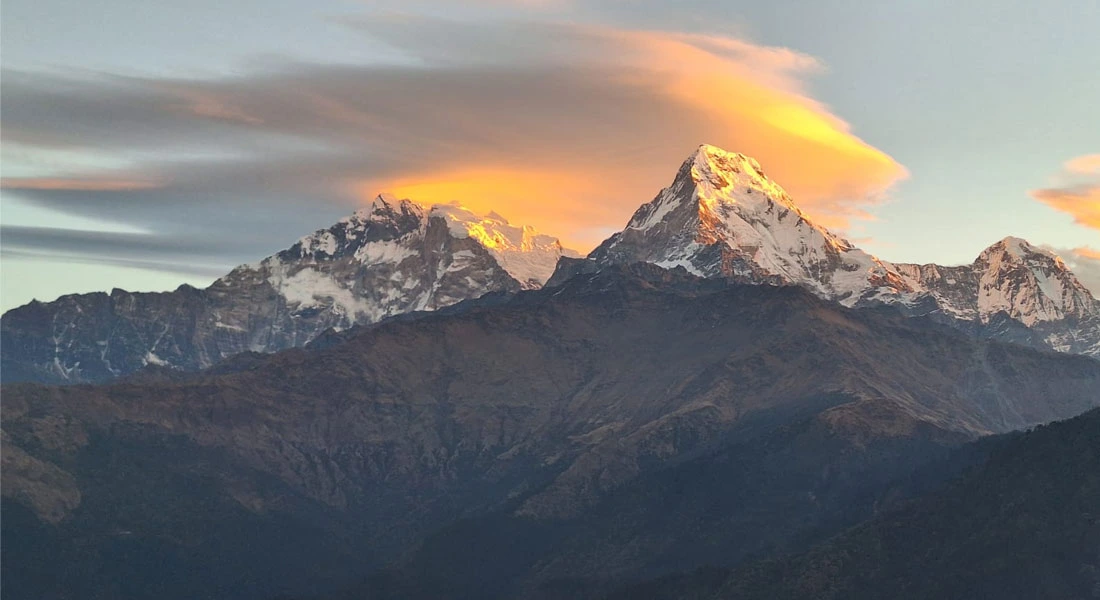
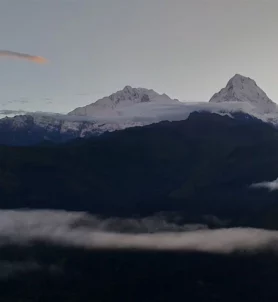
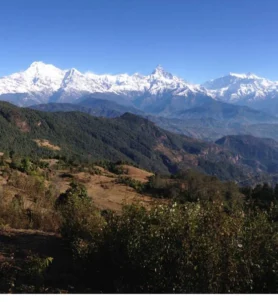
The highest point of the Annapurna Base Camp Trek is Annapurna Base Camp itself, which sits at an altitude of 4,130 meters (13,550 feet) above sea level. It offers stunning panoramic views of Annapurna I, Machapuchare (Fishtail), Hiunchuli, and other Himalayan peaks.
Beginners trek Annapurna Base Camp
Teginners can trek Annapurna Base Camp. It is considered a moderate-level trek and is one of the more accessible Himalayan routes for those new to trekking. With proper preparation, a reasonable level of fitness, and a guided itinerary, beginners can complete the trek safely and enjoyably.
ABC Safe to trek alone
Yes, it is possible to do the Annapurna Base Camp Trek solo, but only with a licensed guide.
The starting point of Annapurna Base Camp Trek
From Pokhara, you’ll drive about 1.5 to 2 hours by local bus, jeep, or private car to reach Nayapul or your chosen starting village. This drive goes through scenic countryside and small villages.
Avance book the Annapurna Base Camp Trek
It’s always a good idea to book the Annapurna Base Camp Trek in advance, especially if you’re planning to go during the busy seasons like spring or autumn when the trails and teahouses can get full . If you book with us, we’ll take care of everything for you, your guide, porter, permits, transportation, and accommodation on the trek. Booking ahead means you won’t have to worry about missing out on good places to stay, and you can just focus on enjoying your adventure
Distance of Annapurna Base Camp Trek from Kathmandu
Annapurna Base Camp is approximately 160 kilometers (100 miles) from Kathmandu in a straight line. However, since there are no direct roads, the journey involves traveling to Pokhara first (about 200 km by road or a 25-minute flight), followed by a multi-day trek to reach the base camp.
Temperatures on ABC Trek
Temperatures on the Annapurna Base Camp Trek vary by season and altitude. At higher elevations like ABC (4,130 m), it can drop to -10°C to -15°C (14°F to 5°F) in the early mornings and nights during autumn and winter. Lower altitudes are milder, with daytime temperatures between 10°C and 20°C (50°F to 68°F). Layering is key for comfort.rn
The main villages on the Annapurna Base Camp Trek
Along the trail, you’ll pass lovely villages like Ghandruk, Chhomrong, Sinuwa, Bamboo, Dovan, Himalaya, Deurali, Machhapuchhre Base Camp (MBC), and finally Annapurna Base Camp (ABC). Each village has tea houses where you can eat, rest, and sleep.
Fitness level for the Annapurna Base Camp Trek
You don’t need to be an athlete, but you should be in good health and comfortable walking up and down hills for several hours a day. Strong legs, a healthy heart, and a positive mindset are the most important
Permits/Documents for Annapurna Base Camp Trek
ACAP permits and TIMS documents are necessary for ABC Trek. You don’t have to issue the permits yourself. We will handle all the necessary paperwork for ABC Trek, you just need to book your trip.
Documents for Annapurna Base Camp Trek permits
We need a copy of your passport and a passport-sized photo to arrange the permits. You can upload these during the booking process, and we’ll take care of the rest.
Annapurna Base Camp Trek Cost
Cost covering the Annapurna Base Camp Trek
The cost of the Annapurna Base Camp Trek includes a licensed guide, all necessary permits, transportation, accommodation, and three meals a day during the trek. Optional services such as a porter or private transport can be added during booking. Drinks, snacks, and personal expenses are not included.
Amount of money carry on Annapurna Base Camp Trek
We recommend carrying around USD 15 to 20 per day in Nepali Rupees for personal expenses such as drinks, snacks, Wi-Fi, hot showers, and charging devices. Since foreign currencies and cards are not accepted on the trail and exchange rates are poor in remote areas, it’s best to exchange money in Kathmandu before the ABC trek.
The extra costs of ABC trek
Extra costs on the Annapurna Base Camp Trek may include drinks and snacks (USD 2–10 per day), hot showers (USD 2–5), charging devices (USD 2–4 per hour), Wi-Fi (USD 3–5), and tips for your guide or porter.
The cost for the Annapurna Base Camp Trek
The Annapurna Base Camp Trek costs USD 780 per person on a twin-sharing basis. This includes a licensed guide, permits, public transportation, accommodation, and three meals a day. Optional services like a porter or private transport can raise the total cost to around USD 1100 per person.
Budget for the Annapurna Base Camp trek
You should budget between USD 700 to 1100 per person for the Annapurna Base Camp Trek, depending on the services you choose. The lower range covers a standard package with a guide, permits, meals, accommodation, and public transport, while the higher end includes optional add-ons like a porter and private transportation. Also, carry extra cash for personal expenses along the trail.
ABC Trek Booking Process and Cancellation
Book your Annapurna Base Camp Trek with us
You can book the Annapurna Base Camp Trek with us by selecting your preferred date from our fixed departures and clicking Book Now, our system will guide you through the process. If you prefer a private trip, simply choose that option during checkout.
Dates not listed in the Fixed Departure Dates
If your preferred dates are not listed in the Fixed Departure Date, simply click on Ask Question and let us know your desired dates. We’ll add them and send you a booking link.
The cancellation policy of ABC Trek
You can cancel your booking by contacting us directly. Our cancellation policy may involve a partial refund depending on how close to the departure date you cancel. Please review the specific cancellation terms provided during booking or reach out to our team for details.
Accommodation and Food on Annapurna Base Camp Trek
Available foods on the Annapurna Base Camp trek
Teahouses on the Annapurna Base Camp Trek offer a variety of meals, including traditional Nepali dal bhat (rice, lentils, and vegetables), as well as pasta, noodles, pancakes, soups, fried rice, and eggs. Vegetarian options are widely available, and meals are hearty to support long trekking days.
Available accommodation on ABC trek
Accommodations on the Annapurna Base Camp Trek are primarily teahouses, basic mountain lodges that offer simple rooms with twin beds, shared bathrooms, and communal dining areas. Some teahouses at lower elevations may provide private rooms with attached bathrooms, but facilities become more basic as you go higher.
Traditional foods on ABC Trek
While trekking the Annapurna Base Camp Trek, you should try traditional dishes like dal bhat (rice, lentils, vegetables), momos (Tibetan-style dumplings), thukpa (noodle soup), and tsampa porridge (roasted barley flour). These hearty meals are staples in the local mountain communities.
A single room on the Annapurna Base Camp Trek
The single rooms are available on the Annapurna Base Camp Trek, especially at lower elevations. However, during peak seasons or at higher altitudes, they may be limited, and you might need to share a room depending on availability. It’s best to request in advance if you prefer a single room. Please note that a single room comes with an additional cost.
Hotel recommendations in Kathmandu
For your stay in Kathmandu, we recommend Marriott Kathmandu, Dwarika’s Hotel, Aloft Hotel, or Hotel Shankar for luxury, and Bodhi Boutique Hotel or Kumari Boutique Hotel for budget-friendly options, all conveniently located near Thamel.
Hot shower in the ABC trek
It’s possible to have a shower on the Annapurna Base Camp Trek. Most teahouses offer hot showers for an extra fee, usually ranging from USD 2 to 5, depending on the location and altitude.
Laundry in the ABC trek
Laundry service is not available in the trek. You can wash your clothes with your hands if you want to.
Luggage and Storage in Kathmandu
Weight of Backpack in Annapurna Base Camp Trek
The ideal weight for your backpack on the Annapurna Base Camp Trek is 8 to 9 kg (17 to 20 lbs). Pack light and only bring essentials to ensure comfort and ease during long trekking days.
The weight limit for the porter in ABC Trek
The weight limit for a porter on the Annapurna Base Camp Trek is 20 kg (44 lbs). If you hire a porter, we provide a duffle bag for your belongings to ensure safe and comfortable carrying.
Storage facility in Kathmandu
We provide free storage at our office in Kathmandu. Most hotels in Kathmandu also offer free luggage storage, so we recommend checking with your hotel as well.
Luggage to Pokhara after the trek
We can ship your luggage to Pokhara at no additional cost. Just let us know in advance so we can make the necessary arrangements.
Payments and Extra Costs
Balance Trip Payment of ABC Trek
We accept the remaining payment in cash and all major currencies including USD, EUR, and NPR. If you prefer to pay by card, a 4% bank fee will be applied.
Extra money on the ABC trek trail
We recommend carrying USD 10 to 15 per day in Nepali Rupees for personal expenses during the trek, such as drinks, snacks, Wi-Fi, hot showers, and charging. Credit cards and foreign currencies are not accepted on the trail, and exchange rates in remote areas are not reasonable, so it’s best to exchange your money in Kathmandu before the trek.
Extra costs in Annapurna Base Camp Trek
Your guide, accommodation, meals, and transport are included in the price, but drinks are not. Extra costs on the trail may include hot showers (USD 3–5), charging devices (USD 2–4 per charge), and Wi-Fi (USD 3–5) at teahouses.
Trek, Safety, and Altitude
About altitude sickness in ABC trek
To prevent altitude sickness on the Annapurna Base Camp Trek, ascend gradually, stay well-hydrated, eat properly, and avoid alcohol. Take acclimatization breaks and listen to your body. If symptoms appear, rest, descend if needed, and consider taking Diamox (after consulting your doctor).
Minimize environmental impact
To minimize your environmental impact on the trek, carry a reusable water bottle, avoid plastic packaging, dispose of waste properly, use eco-friendly toiletries, and stay in locally run teahouses. Respect nature, stick to the trails, and support sustainable practices.
About trash in ABC trek
Carry your trash with you until you find a proper disposal bin. Avoid littering on the trail, and if possible, bring reusable containers and pack out non-biodegradable waste like wrappers and plastic bottles to dispose of in Kathmandu.
Wi-Fi available on the trek
Wi-Fi is available at many teahouses along the Annapurna Base Camp Trek, especially in lower villages. However, the connection can be slow and unreliable, and there is often a small fee to use it. As you go higher, Wi-Fi becomes less consistent or unavailable.
Medical facilities on the trek
There are limited medical facilities on the Annapurna Base Camp Trek. Basic health posts are available in some villages like Chhomrong and Ghandruk, but they offer only primary care. For serious medical issues, evacuation to Pokhara or Kathmandu may be necessary. It’s important to carry a first aid kit and travel insurance that covers high-altitude trekking and emergency evacuation.
Charging lectronics on the trek
Yes, you can charge your electronics at most teahouses for an extra fee of USD 2 to 4 per device, but availability may be limited at higher altitudes so bring a portable charger (Power Bank).
Wildlife/Fauna on Annapurna Base Camp Trek
On the Annapurna Base Camp Trek, you may encounter a variety of wildlife, including Himalayan tahrs, langurs, musk deer, and various bird species like pheasants, eagles, and Himalayan monals (Nepal’s national bird). The region is rich in biodiversity, especially within the Annapurna Conservation Area, so keep an eye out for smaller mammals, colorful butterflies, and unique alpine flora as well.
ABC trail conditions
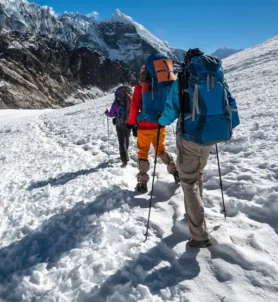
The trail condition on the Annapurna Base Camp Trek is generally well-maintained and clearly marked. It includes a mix of stone steps, dirt paths, and suspension bridges, with some steep ascents and descents, especially near villages like Chhomrong. During the monsoon season, sections can become muddy and slippery, so good trekking shoes and walking poles are recommended.
Sanitation facilities on ABC Trek
To deal with the limited sanitation facilities on the Annapurna Base Camp Trek, it’s important to be prepared. Most teahouses offer basic shared toilets, often squat-style, and hot showers may be available for an extra fee. Carrying toilet paper, hand sanitizer, and biodegradable wet wipes is essential. At higher elevations, facilities become more basic, so maintaining personal hygiene with your own supplies is key to staying comfortable and healthy.
Alternative ABC Trek routes
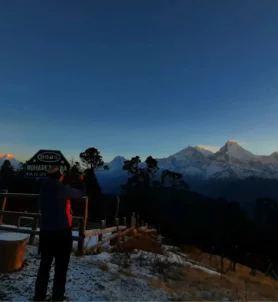
There are alternative routes within the Annapurna Base Camp Trek, such as going via Ghorepani and Poon Hill for scenic views or through Ghandruk or Landruk for cultural experiences, allowing trekkers to customize their journey based on time and preferences.
Dangerous animals on the ABC trek
There are no highly dangerous animals commonly encountered on the Annapurna Base Camp Trek. While the region is home to wildlife like Himalayan black bears, leopards, and snakes, sightings are extremely rare, especially along the well-traveled trails. Most animals avoid human activity, so the trek is generally considered safe from wildlife threats.
Safety on the ABC trek
To ensure your safety on the Annapurna Base Camp Trek, trek with a licensed guide, acclimatize properly, and stay hydrated. Always check the weather forecast, carry a first aid kit, and make sure your travel insurance covers high-altitude trekking and emergency evacuation. Stick to the marked trails, avoid trekking alone, and inform someone of your itinerary.
Emergency case in ABC trek
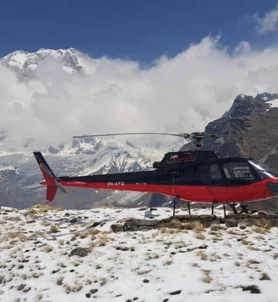
In an emergency, inform your guide or seek help at the nearest teahouse or health post. For serious cases, use your travel insurance to arrange helicopter evacuation. Always carry emergency contacts and a charged phone.
Drinking the water on ABC Trek
Tap and stream water on the trek is not safe to drink untreated. Use purification tablets, a filter bottle, or buy boiled water from teahouses to stay safe and hydrated. Avoid drinking untreated water directly from taps or rivers.
Avoid getting lost in ABC Trek
To avoid getting lost on the trek, stay on the marked trail, follow your guide, and avoid hiking alone especially in fog or poor weather. If trekking independently, carry a detailed map, GPS device, or use a reliable offline trekking app.
The Annapurna Base Camp Trek in monsoon season
You can do the Annapurna Base Camp Trek in the monsoon season (June to August), but it’s not ideal due to heavy rain, slippery trails, leeches, and limited mountain views. However, the landscape is lush and green, and the trails are less crowded. If you choose to trek during this time, proper rain gear, good hiking boots, and flexibility with your itinerary are essential.
Impact of tourism on Annapurna Base Camp
Tourism has boosted the local economy and improved infrastructure in the Annapurna region but has also caused environmental issues like waste, trail erosion, and resource pressure. Conservation efforts like ACAP help manage these impacts.
Preparation and Packing
Packing for the Annapurna Base Camp Trek
For the Annapurna Base Camp Trek, pack essentials like a sleeping bag, thermal layers, waterproof jacket, trekking poles, headlamp, hat and gloves, reusable water bottle, sunglasses, sunscreen, and basic toiletries. Wear moisture-wicking clothing and sturdy hiking boots. Don’t forget a first aid kit and personal medications.
Water purification method on ABC Trek
It’s recommended to bring your own water purification method such as tablets, a filter bottle, or a UV purifier, as tap and stream water on the trek is not safe to drink untreated.
Best shoes for ABC Trek
Sturdy, water-resistant hiking boots with good ankle support and a strong grip are best for the Annapurna Base Camp Trek. Make sure they’re well broken-in before the trek to avoid blisters.rnrn
Travel insurance for ABC Trek
Travel insurance is necessary for the Annapurna Base Camp Trek. It should cover high-altitude trekking (up to 5,000 meters), emergency medical care, and helicopter evacuation, as medical facilities are limited in the region.rnrn
Trekking poles for the Annapurna Base Camp Trek
Trekking poles are highly recommended for the Annapurna Base Camp Trek. They help with balance, reduce strain on knees, and provide stability on steep or uneven terrain, especially during descents.rnrn
Vaccinations on ABC Trek
No specific vaccinations are required for the Annapurna Base Camp Trek, but it’s recommended to be up to date on routine vaccines like tetanus, hepatitis A and B, typhoid, and rabies (if you’re spending extended time in rural areas). Always consult your doctor before traveling.rnrn
Rent trekking gears for ABC Trek
You can rent trekking gear in Kathmandu, especially in Thamel, where many shops offer items like sleeping bags, down jackets, trekking poles, and backpacks at affordable rates. Renting is a great option if you want to travel light.rnrn
Bring items on the Annapurna Base Camp Trek
Avoid bringing heavy or unnecessary items like jeans, bulky electronics, excess cosmetics, and non-biodegradable packaging. Also skip duplicate gear, and valuables you won’t need, keep your pack light and practical.
Cultural and Social Aspects
Speaking Language along the ABC trek
Along the Annapurna Base Camp Trek, the main languages spoken are Nepali and local ethnic languages like Gurung and Magar. English is widely spoken by guides, porters, and teahouse staff to communicate with international trekkers.
Follow Cultural etiquette in ABC Trek
While trekking to Annapurna Base Camp, it’s important to follow local cultural etiquette. Dress modestly, especially in villages and religious sites. Always ask for permission before taking photos of people, and use your right hand when giving or receiving items. Respect local customs, remove shoes before entering homes or temples, and avoid public displays of affection. Greeting locals with a polite “Namaste” is always appreciated.
Festivals on ABC Trek
During the Annapurna Circuit Trek, you might experience vibrant local festivals like Dashain (celebrated in October), Tihar (November), and Tamu Lhosar (December/January) celebrated by the Gurung community. In the Mustang region, you may also witness Tiji Festival, a colorful Tibetan Buddhist celebration held in Lo Manthang during spring.
Religious sites on ABC trek
Yes, there are several religious and spiritual sites along the Annapurna Base Camp Trek. You’ll encounter Buddhist monasteries, prayer flags, chortens (stupas), and Mani walls in villages like Ghandruk and Chhomrong. At Annapurna Base Camp itself, there’s a memorial area where climbers pay respect to the mountains, giving the trek a spiritual atmosphere.
Interact with local communities on ABC trek
You can interact with local communities along the Annapurna Base Camp Trek. Villages like Ghandruk, Chhomrong, and Landruk are home to Gurung and Magar communities who are known for their hospitality and rich culture. Staying in teahouses, visiting local homes, and participating in traditional meals or festivals offer great opportunities for meaningful cultural exchange.
Main religions in Annapurna Base Camp
The main religions in the Annapurna region are Hinduism and Buddhism. Many communities, especially the Gurung and Magar ethnic groups, blend practices from both faiths. Along the trek, you’ll see Buddhist prayer flags, monasteries, chortens, and Hindu shrines, reflecting the region’s rich spiritual and cultural diversity.
Tipping on Annapurna Base Camp Trek
Tipping is expected and appreciated on the Annapurna Base Camp Trek. While not mandatory, it is a common way to show gratitude for the hard work of guides, porters, and support staff. The amount can vary, but a general guideline is 10–15% of the total trek cost, shared among the team.
Locals dress in the ABC Trek
Locals along the Annapurna BC dress in a mix of traditional and modern clothing. In lower regions, people often wear modern Nepali attire, while in higher-altitude villages like traditional Gurung, Thakali, and Tibetan-influenced woolen garments are common, suited for the cold mountain climate.
Souvenirs on Annapurna Base Camp Trek
Along the Annapurna Base Camp Trek and in nearby towns like Pokhara, you can buy a variety of souvenirs such as handmade woolen items, Tibetan singing bowls, prayer flags, thangka paintings, local handicrafts, Gurung and Magar textiles, and Nepali tea or spices. These make meaningful gifts and support local artisans.