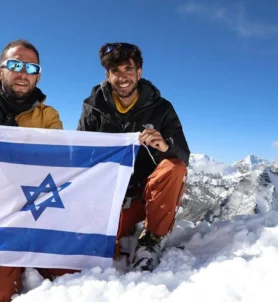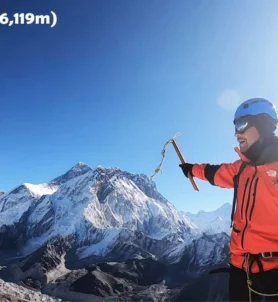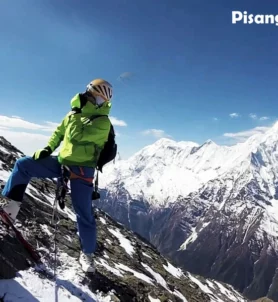


Mera Peak Climbing is the highest trekking peak climb in Nepal. Mera Peak climbing route is not technically difficult, so an ideal options for all beginners and experienced climbers. Mera Peak is an iconic and delightful climbing expeditions in the Himalayas.
Mera Peak climb is harder than Kilimanjaro, and for 18 days Mera Peak Climbing is required more endurance and strength training. You also require a little technical climbing skill to climb Mera Peak thorough the normal route.
Mera Peak Climbing (6,476 m) is one of the highest trekking peaks in Nepal. Mera Peak Climb offers a thrilling adventure experience of high-altitude mountaineering without an extensive technical skills. Mera Peak summit provides stunning views of Everest, Lhotse, Cho Oyu, Makalu, and Kanchenjunga.
Mera Peak is itself, a scenic trek through forests, high alpine meadows, and remote villages. The approach usually starts from Lukla after flying from Kathmandu. Most expeditions involve around 16-20 days, which includes acclimatization days for altitude adjustment. The route passes through Zatrwa La Pass and several Sherpa villages before reaching Mera Peak Base Camp. The climb to the summit usually starts early in the morning, around 1:00-2:00 AM, to avoid bad weather and the colder temperatures.
Mera Peak is considered a non-technical climb, but it still requires basic mountaineering skills such as using crampons, ice axes, and understanding rope skills. It’s often referred to as a “trekking peak,” but you’ll encounter steep snow and ice sections near the summit. The final summit push is on a glacier, so the climb does require some level of technical ability, especially if the conditions are icy and the weather is unfavorable.
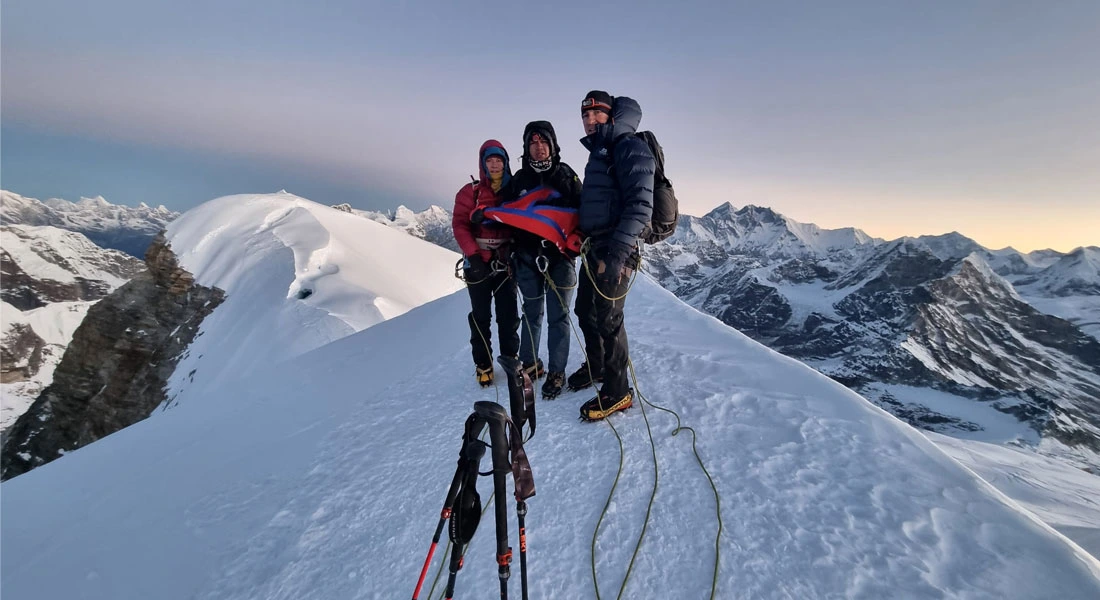
The final push to the summit is typically done in the early morning (around 1:00 AM) to avoid the afternoon winds and clouds. The climb involves glacier terrain and sections of fixed ropes to assist climbers with steep, icy areas. The summit is a snow-covered ridge, and the conditions can be challenging, depending on the time of year.
From the summit of Mera Peak, climbers are rewarded with stunning views of some of the highest mountains in the world, including Everest, Makalu, Lhotse, Cho Oyu, and Kanchenjunga. The view is considered one of the most spectacular in the Himalayas.
The best times for Mera Peak climbing are in spring (March to May) and autumn (September to November). Winter (December to February) and monsoon season (June to August) should be avoided, as the weather can be harsh, with snowstorms and heavy rainfall making the climb more difficult and dangerous.
Physical fitness is crucial for Mera Peak climbing. You should be in good condition with previous trekking or mountaineering experience at high altitudes. Cardiovascular endurance, strength for steep terrain, and stamina are key. Hikers who have done trekking in the Himalayas or climbed peaks of similar elevation will have an advantage. Training should include aerobic exercises (running, hiking, cycling), strength training, and endurance building, along with some mountaineering skills training (ice axe and crampon usage).
The cost of a Mera Peak expedition can vary depending on whether you book through an agency, the duration of your trek, and the level of support provided (guides, porters, etc.). Expect the total cost for a fully organized trip (including permits, guides, porters, accommodation, and meals) to range between $2,500 to $5,000 for a standard trek.
Like any high-altitude climb, there is a risk of altitude sickness. Proper acclimatization is key to avoid serious illness. The weather in the Himalayas is unpredictable, with strong winds, snowstorms, and freezing temperatures, particularly on the summit day. The climb can be physically demanding due to the steep terrain, snow, and altitude, so adequate preparation is crucial.
You’ll need a Sagarmatha National Park Permit (for the entry to the Everest region) and a TIMS Card (Trekkers Information Management System). You’ll also need a Mera Peak climbing permit from the Department of Tourism in Kathmandu. These permits can be arranged through trekking agencies like Mission Eco Trek in Kathmandu, but it’s highly recommended to go through an agency if you’re unfamiliar with the area.
Mera Peak(6476 m) Climb is not much demanding although it has a long summit day. Mera Peak Trek is a less travel route. There will be always snow above Khare at Mera La and High Camp. A well-equipped is necessary for temperature as low as minus 25ºC plus wind chill. Please be well prepared and equipped to deal with any differences in weather beyond the condition.
Mera Peak is one of the best choices for those looking to experience the thrill of climbing a high Himalayan peak with relatively less technical difficulty. If you’re fit, well-prepared, and have some prior trekking experience, this could be an incredible adventure, offering some of the most majestic views in the world. Mera Peak Climbing is a rewarding adventure that combines trekking, cultural exploration, and mountaineering. Proper preparation and a positive attitude will ensure a memorable and successful climb.
Mera Peak Climbing 18 Days Itinerary
Day 01:Arrive in Kathmandu (1300m)
Day 02:Fly to Lukla (2800m) and Trek to Chutanga (3050m)
Day 03:Trek to Thuli Kharka (4320m)
Day 04:Trek to Kothe(3600m)
Day 05:Trek to Thangna(4350m)
Day 06:Rest day at Thangna
Day 07:Trek to Khare(5000m)
Day 08:Rest day in Khare
Day 09:Trek to Mera La(5415m)
Day 10:Trek to High Camp(5800m)
Day 11:Mera Peak Climb/Summit (6476m)
Day 12:Trek to Thangna(4350m)
Day 13:Trek back to Kothe (3600m)
Day 14:Trek to Thuli Kharka (4300m)
Day 15:Trek to Lukla (2800m)
Day 16:Fly to Kathmandu
Day 17:In Kathmandu
Day 18:Kathmandu Airport