Clothing and Equipment to go on a 10-day Annapurna Circuit Trek
Look at below the packing list to trek around Annapurna Circuit Trek in Nepal.
Head:
Sun hat or scarf
Winter hat, insulating hat or wide-brimmed hat
Headlights with extra batteries
Face:
Sunscreen, lip balm, and lip guard
Sunglasses with UV protection
Face/body wipes
Hand:
Lightweight gloves
Heavyweight winter gloves
Body:
Hiking shirt
Long-sleeved shirt
Hooded rain jacket
Fleece jacket
Lightweight cotton pants
T-shirt (lightweight wool)
polypropylene underwear
Down jacket (-25°C is the best at high altitude trekking )
Sweater
Waterproof jacket and pants
Walking trousers
Footwear:
Trekking boots (Goretex ones)
Thick wool socks (take the extra pain of thick light socks)
Flip flops/sandals
Essential Gear:
Backpack/daypack (size depends)
Thermal bottle
Water purification
Trekking pole
Sleeping bag (-20°C is the best for high-altitude trekking)
Others:
Hand sanitizer (if needed)
Antiseptic cream or spray
Personal medicine
Toilet papers
Wash bag (toothbrush, toothpaste, face wipes, etc.)
Rain cover
Waterproof trousers, jacket, and gloves
Compass/trekking maps
About Annapurna Circuit Trek
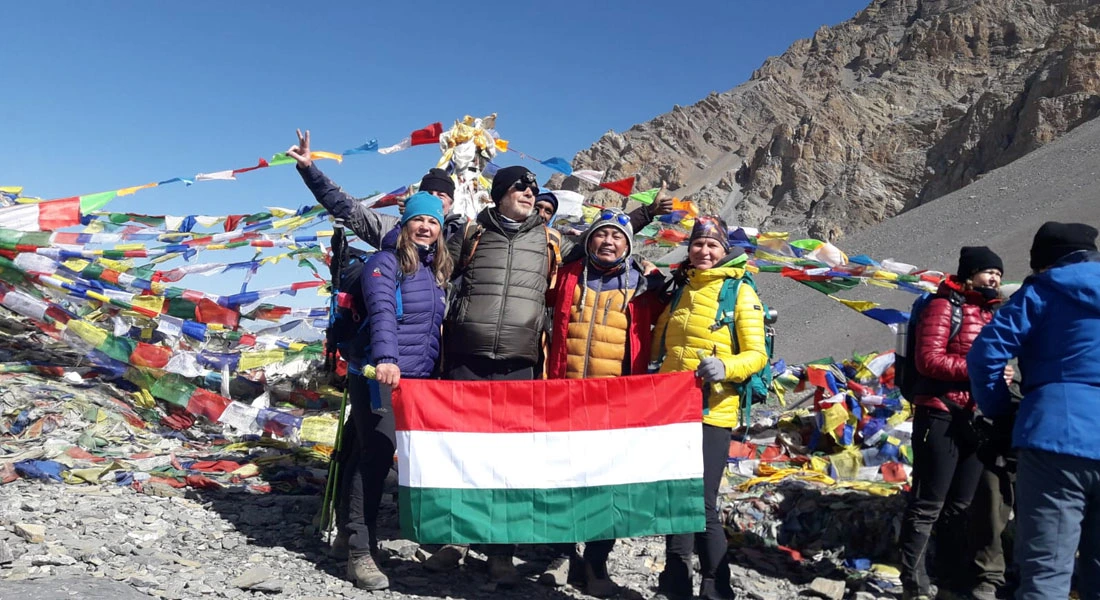
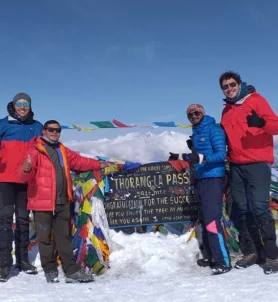
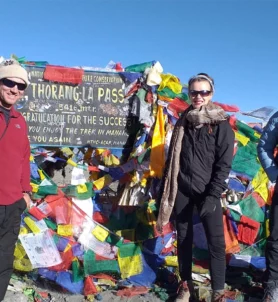
The full Annapurna Circuit Trek is about 160–230 km (100–145 miles), depending on where you start and finish. The highest point of Annapurna Circuit Trek is Thorong La Pass at 5,416 meters (17,769 feet).
Annapurna Circuit(ACT) safe to trek alone
Trekking the Annapurna Circuit alone is possible, but not recommended due to the risks of altitude sickness, injuries, and getting lost, especially in remote sections. For safety and support, it’s best to hire a guide or join a group, especially if you’re a beginner.
An Annapurna Circuit Trek map
Good trekking maps are available in Kathmandu and Pokhara. We will provide free Annapurna circuit trekking map before beginning the Annapurna Circuit Trek from Kathmandu.
Hotels in Kathmandu before and after the Annapurna circuit trek
There are lots of hotels in Kathmandu, with prices ranging from USD 15 to USD 500+ per night. We don’t include a hotel in Kathmandu so you have the flexibility to choose and book one that fits your style and budget, whether you want a simple guesthouse, a cozy boutique hotel, or a luxury stay.
Annapurna Circuit Trek Difficulty and Experience Level
Difficulty grade of Annapurna Circuit Trek
The Annapurna Circuit Trek is challenging. It is not technical but high altitude, long distance and Thorong La Pass crossing makes it tough. If you are not prepared for altitude and long daily walks but with good fitness and acclimatization it’s very doable.
Annapurna Circuit Trek vs Kilimanjaro Trek
Annapurna Circuit and Kilimanjaro both are high altitude trek, Kilimanjaro is a shorter and steeper climb. Annapurna Circuit is longer and has many days of continuous trekking, so the difficulty can feel similar but different in style.
Climb Annapurna
Climbing Annapurna I (8,091m) is for expert mountaineers only. But trekking Annapurna Circuit is possible for beginners with good fitness, acclimatization and guided itinerary.
Annapurna Circuit Beginner’s Trek
Many fit beginners complete Annapurna Circuit Trek every year. Hiring a guide and preparing physically will make your trek safer and more enjoyable.
Guide For Annapurna Circuit Trek
Annapurna Circuit Trek without a Guide
You can trek the Annapurna Circuit without a guide, but only if you’re not trekking solo. As of April 2023, Nepal requires all solo trekkers to hire a licensed guide for safety and regulatory reasons.
About our Annapurna Circuit trek guides
The guides on the Annapurna Circuit Trek speak English and are trained to communicate clearly with international trekkers. They also provide valuable insights into the region’s culture, history, and landscape.
Our guides are highly experienced professionals, many with 5 to 15+ years of trekking across Nepal, especially in the Annapurna region. They know the trails, villages, and weather patterns in detail and are trained in first aid, altitude awareness, and client safety, ensuring a smooth and informed trekking experience.
Duration of Annapurna Circuit Trek
Most trekkers complete the Annapurna Circuit in about 14 days, depending on your pace, route, and how many days you take to rest and adjust to the altitude. For our exact day-by-day itinerary, you can look at our website. It shows all the stops, distances, and daily details to help you plan.
A typical Annapurna Circuit Trek itinerary
A normal Annapurna Circuit Trek itinerary starts in Besisahar. You can check out the full itinerary section on our website to see all the route options, daily plans, and extra side trips you might like. We can also adjust your plan if you want a shorter or longer trek or if you’d like to finish in Pokhara instead of going back to Kathmandu. Just let us know what works best for you.
Documents/Permits for Annapurna Circuit trek
You don’t have to issue the permits yourself. We will handle all the necessary paperwork for the Annapurna Circuit Trek, you just need to book your trip. We handle all your permit related documents arrangements. We will guide you through the required documents and make the process simple.
An ACAP Permit for Annapurna circuit Trek
You need an ACAP permit because the trek passes through a protected conservation area, and the fee supports trail maintenance and local conservation efforts.
Cost and Budget for Annapurna Circuit Trek
The cost will be USD $800–$1,800 per person for 2–3 weeks, depending on guide fees, accommodation, food, permits and transport.
Money carry on for the Annapurna Circuit
We recommend you to allocate USD 20 per person per day for any miscellaneous expenses. There are no ATMs on the trail. It is always recommended to carry more. Your package already included 3 standard meals, accommodation, guide, permit, transport. You will need additional money for beverages(hot or cold). Hot shower, wifi, etc.
Cost to climb Annapurna mountains
Climbing Annapurna I as an expedition can cost $15,000–$30,000+. Trekking the circuit is much cheaper.
Cost to trek Annapurna Circuit in Nepal
Permits, guides, food, lodging and transport. Budget around $1,000–$1,800 USD per trekker for a 14–20 day trek.
Annapurna Circuit Trek from Kathmandu
The Annapurna region is approximately 200 km (124 miles) west of Kathmandu. The trek typically starts from Besisahar, which are about a 6 to 8-hour drive from Kathmandu by public bus.
The budget for the Annapurna Circuit trek
You should budget between USD 900 to 1300 per person for the Annapurna Circuit Trek, depending on the services you choose. The lower range covers a standard package with a guide, permits, meals, accommodation, and public transport, while the higher end includes optional add-ons like a porter and private transportation. Also, carry extra cash for personal expenses along the trail.
Best Time and Season to Trek Around Annapurna
The best time for the Annapurna Circuit Trek
Spring (March–May) and autumn (September–November) are the best time for the Annapurna Circuit Trek when the weather is clear, trails are dry and mountain views are spectacular.
Trek Annapurna Circuit in Winter
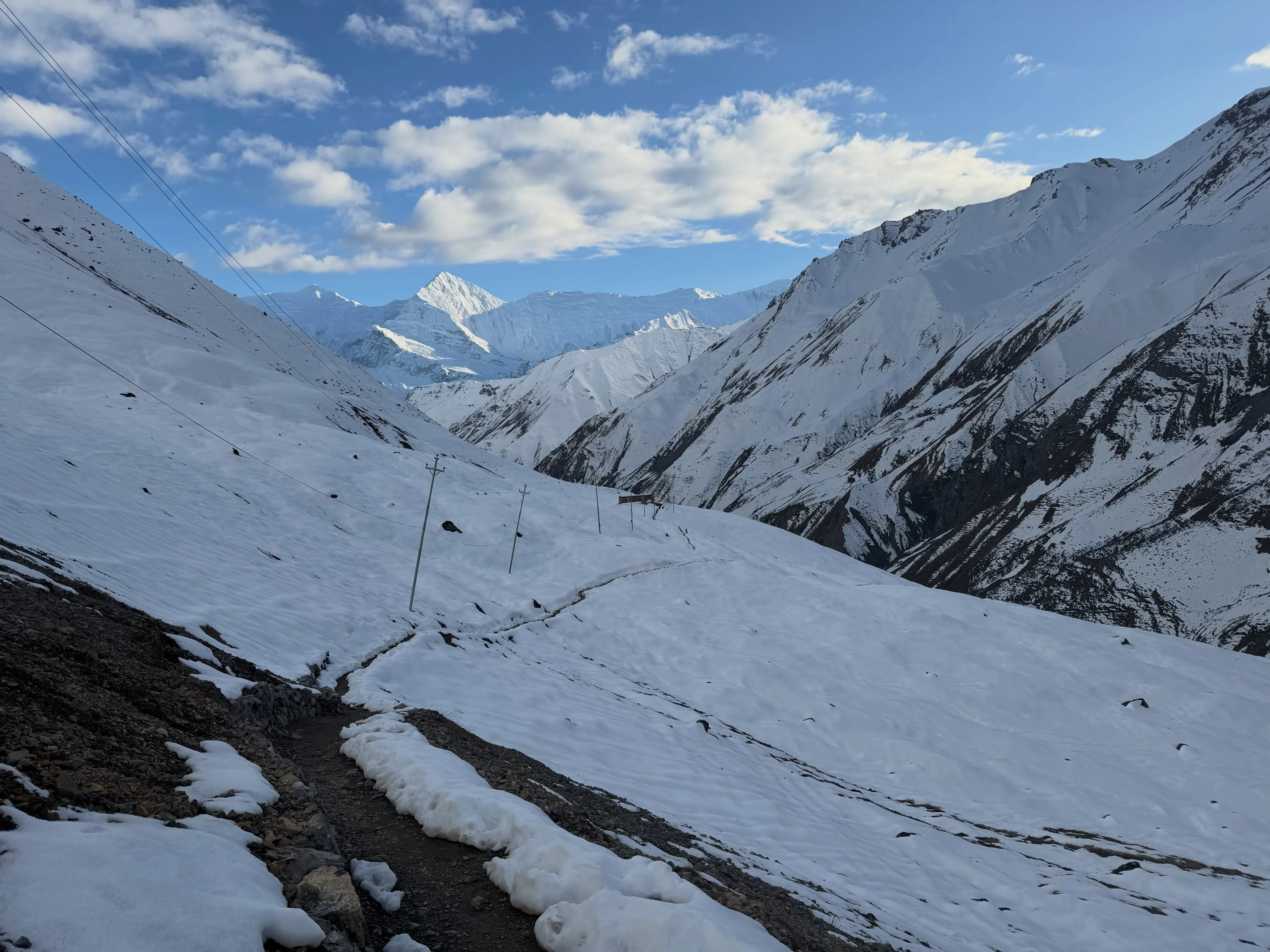
It’s possible to trek the Annapurna Circuit in winter (December to February), but it’s more challenging. Trails can be snowy and icy, and Thorong La Pass (5,416m) may close due to heavy snow. Days are clear but very cold, especially at high altitudes. If you’re experienced, have good winter gear, and plan extra days for weather delays, you can enjoy quiet trails and beautiful snowy views. We recommend going with a local guide for safety.
Annapurna Circuit Trek in Rainy Season
Yes, you can trek during the monsoon (June to August), but it’s not ideal. The lower trails get hot, humid, muddy, and have leeches. Landslides can block paths, and mountain views are often hidden by clouds. However, parts of the trail, like Manang and Muktinath, lie in a rain shadow area, so they stay drier. If you’re trekking during monsoon, be flexible and check conditions daily. It’s best to plan with an experienced local team who knows how to adjust the route safely.
The Annapurna Circuit Trek in Spring
Absolutely, Spring (March to May) is the second peak season. Days are mild, nights are still cold at high altitudes, but the big bonus is the rhododendron forests-they explode in bloom from lower hills to alpine slopes, adding a splash of red, pink, and white to your trek. Wildlife is more active too, and there’s a festive vibe in villages.
Trek the Annapurna Circuit in December or January
Winter (December–February) on the Annapurna Circuit brings beautiful snow-covered landscapes, quiet trails, and fewer trekkers. It’s a dream for solitude seekers and photographers. The big catch? The Thorong La Pass (5,416 m) is prone to heavy snowfall and can close unexpectedly for days or weeks. Trails can be icy, and temperatures at the pass can plummet to -20°C or lower. If you’re experienced and prepared for winter conditions — with proper gear and flexibility in your itinerary, it’s magical. Otherwise, it’s best avoided.
The itinerary around the Annapurna Circuit
If you’re trekking in peak season, You can plan every detail with us by sending us an email. Our guides know every teahouse, trail, and weather quirk. We’ll arrange trusted guides, strong porters, reliable transport, and flexible itineraries that adapt to the season, so you can focus on the adventure, not the logistics.
The Side Trips to Tilicho Lake and Ice Lake
These breathtaking high-altitude side trips-Tilicho Lake and Ice Lake-are best done in autumn (mid-September to November) and spring (March to May). During these seasons, the trails are usually clear of deep snow, the skies are stable and crisp, and you’ll get those unreal turquoise and alpine blue views without the risk of avalanche-prone slopes.
In winter, Tilicho Lake is often completely frozen, and the narrow trail can be icy and risky-only experienced trekkers with proper winter gear should attempt it. Monsoon season isn’t ideal either; heavy rains can trigger landslides on narrow ridgelines, making these side hikes unsafe.
Alternatives route of Annapurna Circuit Trek
The Annapurna Circuit Trek with Annapurna Base Camp
You can combine Annapurna Circuit with Annapurna Base Camp Trek. It takes 16 to 25 days to complete the Annapurna Circuit and Annapurna Base Camp Trek in one trip.
Annapurna Circuit Trek vs Annapurna Base Camp.
Annapurna Circuit is longer with more diverse landscapes and higher passes, ABC is shorter and takes you to the base of Annapurna I. Choose based on your time and experience.
Annapurna Circuit Trek vs Everest Base Camp
Both have their challenges. Everest Base Camp trek is more challenging than Annapurna Circuit Trek. You will start your trek to Everest Base Camp from Lukla, which is at 2,860 meters (9,383 feet). In comparison, the Annapurna Circuit Trek usually starts from Besisahar, which sits at around 760 meters (2,493 feet). On the Annapurna Circuit, you typically gain about 400–500 meters (1,300–1,640 feet) in altitude each day, which helps with gradual acclimatization. On the Everest Base Camp Trek, some days you may gain up to 1,000 meters (3,280 feet) in elevation in a single day, which makes acclimatization trickier.
Booking Process and Cancellation
Book your Annapurna Circuit trek with us
You can book the Annapurna Circuit Trek with us by selecting your preferred date from our fixed departures and clicking Book Now, our system will guide you through the process. If you prefer a private trip, simply choose that option during checkout.
The cancellation policy of Annapurna Circuit Trek
You can cancel your booking by contacting us directly. Our cancellation policy may involve a partial refund depending on how close to the departure date you cancel. Please review the specific cancellation terms provided during booking or reach out to our team for details.
Accommodation and Food on Annapurna Circuit Trek
Food is available on the Annapurna Circuit trek
Teahouses on the Annapurna Circuit Trek offer a variety of meals, including traditional Nepali dal bhat (rice, lentils, and vegetables), as well as pasta, noodles, pancakes, soups, fried rice, and eggs. Vegetarian options are widely available, and meals are hearty to support long trekking days.
Accommodations available on the Annapurna Circuit Trek
Teahouses on the Annapurna Circuit Trek offer a range of meals including dal bhat, noodles, pasta, soups, pancakes, and fried rice. Vegetarian and vegan options are widely available, just inform the guide of your dietary preferences.
Traditional food on the Annapurna Circuit
While trekking the Annapurna Circuit, you should try traditional dishes like dal bhat (rice, lentils, vegetables), momos (Tibetan-style dumplings), Thukpa (noodle soup), and tsampa porridge (roasted barley flour). These hearty meals are staples in the local mountain communities.
Single room on the Annapurna Circuit Trek
You can request a single room in advance, and we’ll do our best to arrange it in villages like Besisahar, Chame, Manang, and Jomsom. However, availability is limited at higher elevations such as Thorong Phedi or High Camp. Please note that a single room comes with an additional cost.
Hot shower in the Annapurna Circuit Trek
It’s possible to have a shower on the Annapurna Circuit Trek. Most teahouses offer hot showers for an extra fee, usually ranging from USD 2 to 5, depending on the location and altitude.
Laundry in the Annapurna Circuit trek
Laundry service is not available in the trek. You can wash your clothes with your hands if you want to.
Porters for Annapurna Circuit Trek
We don’t add porters by default. We give this flexibility to the client. Hiring a porter makes your trip more enjoyable. If you can afford it, hire one. You can add porter during the checkout.
Ideal weight of backpack in Annapurna Circuit Trek
The ideal weight for your backpack on the Annapurna Circuit Trek is 8 to 9 kg (17 to 20 lbs). Pack light and only bring essentials to ensure comfort and ease during long trekking days.
The weight limit of the porter
The weight limit for the porter is 20kg. You can share it among two travelers.
Storage facility in our office
We provide free storage at our office in Kathmandu. Most hotels in Kathmandu also offer free luggage storage, so we recommend checking with your hotel as well.
Bring a bag for the porter
We provide a duffle bag on the trip briefing day. Put all the things that you don’t need for the day in a duffle bag. Porter have their own walking pace. The things that you need for the day goes in your duffle bag.
Payments and Extra Costs
The remaining Annapurna Circuit Trek payment in Cash
We accept the remaining payment in cash and all major currencies including USD, EUR, and NPR. If you prefer to pay by card, a 4% bank fee will be applied.
Extra money recommend on the Annapurna Circuit trail
We recommend carrying USD 10 to 15 per day in Nepali Rupees for personal expenses during the trek, such as drinks, snacks, Wi-Fi, hot showers, and charging. Credit cards and foreign currencies are not accepted on the trail, and exchange rates in remote areas are not reasonable, so it’s best to exchange your money in Kathmandu before the trek.
Extra costs for the Annapurna Circuit Trek
Your guide, accommodation, meals, and transport are included in the price, but drinks are not. Extra costs on the trail may include hot showers (USD 3–5), charging devices (USD 2–4 per charge), and Wi-Fi (USD 3–5) at teahouses.
Annapurna Circuit Trek, Safety, and Altitude
High altitude sickness in Annapurna Circuit
To prevent altitude sickness on the Annapurna Circuit Trek, ascend gradually, stay well-hydrated, eat properly, and avoid alcohol. Take acclimatization breaks and listen to your body. If symptoms appear, rest, descend if needed, and consider taking Diamox (after consulting your doctor).
Minimize the environmental impact
To minimize your environmental impact on the trek, carry a reusable water bottle, avoid plastic packaging, dispose of waste properly, use eco-friendly toiletries, and stay in locally run teahouses. Respect nature, stick to the trails, and support sustainable practices.
The trash management on the Annapurna Circuit
Carry your trash with you until you find a proper disposal bin. Avoid littering on the trail, and if possible, bring reusable containers and pack out non-biodegradable waste like wrappers and plastic bottles to dispose of in Kathmandu.
Wi-Fi available on the Annapurna Circuit trek
Wi-Fi is available at most teahouses along the Langtang Valley Trek, usually for an extra fee of USD 3 to 5. However, the connection can be slow and unreliable, especially at higher altitudes.
Medical facilities on the trek
Medical facilities on the Annapurna Circuit Trek are limited. There are basic health posts in some villages like Manang and Jomsom, but serious cases require evacuation to Pokhara or Kathmandu. It’s important to carry a first aid kit and have travel insurance that covers high-altitude trekking and emergency evacuation.
Electronics on the Annapurna trek
You can charge your electronics at most teahouses for an extra fee of USD 2 to 4 per device, but availability may be limited at higher altitudes so bring a portable charger (Power Bank).
Wildlife expect to see on Annapurna Circuit Trek
On the Annapurna Circuit Trek, you may encounter wildlife such as Himalayan thar, langurs, blue sheep, musk deer, and various birds like the Himalayan monal (Nepal’s national bird), eagles, and griffon vultures. Sightings of elusive animals like snow leopards are extremely rare.
The Annapurna Circuit trail
The trail condition on the Annapurna Circuit Trek is generally well-marked and maintained, though the first few days follow a road with light vehicle traffic. As you gain elevation, the route transitions to scenic mountain trails, passing through forests, villages, rocky paths, and high passes. Some sections may be steep or affected by landslides, so proper footwear and caution are advised.
Sanitation facilities on the Annapurna Circuit
Sanitation facilities on the Annapurna Circuit Trek are basic, especially at higher altitudes. Most teahouses have shared squat or simple Western-style toilets. Carry your own toilet paper, hand sanitizer, and wet wipes, and be prepared to use outdoor toilets in more remote areas. Practicing good hygiene and Leave No Trace principles is important.
The alternative routes in the Annapurna Circuit trek
There are several alternative routes within the Annapurna Circuit Trek. Popular options include side trips to Tilicho Lake, Ice Lake, or Nar–Phu Valley. You can also choose to end the trek early at Jomsom and fly to Pokhara or continue through Poon Hill for extended scenic views. These variations add flexibility and unique experiences to the trek.
Any dangerous animals on the trek
Dangerous animal encounters on the Annapurna Circuit Trek are extremely rare. While the region is home to wildlife like bears, leopards, and wild boars, they are shy and avoid humans. Staying on the trail and trekking during daylight hours minimizes any risk.
Ensuring safety on the Annapurna Circuit Trek
To ensure your safety on the Annapurna Circuit Trek, hire a licensed guide, acclimatize properly, and stay on marked trails. Carry a first aid kit, travel insurance that covers high-altitude trekking, and avoid trekking alone. Always inform someone of your itinerary and check weather and trail conditions regularly.
In case of an emergency for Annapurna Circuit Trek
In an emergency, inform your guide or seek help at the nearest teahouse or health post. For serious cases, use your travel insurance to arrange helicopter evacuation. Always carry emergency contacts and a charged phone.
Avoid getting lost in the Annapurna Circuit Trail
To avoid getting lost on the Langtang Valley Trek, stay on the marked trail, follow your guide, and avoid hiking alone especially in fog or poor weather. If trekking independently, carry a detailed map, GPS device, or use a reliable offline trekking app.
Preparation and Packing for the Annapurna Circuit Trek
Packing the Annapurna Circuit Trek
For the Annapurna Circuit Trek, pack essentials like a sleeping bag, thermal layers, waterproof jacket, trekking poles, headlamp, hat and gloves, reusable water bottle, sunglasses, sunscreen, and basic toiletries. Wear moisture-wicking clothing and sturdy hiking boots. Don’t forget a first aid kit and personal medications.
Water purification on the trek
It’s recommended to bring your own water purification method such as tablets, a filter bottle, or a UV purifier, as tap and stream water on the trek is not safe to drink untreated.
Shoes for the Annapurna Circuit trek
Sturdy, water-resistant hiking boots with good ankle support and a strong grip are best for the Langtang Valley Trek. Make sure they’re well broken-in before the trek to avoid blisters.
Travel insurance for Annapurna Circuit Trek
Travel insurance is necessary for the Langtang Valley Trek. It should cover high-altitude trekking (up to 5,000 meters), emergency medical care, and helicopter evacuation, as medical facilities are limited in the region.
Trekking poles/stick for Annapurna Circuit Trek
Trekking poles are highly recommended for the Langtang Valley Trek. They help with balance, reduce strain on knees, and provide stability on steep or uneven terrain, especially during descents.
Vaccinations required Annapurna Circuit Trek
No specific vaccinations are required for the Langtang Valley Trek, but it’s recommended to be up to date on routine vaccines like tetanus, hepatitis A and B, typhoid, and rabies (if you’re spending extended time in rural areas). Always consult your doctor before traveling.
Rent trekking gear in Kathmandu for Annapurna Circuit Trek
You can rent trekking gear in Kathmandu, especially in Thamel, where many shops offer items like sleeping bags, down jackets, trekking poles, and backpacks at affordable rates. Renting is a great option if you want to travel light.
Avoid bring unnecessary items on Annapurna Circuit Trek
Avoid bringing heavy or unnecessary items like jeans, bulky electronics, excess cosmetics, and non-biodegradable packaging. Also skip duplicate gear, and valuables you won’t need, keep your pack light and practical.
Cultural and Social Aspects
Languages Spoken along the trek
Along the Annapurna Circuit Trek, the main languages spoken are Nepali and local dialects like Gurung and Thakali. In tourist areas, many locals, including guides, porters, and teahouse staff, speak basic to fluent English.
Follow cultural etiquette
While trekking the Annapurna Circuit, follow respectful cultural etiquette: dress modestly, remove shoes before entering homes or monasteries, walk clockwise around religious sites, and ask permission before taking photos. Use your right hand for giving or receiving, and greet locals with a respectful “Namaste.”
Festivals on the Annapurna Circuit trek
During the Annapurna Circuit Trek, you might experience vibrant local festivals like Dashain (celebrated in October), Tihar (November), and Tamu Lhosar (December/January) celebrated by the Gurung community. In the Mustang region, you may also witness Tiji Festival, a colorful Tibetan Buddhist celebration held in Lo Manthang during spring.
Religious sites along the Annapurna Circuit trek
The Annapurna Circuit Trek passes several religious sites, including Buddhist monasteries, chortens, prayer wheels, and mani walls, especially in villages like Braga, Manang, and Muktinath. Muktinath Temple is a major pilgrimage site sacred to both Hindus and Buddhists.
Interact with local people
You can interact with local communities along the Annapurna Circuit Trek. Villages are home to Gurung, Thakali, and Tibetan-influenced cultures, and locals are generally friendly and welcoming. Staying in teahouses offers great opportunities to learn about their traditions, lifestyle, and hospitality.
The main religions in the Annapurna Circuit Trek
The main religions in the Annapurna region are Hinduism and Buddhism. Lower areas are predominantly Hindu, while upper regions, especially around Manang and Muktinath, reflect strong Tibetan Buddhist influence, often blending both traditions.
Tipping on Annapurna Circuit Trek
Tipping is expected and appreciated on the Annapurna Circuit Trek. While not mandatory, it’s customary to tip your guide and porter, depending on the level of service.
Locals dress in the Annapurna Circuit
Locals along the Annapurna Circuit dress in a mix of traditional and modern clothing. In lower regions, people often wear modern Nepali attire, while in higher-altitude villages like Manang and Muktinath, traditional Gurung, Thakali, and Tibetan-influenced woolen garments are common, suited for the cold mountain climate.
Souvenirs on the Annapurna Circuit Trek
Along the Annapurna Circuit, you can buy souvenirs such as handmade woolen clothes, Tibetan-style jewelry, prayer flags, lokta paper products, traditional Thakali crafts, and local herbal teas or spices. Many of these items are available in villages like Manang, Jomsom, and especially in Pokhara after your trek.
Last-Minute Booking for Annapurna Circuit Trek
You can make last minute booking a day before this trek gets started. Moreover, the payment should be made full before departure the trek.
Passport and Nepal Visa
You need to carry passport valid for at least 6 months. You will get on arrival visa at Kathmandu-TIA airport. The multiple entry-Nepal visa costs USD 40 for 15 days and USD 50 for 30 days.