Everest Base Camp Helicopter Tour

Everest Base Camp Helicopter Tour 1 days.
Swift Everest Base Camp Helicopter Tour 1 days.

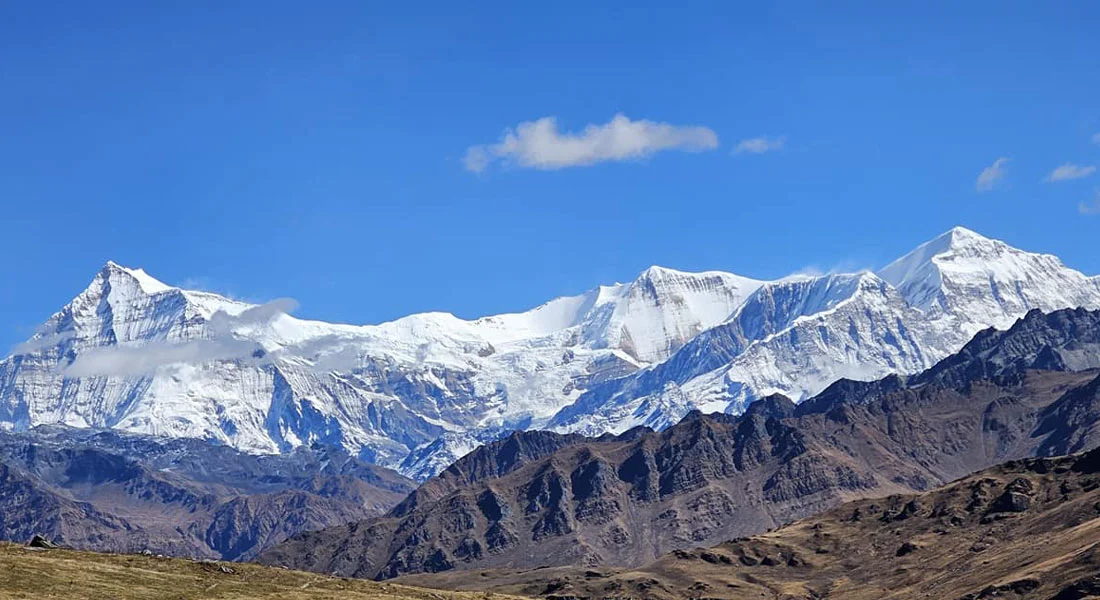
Everest Base Camp Helicopter Tour is perfect for time limited travelers and lack of physical power, trekking to Everest Base Camp Nepal. Everest Base Camp Helicopter Tour is an alternative travel to Everest Base Camp from Kathmandu. You will enjoy astounding view of snow-capped peaks like Mt. Everest, Lhotse, Nuptse, Pumori, and Khumbu glacier during the Everest Base Camp Helicopter Flight Tour.

For an unbelievable Everest experience, there is no other better option than the Everest Base Camp Helicopter Tour. The trip takes you in front of Mount Everest(Himalayas), the highest mountain in the world. The Autumn, Spring and Winter are good months to do Everest base camp helicopter tour.

The Everest Base Camp Helicopter Tour from Kathmandu to Lukla takes for 45 minutes and then to Everest Base Camp and Kala Patthar from Lukla for 25 minutes. Spend an hour at Everest View Hotel flying over Everest Base Camp and Kalapatthar, followed by a scenic flight back to Kathmandu.

Everest Base Camp Helicopter Package tour cost-USD 1450 per person joining in a group sharing basis, private helicopter tour for 2 pax basis, it costs USD 2850 per person and private helicopter tour for 5 pax basis, it costs USD 1250 per person. We cater Everest Base Camp Helicopter Package Tour on a group sharing basis. The USD 80 per person will be an additional cost that covers airport tax, national park entry fee, Khumbu Pasang Lhambu Rural Municipality Tax, and breakfast.

The Everest Heli ride will take 4 to 5 hours from Kathmandu to Lukla to Everest Base Camp/Kala Patthar to Kathmandu including a half an hour landing at the hotel Everest view. Enjoy the granduer of Mt. Everest and its surrounding peaks on a day Everest Base Camp Helicopter Tour with landing at Lukla, Pheriche and Syangboche

Flying by helicopter over major places of Sagarmatha National Park and Khumbu, enjoying an aerial view of Lukla, Namche, Tengboche, Pheriche, Lobuche, Gorakshep, Kalapatthar and Everest Base Camp. A wonderful aerial adventure once a must to do life time trip.

Highlights of Everest Base Camp Helicopter Tour

  • Fly to the Mount Everest Base Camp, and witness the mountaineers who camp there before ascending Mt. Everest.
  • Enjoy the outstanding view of the Himalayas from a helicopter ride.
    Land at Everest View Hotel at 3800m
  • UNESCO world heritage sites-Sagarmatha National Park, the world’s famous nature reserve in the Himalayas.
  • Bird-eye view of Everest, Ama Dablam and the surrounding peaks, including Lhotse (8,516 m), Nuptse (7,861 m), Phortse (3,950 m), Cho Oyu (8,210 m), etc.
  • Stand at the world’s base camp and enjoy the jaw-dropping views of the Himalayas.
  • Outstanding view of the Khumbu icefall.
  • Enjoy the delicious breakfast at the highest place hotel in the world- Everest View Hotel.
  • Thrilling helicopter tour to Everest Base camp.
  • Helicopter Land and stop for breakfast in Everest View Hotel.
  • Short Landing in Kala Patthar to see Everest and other high mountains and feel the altitude.
  • Stunning landscapes, Icefalls, and glaciers.
  • Beautiful villages and valleys.

Why Everest Base Camp Helicopter Tour

There is no better way than the Everest Base Camp Helicopter Tour to enjoy the beauty of Everest in a day. Get an actual bird’s eye view of hard-to-reach locations, eye-popping geography, and a vast array of wildlife.

Everest Base Camp Helicopter Tour could be a good option for limited time people and not physically capable for a classic Everest Base Camp Trek. For less than $1500, you get the best seat in the world to enjoy the real beauty of mountains. Below are the reasons why to do the Everest Base Camp Helicopter Package Tour.

The Helicopter Tour takes few hours to visit Everest Base Camp and the entire Everest region.

Everest Base Camp trek 10 days to 14 days to complete Everest base camp trip. So, if you don’t have this time for EBC trek, the Everest base camp/ Kala Patthar helicopter package tour, the right trip for you.

The 4 hours to 5 hours Everest Base Camp Helicopter Tour from Kathmandu to Lukla, Kala Patthar and Everest Base Camp to Kathmandu, including half an hour stop at the hotel Everest view. The trip leave you a lifetime memory. The short travel time is perfect to those people who have many places to visit in a single day.

Get the best Everest View and it surrounding peaks

If you are having a helicopter ride for the first time, it is going to be like walking and chewing gum at the same time. You will experience thrill of riding a helicopter along with enjoying marvelous views of Mt. Everest and the surrounding snow-capped Himalayas.

The helicopter with large transparent windows caters the best view of Everest, Khumbu Glacier, and the Sherpa villages. You have enough opportunities to click incredible shots as you are flying over the beautiful mountains.

Escape from the crowds of travelers on the EBC trail

Everest Base Camp Trek is an adventurous trekking packages with breathtaking sceneries of the world’s highest peaks. The thousands of tourists trek to Everest region each year.

Landing at Lukla airport to Everest Base Camp, you will share the trail with hundreds of other trekkers, the trail is crowded. The helicopter tour is good to escape from the crowds of hikers.

Everest Base Camp Helicopter Tour is for all age groups

Everest Base Camp Helicopter Tour is suitable for all age groups. There is no risk of altitude sickness. The tour is perfect for everybody such as physically unable people, family with kids and senior citizens. There is lesser trouble and exhaustion in the trip.

The Everest Helicopter Tour is safe-choice.

We take extreme precautions to ensure the safety of passengers. There are multiple layers of protection provided to passengers from a safety briefing to emergency supplies such as an oxygen cylinder onboard. If you follow the safety guidelines, you will have a safe flight. Likewise, our pilots have extensive experience in giving passengers exhilarating helicopter tours in the Himalayas with safe landing and take off procedures.

Everest Base Camp Helicopter Package Tour Joining in a group-4/5 hours

The sharing Everest Base Camp helicopter Tour joining in a group is perfect for individuals and small groups of 1 to 5 people. The trip starts from Kathmandu Airport and fly to Lukla, Pheriche, and Syangboche landing for certain purposes. In Pheriche, stop and take a shuttle flight to Everest taking only 2 to 3 people on Helicopter at a time.

Fly over Everest Base Camp, Khumbu Glacier, and Kala Patthar and return back to Pheriche. Once completing shuttle flight in Pheriche, fly to Everest View Hotel to enjoy breakfast and breathtaking view of Everest and Ama Dablam with landing for 30 to 60 minutes. From HEV, you will fly back to Lukla and then back to Kathmandu.

Group Sharing Everest Base Camp Helicopter Tour Cost will be USD 1,300 per person and additional Costs will be USD 80 per person that covers airport tax, national park entry fee, Khumbu Pasang Lhamu Rural Municipality Tax, and breakfast. The helicopter flight landing at Lukla, Pheriche, Syangboche.

Private Everest Base Camp Tour by charter helicopter with Kala Patthar Landing – 5/6 hours

Private Everest Base Camp Tour by charter helicopter is ideal for a group of 1 to 2 people for an exclusive experience, flight landing at Kala Patthar. The Everest Base Camp Helicopter Trip begins from Kathmandu and fly to Lukla is itself adventurous and scenic. From Lukla, you’ll fly over Everest Base Camp, Khumbu Glacier and Kalapatthar, experiencing bird’s-eye view of peaks.

The helicopter flight landing at Kala Patthar for 5 to 10 minutes, take the best photograph of Everest and its surrounding peaks. You can not stay longer in Kalapatthar due to altitude and the engine of helicopter stop in cold temperature and pressure. From Kalapatthar, fly to Syangboche landing for breakfast at Hotel Everest View and for stunning Mt Everest view. Finally, you’ll return back to Kathmandu via Lukla, short stop.

The private Everest Base Camp Helicopter Tour by charter flight cost will be USD 5900, and the additional cost will be USD 80 per person that covers airport tax, national park entry fee, Khumbu Pasang Lhamu Rural Municipality Tax, and breakfast. The Helicopter landing at Lukla, Kala Patthar and Syangboche.

Everest Base Camp Helicopter Flight Route

Kathmandu to Lukla
Lukla to Pheriche
Pheriche – Overfly Everest Base Camp and landing at Kalapatthar and back.
Pheriche to Syangboche for breakfast
Syangboche to Lukla
Lukla to Kathmandu

For safety, the new rules applied for Everest Base Camp Helicopter Tour

Safety is our top priority. We adhere to safety standards to ensure a secure and enjoyable experience for all passengers. The new regulations are applicable to ensure the utmost safety for all passengers on your flights. Please, follow these guidelines for Everest Base Camp Helicopter Tour Package.

Limited Helicopter Flight Landing

Restrictions have been made on the number of landing for each passenger flight. According to rules, the number of flights has been limited to a maximum of four landing for each passenger flight. This rule has been made to preserve the fragile ecosystem of the Himalayas to minimize an environmental impact

Group Sharing Helicopter Flight

In groups sharing Helicopter flight, the total weight of the aircraft along with passengers is more. So, we need to make a strategic landing at Pheriche, to make less weight of aircraft fly in the altitude. From Pheriche, we make shuttle flight to fly over the Everest Base Camp and Kalapatthar before landing at Hotel Everest View.

Private Charter Helicopter Tour

For more exclusive experience, private Everest Base Camp Helicopter Tour for 1 to 2 person is nice. It is possible to begin the trip from Kathmandu and Lukla, as per your accessibility. The private tour caters a unique opportunity to land at Kalapatthar for 5 to 10 minutes. The air pressure and temperature is very low. So, stay short at Kalapatthar, take quick photos and videos for your comfort and safety.

The Standard Everest Helicopter Tour Itinerary

Departure from Hotel at 5:50 AM.
Wear warm clothing, sunglasses, bring water, snacks, medication.

Airport Check In: 6:15 AM
Passport or copy of passport are necessary for check in and safety briefing.

Helicopter Flight from Kathmandu to Lukla: 6:40 AM
Flying over valley and mountain enjoying the Himalayas and landing at Lukla-Tenzing Hillary Airport.

Stop at Lukla:7:40 AM
Refueling on Helicopter, refreshments and rest room break.

Lukla to Everest Base Camp: 7:50 AM
Flying over Namche Bazaar, Khumjung, Phortse, Tengboche to Pheriche, and group split at Pheriche if needed.

Pheriche to Everest Base Camp and Kala Patthar: 8:25 AM.
Fly over Khumbu glacier, Everest Base Camp and Kalapatthar, take picture of Everest and its surrounding peaks.

Pheriche to Everest View Hotel at Syangboche: 8:45 AM.
Fly back to Syangboche at Everest View Hotel for breakfast and refreshment stop. Enjoy spectacular view of Everest and Ama Dablam.

Return Flight to Kathmandu: 9:45 AM
Fly back to Kathmandu, possible to stop at Lukla for refueling.

Lukla to Kathmandu: 10:00 AM.
Fly to Kathmandu from Lukla for an hour.

Arrival in Kathmandu Airport: 11:45 AM
Receive you there and transfer back to hotel.

Arrive at your hotel: 1:15 PM.
The trip ends and hope, you enjoy it.

Kathmandu to Everest Base Camp Helicopter Package Tour with Kalapatthar Landing

Everest Base Camp Helicopter tour with landing at Kalapatthar is possible for 1-2 persons on private charter flight. This private helicopter tour is a single-day helicopter ride to view Mount Everest closely. The helicopter lands at Kalapatthar (5545m) nearby EBC is no-doubt the best tour in your lifetime. The helicopter tour package completes within 5 to 6 hours.

Lukla to EBC Helicopter Tour with Kalapatthar Landing

Lukla to Everest Base Camp Helicopter Tour with Kalapatthar landing is a cheaper option. The 40 minutes that complete the tour. The heli ride is more exciting, stop breakfast/lunch at Hotel Everest View at Syangboche.

Everest Base Camp Helicopter Tour with Hotel Everest View Landing

Due to new rule of maximum 4 landing besides at airport. The group sharing helicopter flights are without landing at Kalapatthar. We will make a shuttle landing at Pheriche to reduce the weight of aircraft. From there, you’ll enjoy a breathtaking flight over the Everest Base Camp and Kalapathar before landing at Hotel Everest View. You’ll have an hour of free time for breakfast and taking photographs enjoying the mountain views.

The Everest Base Camp Helicopter Package Tour Price for group sharing basis are USD 1400 for 1 pax, USD 1300 for 2 pax, USD 1250 for 3 pax, USD 1225 for 4 pax and USD 1200 for 5 pax.

The Everest Base Camp private charter helicopter package tour cost for private group of family and friends will be USD: 5500 for 1 to 2 pax, USD 7500 for 3 to 4 pax and USD 8500 for 5 pax.

Everest Base Camp Helicopter Flight Route

Kathmandu-TIA airport: Fly over Nagarkot – Jiri – Land at Tenzing Hillary Airport, Lukla – Refueling – Fly over Namche – Syangboche – Tengboche – Pheriche (land) – Gorakshep – Kala Patthar – Hotel Everest View – Fly to Lukla – Refueling – Return flight to Kathmandu. The exact timing may vary depending on weather, air traffic, and other factors.

Facts of Everest Base Camp Helicopter Package Tour

Trip Name: Everest Base Camp Helicopter Tour
Tour Type: Charter/Group Sharing Heli Flight
Maximum Group: 5 Person.
Maximum Elevation: 5555m
Charter Heli Ride Cost: USD 5500
Group Sharing Heli Ride: USD 1400
Flight Time: 4 to 5 Hours.
Kalapatthar Landing: 5 to 10 minutes.
Maximum Weight: 450 kg up to Pheriche, 240 kg up to Kalapathar.
Best Season: February, March, April, May, September, October, November, December.
Helicopter Company: Air Dynasty, Manang, Simrik, Heli Everest, Altitude, Fishtail, Mountain Air.
Landing Points: Lukla Airport, Pheriche, Kalapathar, Syangboche.
Himalayan Sights: Amadablam, Thameserkhu, Mt Everest, Lhotse, Nuptse, Pumori, Kusum Kangaru, Khumbila, Island Peak and Mera Peak.

Everest Base Camp Helicopter Package Tour Itinerary in Details

First Phase:

Everest Base Camp Helicopter Tour with landing takes off from Kathmandu airport for Lukla takes 45 minutes and then the Everest Base Camp and Kala Patthar in 25 minutes from Lukla. You are provided with almost 5 minutes of ground time at the base camp of the highest peak in the world, followed by the scenic flight back to Kathmandu. The total time for completing the trip is just 4-5 hours.

Pick up from the hotel and drive to Kathmandu-TIA airport-domestics terminal. The trip begins early in the morning at 5:30 AM with pick up from your hotel and drive to airport domestic terminal. Brief on important safety measure and instruction guidelines before boarding a flight by flight instructor. After briefing, you will be introduced to your pilot and then to board on the helicopter.

Second Phase:

Take off from Kathmandu to Lukla
After the seating arrangement, we will take off to the east of Kathmandu valley where you will get to enjoy the spectacular view of snow-capped peaks from Langtang range and Ganesh Himal to Manaslu and Gauri Shankar peaks. Soon after flying past the green hills around Jiri in Dolakha, we will have our first stop at Lukla. You will also get to enjoy an aerial view of beautiful valleys and hills, Sherpa villages, monasteries, lakes, and rivers.

Third Phase:

At Lukla refuel helicopter
Lukla (2,820m)-the Tenzing Hillary Airport serve as entry points for most treks, tours, and expeditions in the Everest region. It will take about 10 – 15 minutes to refuel helicopter. Meanwhile, you can enjoy the scenic beauty and mountain views.

Fourth Phase:

Fly from Lukla to Pheriche landing and Overfly Kalapatthar (5,644.5 m /18,519 ft.)
After refueling the helicopter, the Everest Helicopter Flight takes off and continues over fly the Dudh Koshi River valley towards Namche Bazaar. Namche is the largest town in the region and essentially the economic hubof Everest Region. It is called the gateway to khumbu, because most of the travelers have to pass through Namche to enter the Khumbu region. On flying over this famous Sherpa settlement, we can enjoy spectacular views of Langtang Lirung (7,234m), Ganesh Himal (7,429m), Gauri Shankar Himal (7,134m), Shishapangma (8,013m), Gyachung Kang (7,952m), Pumori (7,161m), Lhotse (8,516m), Nuptse (7,855m), Ama Dablam (6,812m), Kwangde, Kusum Kanguru, Thamserku and other majestic peaks in the region. The flight continues over notable villages like Syangboche, Tengboche (home to the Tengboche Monastery), Pheriche, and Gorak Shep (final settlement going forward) to the Everest Base Camp.

Fifth Phase:

Landing at the Pheriche (4,371 m.)
Landing at the Pheriche 4371 m. which is the highest point of the helicopter ride to balance the weight. You will get window seat for individuals with maximum 3 people together with flying above the Everest Base Camp (5,380m) is the once in a lifetime experience that countless people dream to experience. The base camp is located below the dreaded Khumbu ice-fall and surrounded by some of the highest peaks in the world including Lhotse, Nuptse, Cho Oyu, Lobuche, and many more.

We fly over the Kala Patthar, an even better location in terms of scenery as it is one of the best view points in the Khumbu region. Unlike, the base camp where the view of Everest is mostly blocked by the Lhotse Nuptse wall, Kala Patthar offers a 360-degree panorama of Everest as well as most of the region and its various stunning peaks.

Sixth Phase:

Overflying the Kalapatthar 5,545 m.
Regardless of the location, you will have around 10 minutes time to enjoy the glorious scenery and magnificence surrounding. Make sure to capture these moments with a memorable photograph. Though we recommend you to be fully present at the moment and enjoy the scenic natural beauty. We will need to leave soon, staying long in high altitude (5,380m) could be dangerous due to risks of AMS (Acute Mountain Sickness). After around 15 minutes, we will take off from the Everest Base Camp.

Seventh Phase

Pheriche to Everest View Hotel at Syangboche
After the glorious experience of overflying Everest Base Camp and Kalapatthar, we will land at Pheriche to pick up all the passengers and heads to the Everest View Hotel at Syangboche for breakfast. This famous hotel offers you a superb close-up view of Everest, along with some delicious food too of course!

Eighth Phase:

About Hotel Everest View and Breakfast
Everest View Hotel at 13000ft is the highest place hotel in the world which holds the record in the Guinness Book of World Records. Here, you will get to enjoy a delicious breakfast with a 360-degree view of majestic mountains in the Everest View Hotel. The ground time for breakfast in Everest View Hotel is about 30 minutes. Enjoy breakfast at almost 4,000 meters while gazing upon the world’s highest peak, Everest is like a fairy dream come true.

Ninth Phase:

Fly back from Syangboche to Lukla
We will take off from Syangboche and fly over Namche once again before landing shortly after at Lukla. Where we will stop in Lukla for 15 minutes to follow the routine refueling.

Tenth Phase:

Fly Back from Lukla to Kathmandu
After following the routine refueling stop of 15 minutes, we will take off for the final Helicopter flight to Kathmandu. Enjoy the stunning aerial views of the Himalayas and the breathtaking landscape for another 30 minutes. After reaching Kathmandu, make sure to follow proper protocol and safely get off the Heli as instructed. We will have a vehicle ready to drop you off at your hotel. Congratulations on successfully completing the Everest Base Camp Helicopter Tour!

Everest Heli Package Tour Price Includes

Airport transfer-Pickup and Drop.
Travel Insurance(Crew and Passengers)
Helicopter Tour over flying Everest Base Camp/Kalapatthar for 4.5 hours
All government taxes and company service charges.

Everest Heli Package Trip Cost Excludes

Tea/coffee and breakfast
Airport tax in TIA, Kathmandu
Necessary permits and entrance fees
Nepal entrance visa fee
Personal nature expenses
Accommodation in Kathmandu

Highlight Points of Everest Base Camp Helicopter Tour

Kala Patthar (5,545 meters)

Kala Patthar, means “black rock” in Nepali, is nestled on the southern edge of Mt. Pumori, overlooking Gorakshep. This site is renowned in the Khumbu region as the premier spot for the closest and most magnificent views of Mount Everest. Standing at an elevation of 5,555 meters, Kala Patthar offers a breathtaking perspective that includes not just Everest but also a panoramic view of surrounding peaks such as Mt. Pumori, Nuptse, Changtse, and Lhotse. The vista from Kala Patthar is truly unparalleled, providing an awe-inspiring panorama that is a highlight for many adventurers. The highest place of helicopter tour with landing is the major highlights of this heli ride.

Everest Base Camp (5,364 meters)

The Everest Base Camp, situated in the heart of the Everest region, is a crown jewel, offering views that are just as mesmerizing from above. Perched at 5,364 meters, witnessing the sunrise from this vantage point can be a transformative experience. Annually, the base camp draws thousands of adventurers who embark on a 12-13 day trek, braving altitude and the elements, to reach this iconic spot. For those seeking a more direct route, a helicopter tour offers a swift and stunning journey to the base camp in about 3 hours, showcasing the majestic beauty of snow-clad peaks like Mt. Everest, Lhotse, Nuptse, Pumori, and the Khumbu glacier. Normally, we don’t land at Everest Base Camp during the helicopter ride.

Everest View Hotel (3,880 meters)

Positioned at 3,880 meters, the Everest View Hotel stands as one of the world’s highest luxury hotels, located near the village of Namche within the Sagarmatha National Park. Guests are treated to spectacular views of Earth’s highest mountain and beyond. The hotel is renowned for its exceptional service, exquisite cuisine, and warm hospitality, all of which enhance the overall experience. A brief helicopter ride not only showcases the stunning landscapes but also offers a glimpse into Sherpa culture and traditions. During the Everest Helicopter tour, you will have an opportunity to have the delicious breakfast with panoramic views of 360 degree from the Hotel Everest View.

Lukla Airport (2,860 meters)

Lukla, a picturesque Sherpa town, serves as the essential starting point for the thrilling Everest Base Camp trek. It is also home to the Tenzing Hillary Airport, known for its extreme conditions, making it one of the most challenging airports for landing worldwide. Regular flights connect Kathmandu with Lukla, primarily during the morning hours to take advantage of better weather conditions. Lukla Airport, recognized as one of the highest airports globally, presents a unique challenge due to its short, sloped, and uneven runway, set against a backdrop of dramatic weather and rugged terrain, earning it a reputation as one of the most formidable and hazardous airports globally. For many people, Lukla airport is a dream destination to fly in and explore around. Thousands of people visit this airport every year for the trekking, peak climbing and mountain expeditions of the high Himalayas.

Everest Helicopter Tour Package-Options

Lukla to EBC Helicopter Tour Package

Everest Base Camp Helicopter tour with landing at Kalapatthar is a complete package from Kathmandu to explore the Everest region within 4 to 5 hours. This tour is possible from Lukla airport to Everest Base Camp with landing in Kalapatthar at less cost and time. Lukla to Everest Base Camp Helicopter tour is another popular tour program.

Namche to Everest Base Camp/Kalapatthar and return to Lukla or Kathmandu

Travelers who want to experience trekking in the Everest region, begins from Lukla airport to Namche. It takes 2 days to reach Namche. If they want to shorten their trekking but want to experience the close-up view of Mount Everest and stand at Kalapathar top, then the Namche to Everest Base Camp overfly with landing at Kalapatthar and return to Lukla to catch a regular flight or direct flight to Kathmandu by heli ride is wise option to save time.

The Namche to EBC helicopter flight is an ideal option to reach Kalapathar within 15 minutes. It saves time and energy for the travelers and the most important is a lifetime memory of the aerial view of the world’s highest mountain, Mount Everest, and views from upfront are bound to take your breath away.

Phakding to Everest Base Camp and Lukla drop or Kathmandu

Another popular helicopter flight in the Everest region is from Phakding to Everest Base Camp and back to Lukla or Kathmandu airport. If a traveler can’t trek to Namche but want to explore the high Himalayas, this Phakding to EBC helicopter ride is a useful option full of amazing experiences.

Walking from Lukla, it takes about two to three hours to reach Phakding which gives a taste of the Mountain area. The cultural and natural introduction to the Everest region in a short period of time by walking to Phakding gives you the taste of trekking.

Most travelers stop at Phakding to spend their first night of Everest trekking. If they feel Acute Mountain Sickness; they are not suggested to walk over. So, flying by a helicopter from Phakding to Everest Base Camp and land at Kalapathar, and fly back to Lukla or Kathmandu to complete the Everest trekking.

Best seasons in the year for Everest Base Camp Helicopter Tour

The Everest Base Camp Helicopter trip is possible at any time of the year since the tour takes only a few hours of time. However, the weather in the Everest region keeps on changing which could limit the possibilities of flying helicopters to Everest Base camp. Moreover, during the summer season, heavy rain and high humidity make it difficult to operate Helicopter flights.

In autumn and spring, the sky is clear most of the time and the rain is occasionally making it the best season for Helicopter tours in Nepal. Also, during the spring and autumn season, the visibility is very good and you will get to enjoy the spectacular aerial views and picturesque mountains vistas. The winter season can be another good option for those who are already in Nepal in winter. A clear day in winter is best to go for a helicopter tour to Everest. In winters the mountains are fully covered with glazing snow glowing brightly in the sunlight. No season is bad for helicopter tours in Nepal. After all the visibility and good weather during the flight day are more important for EBC Heli Tour.

Spring Season

The spring season which lasts from March to May is the best season for the Heli Flight Tour to the Everest region. The lush green hills seem even more beautiful now as they are dotted with blooming rhododendrons and other wildflowers. In spring, sky is clear which makes the mountains clearly visible. Not just the hills but the view of the mountains is also spectacular during spring thanks to the clear skies. The temperature is also perfect during this time, clocking in at a moderate 15 to 20 degrees Celsius during the day time, which drops down and hovers around 0 to 5 degrees Celsius once the sun goes down.

Autumn Season

September to December is the peak season for tourism and trekking in Nepal, and the Everest Base Camp Helicopter Tour is no exception. The autumn season which is known for pleasant weather, moderate temperature, clear skies, and breathtaking scenery. Like spring, the autumn season is a fantastic time to do Everest Base Camp Helicoper Package Tour. The temperature generally hovers between 15 to 20 degrees Celsius when the sun is up and stays around -5 to 5 degrees Celsius during night time. The sunlight and its UV rays are much stronger than you may expect at the base camp, so don’t forget to use proper sunscreen and protection.

Summer Season/ Monsoon

Monsoon is off-season for trekking in Nepal. And, for tourism in general, monsoon offers an off beat experience. The temperature is generally moderate like in the previous two seasons but the weather tends to be unpredictable. To visit the Everest Base Camp in the monsoon, especially with Everest Heli Flight Tour, you need to be patient to wait for the correct day with good weather. However, if you have enough time and patience to wait for the perfect day, then your experience will surely be unmatched. Thanks to the rain as it washes away all the dust and pollution, the skies are as clear as they can be. Aside from the amazing scenery, this is also the perfect time to travel for botanists or nature enthusiasts.

Winter Season

The winter season in Nepal typically falls from December to February and it is a good Everest Base Camp Helicopter Package Tour. The temperature drops very low around -10 to -15 degrees, especially at high altitude. The snowfall may happen in this season. This is why Everest Base Camp Trek is tough to perform during the winter. In a sense, this makes winter an excellent time for the Everest Base Camp Helicopter Tour. You get to enjoy the breathtaking aerial view of the sparking peaks including Everest without any hassle while also experiencing the rich snowfall during your ground time at the Everest base camp. With clear blue skies, the mountain vistas are generally spectacular in winter as the beauty of sparkling peaks is further enhanced by the winter snow.

Equipment and Clothing for Everest Base Camp Helicopter Tour

The Everest Base Camp Helicopter Tour does not involve just flying at a high altitude but also landing at the Everest Base Camp which is at an altitude of 5,380m. Preparation and proper clothing are very important for a Helicopter Flight to Everest Base Camp. The sunlight and UV rays are much stronger than you may expect at such elevation, so proper sun protection and sunscreen are important. Very cold and chilly winds set in past the afternoon so, layering your clothing with windproof jackets on the outside is also necessary. Similarly, the temperature can drop quite low if the weather turns cloudy, so having a warm down jacket with gloves and hats is also useful. Below, we have listed the important items including clothing as well as other equipment that you will have to carry for the EBC Helicopter Flight Tour.

Windproof down Jacket (preferably waterproof too)
Warm trousers
Sunhat and woolen cap
Scarf
Sunglasses/Goggles
Sunscreen (preferably of SPF30+ for full protection)
A bottle of water
Toilet paper and other necessities
Mobiles and cameras
Your passport or passport copy

Important Notes for Everest Base Camp Helicopter Tour

There are some important things to remember for Everest Helicopter Flight Tour, in general. For starters, the total amount of places we visit and our landing spots (Everest View Hotel for instance) may change depending on the weather and other condition. Safety is our utmost priority, both for the clients as well as our crew. So, the final decision to make will be in the hands of our experienced pilots as they are the ones best suited to make this decision.

On our Helicopter Flight to Everest Base Camp, we will try to include all the important locations and highlights and give you as much time as possible to enjoy the breathtaking scenery and culture of the region. Some other important points to remember during the heli tour are listed below:

  • Always be in the line of sight of your pilot. Enter/exit the helicopter from the side or front.
  • Make sure you are wearing your seat belt properly.
  • Don’t leave your appointed seat until the pilot has signaled it is safe to do so.
  • Weight distribution is important in Helicopters, so we will try to arrange to seat accordingly. Please try not to change your assigned seats.
  • No smoking unless you have received permission from the captain.

Important Notes regarding maximum weight capacity per flight for landing in different places.

The maximum weight per flight for a helicopter tour is 450 kg as you take off from Kathmandu. The maximum landing weight capacity for all the places in highlands varies at altitudes and the air pressure differs at different places. The maximum weight of all the passenger and their belongings to land on Syangboche is 450 kg. This is where the Everest View hotel is located. Similarly, for Pheriche, the maximum landing weight is 420 kg, and for landing at Kalapatthar the maximum landing weight has to be 220 kg. This is the reason why all 4 to 5 people in a group cannot be taken to Kalapatthar at a time. The helicopter needs to de an extra shuttle flight from Pheriche to Kala Patthar.

Information Regarding Helicopter and a maximum number of people that can fly in one helicopter.
Maximum, 4 or 5 people can fly in a helicopter including kids. The weight limit for people along with their belongings is 450 kg and so, we recommend you discuss your total weight beforehand.

Cancellation Policy for Everest Base Camp Helicopter Tour

There are uncertainties to any traveling you do regardless of the destination. There may be a change of plans, change in weather conditions, personal reasons, or any unseen events, where the best laid out plans change. So, it’s imperative to have a backup and check the cancellation policies of your tour or travel. For the Everest Helicopter tour, most agencies and airlines have the following cancellation policy:

  • You will get a 75% refund on your deposit if you cancel 24 hours or at least a day before your scheduled departure.
  • You will get an 85% refund on your deposit if you cancel 3 days before your scheduled departure.
  • You will get a 90% refund on your deposit if you cancel a week before your scheduled departure.
  • You have the option to reschedule your tour for at least 24 hours before your scheduled takeoff.

If the helicopter flight is canceled owing to the weather conditions, then you can get a total refund or get a reschedule for the same tour at a time and day that fits your need and itinerary. Once you choose to cancel your tour, notify the agency or the company you are touring with immediately. The date on which you tell the company and the request gets approved defines the further cancellation charge.

You will not get a refund if you choose to cancel the tour once the tour has commenced. If the Company you scheduled the tour with cancels the tour, the package cost will be returned. Else, you may get a reschedule for the same tour depending on your choice.

Helicopter Model for Everest Base Camp Helicopter Tour

Depending on the size of your group, the size of the helicopter for your Everest Base Camp Helicopter tour may vary. The models of Helicopters are as below:

1. 9N ANA
Model: AS350B3e
Manufacture: Air Bus, France
Engine type: Ariel 2D
Passenger capacity: 5 + 1
Maximum Takeoff Weight: 2250 KG
Maximum Operating Altitude: 23,000 Ft

2. 9N ALA
Model: AS350B3e
Manufacture: Air Bus, France
Engine type: Arriel 2D
Passenger capacity: 5 + 1
Maximum Takeoff Weight: 2250 KG
Maximum Operating Altitude: 23,000 Ft

3. 9N-AJD
Model: AS 350 FX II
Manufacture: Air Bus, France
Engine type: LTS – 101 – 700D2
Passenger capacity: 5 + 1
Maximum Takeoff Weight: 2250 KG
Maximum Operating Altitude: 16,000 Ft

4. 9N – AFQ
Model: AS 350 FX II
Manufacture: Air Bus, France
Engine type: LTS – 101 – 700D2
Passenger capacity: 5 + 1
Maximum Takeoff Weight: 2250 KG
Maximum Operating Altitude: 16,000 Ft

Does the helicopter land at Everest Base Camp?

Helicopters usually overfly Everest Base Camp. Normally, they do not land at EBC because the view of Mount Everest and other peaks is clearer from Kala Patthar. The helicopter may land at Kala Patthar if the flight is a private charter of 1-2 passengers, depending on weather. In spring (March-May), the helicopter can land at Everest Base Camp (5,364 meters) or Kala Patthar (5,545 meters).

How many passengers can fly in one helicopter?

Each helicopter can accommodate up to 5 passengers, depending on the total weight. The combined weight must not exceed 450-500 kg at lower altitudes. From Pheriche above, only 3 passengers can fly together.

What is the best time to book Everest Base Camp Helicopter Tour?

The best time to book is during spring (March-May) or autumn (September-November). These seasons offer clear skies and ideal visibility. Winter is also a good time for helicopter rides, but the monsoon season is not recommended due to weather conditions.

How high does the helicopter fly during the tour?

The helicopter flies between 4,500 to 6,000 meters, going above Camp 2. The highest landing point is Kala Patthar at 5,545 meters, offering views of Everest and other peaks like Lhotse and Nuptse.

How long can we stay at Kalapathar?

The helicopter stays for around 5-10 minutes at Kala Patthar. Due to high altitude and cold temperatures, the helicopter engine won’t stop, so longer landings are not possible. This allows you to enjoy the views and take photographs safely.

Is the Everest Base Camp Helicopter Tour safe?

Yes, safety is a top priority. Our helicopters are operated by experienced pilots trained in high-altitude flights. We monitor weather conditions carefully and ensure all safety protocols are followed.

What should I wear during the Everest Base Camp Helicopter Tour?

Be comfortable but dress in warm, layered clothing suitable for cold temperatures at higher altitudes. A down jacket, thermal layers, gloves, a warm hat, and sunglasses are recommended.

Are there weight limitations for passengers?

Yes, the total weight capacity is around 450kg for the Everest Base Camp Helicopter Tour. The number of passengers may need to be adjusted based on individual and group weights to ensure safe flight conditions.

Do I need to bring food or water during the tour?

Bringing your own water bottle and chocolates is advisable, especially if you have specific dietary preferences. You will have enough time for breakfast at Hotel Everest View.

Is altitude sickness a concern during the helicopter tour?

Altitude sickness is a potential concern, but the short duration of the stay at high altitudes minimizes the risk. Some passengers may experience mild symptoms like dizziness or headaches. We will have emergency oxygen available if necessary.

Can children and elderly people join the tour?

Yes, the Everest Base Camp Helicopter Tour is suitable for people of all ages, including children above 3 years and elderly travelers. Those with pre-existing medical conditions should consult a doctor before booking.

What happens if the weather is bad on the day of the tour?

In case of bad weather, the tour may be delayed, rescheduled, or canceled for safety reasons. We will work with you to either reschedule or provide a refund.

How much does the Everest Base Camp Helicopter Tour cost?

The cost for a group tour ranges from USD 1,200 to 1,400 per person, while a private charter costs around USD 5500 to 8500 depending on the number of passengers.

Can I join a group helicopter tour to Everest Base Camp?

Yes, we offer group joining tours where you can share the helicopter with other travelers, reducing costs. Group tours follow a set schedule and itinerary.

What is the total distance covered during the tour?

The round-trip flight from Kathmandu to Everest Base Camp covers around 200 kilometers.

Do I need any special permits for the helicopter tour?

Yes, a Sagarmatha National Park Entry Permit and Khumbu Pasang Lhamu Rural Municipality Tax are required to enter the Everest region. These are usually included in the private charter package and cost around USD 40 per person.

Are there restroom facilities during the tour?

There are no restroom facilities on the helicopter. Restrooms are available at Lukla, Pheriche and Syangboche during refueling stops. It’s best to use the restroom before departure.

Can I cancel or reschedule my helicopter tour?

Yes, you can cancel or reschedule, but check the terms and conditions for details.

Can I bring a drone for aerial photography?

Due to restrictions in Sagarmatha National Park and high altitudes, drones are generally not allowed. Please contact us to discuss drone policies before booking.

Is oxygen available during the flight?

Yes, the helicopter is equipped with portable oxygen cylinders for emergency use, especially at high altitudes.

Do I need travel insurance for the tour?

Yes, travel insurance is recommended, particularly coverage for helicopter evacuation, medical emergencies at high altitudes, and cancellations.

Can I customize the itinerary of the helicopter tour?

Yes, private charters allow for flexible itineraries. You can add stops at scenic viewpoints, monasteries, or villages along the way.

Is there a surcharge for passengers who weigh more?

Yes, if the combined weight of passengers exceeds the helicopter’s capacity, additional charges or an extra flight may be required. Accurate weight information is essential during booking. Normally weight under 100kg will be ok.

Can I/we fly to Everest Base Camp by helicopter in the morning and take an international flight later?

Yes, the helicopter tour typically concludes by noon, allowing enough time for an afternoon international flight. However, we do not recommend doing so, as weather conditions may delay your flight.

Can we pick up from Everest Base Camp to Lukla by helicopter?

Yes, we offer flexible services, including pick up from Everest Base Camp, Kala Patthar, or other locations in the Khumbu region, with drop-offs at Lukla or Kathmandu.

Do you arrange helicopter rescue services with insurance companies?

Yes, we coordinate with insurance providers to arrange helicopter rescue services in case of emergencies. Air ambulance services are also available.

Can I charter a private helicopter tour to Everest Base Camp?

Yes, you can charter a private helicopter for the tour. We also offer group joining options to reduce costs. Contact us for pricing and details.

Does weather affect the helicopter flight to Everest Base Camp?

Yes, the weather in the Everest region can be unpredictable. We monitor live updates and aim for early morning flights when conditions are more favorable.

Can anyone trek to Everest Base Camp and return by helicopter?

Yes, you can trek to Everest Base Camp and then return via helicopter. We can arrange pick up from Gorakshep, Lobuche, Pheriche, or other points in the region.

Is it possible to fly from Lukla and Namche Bazaar to Everest Base Camp?

Yes, we offer helicopter flights from Lukla and Namche Bazaar to Everest Base Camp. You can also choose to fly vice versa on your return journey.

What happens if there is bad wind during the tour?

In case of bad wind, we may adjust the landing and return to a safer location. Your safety is our top priority, and we appreciate your understanding in such situations.
Tibet and Kailash Travel Guide

Tibet and Kailash Travel Guide.
Best Tibet and Kailash Travel guide.

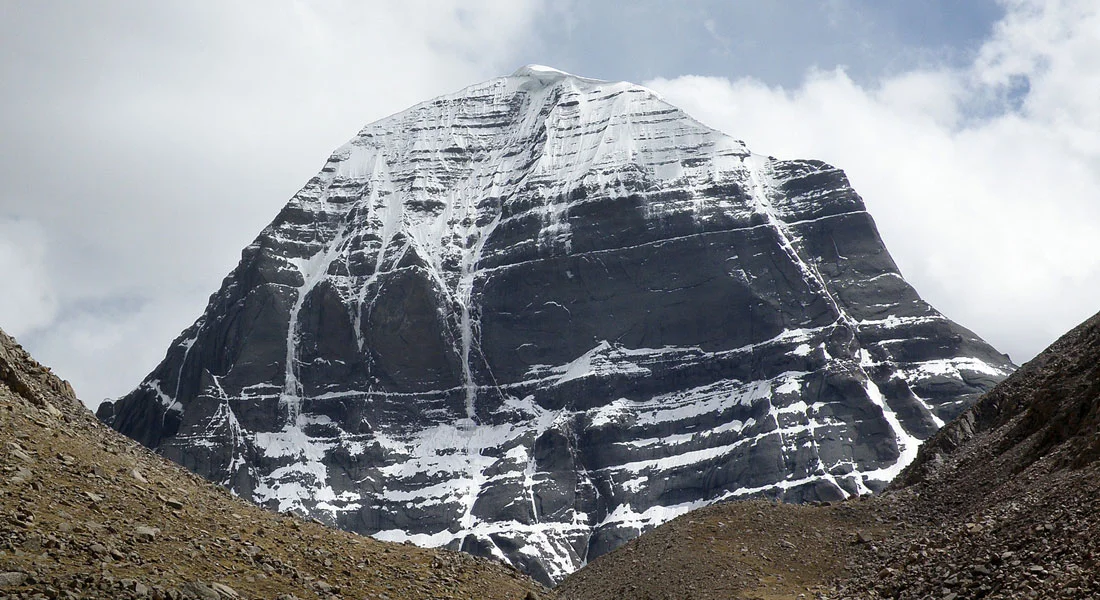
Tibet and Kailash Travel guide gives you an idea how to prepare for Kailash Manasarovar trip. Tibet and a center of the Universe-Mt Kailash is a dream destination of many travelers. Thousands of pilgrimage and visitors travel to Tibet and Kailash from Kathmandu Nepal.

Tibet has opened now for foreigner. It has recently operated the flight between Kathmandu and Lhasa. Kathmandu Nepal is a good transit port to go to Tibet and Mt Kailash. Tibet-Kailash, Lhasa and Everest Base Camp from Nepal offers many benefits such as it simplifies the visa process, saves time and cost. At the same time, it caters an opportunity to experience some of the sights and culture of Nepal.

Content of Tibet and Kailash Travel Guide

How to go Tibet and Kailash from Nepal.

Kailash Short Trek

Tibet and Mount Kailash Tour Cost from Nepal

Is Travel Permits necessary for Kailash Tour and Tibet Tour from Nepal

What to bring for Tibet and Mount Kailash Tour from Kathmandu

Conclusion

How to go Tibet and Kailash from Nepal

Both by land and flight you can reach to Lhasa, the capital of Tibet. The starting and also the ending point of most of Tibet and Kailash Tour. A direct flight from Kathmandu to Lhasa is the main route for travelers entering Tibet from Kathmandu. The flight is about 90 minutes and costs around 450 US dollars per person. From Lhasa, the tour begins to Mount Kailash and Everest Base Camp. It is also possible to get in Lhasa via mainland China’s different cities like Chengdu, Beijing, Xian, Shanghai and Xining by train and flight.

The two options are available. If you get to Lhasa by flight, then you overland out by road from Gyirong border to Nepal. Also, if you enter to Tibet by overland drive from Kathmandu and then you will flight out from Lhasa to Kathmandu and any of the cities of mainland China.

It is also possible to drive in and drive out by road to Tibet and Kailash from Kathmandu. The overland route, commences from Kathmandu and travelling to Kailash Manasarovar by road. It is a popular way to travel from Nepal for budget and limited time travelers. This kind of tour makes you experience local culture of Nepal.

Kathmandu to Lhasa and Kailash Tour via Gyirong is pretty much a reversal of Lhasa to Kathmandu tour, and follows the same routes. You can reach to Nepal/Tibet border by jeep that takes 7 hours’ drive. Once at the border crossing, you’ll complete Nepali immigration and walk across the bridge to China. After immigration checks and entry into China, your tour guide awaits you in the Immigration Office’s waiting area.

Your guide will take you to vehicle with driver, and Tibet and Kailash tour starts with a short drive to Gyirong that is around 24 kilometers to the north. Spend overnight there. From Gyirong, your drive onwards to Saga for Kailash tour and to Tingri for Lhasa and Everest Base Camp Tour.

Kailash Short Trek

From Saga, it is a long day of driving to Darchen, the base camp of Kailash Trek. The trek around Mount Kailash takes three days. The accommodation is basic and you can stay at two of the five monasteries that are located close to the holy Himalaya-Kailash peak. The trail is busy in the peak months, so you may have to sleep in a tent. Bring a good sleeping bag just in case.

Tibet and Kailash overland tour offers a unique border crossing experience. Compared to other Kailash tours, overland tour via Gyirong saves time and also cost-effective. The journey keeps travelers immersed in the local sights and culture without interruption of airports.

Tibet and Mount Kailash Tour Cost from Nepal

Cost for Tibet and Mount Kailash tour from Nepal depends on many factors. Like, how long and when you will travel. If you travel in April to late May, and late of October is a bit cheaper and June to mid-October is expensive as it is a peak time tour in Kailash and Mansarovar. Also, price it depends on accommodations and transportation as well.

Small group joining tour is a cost-effective way for budget travelers. Sharing the cost of guide, driver, and private vehicle, and cheaper hotel rooms by sharing with other travelers is the best options.

Is travel permits needed for Kailash Tour and Travel to Tibet from Nepal

The several permits are necessary to travel to Kailash and Tibet. The Travel Permit is an essential document which is also called Tibet invitation letter too. That issue from Tibet Tourism Bureau in Lhasa, compulsory for all foreign nationals to enter Tibet.

Tour out of Lhasa, Alien’s Travel Permit and Military Permit also require to visit Mount Kailash and Everest Base Camp. The Foreign Affairs Permit is necessary for culturally sensitive locations such as Mount Kailash and Guge Kingdom.

To apply and get Tibet Travel Permit may take several business days and it serves as a pre-condition for other required permits. We are applying in advance with your passport copies before arrive in Kathmandu and Lhasa. Tibet travel permit is needed to apply your Tibet/China group paper visa at Chinese Embassy in Kathmandu, that takes 2 to 3 working days. The Chinese embassy in Kathmandu open from Monday to Friday.

The Essential Gears for Tibet and Kailash Tour from Kathmandu.

Once your travel documents are ready, it’s time to pack necessary gear for Mount Kailash and Tibet Tour. In the summer, you need to prepare for some colder weather.

It is best to prepare several layers of clothes so you can adapt to warmer daytime and colder evenings, and good sleeping bag for any nights spent in a tent.

Well preparation for trekking is another must. A well-fitted backpack, sturdy hiking boots, and trekking poles will help you cross some of the rugged terrain. Sun protection is also important. A hat with a brim and UV protection sunglasses will help you to avoid any sun related problems.

Besides staying comfortable and warm, you need to stay healthy. Medicine for altitude sickness is must for all travelers to Tibet and Mt Kailash. Additionally, a first-aid kit with supplies for treating small wounds and medicine for small ailments such as nausea and headaches is also needed. Basic toiletries, sun cream, lip care and skin moisturizer also keep you fresh and comfortable during the tour. Finally, don’t forget basic personal items, an adapter for electrical outlets, small flashlight, and thermos for hotel water.

Conclusion

A trip to Mount Kailash and Tibet from Nepal is good to see Tibet’s breathtaking scenery and important cultural locations. Whether you travel to Lhasa by flight, and overland to Kailash via Gyirong, choices are available. Pack your bags and fulfill your dream of a lifetime journey to Mount Kailash and Tibet-the top of the world. Please write us at missionecotreknepal@gmail.com or call or message on WhatsApp at +977 9851023742 for more information.


Things to do in Pokahra-The tourism hub of Nepal

Things to do in Pokhara
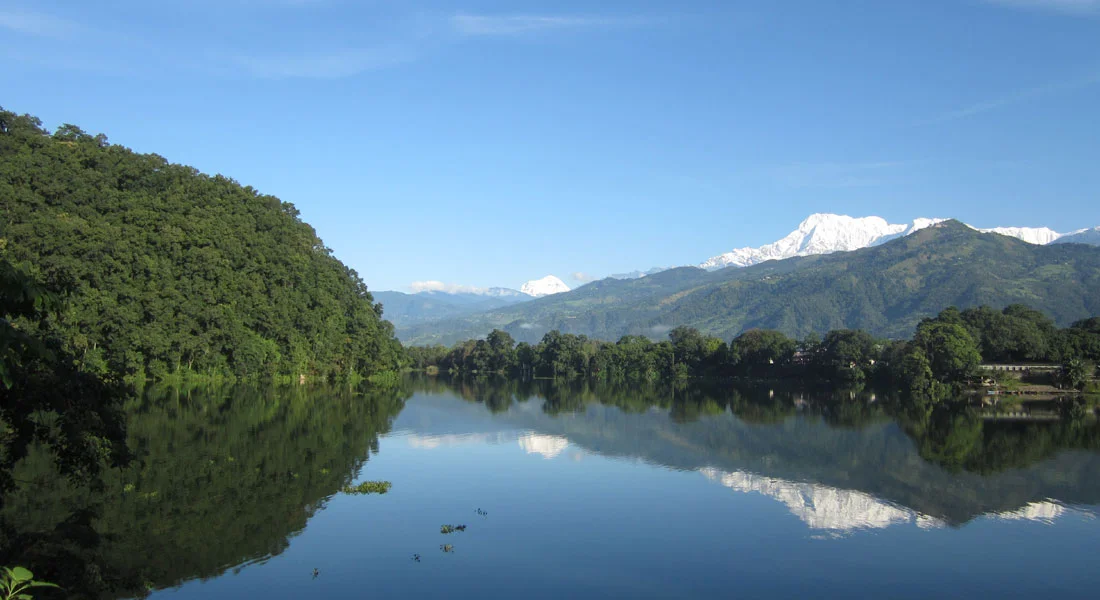
The Nature of Pokhara-Mountains, Lakes and Jungles.

Pokhara offers a mix of adventure and relaxation, from breathtaking mountain views to cultural experiences. Popular activities include boating on Phewa Lake, hiking to Sarangkot for sunrise, exploring caves, and indulging in adventure sports like paragliding.

Best Things to do in Pokhara

Phewa Lake-Take a boat ride or enjoy the scenery from the lakeside.
Sarangkot-Hike up to this viewpoint for stunning sunrise and sunset views of the Annapurna range.
Begnas Lake-Explore this picturesque lake with fewer crowds than Phewa.
Davis Fall and Gupteshwor Cave-Visit these natural attractions.

Paragliding/Ultra-light Flights- Enjoy panoramic views from above.
Zip-lining/Bungee Jumping-Get your adrenaline fix with these activities.
Hiking/Trekking-Pokhara is a base for treks like the Annapurna Base Camp Trek and Ghorepani Poon Hill trek.
Mountain Biking-Explore the surrounding landscape on two wheels.

World Peace Pagoda-A serene Buddhist temple offering panoramic views.
Barahi Temple-A Hindu temple located on an island in Phewa Lake.
International Mountain Museum-Learn about mountaineering and the Himalayas.
Bindabasini Temple-Explore this historical temple.
Yoga and Meditation Retreats-Find peace and tranquility at various retreats.
Hot Air Balloon Ride-Take a unique view of the Annapurna range from a hot air balloon.
Annapurna Base Camp Helicopter Tour-Experience the majestic Annapurna Base Camp from the air.

Best time to visit-The shoulder seasons (spring and autumn) offer pleasant weather and fewer crowds. Accommodation-Pokhara has a wide range of accommodation options, from budget-friendly guesthouses to luxury hotels. Safety-Be aware of your surroundings and take necessary precautions for hiking and adventure activities.

Pokhara is the base of many short and long treks to Annapurna and Pokhara valley. The short trek and tour in Pokhara ranges from 1 to 6 days. The Pokhara Trek  is not only for mountain view,  but also the scenic landscapes, Sunrise and Sunset view over the Himalayas.

You don’t need much preparation and time  for Pokhara trips. Pokhara is 200 km far from Kathmandu and can reach there by drive takes 6 hours and by flight takes 25 minutes. The short treks in Pokhara is very famous because of an easy access, vibrant culture and exotic view of Himalayas including Annapurna, Dhaulagiri and Manaslu.

The short Pokhara tour offers a spectacular view of the Himalayas and beautiful mountain villages inhabited by friendly people. The short treks in Pokhara is good for busy people who want to have an experience of what is trekking in Nepal. The leisurely walk in Pokhara with their friends and families offers an unforgettable holidays experience in Nepal.

Key Attractions of Pokhara

Mountain views-Pokhara lies amidst mountains and lakes. Thus, a short trek from Pokhara offers you exotic views of various mountains such as Annapurna (8091m), Machhapuchhre (6993m), Dhaulagiri (8167m), and many others.

Traditional village-You can experience the rural and local lives of the indigenous Gurung, Magar, Poon, and Tamang people as you explore the villages of Dhampus, Landruk, Ghandruk, and Sikles.

Golden Sunset and Sunrise-A short hike from Pokhara to Poon Hill, Panchase Danda lets you soak in the beauty of magical sunrise and sunset amongst the snowy peak from a single viewpoint.

Easy and Quick-These short treks from Pokhara let you experience the natural and cultural beauty of Nepal in no time. If you are short on time, then you can get the joy of being in the mountains along with lush green forest, terraced fields. Graded easy to moderate trek who wishes to go on a short journey can enjoy these treks. You do not need any prior experience or advanced physical strength to dare on these treks.

Pokhara Trek Difficulty

Like treks in Kathmandu, short treks from Pokhara is categorized as an easy to moderate grade trek. The trek depends on the fitness of individuals. If you are skilled and trained, you are fit enough and Pokhara Trek is not that difficult. The trek is for beginners, seniors and family with children.

 Pokhara Trek Routes

There are many short trek routes from Pokhara. Some of these trek trails are as below. Please check it up.

Dhampus Australian Camp Trek

This is a short and easy trek from Pokhara which is best to relax and spend time from stress and anxiety. The trek begins from Kande after an hour drive from Pokhara. Australian Camp is a beautiful, green village best known for the best views of Annapurna and Fishtail with the Sunrise and Sunset. Dhampus is a small Gurung village where you will experience Gurung culture and traditions. The villages are scattered in the terraced lush fields and hills. The trek is relatively easy and short trek. The people of all ages can enjoy this trek. The Spring, Autumn and Winter are good season.

Panchase Trek

Panchase is a beautiful new trekking trail. The trek is beautiful in diversity, historical, religious and cultural features. The quick and best trek destination which is family-friendly trek in the Annapurna region. The highlights of Panchase Trek are the eye-catching vistas, landscapes, exotic trails and small villages. Panchase Hill (2500 m) offers beautiful and dazzling view of the snowcapped peaks. Panchase is also famous for pristine Sunrise and Sunset. The Spring, Autumn and Winter are best season for an unforgettable trekking experience.

Ghorepani Poon Hill Trek

Ghorepani Poon Hill Trek is one of the most popular short trekking around Pokhara. The Sunrise and Sunset view from Poon Hill are stunning. The Poon Hill Trek is for beginners. It is also possible to do Poon Hill in 2 to 7 days. The trek begins from Nayapul after an hour drive from Pokhara and continue trek to Ghorepani. This is an easy and amazing trek, recommended for all ages hikers such as family and friends. Ghandruk village is a big Gurung village, also the best places to learn and observe their culture and tradition. The house architecture is so nice with stone houses with slate roof and stone stairs. The trek is best in Winter, Spring and Autumn for the mesmerizing mountain views and landscapes.

Ghandruk Loop Trek

Ghandruk is one of the most beautiful villages, thousands of hikers, trek to Ghandruk village every year. Ghandruk is a perfect trek to see the Himalayas at a close distance. Ghandruk Trek starts from Pokhara with a drive to Nayapul and trek to Ghandruk. This is a medium difficulty grade trek, recommended for adults. The trek is best to enjoy the Annapurna Himalayas from Annapurna South, Machhapuchhre, Hiunchuli, and Gangapurna.

Mardi Himal Trek

The raw and exotic, Mardi Himal Trek is newly opened trek in Annapurna region. Mardi Himal is surrounded by distinctive landscapes and mountain, a perfect trek for adventurers. Mardi Himal is to the east of Annapurna Base Camp, a high-altitude trek, and challenging difficulty trek. You should be healthy and active to do the Mardi Himal Base Camp Trek. The trek starts either from Phedi or Kande where you can reach after an hour drive from Pokhara. You then trek through Forest Camp, Low Camp, High Camp and finally to Mardi Himal base camp. This is an ideal trek for a breathless view of the Himalayas.

Mohare Danda Trek

Mohare Danda is a new trekking trail next to Ghorepani Poonhill. This is a community-based lodge trekking in Annapurna. This trek is ideal to avoid busy and bustling Ghorepani Poonhill Trek. This is an easy grade, family-friendly trek is recommended for every age group hiker. This is a perfect trek to enjoy nature and experience local culture. Mohare Danda offers the most glorious Sunrise and Sunset views. The trek starts from Pokhara and leads you through the hills of Galeshwor, Nangi, and finally, Mohare Danda. You will trek through Magar villages of Khibang, Tikot village.

Khopra Danda Trek

Khopra Danda trek, also known as the Khopra ridge trek is a newly established trek trail. Please, do not miss this trek while in Pokhara. You will walk in a less-traveled trails which is raw and exotic beauty. You will get a picturesque view of Annapurna, Dhaulagiri, Himchuli, Tukuche, Nilgiri and Machhapuchhre. The trek route goes through Ghandruk, Dobato, Khopra Danda, Mohare Danda and Nangi, and finally back to Pokhara via lush green forest adorned with rhododendron flowers. This is a moderate-strenuous grade trek, that is good for every age group trekker.

Kori Trek

The Kori Trek is a good trek from Sikles village. It is one of off-the-beaten trails in the Annapurna region. The trek leads up to Kori hill from where you will find yourself relatively nearer to amazing peaks of Annapurna, Manaslu, Dhaulagiri and Lamjung Himal. You will trek through beautiful village of Sikles. Sikles village is a small Gurung village famed for its unique lifestyle. It has the basic amenities with stone paved trails and staircases leading you up to the forestland.

The trail is nice and easy, mostly uphill ascend but the problem is leeches along the trail. Please, carry a lot of salt as it will somehow prevent you from the leeches. Kori Danda and the entire land gets covered with extremely bright snow which looks fabulous. It awards you with scenery and play with the snow. The trek begins from Sikles village after jeep drive from Pokhara.

Kapuche Lake Trek

Kapuche Lake Trek is known for its pristine beauty. It is the lowest glacial lake in the world. The trek will bring a beautiful experience throughout your life. The trail to Kapuche lake is peaceful and tranquil. The trip starts from Sikles, the largest Gurung village with delightful mountain vistas in Annapurna.

You will hike on narrow path of steep ascend and descend, by some waterfalls and suspension bridges, into the woodlands up onto the Hugu Goth. It may take about 5 to 6 hours. This trail is somehow difficult as you have to pass by multiple ascends and descends with marvelous view of Lamjung Himal.

The trail from Hugu Goth to Kapuche lake is considered a bit dangerous as there are multiple landslide regions in the trail. On the last bit of the trail, you will go through some more steep descends that will lead you to the lake. The Turquoise blue lake looks fantastic and the surrounding is so vibrant.

Mulde Hill Trek

Mulde Hill is a secluded trek far from the huge crowd with tranquil environment and warm nature. A week trek is best to avoid the unnecessary noise of the crowd and to be closer with nature. The sunrise view over the Annapurna south, Tukuche, Hiunchuli, Machhapuchhre, and Dhaulagiri is so amazing which you should not miss this trek.

Mulde hill trek is in the Annapurna foothill to the northeast of Pokhara.

The places you will visit in this trek are Ghandruk, Ghorepani to Poonhill and Ulleri. The trek starts from Syauli Bazar, and trek up to Ghandruk. You will then trek through paddy and millet fields, village and forest.

Jomsom Muktinath Trek

Jomsom Muktinath Trek is a very famous trek in Kaligandaki valley of Annapurna Nepal.  This is the most popular salt trading route between Nepal and Tibet.  After 1959, the land sheltered Tibetan combatants for about a decade and then opened itself for trekking. The road access makes it easy but destroyed the tourism and trekking trail. However, tourists can fly and drive to scenic Thakali villages and spend a few days trekking to the more surreal viewpoints. The airstrip, extension of road and comfortable lodges make this tour the most comfortable, easy and scenic.

Sikles Trek

Sikles, the largest Gurung villages is situated northeast of Pokhara. The trip offers the aesthetic beauty of nature and culture of Nepal. The village acclaims as one of the major origins of Gurung community. There are more than seven hundred households in on village. You will hike through rhododendron forests, varied landscapes of terraced hills to plain lowlands and beautiful villages. Sikles has a small hydropower plant of its own- no load shedding problems. You will enjoy the homestay facilities and handicraft productions. Sikles Trek is rich in biodiversity particularly, good trek for butterfly and bird watching.

Royal Trek

Royal is the easiest treks in Annapurna suitable for all. The trail got its name after Prince Charles walked through this trek in 1980’s. It starts from Kalikasthan- a 25 km drive from Pokhara and trek in the foothills of Annapurna. You will walk through typical Gurung village to charming Begnas lake. The forest of Rhododendron and panoramic view of Pokhara valley, Annapurna and Fishtail mountain frequently you will see while on the Royal Trek in Annapurna. The trek is famous for valleys, ridges and villages with diverse culture. The locals are helpful, hospitable and also rich in their lifestyles, culture, art and traditions. The royal trek is beginners trek, no any trek experiences are required.

Sarangkot Trek

Sarangkot is the easiest short trek from Pokhara. It takes 3 hours uphill climb from Pokhara. The hill station is so popular to enjoy the sunrise over the Annapurna range. It is worthwhile spend a night in Sarangkot for the best mountain view, the Sunset, Sunrise and the city light and the star in the sky. The panoramic view of Pokhara, Fewa lake, green hills and chain of snow-capped peaks are some highlights of Sarangkot Trek. If you wish to add more excitement, and it is nice to continue trek to Dhampus village. Dhampus and its surrounding area is famous for bird watching in Pokhara.

 Accommodation on Trips

You have choices of accommodation from budget to Luxury hotel on Pokhara trek too. We will arrange the accommodation as per your budget and request.

Pokhara Trip Cost

Pokhara Trek cost ranges from USD 150 to USD 750, depending on the types of accommodation, length of trekking and the mode of transfer. We have different package cost as per your request and interest.

Pokhara Trip Permits

ACAP entry permit is necessary for trekking around Pokhara. We at Mission Eco Trek will look after your permit on your behalf. For this, we need your copy of your passport and photos. The permit cost is around USD 50.

Pokhara Trip Seasons

Pokhara Trek is possible all around the year. The monsoon in Nepal gets heavy rain. Also, the winter is chilling. The best times for Pokhara trekking are from March to May and from September to December. Like other treks in Nepal, Autumn and Spring are the best season for trekking in Pokhara due to clear skies and perfect temperature. Spring (March to May) and autumn (September to November) is an ideal time to see the worthy mountain views.

The Pokhara will be waking up in vibrant colors in Spring from March to May. Temperatures range from a pleasant 10°C to 23°C, with occasional light showers enhancing the lushness. The winds are gentle, perfect for those scenic treks.

The post-monsoon freshness brings crystal-clear skies in Autumn (September to November). Temperatures hover around 15°C to 24°C – comfortable for long treks. Expect minimal rainfall and calm winds, setting up ideal conditions for breathtaking mountain views. These seasons promise comfortable weather, manageable winds, and just enough rainfall to make your Kathmandu Valley trekking experience picture-perfect and enjoyable.

Winter Wonders are mild and clear, winter (December to February) is a hidden gem for trekkers. Crisp air, fewer crowds and those mountains is simply stunning. Daytime temperatures chill around 9°C to 12°C. Perfect for a brisk trek without breaking too much sweat. Starry Night gets cooler at night, dropping to about 0°C to -3°C. Ideal for cosy campfires and stargazing. Winter skies are clear, offering uninterrupted views of the Himalayan majesty. Wind and Weather, the light breezes complement the trekking experience while the valley stays primarily dry, ensuring stable and safe trails.

Pokhara Trip Packages

We have different trekking and Tour packages to Pokhara like treks in Kathmandu. We do organize short treks in Pokhara as per your budget, interest and time holidays in Nepal. We offer budget, deluxe, luxury treks in Kathmandu.

Conclusion

Around the world, there are several mountains which are more than 8000 meters. Eight of those mountains are located in Nepal. So, for the adventure-seekers, Pokhara is the best travel destination to see the pretty much close view of Annapurna, Fishtail, Dhaulagiri and Manaslu.

Things to do in Kathmandu-The capital city of Nepal

Things to do in Kathmandu.
See through Buddha eyes-Things to do in Kathmandu.

Every trek in Nepal begins and ends in Kathmandu. Kathmandu is a mecca for mountaineers, humanitarians, trekkers and passionate adventure travellers. Kathmandu, the vibrant city is full of history, palaces, temples and bazaars. Home to 2.5 million people, there’s no denying it, Kathmandu is a sensory overload. Embrace the hustle and bustle of the city and let it weave its magic around you.

If you have some spare days in Kathmandu and are unsure how to spend them. We’ve got you covered. We asked our well travelled staff, local crew and Himalaya mountaineering leaders to tell us their favourite things to do in Kathmandu and surrounds.

Kathmandu is famous for the revered Pashupatinath Temple. The city features the beautiful confluence of the Vishnumatia and Bagmati rivers. Kathmandu presents many ancient temples, UNESCO heritage sites, peaceful pagodas, captivating villages, and nature’s-essence to its visitors.

Kathmandu, Nepal’s capital, caters many package trips from one day hike to multiple days trek and tours. All our Kathmandu package trips are good and suitable for beginner to senior travelers of solo and small group of family and friends.

The Best Things To Do in Kathmandu

There are to explore the wonderful cultural and historical attractions· Tour on incredible sightseeing around Basantapur, Patan, and Bhaktapur· Trek and hike on an unforgettable trail through Nepal’s breathtaking landscapes and vibrant culture.

1. Nagarkot Dhulikhel Hiking

Nagarkot Dhulikhel Hiking is a nature hike in the Himalayas from Kathmandu. This is an easy hike of 6 hours from Nagarkot to Dhulikhel. You will hike 18 km ascending and descending trail through forest and villages. You will explore three finest tourist destinations: Kathmandu, Nagarkot and Dhulikhel on this day hike. The day hike from Nagarkot to Dhulikhel is a must-do hiking in Kathmandu to have cultural and natural experience. The hike to Dhulikhel from Nagarkot is possible throughout the year as Kathmandu. The Spring, Autumn and Winter are the best season. The rainy season is not recommended for this day hike.

Highlight of Trip

Dive into nature and rural culture

Enjoy the stunning views of Langtang, Jugal, Ganesh, Manaslu, Annapurna and Everest.

The best hike to experience Nepali authentic village life.

Look at the early morning Sunrise View from Nagarkot.

A brief hiking guide to Dhulikhel from Nagarkot

Wake up early in the morning, get drive to Nagarkot(2175m) from Kathmandu that takes 1.5 hours by car drive to catch up an early morning Sunrise rises at 6:00 AM to 6:30 AM. With the Sunrise view, enjoy the astonishing views of Langtang, Jugal, Rolwaling, Annapurna, Ganesh, and Manaslu to Mt. Everest from Nagarkot. After capturing the life memories photographs and local breakfast, and set for 6 hours hike to Dhulikhel, stopping lunch on way to Dhulikhel. The day hike ends at Dhulikhel and drive back to Kathmandu.

Nagarkot to Dhulikhel Hiking Cost

The Nagarkot to Dhulikhel Hike cost ranges from USD 50 to 120 per person (1 pax: USD 90, 2 pax: USD 65 and 3 pax: USD 60 and 4 pax and above: USD 45) and, it depends on group size and means of transportation.

2. Kakani Hiking

Kakani is an excellent hiking trails in Kathmandu that is ideal for people of all age group. Kakani is renowned for its panoramic mountain views of Annapurna, Manaslu, Langtang and Ganesh Himal, Japanese strawberries, rhododendron-flavored liquor and rainbow trout meals. Not only this, but also famous for Mountain Memorial Park.

The hike begins from Kakani Scout Camp after 2 hours’ drive from Kathmandu.

Highlights of Kakani Hike

Breathtaking views of Manaslu, Langtang, Annapurna and Ganesh Himal

Taste fresh Japanese strawberries, local liquor and rainbow trout meals.

Acknowledge local tribes: Tamang and Gurung of Nepal.

A complete guide to Kakani Hiking

Drive for 2 hours from Kathmandu via Balaju, enjoy scenic views of landscapes and mountain from Kakani and continue hike for 3 to 6 hours from Kakani. You will mostly walk in the woods. It is also possible to do the vice-versa hiking. There are different points to begins and ending this hiking in Kathmandu.

Kakani Hiking Cost

The Nagarkot to Dhulikhel Hike cost ranges from USD 50 to 120 per person (1 pax: USD 90, 2 pax: USD 65 and 3 pax: USD 60 and 4 pax and above: USD 45) and, it depends on group size and means of transportation.

3. Nagarjuna Hiking

This is a very popular day hiking in Nagarjuna National Park of Kathmandu. You will walk in the woodlands populated with oak, bamboo, rhododendron, pine, and several common floras. The highest point of the hike is Nagarjuna Hill offers birding eye view of Kathmandu valley and the Himalayas of Langtang, Manaslu and Annapurna. If you are short on time for a long trek in Nepal, Nagarjuna is the perfect day trek in Kathmandu.

Highlights of Nagarjuna Hike

Panoramic view of Kathmandu City

Watch wild animals such as black bears, jungle cats and different species of birds if you are lucky.

Gaze breathtaking view of Langtang, Manaslu, Annapurna, and Everest.

Visit Jamacho Monastery at the top of the hill

Nagarjuna Hiking Route Guide

Pick up from hotel by your guide and drive for an hour to the beginning point of hiking: Phulbari Gate. You will then steep uphill hike to Nagarjuna Hill, enjoy an incredible view of city and mountains, visit holy Jamacho Monastery and hike down to the point where you have begun your day hike and drive back to Kathmandu. The short and sweet hike to capture the best photos and enjoy a peaceful nature, the Jamacho Gumba and experience Tibetan culture.

Nagarjuna Hill(Jamacho) Hiking Cost

Nagarjuna Hill (Jamacho) Hiking cost ranges from USD 50 to 120 per person (1 pax: USD 90, 2 pax: USD 65 and 3 pax: USD 60 and 4 pax and above: USD 45) and, it depends on group size and means of transportation.

4. Phulchowki Hiking

The Hills of Flowers, Phulchowki hiking is famous for diverse vegetation and bird-watching. The tallest peaks in Kathmandu which is 14 km southeast from the city center. Phulchowki is a perfect day hike in the woods. Day hiking to Phulchowki is possible all around the year except rainy season.

Highlights of Phulchowki Day Hiking

Famous for bird-watching and diverse flora.

The breathtaking Himalayan view from Annapurna to Everest.

The whole panoramic view of Kathmandu valley

An Opportunity to visit Royal Botanical Garden in Godavari.

Phulchowki Day Hike Route

Receive you at hotel by your guide and drive to the beginning point of hiking-Godavari that takes around an hour drive. Hike up hill in the woods for 3 to 4 hours to Phulchowki top, the final destinations. Once enjoy the views and taking photographs, and downhill hike to Godavari and drive back to Kathmandu. If time permits, it is also possible to visit and walk around Botanical garden.

Phulchowki Hiking Cost

Phulchowki Hiking cost ranges from USD 40 to 90 per person (1 pax: USD 90, 2 pax: USD 60 and 3 pax: USD 50 and 4 pax and above: USD 40) and, it depends on group size and means of transportation.

5. Champadevi Hiking

Champadevi hiking is a short and easy hiking in Kathmandu which is worthwhile for beginners to advance hikers. The Hill-Champadevi(2285m) is 19 km far from the city Centre. This is also the best day hike destinations in Kathmandu for tranquil view of Kathmandu and the Himalayas from Annapurna to Gauri hanker. Champadevi is not only famous for hiking, but also a holy pilgrimage sites of Buddhists and Hindus.

Highlights of Champadevi Hiking Tour

The massif Himalayas view from Annapurna to Everest including Langtang, Manaslu and Ganesh Himal.

Also, an opportunity to visit Pharping, Kirtipur, and Dakshinkali Temple.

Amazing view of Kathmandu (City) Valley.

Route of Chandragiri Hiking

Drive to Bhanjyang for an hour from the city Centre and hike in the forest of pine and other vegetations hearing the sound of birds. It takes 3 to 4 hours walk to reach to the top of Champadevi Hill. Once you reach there, enjoy the captivating nature, landscapes and outstanding views you will get down to Bhanjyang to drive back to Kathmandu.

Champadevi Hiking Cost

Champadevi Hiking cost ranges from USD 40 to 90 per person (1 pax: USD 90, 2 pax: USD 60 and 3 pax: USD 50 and 4 pax and above: USD 40) and it depends on group size and means of transportation.

6. Shivapuri Hiking

Shivapuri Peak is the second highest hill in Kathmandu to witness natural beauty and bird watching om Shivapuri National Park, the longest and hardest hiking in Kathmandu. The Shivapuri Hill (2563 m) is to the north of city center. It is also home to several unique orchids, birds and wild animals. Shivapuri hiking in Kathmandu is popular among local and international visitors.

Highlights of Shivapuri Hiking Tour

Enjoy the natural beauty of Nepal and the Himalayas.

Best place for bird-watching, orchids and wild animals.

An opportunity to visit Nangi Gompa and Bagdwar-the Hindu Pilgrimage sites.

Shivapuri Hiking Route

Receive you at hotel by your guide and drive to Budhanilkantha for an hour and hike to Shivapuri Peak via Nagi Gumpa. Shivpuri Peak (2732m) is surrounded by the forest of oaks, pines, and rhododendrons. The trail is rough and hard to walk. Nangi Gumba, a Buddhist nunnery monastery where nuns practicing Buddhism. Enjoy the birds chirping sounds and photograph of snowcapped mountains, hike down to Budhanilkantha and drive back to Hotel.

Shivapuri Hiking Cost

Shivapuri Hiking cost ranges from USD 40 to 90 per person (1 pax: USD 90, 2 pax: USD 60 and 3 pax: USD 50 and 4 pax and above: USD 40) and it depends on group size and means of transportation.

7. Ride Cable Car to Chandragiri Hill Hiking

Chandragiri Hill is becoming a hot travel destination in Kathmandu, where it is possible to reach to the top of Chandragiri Hills by hiking and cable car ride from bottom to the top and top to the bottom. Chandragiri Hills is to the southwest of Kathmandu which is 30 km far from the city Centre. In a clear day to see the Himalayan Panorama from Dhaulagiri to Mt Everest, people do hike and cable car tour to Chandragiri hills. Not, only this is also the Hindu’s pilgrimage sites where the famous Baleshwar is there. The whole Kathmandu(city) valley also you can see from Chandragiri Hills.

Highlights of Chandragiri Cable Car Ride Tour and Hiking

  • Experience the thrilling Cable Car Ride to Chandragiri Hills.
  • Chandragiri Hill offers the birds-eye view of whole Kathmandu valley
  • Offer the majestic mountain view of Dhaulagiri to Everest including Annapurna, Manaslu, Langtang, Ganesh Himal.

Chandragiri Tour and Hiking Route

Pick up from hotel and drive to the base of Chandragiri (2550 m) and cable car ride to Chandragiri Hills top. Enjoy the landscapes, green hills, forest and the Himalayas. Walk around the surrounding and visit Bhaleshwor Temple, take some photograph and hike down to Thankot and drive back to Hotel. First, identify Everest through binocular and then you can see through your naked eyes. Chandragiri is an amazing place that leaves you a lifetime memory.

Cable Car Ride to Chandragiri Hike Cost

Chandragiri Cable Car and Hike Cost ranges from USD 40 to 90 per person (1 pax: USD 90, 2 pax: USD 60 and 3 pax: USD 50 and 4 pax and above: USD 40) and it depends on group size and means of transportation.

8. Taudaha Chovar Kirtipur Tour

Taudaha Chovar Kirtipur is a cultural tour to experience ancient history and Newari culture of Kathmandu. At the same time, you will also visit temples, monastery, gorge, bridge and lake. Kirtipur is a city of brave warrior who fought to save the city from Gorkhali troops. Likewise, Kirtipur, Chovar also has a history and you will be amazed to watch the gorge which is known to be cut off by the great Manjushree.

Highlights of Kirtipur Tour

Experience the history and culture of local Newari people.

Visit Temples and Gumbas

Stroll around the beautiful lake

Visit the second-largest cave in Nepal

Taudaha Chobhar Kirtipur Tour route

Breakfast and receive you at hotel and drive to Kirtipur, the old Newari town of Kathmandu and then drive to Chobhar, the beautiful gorge the water drains out from Kathmandu and visit Taudaha to see birds. The temple you will visit in Kirtipur tour:

Bagh Bhairab Temple: The thousands of years old temple of Kirtipur offers beautiful view of Kathmandu city(valley). It is one of the oldest temples of Kathmandu Valley.

Uma Maheshwar Temple: A three-story pagoda-style temple built in hundreds of years ago. Lord Shiva and Parvati reside in this artistic temple. As it is standing on the top of the hill, you can see the beautiful view of Kathmandu along with the Himalayas including Langtang to Gauri Shankar.

Shri Kirti Bihar: The temple at the bottom of Kirtipur dedicated to Lord Buddha. An important sacred and religious site holding numerous Buddhist paintings.

Chilancho Bhal: An old Buddhist stupa where you cannot see the plaster covering bricks. The very old stupa builds in 7th-8th century. Lunch will be at typical Newari restaurant serves local Newari dishes and drive to Chobhar.

Chobhar Gorge

Chobhar is a very popular tour destinations to visit as it is culturally and historically connected. It is the place where Manjushree has cut the wall to drain out water of Kathmandu Valley. It is also said that the Lord Krishna cut the wall through his Sudarshan Chakra and drained out water from Kathmandu to settle down Gopala.

Jal Binayak: Jal Binayak is one of the popular temples of lord Ganesh. It is nearby the Manjushree Gorge and one can witness the huge limestone rock covered with a metal sheet and Manjushree park is also beautiful.

Adinath Temple: It is a temple dedicated to Adinath Lokewor, known as Rato Machhendranath, is a Buddhist deity and one of the oldest sites. This site dates back to the 15th century and the temple dates back to the 17th century and finally visit the religious important beautiful Taudaha lake and drive back to hotel.

Taudaha Chovar Kirtipur Cost

The Kirtipur Tour including Taudaha and Chovar price ranges from USD 40 to 90 per person (1 pax: USD 90, 2 pax: USD 60 and 3 pax: USD 50 and 4 pax and above: USD 40) and it depends on group size and means of transportation.

9. Changunarayan Bhaktapur Tour

Bhaktapur and Changunarayan Tour will explore amazing temples and palace square with amazing architecture. You will see a live Newari culture. Bhaktapur and Changunarayan are world heritage sites of Kathmandu. The best day trips from Kathmandu.

Highlights of Bhaktapur and Changunarayan Tour

Visit the UNESCO World Heritage Sites-Changunarayan temple and Bhaktapur.

Outstanding view of Sankhu and Kathmandu Valley.

Walk around an old Newari town and market in Bhaktapur.

Bhaktapur and Changunarayan Tour Itinerary

The car with driver and guide will receive you at hotel and first drive to Changu Narayan Temple, the oldest temples in Kathmandu. Explore around the surrounding of Changunarayan temple and then drive to Bhaktapur durbar square which is more open and less crowded than Patan and Kathmandu durbar square. You will visit Dattratraya Square, Taumadi Square, Pottery Square and Main Bhaktapur Square. Have lunch and drive back to Kathmandu.

Changunarayan and Bhaktapur Tour Cost

Changunarayan and Bhaktapur Tour cost ranges from USD 50 to 120 per person (1 pax: USD 90, 2 pax: USD 65 and 3 pax: USD 60 and 4 pax and above: USD 45) and, it depends on group size and means of transportation.

10. Pashupati Boudha Swoyambhunath Kathmandu Tour

Pashupati Boudha Swoyambhunath Kathmandu Tour visits four UNESCO World Heritage Sites-the Kathmandu Durbar Square, Boudhanath Stupa, Swoyambhunath Stupa (Monkey Temple) and Pashupatinath Temple. You will get mesmerizing tour experience of old streets, stupa and temples, ancient palaces and the dead body cremation at the banks of Bagmati river in Kathmandu Nepal. This is a must do Kathmandu sightseeing tour in Nepal.

Tour Highlights

Visit Historical and Cultural Importance UNESCO World Heritage Sites

Melting pot of diverse culture, religion, people, and languages.

Enjoy the arts, sculptures, paintings and architecture

Encounter with amazing festivals of Kathmandu.

The Tour Route and Itinerary

Receive you at Hotel by your guide with car and driver, taking your one of these sites as per tour beginning time. These are:

Swoyambhunath Stupa (Monkey Temple) stands to the west side of city Centre. The amazing point to watch Kathmandu city and the monkey activities. This is a holy site for all religious. You will then take to Kathmandu durbar (Palace) square, an ancient royal palace with old temple, palace building with many courtyards(chowk) inside the Hanuman Dhoka Palace. Also, get blessing from Kumari (the living goddess) in the morning from 11:00 AM to 12:00 PM and in the evening from 5:00 PM to 6:00 PM.

You will then drive to Boudha and enjoy lunch sitting on roof top restaurant, glaring Boudhanath Stupa. Boudhanath Stupa is a very important religious sites of Tibetan and the highlanders (the Tamang and Sherpa). Finally, you will go to visit Pashupatinath temple-where you will understand what is life cycle, watching dead body cremation, the Sadhus (holy men) and disable people. You will then drive back to your hotel. The tour ends.

Pashupati Boudha Swoyambhunath Kathmandu Tour Cost

Changunarayan and Bhaktapur Tour cost ranges from USD 50 to 90 per person (1 pax: USD 90, 2 pax: USD 70 and 3 pax: USD 60 and 4 pax and above: USD 50) and, it depends on group size and means of transportation.

11. Everest Base Camp Helicopter Tour from Kathmandu

Everest Base Camp Helicopter Tour from Kathmandu is an incredible and spectacular tour in Nepal to see Mt Everest, the tallest mountain in the world. This is an aerial mountain view tour in the Himalayas.

The tour explores awe-inspiring nature, the Khumbu icefall and glacier, the Everest Base Camp and Kalapatthar with awesome landscapes of Everest region without doing hard and long trek. You will fly over beautiful topography, diverse ecosystem, multiple settlements soaring up high in the clouds.

Highlights of Everest Base Camp Helicopter Tour

Enjoy an outstanding view of landscapes and mountain from helicopter flight.

Caters an opportunity for the closet view of Everest, Ama Dablam and other mountain peaks of Khumbu region.

Reach and fly just above Everest Base Camp, Khumbu Icefall and Glaciers.

Landing and Keep your feet at Kalapatthar, Everest View Hotel and Lukla for the best photos shots.

The Surprise presents for your loved one and family.

Kathmandu to Everest Base Camp Helicopter Tour Itinerary

Pick up at 5:30 AM in the morning and drive to airport for the Everest Heli Tour from Kathmandu. Helicopter first take off from Kathmandu airport and fly to Lukla. Land there for short time to check fuel and then fly to Everest Base Camp via Pheriche. From Pheriche, split 5 people into 2 groups and will make to shuttle flight to Everest Base Camp and Kalapatthar due to the over-weight in the altitude. You will then fly together to Everest View Hotel in Syangboche and land helicopter there and spend 1.5 hours there. Once the best view point to enjoy Everest and other high and beautiful mountains including Ama Dablam. Enjoy breakfast and shooting photos of the Himalayas which is really amazing. You will then fly back to Lukla, land for some time before flying to Kathmandu. It is almost a day tour from Kathmandu from 5:30 AM to 2:00 PM in the afternoon.

Everest Base Camp Helicopter Tour Cost

Everest Base Camp Tour cost ranges from USD 1400 to 6000 per person (1 pax: USD 6000, 2 pax: USD 3500 and 3 pax: USD 2500 and 4 pax and above: USD 2000) and, it depends on group size and means of transportation.

12. Kathmandu Group Tour

Kathmandu group tour is a cheap day tour that begins at 11:30 AM in the morning. The five places you will visit in this cheap group tour. These places are Pashupatinath temple, Guheswori Temple, Boudhanath Stupa, Budhanilkantha (Jal Narayan) temple and Swoyambhunath Stupa (Monkey Temple). The tour will end at around 5:00 or 5:30 PM in the afternoon. This is the best tour for low budget travelers and the tour departure every day from Thamel to Thamel.

Tour Highlights

Visit three UNESCO World Heritage Sites: Pashupatinath temple, Boudhanath Stupa and Swoyambhunath Stupa.

Enjoy the arts, sculptures, paintings and architecture

Encounter with amazing ritual and religious activities at Budanilkantha of Kathmandu.

The Tour Route and Itinerary

Meet you at Thamel and put you into the bus and first drive to Pashupatinath temple and Guheswori temple, then Boudha and Budhanilkantha and finally visit Swoyambhunath stupa known as Monkey temple. Watch and enjoy monkey’s different activities and enjoy the Kathmandu city view and drive to Thamel. The tour ends.

Cheap Kathmandu Group Tour Cost

The Kathmandu small group tour cost ranges from USD 10 to 15 per person (1 pax: USD 15, 2 pax: USD 13 and 3 pax: USD 12 and 4 pax and above: USD 10) and, it depends on group size.

The Tour Route and Itinerary

Meet you at Thamel and put you into the bus and first drive to Pashupatinath temple and Guheswori temple, then Boudha and Budhanilkantha and finally visit Swoyambhunath stupa known as Monkey temple. Watch and enjoy monkey’s different activities and enjoy the Kathmandu city view and drive to Thamel. The tour ends.

13. Kailashpati Mahadev Doleshwor and Bhaktapur Tour

Kailashpati Mahadev Doleshwor and Bhaktapur Group Tour begins at 7:30 AM in the morning. The three places you will visit in Bhaktapur small group tour. These places are Doleshwor temple, Kailash Mahadev and Bhaktapur durbar square. The tour will end at around 12:00 noon in the afternoon. This is the best tour for low budget travelers who want to visit Bhaktapur, Doleshwori and Kailashpati Mahadev from Kathmandu to Kathmandu. The day tour departures every day from Kathmandu.

Tour Highlights
  • Visit UNESCO World Heritage site-Bhaktapur Durbar Square and the other tourism hot spot of Kathmandu-Doleshwor temple and Kailas Mahadev.
  • Enjoy the arts, architecture and the local Newari people in Bhaktapur.
  • Encounter with amazing ritual and religious activities at Doleshwor Temple.
  • Walk on the hanging suspension bridge on the tour to Kailashpati Mahadev temple in Saga.
The Tour Route and Itinerary

Meet you at Thamel and put you into the bus and drive to Kailashpati Mahadev temple in Saga, then to Doleshwor Temple and Bhaktapur durbar square. Bhaktapur is known as Bhadgaun famous for Newari art and architecture, old temple and palace building built in medieval time. From Bhaktapur, we drive to Thamel. The tour ends.

Kailashpati Mahadev Doleshwor and Bhaktapur Tour Cost

The Kathmandu small group tour cost ranges from USD 10 to 15 per person (1 pax: USD 15, 2 pax: USD 13 and 3 pax: USD 12 and 4 pax and above: USD 10) and, it depends on group size.

14. Whitewater (River) Rafting Tour from Kathmandu

River (Whitewater) rafting tour from Kathmandu is one of the best day trips in Nepal. This day rafting trips is for all like beginners to family with children and seniors to experience water adventures in Nepal. We run this white-water rafting adventure in Trishuli river of Nepal, and the group departures every day from Kathmandu at around 7:00 AM in the morning by bus. Driver for 3 hours to rafting put in point, lunch and rafting for two and half hours in the Trishuli rivers and at the end of the rafting, you can go to Pokhara by bus. It is also possible to return back to Kathmandu by local bus from the rafting ending point.

Highlights of River (Whitewater) Rafting from Kathmandu
  • Make your dream come true whitewater rafting in Nepal’s famous-the Trishuli river.
  • Enjoy the countryside landscapes, mountain road drive and the people in local villages.
  • Experience the day rafting in Nepal with your family and friends.

Trishuli Day Rafting Itinerary from Kathmandu

Meet you at Thamel and put you into the bus and drive to rafting put in point. Lunch, rafting and vice versa. The rafting in Trishuli river will be two to two and half hours it depends on the season and the rapid of the water. From the rafting end point, it is possible, drive to Pokhara by local bus and also return drive to Kathmandu by local bus. The tour ends.

River Rafting Day Trip Cost

River Rafting Day Trip cost ranges from USD 35 to 65 per person (1 pax: USD 65, 2 pax: USD 55 and 3 pax: USD 45 and 4 pax and above: USD 35) and, it depends on group size.

15. Paragliding in Kathmandu from Chandragiri

Paragliding in Kathmandu is a great day adventure which you should not miss if you are an adventure lover. Kathmandu Paragliding from Godavari and Chandragiri is supper amazing which departure every day from Kathmandu. It is a short tandem flight of 20 to 30 minutes flights which is good for beginners. You will fly like birds enjoying landscapes, jungles, the Himalayas, villages and the city. Our experience pilot will make safety guarantee and comfort while flying. But you need to stand up and walk(run) few steps while takeoff and landing the flight which our pilot gives you some instruction tips before flying. Once take off, sit back and relax and enjoy the flights.

Highlights of Kathmandu Paragliding

  • Scenic drive to the top of the mountain-the take off point.
  • Enjoy a great aerial view of valley, jungles, city and the villages.
  • Experience the thrilling adventure once in a lifetime.
  • Once of best adventure activities in Kathmandu to enjoy the Himalayas and green hills.

Kathmandu Paragliding Itinerary

Meet you at Thamel and drive to the flight take off point by jeep. It is a off road drive for two hours. The short paragliding flight of 20 to 30 minutes over the jungle and village enjoying an outstanding landscapes and mountain before landing. Land and drive you back to Thamel again. Our Paragliding Tour departures every day from Kathmandu.

Kathmandu Paragliding Cost

Kathmandu Paragliding Package cost ranges from USD 120 to 150 USD per person (1 pax: USD 150, 2 pax: USD 140 and 3 pax: USD 130 and 4 pax and above: USD 120) and, it depends on group size.

Dolpo Package Treks

Dolpo Package Trek.
Under top 10 best treks in Nepal-Dolpo Package Trek.

Dolpo package trek cater full information of lower and upper dolpo trek and tour itinerary with prices. Dolpo Trekking is a remote region in the western Nepal with beautiful Shey Phoksundo and Shey Gompa. Dolpo Trek is untouched, peaceful, and beautiful land in the Himalayas, perfect trip for peaceful adventure lovers.

Dolpo is an unexplored paradise in the trans-Himalaya region of Nepal. The nature, amazing landscapes and serene beauty of Dolpo-lower and upper dolpo trek that resembles the “Roof of the world”- Tibet. Dolpo is a land behind the clouds, the best trekking in the far western part of Nepal.

Dolpo Package Trek Routes

The attractions of Dolpo Trek are a stunning scenery and mystical gompas, apart from it is remote, little trekked and seemingly largely unchanged. Dolpo is culturally still tied to Tibet, its hardy people retain a traditional way of life, reliant on agriculture, animal husbandry and trading. The Dolpo-pa are some of the few remaining practitioners of shamanism and Bon religion, the earlier form of Tibetan Buddhism.

You will walk around 230km from Juphal to Kagbeni in the Kali Gandaki valley in 19-25 days. The first few days followed the sparkling river that threads its way through pine forest draining Phoksundo Tal, an impossibly blue lake and Nepal’s second deepest at 145m.

Beyond the lake, the trail leads onto the upper river valleys and the high Donung La (5310m) pass guarding the approach to Upper Dolpo, Shey Gompa and Crystal Mountain. Shey means crystal which refers to the calcite veins that striate the upper tiers of the mountain. Such crystal is auspicious and many cairns have a collection of these white rocks on them.

A rest day at Shey was followed by a day and a half’s walking over our next high pass, the Shey La (5100m) to Namdung village, then down to Saldang, the largest village in Upper Dolpo surrounded by a mosaic of ripening barley and buckwheat fields awaiting harvest.

Several of the schools you will pass, supported by western educational charities. Apart from the regular government curriculum, schools also teach their mother tongue (Tibetan), basic traditional skills and arts together with other aspects of Tibetan culture. Due to the extreme weather conditions, the schools can only function for six months each year, from May to October.

From Saldang, the routes past Khoma Gaon and along the unspoilt Panjyang valley heading for the villages of Shimen, Phalwa and Tinje before a long section of wild terrain to another high pass, the Mo La (5027m), past the ancient chortens at Phalwa to the medieval village of Chharka Bhot.

Chharka is a settlement of high walls and narrow twisting streets, it is more like a fortress. No surprise then that it is selected for the location of the Dolpo village in Eric Valli’s 1999 movie Himalaya, which you have to take a look at.

Unlike many other villages in the Dolpo region, Chharka Bhot has limited farmland and the villagers live more of a nomadic life. They spend most of their time with their yaks and goats, moving from place to place seasonally. After cultivating their farmland during May to June, they shift to their summer pasture beyond the Mo La pass for two and half months. This keeps many of the children away from their school which presents an educational challenge.

Chharka Bhot has a long tradition of Bon religion dating back to the 12th century and the present-day gompa is the third monastery situated in the village, constructed in 1988 using timbers from the previous building. The monks in residence gave us access to the main prayer hall which was lit by an array of oil lamps lighting up the deities wreathed in orange silks.

Beyond Chharka, you will trek along a beautiful wild valley drained by the Thasan Khola with warm autumnal colors glowing above the crystal stream. The river is followed for another day to a higher camp at 4900m at a site used by local herders which set us up for the next day’s crossing of the Jungben La, our highest pass at 5557m.

We may have a frost overnight and some fresh hail, but the chilly weather which shrouded the mountains in mist gave very photogenic conditions as the sun slowly burned it off, bringing some snow-capped 6000m peaks into view, before the mist closed in at the pass itself as you cross into Mustang. Two more camps bring you to our last pass and a view down into the broad flood plain of the Kali Gandaki, where the town of Kagbeni awaited.

Highlights of Dolpo Package Trip

Shey Gompa-An idea as much as a place, the mythical Shey Gompa and nearby Crystal Mountain became a part of Himalayan folklore for many westerners after Peter Matthiessen wrote so lyrically about it in his book, The Snow Leopard. The monastery and its treasures remain remote, hidden behind the furthest Himalayan peaks, like some Shangri-La.

Phoksundo Lake-Nepal’s most beautiful lake is surrounded by pine forests and its shores are dotted with Bön monasteries (the original religion of much of highland Nepal, which predates Buddhism and buzzing with wildlife.

Do Tarap-Time has stood still in this valley. Its villages, ochre and white gompas and monasteries are all reminiscent of the Tibet. And when you watch a mule caravan laden with goods from the northern border descend from the high passes, you’ll realize that you’re in a very special corner of Nepal.

Adventure-Perhaps no other region in Nepal offers such scope for wild adventure as Dolpo. Few foreigners walk the trails here and in many cases there’s still a sense of blazing your own routes — especially when undertaking the epic month-long walk from Dolpo to Jomsom (Upper Mustang) along the roof of Nepal.

Village life-Meeting the locals of Dolpo is as much an adventure as straining your lungs to cross the high passes. It’s a real ethnic and religious puzzle out here: One valley will be traditional Tibetan Buddhist; the next, ancient Bön, and some of the lower southern villages will be Hindu.

Dolpo Package Trip Difficulty

Dolpo Trek: Lower and Upper Dolpo has moderate to challenging difficulty trek is suitable for adventurers of all levels. It offers an unforgettable journey into the heart of Nepal’s wilderness. Some passes may still be blocked with snow and impossible to cross in the early spring.  Be prepared to have to change route if necessary. Snow gear will be required in early March, perhaps right through to mid-April.  From mid-April the weather and conditions are perfect and suitable for those with no technical/ snow trekking experience. Temperatures will vary at this time from -10 C to 13 C (minus 10 over the high passes)

The trails will be dry. Monsoon weather conditions in the lower regions of the country might cause flight delays however.  Local facilities may be closed during part of this period and consideration should be given to this fact. Temperatures will vary from around -4C to 17C (minus 4 over the high passes)

By November, the snows will be arriving again making some of the passes impossible to cross. Plan accordingly. But it is unlikely to have snow in September and October. Temperatures will vary from around -3 C in September over the high passes to -11 C in November over the same passes.  Average temperatures at lower altitudes will range from 20C to 14C as the autumn progresses into winter.

Trek in Upper Dolpo in the winter is pretty much impossible. Temperatures will fall below minus 14C at higher elevations. A high level of fitness, stamina and determination is required for the trek. You will need to walk over the high pass (5,000+) and trek along the remote terrain for several days.

Permits for Dolpo Package Tour

The special RAP (restricted area permit), National Park Entry Permit and TIMS card are necessary for Dolpo Trek. The RAP trek permit is varied, and the cost ranges from USD 20 per week to USD 500 for 10 days from Lower to Upper Dolpo Trek. For national park entry fee, it costs USD 30 per person and TIMS card entry permit it costs USD  20. The permit we will issue on your behalf. For this we need your original passport with Nepal visa stamp and two photographs.

Season for Dolpo Trekking

Dolpo region is in the rain shadow area of Nepal that means behind the Himalayas. May to October are the best time trek to Dolpo. Winter season is not a good time trekking around Dolpo.

Dolpo Trek in Spring

Spring is a good time to trek to Dolpo, the late snow fall may block the pass. Trek to Dolpo in mid of April is a perfect time. May is a good season where greenery starts gradually and people return from the cities like Kathmandu, Nepal and Nepalgunj.

Dolpo Trek in Summer

Summer is the best trek to Dolpo as is under the rain shadow area of Nepal. The weather is not really cold neither too hot, suitable for trekking. But the challenge is that flight from Nepalgunj to Juphal may get cancelled due to the cloudy weather. It is nice to keep 1 to 2 days extra, in case of the flight cancel and delay due to bad weather.

Dolpo Trek in Autumn

Autumn is the best season trekking in Nepal. Many trekkers and visitors come to Nepal at this time of the year. Hence, the autumn season for trekking in Dolpo is best from late September to mid-November.

Dolpo Trek in Winter

Winter is not recommended for trekking in Dolpo. The high passes of Dolpo are blocked by snow and no one cross them until the mid-spring season. You can trek to Phoksundo Lake in the winter season but a well experienced guide and good weather is necessary. Winter season in Nepal begins from mid-November until mid-late of March.

Guide necessary for Dolpo Trek

While it is not possible to trek in Dolpo region independently, hiring a local guide and porter is highly recommended. They can provide valuable insights into the culture, navigate trail and ensure your safety and comfort throughout the journey.

Dolpo Trek: Accommodation

Dolpo Trek accommodation is not as good as Everest, Annapurna and Langtang. There is basic teahouse accommodation which is basic and simple in the Dolpo Trek. A few have electric lights and all have a spacious dining room-lounge. Teahouse and home stay trek is possible for small group trek but big group trekkers, you need to do camping trek (tented camp trek. In camping trek, the camping equipment, kitchen implements, food is all carried by pack animals like mules, Yaks, and horses. Our trekking team set up tents, cook dinner, lunch and breakfast. After six hours in the mountains, no drink will ever taste sweeter. For dinner, the cook will usually prepare a buffet of dishes that are as welcome as they are delicious.

Packing Lists for Dolpo Package Trips

Please pack pretty light and manage to wash most of your clothes each afternoon/night for the first half of the trip. In the latter stages of the trip, it is pretty cold and wear warm gear basically nonstop while at the teahouses. There will be no real need for multiple outfits. This is just a guide and it works quite well. You need a sleeping bag as there are not blankets in each guesthouse and when gets cold you also need a good down jacket. Below is a list of suggested items that you should bring while going for Dhaulagiri trek.

1 Backpack

1 Sleeping bag and sleeping pad

1 Water bottle or hydration bladder

1 pair of trekking poles

1 pair of trekking boots

Trekking clothes (pants, shirts, jacket, etc.)

1 pair of pants that maybe convert to shorts

1 pair of shorts

1 Warm or thicker pair of hiking pants

1 Long sleeve quick-dry shirt

1 Long-sleeve thermal shirt

2 Short-sleeve t-shirts

1 Thermal long underwear

4 pairs of quick-dry underwear

1 Lightweight down jacket

1 Heavy-duty summit down jacket

1 Beanie

1 Cap

1 Sunglasses

1 Neck Buff

1 Gloves

1 Head Lamp

Micros pikes

1 pair Gaiter

1 pair of warm summit socks

2 pairs of regular socks

1 Sunscreen

1 Trekking poles

1 Water filter

1 Power bank

Toiletries

Personal first-aid kit

High-energy snacks and meals

Map and compass

Camera

Lower and Upper Dolpo Package Cost

The Dolpo Trek cost ranges from USD 1850 to USD 4550, it depends on the length of trek and the services. Basically, the price covers your transport, accommodation, food, guide fees, porter and trekking permit fees. Any kind of drinks such as beer, snacks, hot showers, recharging your phone or camera, tipping the guide and porter are not included in the package price.

Meals on Dolpo Package Trek

You will find a quite basic meals in Dolpo Trek such as Dalbhat, bread, noodle soup, boiled Potato tea or coffee. You will not get varieties of meals like treks in Nepal such as Annapurna and Everest. The Dolpo Camping Trek is a great trek for food lovers. There are plenty of options for food on the trek, from simple snacks to full-course meals. The following are some of the food options available on the Dolpo Trek.

Simple snacks: There are plenty of simple snacks available on the Dolpo Trek, such as biscuits, energy bars, and fruits. These snacks will give you a quick boost of energy and are perfect for when you need a quick snack.

Full-course meals: If you want something more substantial, there are also full-course meals available on the Dolpo Trek. These meals usually include rice, vegetables, meat, and soup. They are perfect for when you need a hearty meal to fuel your trekking adventures.

Local specialties: If you want to try something truly unique, be sure to try some of the local specialties available on the Dolpo Trek. These dishes are usually made with local ingredients and offer a delicious taste of Nepal.

Drinks: It is important to stay hydrated during the trek, so be sure to stock up on plenty of non-alcoholic drinks. These can include energy drinks, soft drinks, and fruit juices.

Alcoholic drinks: If you’re feeling adventurous, there are also some local alcoholic beverages available on the Dolpo Trek, such as raksi and chhang.

Travel Insurance for Dolpo Trek

Travel Insurance is necessary for both lower and upper Dolpo Trek. In case of unforeseen incident or accident, you might require medical assistance and evacuation which might be expensive; it is wise to get insured that covers the costs of air ambulance and treatment. Make sure your insurance covers all the travel related risks – like stolen, damaged or delayed baggage, interruptions and flight delays.

Tips to guide and porter

The guide and porter will expect a tip. This can reflect your overall satisfaction but it should be in the region of USD 200 for the guide, USD 150 for a porter. This amount is shared between the trekkers in your group.

Safety

You have already done the groundwork regarding the safety record of the trekking company, and you have bought your insurance. The guide will be carrying a first aid kit. But we recommend you also carry your own, particularly if there are special medicines you require. Probably the most common injury on a trek is a sprained ankle or sunburn. But you should also take into consideration altitude sickness.

Altitude Sickness

This is not something we can predict. It is not known why some people suffer while others do not. It has nothing to do with age or fitness level. Pushing ahead too quickly, climbing too high too fast can result in problems. AMS or Acute Mountain Sickness occurs when we ascend too quickly. Normally at altitudes 3,000m/ 9,840ft or over.

What does it feel like?

Headache, shortness of breath and light-headedness. These are also related to being dehydrated. Stay hydrated and your body will most likely adjust to the altitude itself.

What if it gets worse?

  • If the symptoms continue, tell your guide. Especially if you are suffering from:
  • Difficulty in sleeping.
  • Need an unusual amount of sleep.
  • Loss of appetite.
  • Vivid dreams.
  • The need to rest/ catch your breath frequently, especially above 3,500m/ 11,483ft.
  • Runny nose.
  • Need to pee more.
  • Dizziness.

Altitude sickness can vary between mild symptoms and more serious stuff. Mild symptoms should clear up themselves with drinking lots of water, walking slowly and taking rest. More severe symptoms are a sign you must descend immediately.

Dolpo Trek Add-on Treks

It is possible to combine Dolpo Trek with other treks such as Mustang, Jumla, Rara Lake, Dhorpatan and Phoksundo Lake.

Dolpo Trek: WIFI and Mobile Network Access

Only a few locations in the Dolpo area have a mobile phone signal. However, few settlements have a satellite phone for emergencies. But some lodges in the Dolpo area provide wireless Internet access for an extra charge only at Dunai. If you want to carry a 4G sim card with an Internet pack, we recommend Ncell. In Kathmandu, you can get an internet package for less than USD 10. Make sure you have one of these before you go.

Conclusion

Dolpo is unique – the landscape is other worldly, Dolpo-pa culture is very different. Hence, the trek to Dolpo: Upper Dolpo and Lower Dolpo offers an unforgettable varied experience too, contrasting the hustle and bustle in the Kathmandu valley with the peaceful solitude of this beautiful landscape, the ancient Tibetan culture and traditional way of life still little penetrated by modern technology. But the hardy Dolpo-pa people maintain Nepal’s renowned friendliness to visitors, all overlain with a placid layer of religious devotion. Why do you late for trekking in Dolpo either it is lower Dolpo or Upper Dolpo Trek.

The entire Dolpo region is still remote and famous for yak herders and Bon practitioners. Dolpo is one of the few destinations in the world, it conserves old Tibetan culture, monastery and civilizations. Dolpo is still untouched by the modern world.

Bhutan Package Travel Guide

Bhutan Package Travel.
Best Bhutan Package Travel Information.

Bhutan package travel is to enjoy stunning blend of dramatic landscapes, fascinating culture and intricate temples of Bhutan. The tiny Himalaya kingdom, Bhutan Package tours will take you to Thimphu temples, the Tiger’s Nest, Punakha and beautiful Paro.

Bhutan is truly a mystical mountain kingdom with her unique way of life, culture and architecture. Enjoy natural and historical marvels of Bhutan, joining our Bhutan package tour from Kathmandu Nepal.

Bhutan, the land of Thunder Dragon is a must do travel destination in the world. Nepal and Bhutan are similar in many ways in landscapes and cultures. Nepal and Bhutan are the southern corner of the Himalayas, sandwiched between India and China. The best way to get in Bhutan by flight from Kathmandu to Paro, that takes an hour scenic flight over Mt Everest.

It is also possible to go to Bhutan by road overland via Phuentsholing- border. Kathmandu to Kakarvitta by bus and further to Phuentsholing via Panitanki. After that, further journey to Bhutan. Just get your camera ready for stunning landscapes of Bhutan.

Bhutan Package Travel  Guide

After 2 years of pandemic, Bhutan has reopened now to international tourists without any quarantine. It’s time to plan your Bhutan tour. We guarantee the lowest price with an all-inclusive service tour in Bhutan.

Bhutan Visa and Permit

To go to Bhutan is not easy like to travel in Nepal. You cannot obtain Bhutan visa personally. Bhutan has very strict policy and all travelers want to visit Bhutan as a tourist, have to book Bhutan tour package with Bhutan tour operator in Kathmandu Nepal. We, Mission Eco Trek is one of them here in Kathmandu Nepal, organize and operate Bhutan Tour from Kathmandu Nepal.

We will apply Bhutan Entry Visa on your behalf using a scanned copy of your passport, tour and itinerary. Once approved visa, we will send you the visa approval letter to you by email. The visa approval letter should be in your hand before boarding into flight to Bhutan by Druk Air or Bhutan Airline. Actually, Bhutan visa will stamp in your passport on arrival at Paro Airport, no need to pay visa fee which is already includes in the package.

Nepal to Bhutan by Flight

There is direct flight between Kathmandu and Paro. It costs around USD 500 for both ways go and return. Economy flights to Bhutan from Nepal include 30 kg luggage allowance, in-flight meal and complimentary drinks (non-alcoholic). The air travel distance between Kathmandu and Paro is around 410 km that takes 1:15 minutes flight time.

By overland, it takes 10 hours to travel 460 km distance. Then drive 60 km drive to Phuentsholing border from Kakarvitta via India-West Bengal. Once you have completed the entry requirements at immigration office, a car to Thimphu, the Bhutanese capital, will take another six hours. Thus, it takes 19 hours to finish a whole 787-km-long overland trip from Kathmandu to Thimphu. For this, you have to take Indian visa in advance from Indian Embassy in Kathmandu.

Best Seasons for Bhutan Tour from Nepal

Bhutan tour is possible all-round the year. Spring (March to May) and Autumn (September to November) are the best season. The summer (June to August) is also a good season to visit Bhutan for a up-close view of snowy capped mountain and green landscape. The temperature goes to 25 degrees Celsius. The weather is clear with mild humidity. You might get surrounded by rainy clouds of the monsoons. It is the time for perfect views of the Himalayan Mountains, flora and fauna.

Winter (December to February) is dry in winter. The temperature can vary from 10 degrees to minus 5 degrees Celsius. Enjoy mild snowfall in cities like Thimphu and Paro Valley in late January. Winter is the time of Punakha Dromche and Tshechu festival that reflects Bhutan’s founding during the 16th century. Bhutan’s old capital – Punakha –locals to skip winters and energetically participate in this festival. The weather can get harsh due to heavy snowfall, disturbing roads and everyday transportation, which makes it difficult to commute.

Bhutan Tour Cost from Kathmandu Nepal

The Bhutan Tour cost ranges from US$ 350 – US$ 2,000 per night per person, depending on your tour type and services. You have to pay US$ 200 per night as Sustainable Development Fee (SDF) to Bhutan government. The travelers craft their own itinerary.

The new Sustainable Development Fee is arguably expensive compared to previous fee of $65 per night per person. Please be informed that 30% to 40% of the sustainable Development Fee is reserved to support health, education, environmental and culture. Bhutan tourism is developed in a sustainable way: High Volume, Low Impact.

The standard tour package is less expensive tour and the price ranges from US$ 350 to US$ 400 per person per night with SDF. This package includes a 3-star hotel and all-inclusive services with three meals daily. Similarly, luxury tour package price ranges from US$ 800 – US$ 2,000 per night per person. A 5-star hotel is included in this tour package. This tour package is ideal for those seeking luxury options. And lastly, we have deluxe tour package ranges from US$ 400 – US$ 800 per night per person. This package includes a 4-star category hotel with all-inclusive service.

Travel Insurance

The Royal Insurance Corporation of Bhutan has introduced travel and medical plan mainly for tourists. Travel insurance can be issued through your authorized Bhutanese tour operator.

Money

Bhutan’s currency is the Ngultrum (Nu.) ATM and bank services are available everywhere. You can easily access payment by credit card at most places.

Electricity

Bhutan offers good accessibility to electricity. All major cities have electricity that runs on 220/240 volts with round hole two-pin and three-pin power. It is advisable to bring flat-to-round pin converters for charging your gadgets. Bhutan is a carbon-neutral place where the priority is given to energy generated by hydropower.

Photography

Bhutan rewards a huge chance for photography in outdoor sightseeing trips. Enjoy the sceneries before you capture temples, monasteries Dzongs, and religious places as in some area photograph/filming is not permitted. You can capture the beautiful landscape, the panoramic views of the mountain ranges, flora and fauna, rural life, unique Bhutanese architecture and the exterior of Dzongs and Chortens.

Shopping

Many tourists are fond of the handicraft items such as woven baskets of cane and bamboo, hand-woven textiles of raw silk or silk, carved masks of various animals, handmade paper products, wooden bowls known as Dapas, finely crafted gods of silver. You can find the beautiful Buddhist Thangka paintings, colorful postage stamps and so on. You can buy these handicrafts in any shops in and around Thimphu and in other major cities.

Tipping

Tipping is a purely personal choice. You can tip your guides, drivers, or helpers. However, if doing so, it is suggested that you give it in an envelope.

Communications

The country has a wide network of telecommunication. Most hotels, stores and cafes offer Wi-Fi. Bhutan has an inclusive mobile (cell) phone network with global roaming.

Packing lists for Bhutan Tour from Kathmandu Nepal.

Bhutan has altitudinal variations with unforeseeable weather conditions. It is advisable to dress respectfully if you visit monasteries, temples, or any religious places. Be kind enough to remove caps, hats, and socks as you go to the religious places or places where national flags are being raised.

Health Immunizations

Before visiting Bhutan, please do the necessary precautions and immunization from your doctor. Please be safe with typhoid, tetanus, and hepatitis A immunizations.

Precautions

Bhutan is the safest countries but taking safety precautions is a great idea. Please ensure that your stuff such as cameras, wallets, passports, and purses are properly held. Avoid drinking tap water or unboiled waters; you can carry a liquid purifier for safety. Bhutan is against drugs and tobacco products, so please do not carry tobacco goods over the set limit. For more, please see the following link. Tobacco Control Act

Conclusion

Bhutan is full of rich historic culture and majestic landscape. Bhutan tour from Nepal is an exclusive package. The people of Bhutan are very happy on earth. If you are planning to enjoy Bhutan tour from Nepal, yet have no ideas of how to sort it out the details, no worries.  We would like to hear your tour plan and offer free information and viable solutions. Please feel free to write us at missionecotreknepal@gmail.com and call or message on WhatsApp at +977 9851023742.

Kathmandu Package Trek

Kathmandu Package Trek.
Free Kathmandu Package Trek Guide.

Kathmandu Package Trek through spectacular countryside surrounding of Kathmandu valley such as Chisapani, Nagarkot, Dhulikhel, Kakani and Namobuddha. Experience multi-day Kathmandu trekking in Nepal, walking through virgin trails along Kathmandu valley rim. Kathmandu Trek Package is good for trekkers with limited time for hiking in Nepal.

Kathmandu Valley is trekker’s Paradise. In Kathmandu Valley Trek where you will see culture, beauty and adventure collide together. So, if you seeking beauty, culture, and convenience, Kathmandu Valley is best for it. Kathmandu Valley is a vibrant showcase of nature’s art. You will trek through lush hills, terraced fields and villages enjoying the snow-capped Himalayas. It is a cultural journey through ancient temples, rustic villages and local life.

Kathmandu Package Trek Guide

Though many people prefer to trek alone, having a guide has lots of benefits. The guide keeps the trekker on the right track if this is your first-time trekking in Nepal. They make you feel you safe and comfortable.

Kathmandu Package Trek Difficulty

Trekking in Kathmandu valley is categorized as an easy to moderate grade trek. It depends on the fitness of individuals. If you are skilled and trained, also fit enough, Kathmandu Trek is challenging, but not that difficult. The trek is for beginners, seniors and family with children.

 Kathmandu Valley Package Trek Routes

There are different short trek routes in Kathmandu. Some of these trek trails are as below. Please check it up.

Phulchowki Trek

The Phulchowki Trek is a scenic ascent to Kathmandu Valley’s highest peak where nature’s splendor meets breathtaking vistas. This trek is about 15 km round trip, taking roughly 6-7 hours. It requires a moderate fitness level. It’s a steady climb but manageable for those with regular fitness. Being the highest hill in the valley (2,791m), expect sweeping views of the Himalayas. The path winds through lush forests, blooming with rhododendrons in spring.

Shivapuri Trek

This is a trek journey through the lush Shivapuri Nagarjun National Park, blending cultural landmarks with serene natural beauty. The trek is approximately 18 to 20 km, taking around 6-8 hours for a round trip. The trek also requires a moderate fitness level. However, it can be somewhat challenging, especially during the ascent and offers a blend of natural and cultural wonders. You’ll encounter a Buddhist monastery, prayer flags, and the Bagmati River’s source, all set against a backdrop of diverse flora and fauna. Both treks are accessible day trips from Kathmandu, providing an ideal mix of physical challenge and sensory delights for your adventure.

Sanga to Panauti Trek

The Sanga to Panauti Trek is a cultural journey. As you traverse from the iconic Shiva statue at Sanga to the ancient streets of Panauti. The trek offers a unique blend of spiritual landmarks, traditional villages, and panoramic natural vistas. Around 10 km trail winds past the imposing Shiva statue at Sanga, meanders through ethnic Tamang villages, and showcases terraced farmlands. An easy-to-moderate trek highlight is Panauti, an ethnic Newar town rich in history with some of Nepal’s oldest temples. It’s a living museum of Newari culture.

Bhaktapur to Nagarkot Trek

The journey that mixes the rich historical tapestry of Bhaktapur with the stunning natural landscapes of Nagarkot. This trek Spans over a day or two. It is ideal for those comfortable with a bit of elevation and distance. Starting from the ancient Newari city of Bhaktapur, known for its medieval art and architecture, the trek ascends to Nagarkot, renowned for its sunrise and sunset views over the Himalayas. This trek perfectly combines cultural immersion and natural wonder, offering an unparalleled experience.

Jagadol-Tarebhir Trek

The relatively short trek which is great for beginners. If you look for an easy trek route: Jagadol-Tarebhir is the best trek. The day trek begins at Krishna Mandir (in Jagadol, Gokarneshwar). You ascend the small walkway in front of Krishna Mandir to Tarebhir which lies near the Shivapuri National Park in Gokarneshwar, north of Kathmandu. It is a smooth route up to the top of the hill.

 Balthali Trek

Another route is for beginners. You can hike down from Khopasi via Samagaun and Naupane Gaun after driving to Khopasi via Panauti (32 km, 1:15 hours). Hikers will pass by the Ladkeshor Mahadev temple during this trip. During the hike, you will be treated to a spectacular view that is rich in culture, natural gifts, temples, monasteries, and other natural wonders such as high hills and mountain views, rice-terraced fields, and so on. After reaching Balthali, you can relax on the flat ground, eating some local snacks all the while enjoying the beauty of the village.

Chisapani Nagarkot Trek

The easy short trek in Kathmandu begins from Sundarijal and see the waterfall and watershed that supply water to Kathmandu city. Walk to the Shivapuri National Park, home to animals like leopard, Himalayan black bear, barking deer and golden jackal. Trek to the famous hilltop of Nagarkot famed for its mesmerizing sunrise and sunset. The vantage point of Nagarkot overlooks a series of verdant hills and snowy mountain ranges. Enjoy the panoramic view of mountains including Langtang, Ganesh Himal, Gauri Shankar. On a clear, day you can see the pride of Nepal, Everest as well from Nagarkot. Visit one of the oldest Hindu temples of Nepal, Changu Narayan situated on a hilltop. The temple is listed as a UNESCO World Heritage site.

Chisapani Nagarkot Dhulikhel Trek

This one of the shortest and unique treks in Kathmandu to experience the rustic charm, wonderful nature, and spectacular views of the mountains. The trip allows you to escape from Kathmandu’s chaotic environment, taking you past beautiful forests, streams, green hills, monasteries, and charming villages.

Dhulikhel is a very popular view point to see mountain Panorama like Annapurna, Ganesh Himal, Langtang, Gauri Shankar, Lhotse and other peaks. Nagarkot, a scenic hill station located to the east of Kathmandu, offers a stunning sunrise view of Everest, Annapurna range, Ganesh Himal, Langtang range, Rolwaling range, and surrounding peaks. Explore Shivapuri National Park and Mulkharka village en route to Chisapani.

Nagarkot Changunarayan Trek

This is an easy and popular trek being the best travel destinations near to Kathmandu. It is a good trek to observe rustic life and experience country culture and also the breathtaking views of the Himalayas. Nagarkot offers the panoramic view from Dhaulagiri to all the way to Mt Everest. This trek is possible to complete in 1 to 2 days and also possible to combine with Kathmandu cultural tour including Patan and Bhaktapur. There is different starting point of this trek.

Nagarkot Village Trek

Nagarkot Trek is best to go in depth insight into the life of indigenous Tamang people. Only this, also to enjoy the best Sunrise and Sunset view with the northern Himalayan Panorama, Nagarkot is a must do short trek in Kathmandu valley. There are many side trek routes to different villages in and around Nagarkot. You also have different choices of accommodation from simple homestay to luxury hotel to spend overnight in Nagarkot.

Sundarijal to Kathmandu Trek

Sundarijal to Kathmandu Trek goes through Nepal’s jungle, Shivapuri National Park, rice terraces, mountains with the views of gorgeous white-capped mountains. This is a great trek if you only want to do short treks in Kathmandu. You can reach to Sundarijal by an hour drive from Kathmandu, and trek to Chisapani, one of the best view points to see the Himalayan Panorama. Chisapani offers the best Sunrise with the epic panoramic view of the white Himalayas.

From Sundarijal, it is also possible to continue trek to Nagarkot and also return trek to Kathmandu is possible. This is a long day trek which is about 20 km that takes 6 to 7 hours. If the weather is rainy and hazy, you can’t see the Himalayas. Nagarkot is a beautiful for shooting the stars and milky way. There are options from Nagarkot, continue trek to Bhaktapur and drive to Kathmandu. It is also possible to continue trek to Namo Buddha via Dhulikhel.

Kakani Trek

Kakani Trek is the best short trip for energetic trekkers to experience natural and cultural beauty of Nepal. Kakani is a beautiful village situated close to Kathmandu Valley that gives you a beautiful trekking experience. The trek is passing through beautiful forest and villages.

The Kakani Trek offers the best mountain views of Annapurna, Manaslu, Ganesh Himal, Langtang, Dorje Lakpa, Melung-Tse, Gauri Shankar, Furi Cha-Chui, Everest and many other peaks. The sunrise and sunset views from Kakani are a memory for lifetime. The trek is recommended for trekkers with limited time with fit and fine health. The trek caters an opportunity to witness rural life and the culture of Nepal.

Dhulikhel Namobuddha Trek

An exciting short trek in Kathmandu is suitable for trek beginners like family with children. The Namobuddha Trek offers panoramic Himalayan views such as Mt. Everest, Gauri Shanker, Dorje Lakpa, Ganesh Himal, Langtang and Rolwaling. Namobuddha is also a very popular Buddhist pilgrimage sites in Nepal. Namobuddha Trek is possible to do in 1-day to 3 days as per your time and interest. We are pleased to craft the itinerary.

Chandragiri Chitlang Trek

Chitlang Markhu Trek is a new trekking trail in Kathmandu valley. The trek begins from Thankot and followed by trek to Chitlang village via Chandragiri Hills. The Chandragiri Hill Top offers superb panoramic views of Kathmandu Valley and the Himalayas ranging from Annapurna to Everest. Chitlang is an ancient Newari settlement with artistic monuments, pagoda roofs houses. From there, you will trek to Indra Sarovar, the largest manmade lake near Kathmandu. The lake is very famous for boating and fishing, lunch and drive back to the Kathmandu.

Accommodation on Kathmandu Trek

During short trek in Kathmandu, you have choices of accommodation from budget to Luxury hotel accommodation. We will arrange the accommodation as per your budget and request.

Kathmandu Trek Cost

The Kathmandu Valley Trek cost ranges from USD 150 to USD 750, depending on the types of accommodation, length of trekking and the mode of transfer. We have different package cost as per your request and interest.

Kathmandu Valley Trek Permits

The national park entry permit is necessary trekking around Kathmandu. We at Mission Eco Trek will look after your permit on your behalf. For this, we need your copy of your passport and photos. The permit cost is around USD 20.

Seasons for Kathmandu Valley Trek

A year-round trekking is possible in Kathmandu Valley. The monsoon in Nepal gets heavy rain. Also, the winter is chilling. The best times for trekking are from March to May and from September to December.

Like other treks in Nepal, Autumn and Spring are the best season for trekking in Kathmandu due to clear skies and perfect temperature. Spring (March to May) and autumn (September to November) is an ideal time to see the worthy mountain views.

The Kathmandu valley will be waking up in vibrant colors in Spring from March to May. Temperatures range from a pleasant 10°C to 23°C, with occasional light showers enhancing the lushness. The winds are gentle, perfect for those scenic treks.

The post-monsoon freshness brings crystal-clear skies in Autumn (September to November). Temperatures hover around 15°C to 24°C – comfortable for long treks. Expect minimal rainfall and calm winds, setting up ideal conditions for breathtaking mountain views. These seasons promise comfortable weather, manageable winds, and just enough rainfall to make your Kathmandu Valley trekking experience picture-perfect and enjoyable.

Winter Wonders are mild and clear, winter (December to February) is a hidden gem for trekkers. Crisp air, fewer crowds and those mountains is simply stunning. Daytime temperatures chill around 9°C to 12°C. Perfect for a brisk trek without breaking too much sweat. Starry Night gets cooler at night, dropping to about 0°C to -3°C. Ideal for cozy campfires and stargazing. Winter skies are clear, offering uninterrupted views of the Himalayan majesty. Wind and Weather, the light breezes complement the trekking experience while the valley stays primarily dry, ensuring stable and safe trails.

Kathmandu Trek Package

We have different trekking packages to and around Kathmandu valley. We do organize Kathmandu Valley Trek as per your budget, interest and time holidays in Nepal. We offer budget, deluxe, luxury treks in Kathmandu.

Conclusion

Around the world, there are several mountains which are more than 8000 meters. Eight of those mountains are located in Nepal. So, for adventure-seekers, Kathmandu is the best destination.

Know About Nepal Annapurna Circuit Before Trekking in Annapurna

Nepal Annapurna Circuit-Thorong La Pass Top.
Happy Clients at the top of Thorong La Pass in Annapurna Circuit Trek Nepal.

Nepal Annapurna Circuit is located in the Annapurna Conservation Area Project (ACAP) in the central Nepal. The route varies in length depending on the starting and ending points, typically between 160-230 km. The trek usually takes 8-21 days to complete. The trek involves significant elevation changes, reaching the Thorong La Pass at 5,416 meters.

Annapurna Circuit offers diverse landscapes, from subtropical forests and paddy fields to high-altitude passes and arid regions. The trek provides opportunities to experience the diverse cultures of the Thakali, Manangi, and Gurung people. The trek is challenging, requiring good physical fitness and acclimatization to high altitudes. The Annapurna Circuit is one of the most popular treks in Nepal, known for its beauty and adventure

Annapurna Circuit is one of the most immersive ways to experience the mountains of Nepal. If you’re planning a trip to Nepal with remarkable high mountain views and deep mountain valleys, it is the best as you’ll be walking the Annapurna Circuit to Annapurna Base Camp also known as the Annapurna Sanctuary.

The Annapurna massif is home to some of the highest mountains in the world, while the legendary Annapurna Circuit is the best known trekking route. It circles the entire the Annapurna Massif and also consider the 10 best treks in the world. The Annapurna Circuit is a long-distance trekking route in Nepal.

A very popular trekking trails with the total length of 160–230 km, depending on the starting and ending point of the trek. Annapurna Circuit expands in two different river valleys and the Thorong La Pass at (5416m). Most trekkers do the circuit trek anticlockwise, as the daily altitude gain is slower, and crossing Thorong La pass is easier and safer.

Annapurna Circuit Trek begins at Besisahar/Bhulbhule in the Marshyangdi river valley and concludes in the Kali Gandaki Gorge. A seven-hour bus ride from Kathmandu takes you to Besishahar. The Annapurna Circuit trail passes through paddy fields and subtropical forests, past several waterfalls and gigantic cliffs, and through various villages.

The Annapurna Circuit has cultural variety from Hindu villages at the low foothills to the Tibetan culture of Manang Valley and lower Mustang. The Besisahar-Manang road has been built which passes through the trekking trail much of the time. With the construction of roads, mountain biking is becoming so popular.

The Annapurna Circuit Trek usually takes about 8–20 days, leaving from Kathmandu with a stopover in Pokhara before returning to Kathmandu. The trail is moderate to fairly challenging and makes numerous river crossings over steel and wooden suspension bridges.

It is also possible to continue from Ghorepani to Tadapani, Ghandruk, Landruk, and then to Phedi, which follows the old Annapurna Circuit from the time when the road was not yet extended to Beni. The circuit can also be extended to visit Annapurna Base Camp also called Annapurna Sanctuary. The original Annapurna Circuit route has been impacted by the construction of new roads linking the region’s villages.

Nepal Annapurna Circuit Trek-Seasons

While trekking in the Himalayas in the wet season is generally not possible. The Annapurna circuit sits within a rain shadow area, so it is possible to trek around the Annapurna circuit year-round, including during the monsoon period. However, the days are often damp and many of the views are obscured by clouds.

Annapurna Circuit in October – November

This is the most popular hiking season in Nepal. Though the weather is generally warm, nighttime temperatures drop below freezing. This is the busiest period on the circuit and tea houses book up very quickly.

Trek to Annapurna Circuit in December – March

This is the coldest period on the circuit. Depending on the altitude, daytime temperatures will be cold and nighttime temperatures drop well below freezing. Thorung La Pass, which stands at over 5,400 meters, is often blocked with snow and may be closed for days on end. Clouds prevail more frequently, but clear days are still common. Towards March the rhododendrons start flowering. This period is also when avalanches are most common.

Annapurna Circuit in April – May

Because of the warming weather, April to May is the second most popular trekking season on the circuit. Most of the snow has melted. As the monsoon period builds toward the end of May, the days become hotter and more humid.

Annapurna Circuit in June – September

This is the monsoon period. Whilst the south section of the Annapurna Circuit near Pokhara gets a lot of rain, the northern parts often receive less than 10% of the precipitation due to their location within a rain shadow.

A 23-day full Annapurna Circuit Trek has only 2 sections of 2-3 walking days in the length of the trek are now without a motor road, namely the Thorong La pass and the section over Ghorepani/Poon Hill. In some places, new trails and routes have been marked so that the road can be partly avoided. The existence of the road has nevertheless changed the area, appearance, and atmosphere of the villages. The road facilitates transport, increasing the popularity of mountain biking in the area.

New Trekking trails in Annapurna have been opened for trekkers in the past years, such as Upper Mustang, Nar-Phu Valley, Manaslu, and Tsum Valley. Currently, trekking in these areas is restricted and subject to extra permits, costs, and other limitations.

The shortest Annapurna Circuit Trek-Records

In October 2014, Seth Wolpin achieved the fastest known time in 72 hours and 4 minutes, the full Annapurna Circuit. He started in Besisahar and finished in Nayapul, following all the New Annapurna Trekking Trails. It is reported that time has been recently surpassed by Greek athlete and philanthropist Lefteris Paraskevas, who, in May 2017 completed the classic route of the Circuit, from Besisahar to Nayapul, in 68 hours and 22 minutes.

2014 Disaster in Annapurna Circuit

In October 2014, a sudden blizzard killed over 43 people, half of whom were Nepalese. It was caused by the tail end of a dying cyclone that had ravaged the eastern coast of India; there were about 350 hikers caught in the blizzard.

How difficult is the Annapurna Circuit Trek?

The Annapurna Circuit is a tough but totally doable and rewarding multiday trek in a remote part of the Himalayas. If you’re thinking of doing it, you probably should. Stay physically fit for the Annapurna Circuit Trip. The most difficult section during the Annapurna Round Trek is when trekkers cross the Thorong La Pass (5416 m). In order to cross this longest high altitude pass, trekkers have to start their journey very early in the morning. Moreover, it requires lots of uphill and downhill walking.

Is Annapurna Circuit harder than Kilimanjaro?

In summary, Annapurna is harder than Kilimanjaro due to its unpredictable weather, technical difficulty, high avalanche risk, and severe altitude sickness challenges. These factors combined make it one of the most daunting peaks for climbers worldwide. In a nutshell, Everest Base Camp is a bit harder than Annapurna Circuit, for a couple of reasons: Firstly, the average altitude is lower, which makes trekking a bit easier.

The trek is located in the Annapurna Conservation Area Project (ACAP) in central Nepal. The route varies in length depending on the starting and ending points, typically between 160-230 km. The trek usually takes 12-21 days to complete. The trek involves significant elevation changes, reaching the Thorong La Pass at 5,416 meters.

The trek offers diverse landscapes, from subtropical forests and paddy fields to high-altitude passes and arid regions. The trek provides opportunities to experience the diverse cultures of the Thakali, Manangi, and Gurung people.

The trek is challenging, requiring good physical fitness and acclimatization to high altitudes. The Annapurna Circuit is one of the most popular treks in Nepal, known for its beauty and adventure

What to bring on the Annapurna Circuit?

The equipment list of what to bring on the Annapurna Circuit are as below:

Clothes
Waterproof jacket with hood
Mid-weight down jacket
Waterproof trousers
Lightweight trekking trousers
Hiking shorts (if trekking in the summer)
Thermals (top and bottom, merino ideal)
2-3 trekking t-shirts/shirts
Fleece or warm mid-layer
Waterproof thick gloves
Glove liners
Hiking socks and lighter walking socks
Wool hat
Sun hat
Spare underwear
Buff or similar

Shoes
Worn in waterproof hiking boots
Lightweight trainers (for the evenings)
Flip-flops or sandals

Sleeping
4-season sleeping bag
Sleeping bag liner
Pillow case (optional)

Other
Trekking poles
Travel towel
Sun protection (sunscreen, sunglasses)
2 water bottles (1 litre each)
Headtorch
First aid kit and/or personal medication
Water purification tablets/system
Hand gel
Biodegradable wet wipes
Small biodegradable bags to take toilet tissue off the mountain
Toilet paper/tissues
1 x passport photo for trek permit
Power bank
Universal plug adaptor
Book/kindle/cards for downtime
Winter departures only (end Nov until Mar)
Gaiters
Extra warm layers (add an extra warm item to all key items above)
Extra set of thermals (pair to walk in, pair to sleep in)
Merino trekking socks
Merino glove liners

How cold does it get on the Annapurna Circuit?

During the winter months, the average daytime temperature of the Annapurna Circuit trek is 5-10°C, but it can go as low as -20°C in higher altitudes, and even lower at night. During the warmer months, you’ll likely experience temperatures from 15-23°C at the lower altitudes on the trek (below 2,500m). But as you climb up above 4,000m it’ll drop below 10°C. And the highest point of the trek, Thorung La, may well be below freezing. So even during summer time, you’ll need warm clothes.

Annapurna Circuit Height/Altitude

The highest altitude on the Annapurna Circuit is Thorung La Pass, at 5,416 meters (17,769 feet). The trek starts at Besisahar, which is at an elevation of 760 meters (2,493 feet).

Cost/Price for Annapurna Circuit Trek Packages

The cost of the Annapurna Circuit trek varies from $800 to $1500, and it includes guide and porter fees, meals, accommodation, and transportation. Permits such as the Annapurna Conservation Area Permit and TIMS card, also includes in the overall cost.

Meals/Food on Annapurna Circuit Trek

The Annapurna Circuit Trek offers a variety of meals in teahouse lodges, with staples like Dal Bhat (rice and lentils) and international options like pizza, pasta, and noodles. Breakfast typically includes porridge, pancakes, Tibetan bread, eggs, and hash browns. For lunch and dinner, expect to find Dal Bhat, rice with curry, fried rice, noodles, and momos (dumplings).

Breakfast-Porridge, Pancakes(plain, banana, apple, chocolate), Tibetan Bread or Toast (with butter, jam, honey), Eggs (boiled, scrambled, fried, omlette), Chapati or Paratha (Indian-style bread), Hash brown potatoes.

Lunch and Dinner-Dal Bhat(rice, lentil soup, vegetable curries, and sometimes pickles), Rice with chicken or vegetable curry, fried rice (egg, veg, mixed), Fried noodles (veg, egg, mixed), noodle soup (Thukpa), Pasta/Spaghetti with cheese, tomato sauce, vegetables, or meat; and Spaghetti with similar ingredients.

Momos(Vegetable, chicken, or buff (momo) dumplings, Pizza-Chicken, mushroom, mixed pizza, and other-Hash brown potatoes, muesli, Dhindo gundruk (traditional Nepali dish), apple pie. Many teahouses also offer a variety of hot and cold drinks, including tea, coffee, and Nepali soda.

Accommodations on Annapurna Circuit Trek

The most common accommodation on the Annapurna Circuit Trek are teahouses, which are basic lodges with communal dining areas and simple rooms. You’ll also find guesthouses and lodges, with varying levels of comfort.

Teahouses-Teahouses are the most prevalent type of accommodation on the trek. They are often family-run and offer a basic, yet comfortable, experience. Rooms-Rooms are typically twin-sharing and may be gender-specific. Most teahouses have basic amenities like a dining area, toilets, and sometimes hot showers or charging points (for a fee).

Electricity-Electricity is available, but charging electronic devices may incur extra costs. Hot Showers-Hot showers are available in some teahouses and lodges, but may be a small fee. Toiletries-Toilet paper is not typically provided, so it’s a good idea to bring your own.

Teahouse accommodation is basic, but it’s a great way to experience the local culture and interact with other trekkers. If you’re looking for more comfort, guesthouses and lodges are good options, and camping offers a more adventurous experience.

How is Wifi and Electricity on Annapurna Circuit Trail?

Wifi-Costs anywhere from $0 to $4 to use wifi at the guesthouses. Buy an NTC Sim before you go. It worked in some spots but after Pisang, the service dropped and it was mostly WiFi until we got across the pass to Muktinath.

Electricity-You will have to pay anywhere from $0 at low elevations to $5 to charge your power banks, cameras, and phones. The most rooms had free electricity PowerPoints in the room. The key is to get a big power bank. Pay to charge it then charge everything from your power bank.

Travel Insurance for the Annapurna Circuit Trek

Nepal is a dangerous place for trekking and hiking because the high altitude can lead to many illnesses, weakness in trekkers, and misjudgments. There is also a risk on trails for falls, avalanches, or other mishaps. Travel insurance is necessary and make sure that your travel insurance that cover helicopter evacuation and medication in the hospital.

Annapurna Circuit Packages

The Annapurna Circuit trekking package typically offers a 8-21 day adventure through Nepal’s stunning Annapurna range, featuring diverse landscapes, teahouse accommodation, and the iconic Thorong La Pass. Discover the more Annapurna Circuit Trek Packages here in below.

Annapurna Circuit Trek 9 days
Annapurna Circuit Trek 10 days
Annapurna Circuit Trek 11 days
Annapurna Circuit Trek 12 days
Annapurna Circuit Trek 13 days
Annapurna Circuit Trek 14 days
Annapurna Circuit Trek 15 days
Annapurna Circuit Trek 16 days
Annapurna Circuit Trek 17 days
Annapurna Circuit Trek 18 days
Annapurna Circuit Trek 19 days
Annapurna Circuit Trek 20 days

Annapurna Circuit Trek-Permits

For the Annapurna Circuit trek, you need the Annapurna Conservation Area Permit (ACAP) and the TIMS card. That, cost is around USD 50. To get a TIMS card (trekkers information management system card) and a permit, your passport, travel insurance, a contact person in Nepal, and 4 photos. The TIMS card and the permit are valid only for a single entry.

Is guide necessary trekking to Annapurna Circuit?

A guide is not really necessary but it is nice to trek with guide and the guide manages all of the logistics, distances, directions, and tea houses. The directions weren’t always very clear like on Annapurna Circuit Trek and having the guide manage all of the logistics is great.

Annapurna Circuit is a top 10 best trekking trails in the world. A must do trek in the Himalayas for the once in a life time experience.

Poon Hill: The best viewpoint to see the Himalayas with Sunrise.

Poon Hill
Poon Hill-The best Sunrise and Himalayas viewpoints.

Poon Hill original name Pun Hill is a hill station overlooking the Annapurna and Dhaulagiri mountain range. It is located on border of Myagdi and Kaski District in Gandaki Province of Nepal. Poon Hill is the key viewpoint of Ghorepani Poon Hill trek in Annapurna. Mountains-Annapurna 8,091m, Dhaulagiri 8,127m, Annapurna South 7,219m, Machhapuchhare 6,993m, Hiunchuli, Annapurna III, Dhampus peak, Dhulagiri II, and many other tall peaks can be seen from Poon Hills.

Where is Poon Hill?

Poon Hill is located 270 km west from Kathmandu, the capital of Nepal. The hike to Poon Hill from Pokhara takes 2–3 days. The Ghorepani Poon Hill is on the way to Annapurna Sanctuary which lies in the centre of Annapurna Conservation Area. Trekkers need to obtain an ACAP Permit from Kathmandu and Pokhara in order to do the Poon Hill Trek.

Poon Hill Trek is perfectly nice for all trekkers. It is also best for families and beginners willing to experience the stunning 360-degree Himalayan Vistas. April is considered the excellent time for Poon Hill trek when the rhododendrons are fully blooming, but the trek is possible to do any time of the year.

Poon Hill Elevation(Height)

Poon Hill is the final viewpoint. It is 3240m high from sea level. You will stay night at Ghorepani at 2800m for an early morning hike to Poon Hill, the following day.

How many days does it take to climb Poon Hill?

The trek to Poon Hill begins at Nayapul after a one-and-a-half-hour drive from Pokhara. The trail takes you through beautiful villages, including Tikhe Dhunga, Ulleri, and Ghorepani. The distance from Nayapul to Poon Hill is 13.4 km, typically covered over two to 5 days of hiking.

Why is Poon Hill famous?

Poon Hill is one of Nepal’s most visited viewpoints because it offers a panoramic view of several mountain peaks. Some of them are: Dhaulagiri (8,167 m) and Annapurna I (8,091 m).

Is Poon Hill Trek difficult?

It’s pretty easy, making it suitable for beginners. The trek offers a moderate level of difficulty, allowing for an enjoyable adventure without being overly challenging.

Can you see Everest from Poon Hill?

No, you cannot see Mount Everest from Poon Hill. Poon Hill, located in the Annapurna region of Nepal, offers stunning views of the Annapurna and Dhaulagiri mountain ranges. While some articles suggest Pikey Peak trek offers a view of Everest, it’s more accurately described as a view of the general Everest region rather than a direct view of the mountain itself from Poon Hill.

Which is better Mardi Himal or Poon Hill trek?

The viewpoint of Poon Hill is famous for its golden sunrise over these towering peaks, making it one of the best short treks for photography. Mardi Himal Trek offers much closer views of the peaks: Machhapuchhre (Fishtail, 6,993m), Mardi Himal (5,587m), Annapurna South (7,219m), and Hiunchuli (6,441m).

Can I drive to Poon Hill?

Although it seems impossible, it is now possible to drive to Poonhill and hike there. While it used to take 3 days to climb up to Ghorepani Poonhill, you can now do it in just one day. You enjoy viewing the breathtaking panorama of the Annapurna Mountains, Dhaulagiri, and Mt. Fishtail from Poon Hill.

Is Poon Hill Trek safe?

The Poon Hill Trek is considered safe and suitable for families with children. The relatively low altitude trek reduces the risk of altitude-related sickness. The trek covers a distance of approximately 42km, which can be completed in 4 to 5 trekking days.

What is the difference between Poon Hill and Langtang Trek?

The Ghorepani Poon Hill Trek takes you through lush forests, terraced fields, and traditional villages of the Annapurna region. The Langtang Trek provides a combination of alpine scenery, dense forests, and the opportunity to explore Tamang and Tibetan-influenced villages in the Langtang Valley.

Is Poon Hill worth it?

Relatively easy 45-minute sunrise climb up steps from Ghorepani, and very worthwhile. Wait until the crowd dissipates, buy a cup of coffee, and hang out for a while in the morning sun. Some of the best views in the Annapurna, prayer flags, and generally chill folk abound. Highly recommend, A+.

Learn more about Ghorepani Poon Hill Trek

Poon Hill Trek is good for beginners with limited time trekking in Nepal. The Ghorepani Poon Hill Trek guide is beneficial for a new travelers, visit Nepal for the first time. You will find nice local teahouses run by friendly locals along the trip route. Poon Hill Package Trek is short, comfortable and easy, and no need to walk for long hours.

Likewise, the best short trip due to natural beauty, unrivaled mountain views, and spectacular Sunrise view over the Himalayas from Poon Hill. The attractive trip package to Poon Hill is known for its Annapurna Panorama and the cultural richness of Gurung villages.

The Poon Hill trek, also known as the Ghorepani Poon Hill trek is one of the shortest multi-day hikes in Nepal. The short and sweet trek is perfect for those who don’t have the time for Everest and the whole Annapurna Circuit. The Poon Hill trek offers natural beauty, cultural diversity, rural villages and spectacular mountain views.

It is an easy hike for beginners, and also a perfect trek for families with children for an easy-going trek experience in Nepal. You will trek in the lower foothills of the Annapurna so that there is no risk of altitude sickness, yet there are plenty of views on the snowcapped mountain peaks of the Annapurna’s.

Poon Hill, the highest point of the trek offers the best Sunrise view and the Annapurna Panorama. The trek route goes through terraced slopes, rice paddies, maize fields, lush forests and rural villages.

People and Culture of Poon Hill Trek

The Annapurna is a very multi-cultural area with different ethnic groups. Along the Poon hill trek you will mostly encounter Magar and Gurung people. Each group has their own language and cultural traditions. It is also possible to combine Poon Hill Trek with the Annapurna Base Camp. It is then a great acclimatization trek before going to higher altitudes.

Ghorepani Poon Hill Trek Distance

The total distance of Poon Hill trek is about 40 km. You need 3 to 4 days on average to complete the short Poon Hill trek route.

Poon Hill Trek Difficulty

The Poon Hill trek is a moderate hike that doesn’t require any mountaineering experience. It’s one of the easiest multi-day treks in the Annapurna region. Poon Hill is still physically a demanding trek because of the 3000-meter ascent that you tackle over 2 days. It’s a good route to do as an acclimatization hike before attempting trekking to ABC, EBC, Manaslu, Langtang and Annapurna Circuit.

Travel Insurance for Poon Hill Trek?

The Poon Hill trek is a moderate altitude hike that involves exhausting long ascents and dangerous steep descents, most of the time the route goes through remote areas. Getting injured or evacuated from remote areas can be very costly. When applying for your hiking permit insurance is required. When you fill out forms to get permits they ask you to provide the name and phone number of your insurance company. Hence, travel insurance is compulsory trekking to Ghorepani and Poon Hill.

 Different Poon Hill Trek Routes

The Ghorepani Poon Hill Trek has different route options. They are in below.

Option 1: Poon Hill Trek starting in Nayapul and finishing in Ghandruk with total distance 40 km and total ascend 3000m that takes 3 to 4 days to completed this trek.

Option 2: This Ghorepani Trek route starting in Ghandruk and finishing in Nayapul with total distance 40 km and total ascend 2000m.

Option 3: The trek starting in Nayapul and finishing in Kimche with the total distance of 44 km and total ascends 3000m.

Option 4: This trek route starting in Kimche and finishing in Nayapul with total hike distance 44 km and total ascends 2296 m. Except these routes, there are other many trek routes of Poon Hill Trek it depends on your time and interest. No worry about it. We are here and will craft/design the itinerary as per your kind advice.

Accommodation on Poon Hill Trek

Poon Hill is a teahouse trek. The teahouse accommodation in Poon Hill Trek is luxury. Almost every guesthouse on the route has wi-fi, a hot water shower, and electricity. Like on most trekking routes in Nepal, you have to eat dinner and breakfast at your guesthouse where you stay. Food is the main source of income for locals living along the Poon Hill trek. You will have a double room with a shared bathroom and toilet.

Ghorepani Poon Hill Trek Cost

The Poon Hill Trek Price ranges from USD 390 to USD 650, it depends on the services and the trek route you are taking.

Poon Hill Trek Permits

Like other treks in Annapurna, the TIMS card entry permit and ACAP entry permit are necessary for short Poon Hill Trek. That costs USD 50 for these permits. We will issue the permit on your behalf and the passport photos and Passport copy are necessary to issue the Poon Hill Trek permits.

Seasons for trekking Poon Hill

The spring of March and April and the fall months of October and November is the best time to trek Poon Hill. These months are quite dry and warm. Hiking during the monsoon season between May and September is not recommended due to the high risk of landslides and floods but still possible to do this trek. The winter months of December, January, and February are the driest and the coldest months of the year. The elevation on the Poon Hill trek is not that high it’s unlikely that you’ll get a lot of snow even in winter.

 Highlights and Challenges of Poon Hill Trek

Highlights-Beautiful scenery on the way to Hille. Great views of the mountain range and the surrounding area from Ulleri. Sunrise on the top of Poon Hill. Beautiful views of snow peaks on the way to Tadapani. Nice forest walks from Tadapani to Ghandruk.

Challenges-Long and steep ascend from Hille to Ulleri, about 800 m up. Early wake up for the sunrise. A steep ascent and descent on the top of Poon Hill. Walk over Deurali Pass. A couple of steep ascends and descends on the way from Ghorepani to Tadapani.

How to get to Poon Hill?

The trek starts in Nayapul, a small town 40 km from Pokhara. Private and public means of transport to Nayapul leave throughout the day from Pokhara. The journey takes 2 to 3 hours. You can go to Pokhara by flight and overland transfer.

Poon Hill Trek Packages

In Poon Hill Trek Package, it includes all necessary permit, guide, accommodation, 3 times meals and transfer. The hotel accommodation in Kathmandu and Pokhara, we can book as per your kind advice. During the trek, any kind of drinks, WIFI, hot shower, travel insurance, charging for devices and tips for guide and porter are excludes in the price.

Ghorepani Poon Hill  Itineraries 

Poon Hill Trek 3 days

Ghorepani Poon Hill Trek 5 days

Poonhill Trek  4 days

Ghorepani Poon Hill Trek 6 days

Annapurna Base Camp Trek via Poon Hill

How many days, and how much cost for Nepal Manaslu Circuit Trek?

Nepal Manaslu Circuit
Manaslu Circuit, the fourth most popular trekking in Nepal

Nepal Manaslu Circuit is the eighth-highest mountain in the world at 8,163 metres (26,781 ft) above sea level. Manaslu means “mountain of the spirit” and the word is derived from the Sanskrit word manasa, meaning “intellect” or “soul”. Manaslu was first climbed on May 9, 1956, by Toshio Imanishi and Gyalzen Norbu, members of a Japanese expedition.

Manaslu Peak is in the Gorkha of Nepal and to the east of Annapurna, the tenth highest mountain in the world at 8,091 metres (26,545 ft) above sea level. The Manaslu region offers a variety of trekking options. The popular Manaslu trekking route circles the Manaslu massif over the pass down to Annapurna.

The Manaslu Circuit opened for trekking since 1991. The trekking trail follows an ancient salt-trading route along the Budhi Gandaki River. En route, 10 peaks over 6,500 metres are visible, including a few over 7,000 metres. Larkya La at an elevation of 5,106 metres, the highest point reached along the trek route.

The Manaslu Conservation Area Project (MCAP) was established in 1997 with the primary objective of achieving conservation and sustainable management of the delimited area, which also includes Manaslu. Hence, MCAP, ACAP and RAP permits are necessary trekking around Manalsu. Apart from climbing Manaslu, trekking around Manaslu Circuit is popular, a notable path for trekkers in Nepal.

Manaslu is popularly known among trekkers, provides views of the snow-covered mountains of the Himalayas and allows close interaction with the different ethnic groups who live in hill villages scattered along the trek route.

The trekking route is through mountainous terrain prone to the consequences of monsoon rainfall, landslides, and landfalls. Hypothermia and altitude sickness, as well as encounters with passing yaks, are common. Trekking to Manaslu is thus a test of endurance.

The Manaslu is a sanctuary to many highly endangered animals, including snow leopards and red pandas. Other mammals include lynx, Asian black bear, grey wolf, Assam macaque, Himalayan musk deer, blue sheep, Himalayan tahr, mainland serow, Himalayan goral, woolly hare, horseshoe bat, Himalayan mouse-hare, and black-lipped pika. Over 110 species of birds, 33 mammals, 11 butterflies, and 3 reptiles have been recorded. Conservation of wildlife in the area has been achieved by monks of the monasteries in the area by putting a hunting ban in place. This action has helped wildlife to prosper. The area is now an important habitat for the snow leopard, grey wolf, musk deer, blue sheep, and the Himalayan tahr.

Some 110 species of birds have been identified in the area, including golden eagle, Eurasian griffon, Himalayan griffon, blood, Impeyan, kalij and koklass pheasants, Himalayan and Tibetan snow cocks, and the crimson horned pheasant.

Manaslu Circuit has a rich ecotone diversity and includes nineteen different types of forests, most prominently rhododendron, and also Himalayan blue pine, which is flanked by Ganesh Himal and the Sringi ranges. Medicinal herbs and aromatic plants have also been recorded in different forest types and adjoining vegetation. Overall, the presence of 19 types of forests and other forms of dominant vegetation have been recorded from the area. An estimated 1,500–2,000 plant species grow here.

The Nubri and Tsum people find in Manaslu Circuit trail. They are rich in their traditional culture, art, and tradition. Gurungs are the main ethnic group who have joined the Brigade of Gurkhas in large numbers. Closer to Tibet, the Bhotia, akin to the Sherpa group, of Tibetan ethnicity dominate the scene as can be discerned from their flat-roofed houses, and they are distinctly Buddhists. The region is dotted with austere monasteries, mani walls, chortens and other Buddhist religious landmarks.

The Manalsu Circuit offers a variety of trekking options, usually starts in Soti Khola and ends two to three weeks later in Besisahar, the starting point of the Annapurna Circuit Trek.

Manaslu tea-houses trek means using local accommodation, requires a Manaslu Restricted Area Permit and Manaslu and Annapurna Conservation Area Permit. Trekkers are required to travel in a group of at least two persons with a registered guide. The trek lies on the newly developed Great Himalaya Trail.

The best season to hike the circuit is spring (March, April, or May), just before the monsoon season begins. During this period, you can expect dry trails, stable weather, excellent visibility, and long trekking days. Similarly, autumn (September, October, and November) is another good season for the circuit, following the monsoon season.

People add Tsum Valley and the Ganesh Himal Base Camp as acclimatization trips before going on expeditions through the high passes. The Tsum region, which was restricted for tourists for a long time, is now the centre of attraction for trekkers, with the government of Nepal recently opening it for group tourists. In order to retain its pristine culture and sustain its fragile ecosystem, the Tsum Welfare Committee is involved in the promotion of responsible tourism in Tsum. However, local participation for sustainable tourism is still a challenging task with a long road ahead.

How many days does it take to do the Manaslu Circuit?

Manaslu Circuit is the fourth most popular trekking in Nepal, 9 to 15 days taking to complete the Manaslu Circuit Trek including Larke La Pass. Manaslu is famous for its stunning natural beauty and remote trekking experience. It boasts breathtaking views of snow-capped peaks, lush forests, and traditional Tibetan culture. Manaslu Circuit Trek that takes 9 to 20 days to complete it. Here is some Manaslu Trek Itineraries.

Manaslu Circuit Trek 9 days
Manalsu Circuit Trek 10 days
Manalsu Circuit Trek 11 days
Manaslu Circuit Trek 12 days
Manaslu Circuit Trek 13 days
Manaslu Circuit Trek 14 days
Manaslu Circuit Trek 15 days
Tsum Valley with Manaslu Circuit Trek 20 days
Tsum Valley Trek 12 days

How hard is the Manaslu Circuit Trek?

Manaslu Circuit Trek is challenging with its beauties. The Manaslu Circuit Trek distance is long but moderately difficult.

What is the death rate of Manaslu Circuit?

The death rate climbing Mount Manaslu, recorded 9%. In Between 1956 and 2022, over 80 climbers died in Manaslu due to avalanches, falls, and altitude-related complications.

Preparations for Manaslu Circuit Trek

Packing the right gear is essential for a successful Manaslu trek. Remember to pack sturdy trekking boots, warm clothing layers, a good-quality sleeping bag, trekking poles, and a reliable backpack. Additionally, make sure to pack essentials such as a first aid kit, water purification tablets, and high-energy snacks.

The Killer mountain-Mount Manaslu

Manaslu is known as “Killer Mountain” because of its high death rate and low summit record compared to other mountains. The peak has taken the lives of 89 mountaineers, with just 2,172 reaching the summit. As a result, the peak is a tough ascent for climbers, with just a 60% success rate.

Manaslu Circuit Trek Distance

The full Manaslu Circuit Trek distance is around 180 km/ 111.8 miles. Larkya La Pass at 5,106 meters is the highest point of the trek. Each day varies in length, and a fit walker should expect several days of walking for 6 to 7 hours and some challenging days within the itinerary.

Nepal Manaslu Circuit Trek Strictly Banned Without Guide

Trek without guide to Manaslu Circuit is strictly banned for solo trekkers and small group trekkers. It is applied to ensure the safety and well-being of trekkers, as well as to respect the local customs and traditions.

Manaslu Circuit, a safe travel destinations in Nepal

In terms of wildlife encounters, Manaslu trek is generally considered safe. You may snow leopards, and red pandas on the trails. Trek to Manaslu Cirucit is unquestionably unsafe during monsoon season due to heavy rain and mudslides. Many teahouses remain closed, and the trail becomes treacherous due to the increased risk of landslides. So, it is advised not to trek to Manaslu Circuit during winter and rainy seasons.

How much does it cost for the Manaslu Circuit?

The cost of the Manaslu Circuit ranges from US$ 950 to 1800, it depends on various factors, like services and group size. It also varies based on the trekking agency.

Accommodation and Food on the Manaslu Circuit Trek

Accommodation and food on the Manaslu Trek offers an authentic mountain experience. The trek primarily features basic tea houses for accommodation with minimal amenities. The majority of teahouses have squat toilets and communal dining areas. Meals are predominantly prepared over an open fire and are similar to that of the other treks in Nepal. Overall, the accommodation and food may be basic, the trek surely offers a lifetime experience.

Attractions of Manaslu Circuit Trek

The attraction of the trek is the authentic Tibetan villages, its culture and the world’s eighth-highest mountain at 8,163 meters (26,781 Ft.)-Mt Manaslu. Manaslu Trek is highly recommended to avoid the crowds of Annapurna Circuit and the Everest Base Camp Trek. Here is all Manaslu Trek information before you go.

How to get to Manaslu Circuit Trek

Good news if you don’t like flying in small planes – there are none. You have to reach the starting point of this trek by road. Your trekking agency will organize either local bus or a private jeep to take the 6 to 7-hour drive to Soti Khola. If there is a choice. Go for the private jeep. For one thing you will be picked up at the door of your hotel in Kathmandu.  The local bus will involve two buses and going to the bus station in the early morning. Local buses are also less than comfortable. On the bright side, you will see a lot of local color.

Necessary permits for Manaslu Circuit Hike

The three permits are necessary to trek around Manaslu Circuit. These are the RAP (Restricted Area Permit), MCAP and ACAP (Manaslu and Annapurna Conservation Area Permit). That we will take care to issue it. Manaslu Trek isn’t possible to hike independently. You must hike with a guide and there must be at least two in your group, as well as the guide. For the 3 permits cost comes around USD 180 per person.

Guide is necessary for Manaslu Trekking

A guide is required on this trek and the guide manages all of the logistics, distances, directions, and tea houses. The directions weren’t always very clear like on the Everest Base Camp trek and having the guide manage all of the logistics is great.

Advisable Packing Lists for Manaslu Trek

Pack your bag as light as possible, wash most of your clothes possible each afternoon/night on the first half of the trip. In the latter stages of the trip, it is pretty cold. Warm clothes are necessary the higher you trek. It is nice to bring sleeping bag in the trek. Below is a simple guide to packing lists for Manaslu Circuit Trek.

1 pair of pants that maybe convert to shorts

1 pair of shorts

1 Warm or thicker pair of hiking pants

1 Long sleeve quick-dry shirt

1 Long-sleeve thermal shirt

2 Short-sleeve t-shirts

1 Thermal long underwear

4 pairs of quick-dry underwear

1 Lightweight down jacket

1 Heavy-duty summit down jacket

1 Beanie

1 Cap

1 Sunglasses

1 Neck Buff

1 Gloves

Hiking boots

Micro spikes

Headtorch

1 pair Gaiter

1 pair of warm summit socks

2 pairs of regular socks

1 Sunscreen

1 Trekking poles

1 Water filter

1 Power bank

WIFI Connection during Manaslu Trek?

WIFI is available, most of the teahouses along the trail. Costs from $free to $4 to use WIFI at the guesthouses. Buy an NTC Sim before you go. It worked early on in the trek with a weak signal. Samagaun had decent WIFI and you will stay there for two nights to acclimatize your body, so caught up with all of the news and action online.

Electricity Availability on Manaslu Trek

Electricity is supplying by small hydro power and solar panel in the tea houses. You will have to pay from $free at low elevations to $5 to charge your power banks, cameras, and phones. The key is to get a fat power bank. Pay to charge that then charge everything from your power bank. Your power bank lets you charging your phone and four camera batteries before it would be done.

Cost for Manaslu Circuit Trek.

The Manaslu Trek cost ranges from USD 800 to USD 1700, it depends on the length of trek and the services. Basically, the price covers your transport, accommodation, food, guide fees, porter and trekking permit fees. Such as beer, snacks, hot showers, recharging your phone or camera, tipping the guide and porter are not included in the package price.

Tips to guide and porter

The guide and porter will expect a tip. This can reflect your overall satisfaction but it should be in the region of USD 150 for the guide, USD 100 for a porter. This amount is shared between the trekkers in your group.

Safety

You have already done the groundwork regarding the safety record of the trekking company, and you have bought your insurance. The guide will be carrying a first aid kit. But we recommend you also carry your own, particularly if there are special medicines you require. Probably the most common injury on a trek is a sprained ankle or sunburn. But you should also take into consideration altitude sickness.

Altitude Sickness

This is not something we can predict. It is not known why some people suffer while others do not. It has nothing to do with age or fitness level. Pushing ahead too quickly, climbing too high too fast can result in problems. AMS or Acute Mountain Sickness occurs when we ascend too quickly. Normally at altitudes 3,000m/ 9,840ft or over.

What does it feel like?

Headache, shortness of breath and light-headedness. These are also related to being dehydrated. Stay hydrated and your body will most likely adjust to the altitude itself.

What if it gets worse?

If the symptoms continue, tell your guide. Especially if you are suffering from:

Difficulty in sleeping.

Need an unusual amount of sleep.

Loss of appetite.

Vivid dreams.

The need to rest/ catch your breath frequently, especially above 3,500m/ 11,483ft.

Runny nose.

Need to pee more.

Dizziness.

Altitude sickness can vary between mild symptoms and more serious stuff. Mild symptoms should clear up themselves with drinking lots of water, walking slowly and taking rest. More severe symptoms are a sign you must descend immediately.

Conclusion:

Aside from any injury or illness, there are two things that can spoil your trek. The first is the guide. Which is the reason you want to meet him first. And it helps if you speak the same language. The second is the food. Food on some of the more popular treks is pretty amazing. On the more remote trails or those which see less trekkers the food can be more repetitive. And it’s only as good as the lodge owner’s/ lodge owner’s wife’s skills in the kitchen.

See you in Kathmandu. I hope, it has made you excited to come to Manaslu Trek. Please feel free to write us at missionecotreknepal@gmail.com or call or message on WhatsApp at +977 9851023742 for free query regarding the Manaslu Circuit trip.

Free Trip Planner
kathmandu package trips.
Jitendra Gurung Tour Leader
Request for Assistance ⮞