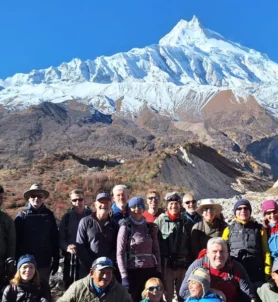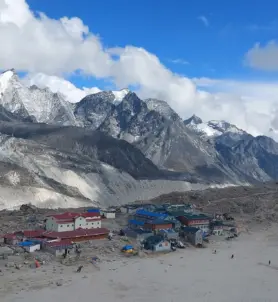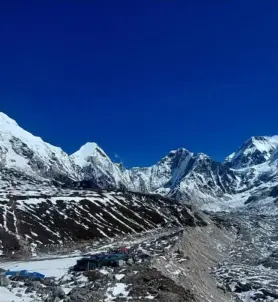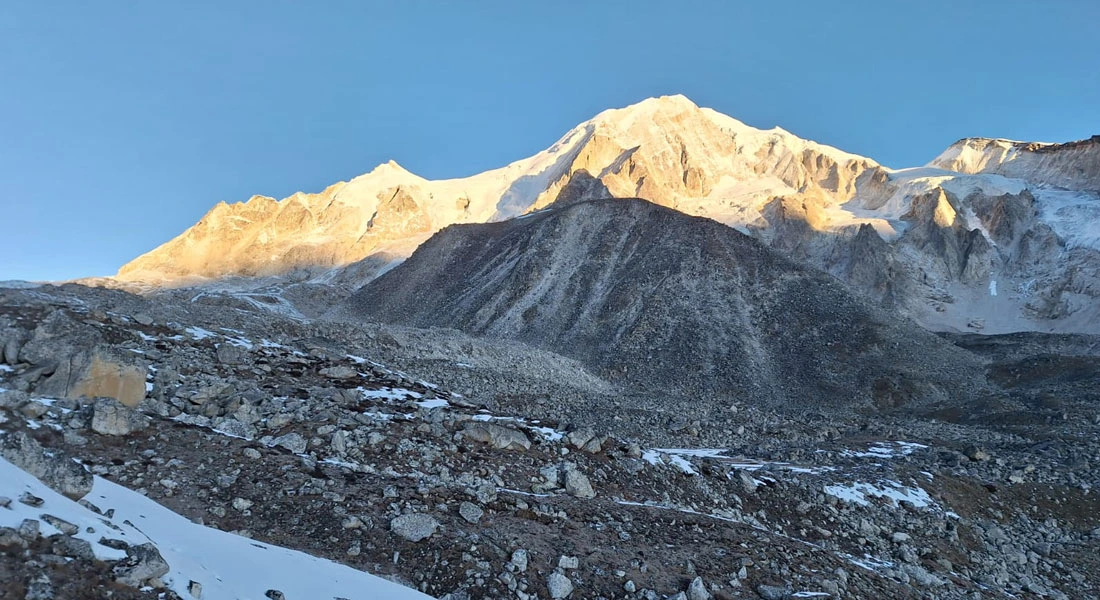


Manaslu Circuit Trek 11 days is a less crowded trekking route in Nepal, and Manaslu Trek is liked by many trekkers. Experience the breathtaking views of Mount Manaslu, Himalchuli, Ngadi Chuli, Shringi Himal, Langpo, and Shaula peaks from Manaslu Circuit Trek. It is an incredible high-altitude trek around Manaslu starts from Machha Khola, and trek all the way to Manaslu Base Camp and ends in Besishahar crossing Larkya La Pass.
Manaslu Circuit Trek is an authentic trek for enrich mountain culture and dramatic Himalayas. The trek is physically demanding extending from sub-tropical forests to alpine valley with stunning views of Mt Manaslu. The 11-day Kathmandu Manaslu Trek is a perfect trip for the trekkers with limited time to experience the beauty of Manaslu Himalayas.
Manaslu Circuit Tre conserves Tibetan culture, natural beauty, arts and architecture. You will travel a distance of 180 km, hiking through diverse culture, epic peaks and remote landscapes. The Manaslu Conservation Area Permit (MCAP), Restricted Area Permit(RAP) and Annapurna Conservation Area Permit (ACAP) are necessary for Manaslu Trek.
Like other treks in Nepal, Manaslu Circuit is a tea house trek with comfortable stay and delicious meals. At the end of Manaslu Base Camp, Birendra Lake and Larkya La Pass trek, it is possible to go to Pokhara and Chitwan from Besishahar.
The Manaslu Trek is filled of nature, culture and adventure, and also the best alternative to the Annapurna Circuit Trek. You are frequently encountered with prayer flags, mane walls and old monasteries on the trails. The trekkers should be physically fit for Manalsu Trek, the fourth most popular trekking in Nepal.
Manaslu Trek is an unforgettable adventures in the hidden Manaslu with Larkya La Pass. It is a good trek to take break from the hustle and bustle of the city. Kathmandu to Manaslu Trek is famous for its natural splendor from verdant meadows to snow-capped peaks. The captivating Manaslu Circuit Trek takes you through remote villages, dense forests and high mountain passes.
The Mount Manaslu Circuit Trek is well known for its isolated and pristine landscapes The villages you stay at Jagat, Deng, Samagaon and Samdo are the scenic hidden hamlets. The Short Manaslu Circuit Trek is stunningly beautiful trek around Mt. Manaslu (8163m), the 8th highest peak in the world.
Manaslu Circuit Trek 11 Days Itinerary
Day 01: Kathmandu to Soti Khola(710m)
Day 02: Soti Khola to Macha Khola(930m, 24km, 7/8 hours trek)
Day 03: Macha Khola to Jagat(1,410m, 23km,6/7 hours)
Day 04: Jagat to Deng(1,804m, 21km,6/7 hours)
Day 05: Deng to Namrung(2,630m, 20km, 6/7 hours)
Day 06: Namrung to Sama Gaun(3,530m, 22km,6/7 hours)
Day 07: Sama Gaun to Samdo(3,860m, 17km, 3/4 hours)
Day 08: Samdo to Dharmsala(4,460 m, 13km, 3/4 hours)
Day 09: Dharmsala to Bhimthang(3,700m) via Larkya Pass(5160m, 25km, 8/9 hours)
Day 10: Bhimthang to Dharapani(1860m, 30km, 6/7 hours)
Day 11: Dharapani to Kathmandu(1340m, 240km, 9/10 hours)
Manaslu Circuit Trek 11 days Package Cost
Manaslu Circuit Trek 11 days cost from $990 per person. We also offer group discount price based on group size as below.
Group of Pax 1: USD 1290 per person
Group of Pax 2-4: USD 1190 per person
Group of Pax 5-7: USD 1150 per person
Group of Pax 8-10: USD 1110 per person
Group of Pax 11 to 18: USD 1050 per person
Group of Pax 19 to 24: USD 990 per person
Accommodation for the Manaslu Circuit Trek
The Manaslu Circuit is a teahouse trek, meaning you’ll stay in simple, locally-run lodges along the trail. Each night, you’ll sleep in a basic room with two single beds, thin mattresses, and pillows.
While these teahouses offer an authentic mountain experience, the facilities are very modest. Toilets are usually shared and may be located outside the main building.
There’s no heating in the bedrooms, but the dining area is typically heated, often with a yak-dung or wood stove, providing a cozy communal space in the evenings.
Meals are available at the teahouses, with a standard menu offering dal bhat, noodles, soups, and basic international dishes. You’ll also stop at teahouses for lunch during the trek, except on acclimatization hikes from Samagaun and Samdo, where there are no teahouses en route. On those days, your guide will arrange for packed lunches to carry with you.
While amenities are basic, the teahouses offer a warm welcome, hot meals, and a great opportunity to interact with locals and fellow trekkers in the heart of the Himalayas
- Accommodation is on a twin-sharing basis
- The Private Room is available at an additional charge during checkout.
- The facilities in Dharmasala are limited before the Larke Pass
Teahouse Rooms
Typically small and basic with two single beds
Thin mattresses, pillows, and blankets are provided (but a sleeping bag is recommended)
Rooms may have wooden walls and minimal insulation
Electricity is limited; charging electronics may cost extra
Toilets and Showers
Shared toilets—mostly squat style, some Western style at lower altitudes
Toilets may be outside the main building, especially at higher altitudes
Hot showers are available in some teahouses for an extra fee (often gas or solar heated)
Water may freeze in pipes at higher elevations
Meals:
Food is ordered from a set menu with options like dal bhat, noodle soup, fried rice, momos, pancakes, and tea
Meals are made fresh, but ingredients become limited at higher elevations
Lunch is served at teahouses along the trail, except during acclimatization hikes from Samagaun and Samdo, where you’ll carry a packed lunch
Heating:
Bedrooms are not heated
The dining area is heated in the evenings with a stove, typically burning wood or yak dung. Everyone gathers here to eat, warm up, and socialize
Other Notes
Charging phones and cameras usually costs extra
Some teahouses sell snacks, toilet paper, and basic supplies at a markup
Wi-Fi may be available in some villages (for a fee), but it is often slow or unreliable
A teahouse on the Manaslu Circuit is a simple, locally run guesthouse found along the mountain trails. It offers basic accommodation, home-cooked meals, and a communal space where trekkers can relax and socialize after a day on the trail. Most teahouses provide twin-sharing rooms with beds, often with thin mattresses and blankets.
Toilets and bathrooms are shared, and you’ll find a mix of Western-style and squat-style toilets, depending on the village and altitude. While facilities are basic, teahouses offer a warm, authentic atmosphere and a much-needed shelter in the heart of the Himalayas.
Best time to Trek Manaslu Circuit
Spring Season (March to May)
Moderate temperatures ranging from 10-20°C during the day
Clear morning views with occasional afternoon clouds
Spectacular rhododendron and wildflower blooms
Less crowded trails compared to autumn
Spring transforms the Manaslu region into a vibrant landscape of blooming rhododendrons, alpine flowers, and lush greenery. With mild temperatures, longer daylight hours, and excellent visibility, it’s a great time for scenic photography and comfortable trekking. You’ll also share the trail with mountaineers heading to Manaslu Base Camp, adding a sense of adventure and energy to the route.
Late May can bring occasional pre-monsoon showers, especially at lower elevations. However, the trail remains navigable and the views, particularly around Samagaun and Shyala, are still spectacular.
Autumn Season (Sept to Nov)
Stable weather with clear skies and sharp mountain views
Comfortable daytime temperatures between 15-22°C
Festive atmosphere with Nepalese holidays
Slightly more crowded but still less busy than Everest or Annapurna
Autumn is widely considered the peak trekking season for the Manaslu Circuit. After the monsoon rains, the skies clear up, offering crisp mountain air and unobstructed views of Manaslu, Himal Chuli, and Ngadi Chuli. The weather is dry and stable, making it the safest and most scenic time to cross Larkya La Pass. Autumn also aligns with major Nepali festivals like Dashain and Tihar, providing an enriching cultural experience.
Trails and teahouses can be busier, especially in October. Booking your trek early with Magical Nepal ensures availability and a well-organized experience.
Winter (Dec to Feb)
Less Crowded Trail
Great for people who don’t mind the cold and want a quiet trail
The best time to trek the Manaslu Circuit is during the spring (March to May) and autumn (September to November) seasons. These periods offer the most stable weather, clear mountain views, and ideal trail conditions for crossing the high-altitude Larkya La Pass (5,167 m). Each season offers a distinct experience, so choosing the right time depends on your trekking goals and preferences.
If you prefer solitude and don’t mind the cold, winter trekking on the Manaslu Circuit offers snow-draped landscapes and crystal-clear views. With fewer trekkers, the trails feel more remote and peaceful, making it ideal for photographers and experienced adventurers.
Temperatures drop significantly, especially above 3,500 meters, and heavy snowfall may close Larkya La Pass. Some teahouses at higher altitudes may also close for the season.
Monsoon Season (June to August)
The monsoon season brings lush, green hills, vibrant wildflowers, and a mystical atmosphere with dramatic clouds. The trails are nearly empty, perfect for trekkers seeking a quiet, immersive experience.
Expect heavy rain, slippery trails, leeches, and the possibility of landslides. Cloud cover often obscures the mountains, and travel disruptions are more likely. This season is only recommended for experienced trekkers with a flexible itinerary.
Hence, for the best trekking experience, autumn (September–November) is the top choice for the Manaslu Circuit Trek, thanks to its stable weather, clear views, and ideal trail conditions. If you’re drawn to colorful landscapes and blooming forests, spring (March–May) is a close second. Winter and monsoon seasons are suitable for adventurous trekkers seeking solitude but require more preparation and flexibility.
Choose the time that best fits your adventure style, and we take care of everything from permits and experienced guides to reliable teahouse stays and safety on the trail.
A Typical Day on the Manaslu Circuit Trek
The day begins early to maximize daylight hours. After a night’s rest in a cozy teahouse, you’ll start with breakfast at the lodge, fueling up for the day ahead. The trail will lead you through diverse landscapes-from encountering mules on the path to traversing rocky terrains, crossing rivers, and wandering through forests, all while marveling at the majestic mountains.
The region’s proximity to Tibet means you’ll witness the influence of Tibetan culture, evident in the fluttering prayer flags and various Buddhist artifacts along the way.
The centerpiece of the trek is, of course, the magnificent Manaslu, surrounded by other awe-inspiring snow-capped peaks in this secluded area.
Lunch is usually enjoyed on the trail, in quaint eateries catering to travelers and trekkers. We might carry a packed lunch on certain days, depending on the route and conditions.
Dinner is served in the same teahouse where you’ll be staying. This is a wonderful time to bond with your fellow trekkers and guides. During dinner, your guide will brief you on the next day’s route, highlight any special points of interest, and answer any questions you might have. It’s customary to order your breakfast the night before, ensuring it’s ready when you wake up early the next morning, eager to embark on another day of adventure.
Cost and the Booking Process for the Manaslu Trek
Booking your Manaslu Circuit Trek with us is simple, fast, and fully flexible. Whether you’re a solo traveler or part of a group, we make it easy to confirm your adventure. You can either select a date from our Fixed Departure Calendar or choose a Private Trek on any date that suits you. All trips are guaranteed to run, regardless of the number of trekkers, so you can book with full confidence.
Food on the Manaslu Circuit Trek
On the Manaslu Circuit, your meals will be basic but soul-warming. You’ll appreciate every hot plate of dal bhat, each fresh pancake, and every sip of tea after a cold day’s walk. Just remember to eat plenty, stay hydrated, and carry a few extra treats to keep your energy and spirits high.
Breakfast Options
Porridge, Tibetan breads, Eggs, Pancakes, Muesli, Tea, Chapatis, Garlic Omelets, Oatmeal Porridge, Boiled Eggs, Boiled Potato, Swiss Rosati, Tibetan bread, Eggs, Pancakes, Muesli
Lunch and Dinner Options
Dal Bhat, Rice, lentils and veggies, Momo, Tibetan dumplings, Thukpa, Noodle soup, Chowmin, Fried, noodles, Macaroni/Pasta with egg or vegetables, Soups-Vegetable, garlic, Spring Roll with Egg, tuna or potato, Fried Rice with egg, vegetables, or tuna, Noodles with Vegetable, Egg, Spaghetti with Tomato Sauce, Fried Rice with egg or vegetables, Curry-vegetable, Egg, Potato
Food Safety Tips:
Stick to cooked, hot foods
Avoid meat at higher elevations
Dal Bhat is often the safest and most filling option
Drink only purified water
Meet Your Guide Before the Trek
Your Manaslu Circuit Trek adventure begins even before you set foot on the trail. The meeting day is when everything comes together-you’ll meet your guide, your trekking team, and finalize any last-minute details.
We’ll send you the exact meeting day details-including the time, date, location, and your guide’s contact number-one week before your trek departure date. This gives you time to plan and settle in before your adventure begins.
We will explain to you about the trek what to expect in terms of weather, accommodation, meals, and terrain. You will meet other trekkers in the group on this day. We will help you with any additional last-minute shopping. Your pickup time for the next day’s departure. Your transportation details (private jeep, public bus.
Amount of cash taking on the Trek
It’s better to carry slightly more than you expect to spend, in case of emergencies or extra rest days. Carry Nepal Telecom Sim Card If you are planning to use WIFI. All the Currency should be in Nepali Rupee.
We recommend carrying 15 to 20 USD-NPR 25,000 to NPR 35,000 (approximately USD 190–270) in cash for the Manaslu Circuit Trek, depending on your spending habits and whether you’ve added optional services like a personal porter or hot showers. Although your trekking package covers accommodation and all meals, there are still extra expenses along the trail:
Common Additional Expenses
Hot showers (NPR 300–500 per use)
Wi-Fi or charging devices (NPR 200–500 per session)
Snacks and drinks (tea, coffee, bottled water, soda, chocolate bars, etc.)
Souvenirs or donations at monasteries
There are no ATMs on the trekking route, and teahouses do not accept cards or digital payments, so all extra purchases must be made in Nepali Rupees (NPR). You should withdraw or exchange cash in Kathmandu before leaving for the trek. Know more about the Manaslu circuit trek cost.
Culture and Etiquette in the Manaslu Trek
Cultural Moments You’ll Remember Forever
Sharing tsampa or butter tea with a monk at Pungyen Monastery, high above the glacial valley.
Hearing chanting echo through the valley at dawn in Samdo.
Watching a child carry firewood twice their size while smiling up at snow-covered peaks.
Passing a local festival—like Tibetan Losar—and being invited to join in a circle of masked dancers and clanging cymbals.
The Manaslu Circuit isn’t just a trek—it’s a step into another world. Up here, in remote Himalayan villages carved into cliffsides and shadowed by snow-capped giants, time moves differently. The wind carries the sound of spinning prayer wheels. Stone trails are lined with ancient mani walls, and every fluttering flag is a prayer drifting into the sky.
This is the land of the Nubri people, whose lives are deeply rooted in Tibetan Buddhism. Their homes are made of stone, their temples filled with flickering butter lamps, and their hearts—warm, kind, and welcoming. In villages like Lho, Shyala, Samagaun, and Samdo, you’ll see monks in crimson robes, elderly women murmuring mantras, and children running barefoot across barley fields, all under the silent gaze of Mt. Manaslu.
But with this beauty comes responsibility. You’re not just a visitor here—you’re a guest in a sacred space. Walk to the left of the prayer walls. Spin the prayer wheels clockwise. Ask before taking photos. Dress respectfully, even on the trail—cover your shoulders and legs in villages. Take off your shoes when entering a home or monastery. And always, always carry yourself with quiet respect.
Here, every step is a chance to connect—not just with nature, but with people, stories, and a way of life that’s been preserved for centuries. Trek softly, speak kindly, and open your heart. The mountains will remember you.
Tipping Culture in Nepal
Tipping Guide and Porter
Tipping can be in any major currency
Tipping is usually done at the end of the trip.
We believe in fair and respectful recognition of the people who make your trek possible. While tipping is not obligatory in Nepal, it is a well-established custom, especially in the trekking industry, and deeply appreciated by guides and porters. These dedicated team members often go above and beyond to ensure your comfort and safety on the trail. As a show of gratitude, we recommend a tip of 10 to 15% of your total trip cost to be shared between your guide and porter. You can offer tips individually or pool them as a group — whichever feels more comfortable for you.
Important Notes for the Manaslu Trek
Common Areas
- Transport is by public bus. Please let us know if you wish to use private transport, which will involve an additional fee.
- There is no extra charge for a solo traveler. But please note that you can get a single room on the trek is highly unusual. Expect to share with someone (of the same sex).
- This trek does not include accommodation in Kathmandu. Please let us know in advance if you would like us to book this.
- Porters are not included in the package price. Please ask us before the trek if you wish for a porter to carry your gear. There will be an additional charge for this of USD 299.
- If you hire a porter, the maximum he can carry is 20kg. Please be respectful of this.
- Three main-course Meals on the trek are included in the price. However, hot or cold drinks, alcohol, snacks, or extra food are not included.
- Extra charges for hot showers ($3 to $5) and charging your battery ($1 to $3) are payable directly to the teahouse on the trek.
- Always listen to your guide. He has experience in this area, and if there are sudden changes to be made (because of weather or landslides), he will be responsible for making decisions.
- Drones are not permitted unless you have a special permit to fly them. Obtaining permission can be tricky, so leave it at home unless you need a drone.
- Please arrange trekking insurance before leaving your home country. We do not provide insurance for our clients.
- And finally, enjoy your adventure with us.
We recommend carrying between USD 15 to USD 20 daily on the trek. This will cover things like a hot shower and charging batteries. It will also cover the occasional soft drink or beer. It will not cover tipping your crew/guide. Know more about the Manaslu circuit trek cost
Porter for Manaslu Circuit Trek
Tips for Hiring and Trekking with a Porter
Tip fairly at the end of the trek if your porter offered good service, this gesture is deeply appreciated.
Pack smart and light. We’ll provide a comfortable duffle bag designed for the porter’s ease.
Carry your own day pack with essentials-2+ liters of water, sunscreen, camera, snacks, layers, first aid, and meds. Porters walk directly to the overnight stop, they won’t carry what you’ll need during the hike.
Be respectful. Porters are the backbone of Nepali trekking culture. By hiring them, you’re supporting families and local communities.
Safety and Security in Nepal and on the Manaslu Trek
Nepal is a warm and welcoming country, and generally safe for travelers. However, when you’re trekking in remote high-altitude areas like the Manaslu Circuit, it’s important to take sensible precautions. At Magical Nepal, we prioritize your safety and well-being at every step of your journey. Here’s how you can prepare for a safe and enjoyable trek.
Altitude Sickness on the Manaslu Trek
Trekking at high elevations always carries the risk of altitude sickness, or Acute Mountain Sickness (AMS). Common symptoms include headaches, nausea, loss of appetite, and dizziness. The key to avoiding AMS is proper acclimatization and hydration. Trek slowly, allow your body time to adjust to the altitude, and avoid alcohol and heavy meals.
If symptoms develop and persist, it’s important to inform your guide immediately. All of our guides are trained to recognize and respond to altitude-related issues. For a more detailed overview of AMS and how to manage it, please refer to our Altitude Sickness article.
Emergency Protocols
In rare cases, emergencies such as landslides, avalanches, or sudden illness can occur. In these situations, always follow your guide’s instructions. Our guides are trained in first aid and emergency response, and can coordinate the necessary steps, including helicopter evacuation if required.
We strongly recommend that you purchase travel insurance that covers high-altitude trekking and emergency evacuation, including helicopter rescue. This ensures peace of mind and immediate access to support if needed.
Health Precautions and Vaccinations
Before you travel, consult with your healthcare provider about vaccinations recommended for Nepal. These may include hepatitis A, typhoid, tetanus, and others based on your medical history and travel plans.
It’s also wise to carry a basic first-aid kit with essentials such as antiseptic cream, blister pads, rehydration salts, painkillers, and any personal medications you may need. While basic supplies are available in Kathmandu, it’s best to bring what you’re comfortable with from home.
Transport for Manaslu Circuit Trek
Transportation From City Streets to Himalayan Trails
We make your journey to and from the Manaslu region seamless and stress-free. Whether you prefer private comfort or the adventure of local travel, we handle all the logistics—so you can focus on the trek, the mountains, and the moments that matter.
Kathmandu to Maccha Khola (via Soti Khola) Distance
Your journey begins with a scenic and adventurous drive from Kathmandu to Maccha Khola, passing through Soti Khola. The distance is around 160 kilometers, and the road offers a mix of paved and off-road terrain through Nepal’s countryside.
- Private Jeep: Approximately 7 hours
- Local Bus: Approximately 8 to 9 hours
Private Transport Option
If you’ve opted for private transport, a jeep will pick you up directly from your hotel. Your guide will be with you from the start. We recommend starting around 8:00 a.m. to avoid city traffic and to allow time for a relaxed lunch en route. You can also enjoy a leisurely breakfast at your hotel before departure.
Local Bus Option
If you’re traveling by local bus, your guide will meet you at your hotel and escort you to the bus station via a short taxi ride. Buses typically leave between 7:00 and 8:00 a.m., and we will confirm the exact time during your pre-trip briefing. Since departure is early, we recommend that you request a packed breakfast from your hotel the night before.
Dharapani to Besisahar
At the end of your trek, your exit journey begins from the mountain village of Dharapani. From here, you’ll take a local jeep to Besisahar, which takes around 6 hours along winding mountain roads. We’ll pre-arrange this for you, so all you need to do is relax and enjoy the scenery. If you have booked private transport. We organize private transport locally because it is an off-road section
Besisahar to Kathmandu or Pokhara
Once in Besisahar, you have two options depending on your next destination:
To Kathmandu: Approximately 7 hours by jeep or local bus
To Pokhara: Approximately 5 hours by jeep or local bus
We will arrange transport to any destination required.
Difficulty and Physical Fitness Required for Manaslu Trek
Things to know
- You will start the trek from 800 m / 2624 ft
- You gain roughly 400 to 500 m / 1312 ft to 1640 ft a day
- There are two acclimatization days built into the itinerary
- This is a challenging trek. You should be physically fit.
- We had clients from 10 years to 70 years who did this trek
- We recommend you to train for this trek
- Simple twin-bed rooms (typically two single beds)
- Thin mattresses with pillows and blankets
- We recommend bringing your sleeping bag
Manaslu Circuit is a challenging trek, we do not recommend it for inexperienced trekkers. You should be in very good physical shape to tackle this trek. The high altitude makes it challenging for everyone, but it might be a real struggle for those who are unfit or have some medical problems. But if you are fit, this is a wonderful trek and will push you to achieve more.
Going above 3,000 m-3,500 m can cause some people to feel some effects of altitude. As you can see, this trek goes up to over 5,000m. But there is plenty of time on the trail and the two acclimatization days for our bodies to adjust to the height.
All our guides are well-experienced (with an average of 7 years of trekking experience each) and know what to look for and do if anyone is feeling unwell. Please tell your guide if you feel unwell at any stage of the trek.