Weather and Temperature Guide to Manaslu Circuit Trek
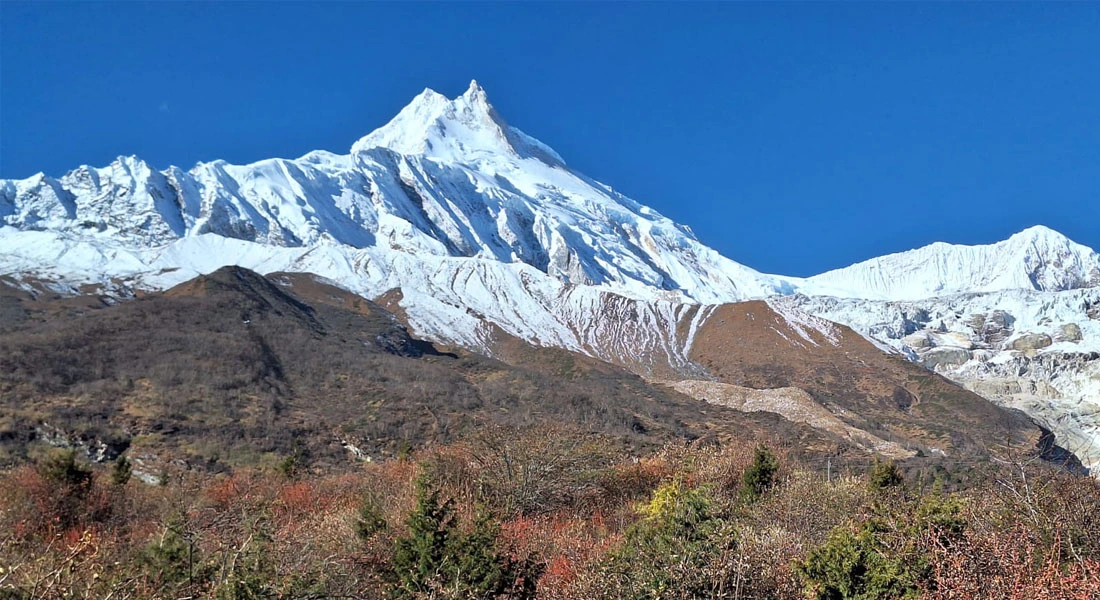
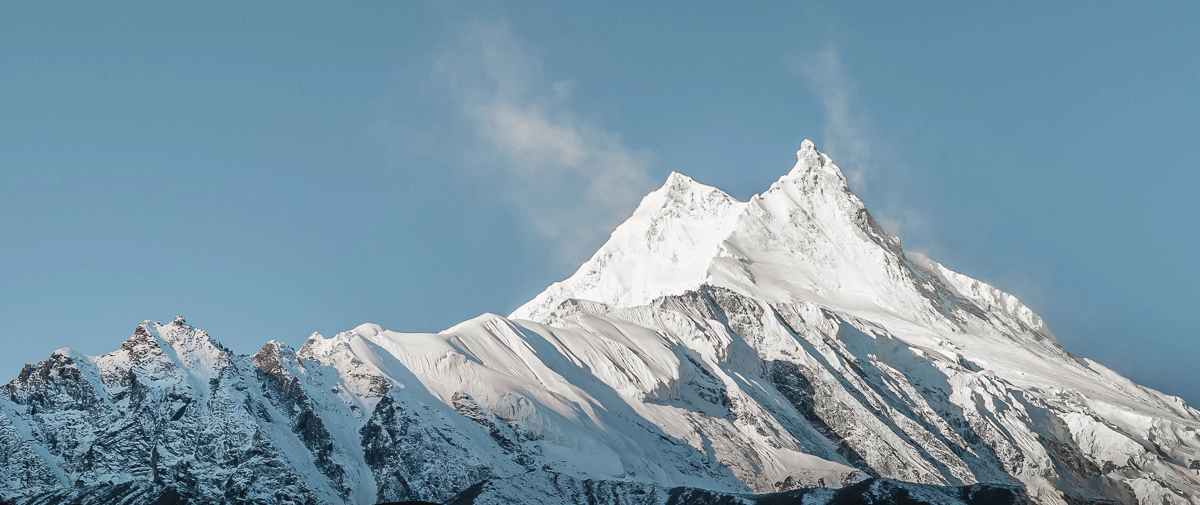
The best seasons for the Manaslu Trek are Autumn (September to November) and Spring (March to May), which offer the most stable weather, clear mountain views, and open teahouses.
Autumn (September-November): Widely considered the best time with crisp, clear skies, low humidity, and pleasant daytime temperatures.
Spring (March-May): Features blooming rhododendron forests, warmer weather, and longer daylight hours, though lower valleys can get a bit hazy.
Monsoon/Summer (June-August): Brings heavy rainfall, muddy trails, leeches, and landslide risks; not recommended for beginners.
Winter (December-February): Characterized by freezing temperatures and heavy snow at Larke Pass (Larkya La, 5,160m), making the route much harder and requiring specialized gear.
Temperature Range by Altitude and Season
Temperatures on the Manaslu Circuit vary drastically depending on an elevation and the time of year.
- Lower Valleys (700m-3,000m) from Machha Khola to Namrung)
Autumn/Spring: Day time 12°C to 25°C; and night time drops to 0°C to 8°C.
Winter: Daytime 5°C to 12°C and night time -5°C to -10°C.
Monsoon: Daytime 20°C to 28°C; and night time 10°C to 15°C.
- High Altitude and Larke Pass(above 4,000m-5,160m) from Samdo to Dharmasala)
Autumn/Spring: Day time 5°C to 12°C; and night time -5°C to -15°C.
Winter: Day time below 0°C; and nigh ttime -15°C to -20°C (or lower) with extreme windchill.
Manaslu Circuit 10-Day Trek Meals
Meals on the Manaslu Trek consist of simple, freshly cooked local and Western dishes served at teahouses along the route, with the menu becoming simpler and pricier as you gain altitude.
Porridge and Oatmeal: Served with sugar, honey, or fruit; great for energy at high altitude.
Eggs: Boiled, fried, scrambled, or made into omelets (though sometimes powdered or scarce near high passes like Samdo or Dharamsala).
Bread and Pancakes: Tibetan bread (fried flatbread), chapatis, plain or apple/banana pancakes, and toast with jam, butter, or peanut butter.
Cereals: Muesli or cornflakes with milk (often powdered milk higher up).
Dal Bhat: The staple meal consisting of steamed rice, lentil soup, seasonal vegetable curries, and pickles—usually with free refills.
Noodles and Pasta: Fried noodles, chow mein, thukpa (noodle soup), spaghetti, and macaroni.
Dumplings: Momos filled with vegetables or local cheese (meat is generally avoided above 2,500m due to a lack of refrigeration).
Potato Dishes: Fried potatoes, hash browns, French fries, and potato-based local recipes.
Dhindo: Traditional thick Nepali grain mash served with local curry.
Tea: Nepali milk tea (chiya), black tea, lemon ginger tea, mint, and green tea.
Coffee and Chocolate: Black or milk coffee and hot chocolate.
Water: Boiled water or treated tap/stream water (use purification tablets or filters; avoid untreated water).
Breakfast: $10–$12 USD per person.
Lunch and Dinner: $12–$15+ USD per person, increasing as you reach higher elevations where supplies are porter and mule-carried.
Daily Total Budget: Roughly $35 to $45 USD per day for standard meals and hot drinks.
Manaslu Circuit 10-day Trek Accommodations
Accommodation on the 10-day Manaslu Trek consists of a combination of city hotels at the start and end of the trip and basic, family-run teahouses and mountain lodges along the remote trail.
- Standard of Accommodations
Kathmandu (Start and End): Typically 3-star hotel stays (such as in Thamel) featuring proper beds, attached bathrooms, hot water on demand, and Wi-Fi.
Teahouses/Lodges on the Trail: Simple family-run stone, wood, and timber guesthouses.
Higher Elevation/High Camp (Dharmashala): Options become very limited near Larkya La Pass (Dharmashala), where lodges have few rooms and peak-season overflows may require staying in shared/tent camps.
- Teahouse Rooms Facilities
Bedding: Twin-sharing wooden beds with a foam mattress, a pillow, and a warm blanket per bed. Carrying a down sleeping bag is strongly recommended for colder high-altitude nights.
Heating: There are generally no heaters inside individual bedrooms. The central dining hall is usually warmed in the evenings by a communal wood- or gas-burning stove.
Bathrooms: Shared squat or western-style toilets located inside or just outside the lodge, becoming more basic as elevation increases.
Hot Showers: Available in lower and mid-village lodges (often heated via gas or solar) for an extra fee of roughly NPR 500 (~USD $4).
Electricity and Charging: Basic electricity or solar charging is available in lower villages, though expect to pay a small hourly or per-device fee. Wi-Fi is sparse or non-existent past the lower valleys.
- Estimated Cost of Teahouse Accommodation
On the Trek: Teahouse lodging typically costs between USD $10 and $15 per night per room though prices can vary.
Additional Daily Expenses: Expect to spend extra for meals, hot water, showers, device charging, and Wi-Fi, which scale up as you gain altitude.
Full Manaslu package treks: USD $800 to $1,100+ USD per person generally bundle permits, guide/porter fees, and standard teahouse stays together.
Manaslu 10-Day Trek Gears and Equipments
For a 10-day Manaslu Circuit Trek which reaches a high altitudes up to the 5,106 meter at Larkya La Pass, so you need a reliable layering clothes, cold-weather protection, and sturdy trekking gear.
Base Layers: 2–3 moisture-wicking synthetic or Merino wool thermal tops and bottoms.
Trekking Shirts: 3–4 breathable, quick-drying short or long-sleeve shirts (avoid cotton).
Trekking Pants: 2–3 pairs of lightweight, quick-drying hiking trousers.
Mid-Layer: Fleece jacket or lightweight soft-shell jacket for cool days.
Insulated Jacket: High-quality down or synthetic puffer jacket (700-fill to 800-fill) for freezing evenings and high passes.
Outer Shell: Waterproof and windproof shell jacket and rain pants (Gore-Tex or equivalent).
Underwear: 4–5 pairs of moisture-wicking athletic underwear.
Trekking Boots: Sturdy, waterproof, broken-in ankle-high hiking boots.
Camp Shoes: Lightweight sneakers, sandals, or slip-ons for tea houses in the evening.
Socks: 4–5 pairs of moisture-wicking hiking socks plus 1–2 pairs of thick thermal/wool socks for cold nights.
Gaiters: Useful for keeping out dust, mud, or snow/ice on upper sections.
Microspikes/Crampons: Lightweight boot spikes for slippery or icy patches near the pass.
Warm Hat/Beanie: For cold mornings and nights at high altitudes.
Sun Hat/Cap: Wide-brimmed hat or visor for lower, sun-exposed valleys.
Buff / Neck Gaiter: Multi-purpose protection against wind, dust, and cold.
Sunglasses: UV-protection or glacier-rated sunglasses (essential for snow glare).
Gloves: Lightweight inner fleece gloves plus outer waterproof/windproof insulated gloves or mittens.
Sleeping Bag: Four-season sleeping bag rated comfortably to -10°C to -15°C.
Sleeping Bag Liner: Thermal liner for extra warmth and hygiene.
Duffel Bag: 90L large duffel bag (if using a porter; often provided by your trekking agency with a 10–20 kg weight limit).
Daypack: 30–50 liter backpack with a built-in rain cover to carry your daily essentials (water, extra layer, camera, cash).
- Accessories and Electronics
Trekking Poles: Adjustable pairs to reduce joint impact on steep descents.
Headlamp: Reliable headlamp with extra batteries.
Water Bottle / Hydration Bladder: 2-liter capacity plus chemical purification tablets, a SteriPEN, or a filtration bottle (LifeStraw/Sawyer).
Power Bank: High-capacity power bank (charging electricity is expensive and limited in remote teahouses).
Quick-drying Towel and Toiletries: Biodegradable soap, wet wipes, hand sanitizer, toilet paper, and high-SPF sunscreen plus lip balm with SPF.
- First Aid and Personal Meds
Personal First Aid Kit: Blister plasters (Compeed), antiseptic wipes, painkillers, anti-diarrheal meds, rehydration salts, and altitude sickness medication (Diamox/acetazolamide after consulting a doctor).
Cash: Sufficient Nepali Rupees in cash (no ATMs operate past Machha Khola).