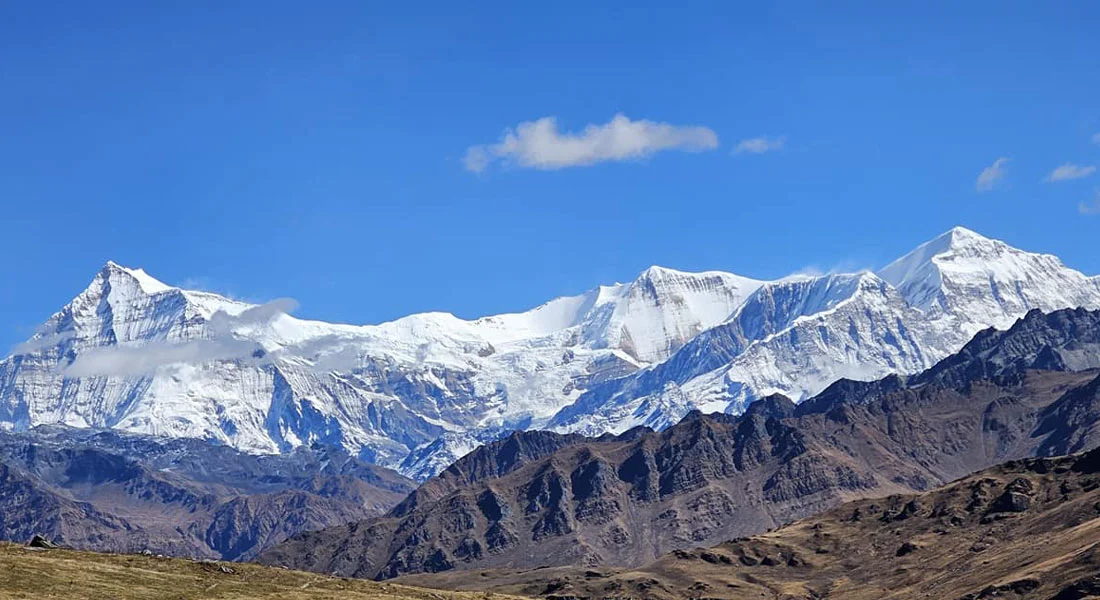
Dolpo package trek cater full information of lower and upper dolpo trek and tour itinerary with prices. Dolpo Trekking is a remote region in the western Nepal with beautiful Shey Phoksundo and Shey Gompa. Dolpo Trek is untouched, peaceful, and beautiful land in the Himalayas, perfect trip for peaceful adventure lovers.
Dolpo is an unexplored paradise in the trans-Himalaya region of Nepal. The nature, amazing landscapes and serene beauty of Dolpo-lower and upper dolpo trek that resembles the “Roof of the world”- Tibet. Dolpo is a land behind the clouds, the best trekking in the far western part of Nepal.
Dolpo Package Trek Routes
The attractions of Dolpo Trek are a stunning scenery and mystical gompas, apart from it is remote, little trekked and seemingly largely unchanged. Dolpo is culturally still tied to Tibet, its hardy people retain a traditional way of life, reliant on agriculture, animal husbandry and trading. The Dolpo-pa are some of the few remaining practitioners of shamanism and Bon religion, the earlier form of Tibetan Buddhism.
You will walk around 230km from Juphal to Kagbeni in the Kali Gandaki valley in 19-25 days. The first few days followed the sparkling river that threads its way through pine forest draining Phoksundo Tal, an impossibly blue lake and Nepal’s second deepest at 145m.
Beyond the lake, the trail leads onto the upper river valleys and the high Donung La (5310m) pass guarding the approach to Upper Dolpo, Shey Gompa and Crystal Mountain. Shey means crystal which refers to the calcite veins that striate the upper tiers of the mountain. Such crystal is auspicious and many cairns have a collection of these white rocks on them.
A rest day at Shey was followed by a day and a half’s walking over our next high pass, the Shey La (5100m) to Namdung village, then down to Saldang, the largest village in Upper Dolpo surrounded by a mosaic of ripening barley and buckwheat fields awaiting harvest.
Several of the schools you will pass, supported by western educational charities. Apart from the regular government curriculum, schools also teach their mother tongue (Tibetan), basic traditional skills and arts together with other aspects of Tibetan culture. Due to the extreme weather conditions, the schools can only function for six months each year, from May to October.
From Saldang, the routes past Khoma Gaon and along the unspoilt Panjyang valley heading for the villages of Shimen, Phalwa and Tinje before a long section of wild terrain to another high pass, the Mo La (5027m), past the ancient chortens at Phalwa to the medieval village of Chharka Bhot.
Chharka is a settlement of high walls and narrow twisting streets, it is more like a fortress. No surprise then that it is selected for the location of the Dolpo village in Eric Valli’s 1999 movie Himalaya, which you have to take a look at.
Unlike many other villages in the Dolpo region, Chharka Bhot has limited farmland and the villagers live more of a nomadic life. They spend most of their time with their yaks and goats, moving from place to place seasonally. After cultivating their farmland during May to June, they shift to their summer pasture beyond the Mo La pass for two and half months. This keeps many of the children away from their school which presents an educational challenge.
Chharka Bhot has a long tradition of Bon religion dating back to the 12th century and the present-day gompa is the third monastery situated in the village, constructed in 1988 using timbers from the previous building. The monks in residence gave us access to the main prayer hall which was lit by an array of oil lamps lighting up the deities wreathed in orange silks.
Beyond Chharka, you will trek along a beautiful wild valley drained by the Thasan Khola with warm autumnal colors glowing above the crystal stream. The river is followed for another day to a higher camp at 4900m at a site used by local herders which set us up for the next day’s crossing of the Jungben La, our highest pass at 5557m.
We may have a frost overnight and some fresh hail, but the chilly weather which shrouded the mountains in mist gave very photogenic conditions as the sun slowly burned it off, bringing some snow-capped 6000m peaks into view, before the mist closed in at the pass itself as you cross into Mustang. Two more camps bring you to our last pass and a view down into the broad flood plain of the Kali Gandaki, where the town of Kagbeni awaited.
Highlights of Dolpo Package Trip
Shey Gompa-An idea as much as a place, the mythical Shey Gompa and nearby Crystal Mountain became a part of Himalayan folklore for many westerners after Peter Matthiessen wrote so lyrically about it in his book, The Snow Leopard. The monastery and its treasures remain remote, hidden behind the furthest Himalayan peaks, like some Shangri-La.
Phoksundo Lake-Nepal’s most beautiful lake is surrounded by pine forests and its shores are dotted with Bön monasteries (the original religion of much of highland Nepal, which predates Buddhism and buzzing with wildlife.
Do Tarap-Time has stood still in this valley. Its villages, ochre and white gompas and monasteries are all reminiscent of the Tibet. And when you watch a mule caravan laden with goods from the northern border descend from the high passes, you’ll realize that you’re in a very special corner of Nepal.
Adventure-Perhaps no other region in Nepal offers such scope for wild adventure as Dolpo. Few foreigners walk the trails here and in many cases there’s still a sense of blazing your own routes — especially when undertaking the epic month-long walk from Dolpo to Jomsom (Upper Mustang) along the roof of Nepal.
Village life-Meeting the locals of Dolpo is as much an adventure as straining your lungs to cross the high passes. It’s a real ethnic and religious puzzle out here: One valley will be traditional Tibetan Buddhist; the next, ancient Bön, and some of the lower southern villages will be Hindu.
Dolpo Package Trip Difficulty
Dolpo Trek: Lower and Upper Dolpo has moderate to challenging difficulty trek is suitable for adventurers of all levels. It offers an unforgettable journey into the heart of Nepal’s wilderness. Some passes may still be blocked with snow and impossible to cross in the early spring. Be prepared to have to change route if necessary. Snow gear will be required in early March, perhaps right through to mid-April. From mid-April the weather and conditions are perfect and suitable for those with no technical/ snow trekking experience. Temperatures will vary at this time from -10 C to 13 C (minus 10 over the high passes)
The trails will be dry. Monsoon weather conditions in the lower regions of the country might cause flight delays however. Local facilities may be closed during part of this period and consideration should be given to this fact. Temperatures will vary from around -4C to 17C (minus 4 over the high passes)
By November, the snows will be arriving again making some of the passes impossible to cross. Plan accordingly. But it is unlikely to have snow in September and October. Temperatures will vary from around -3 C in September over the high passes to -11 C in November over the same passes. Average temperatures at lower altitudes will range from 20C to 14C as the autumn progresses into winter.
Trek in Upper Dolpo in the winter is pretty much impossible. Temperatures will fall below minus 14C at higher elevations. A high level of fitness, stamina and determination is required for the trek. You will need to walk over the high pass (5,000+) and trek along the remote terrain for several days.
Permits for Dolpo Package Tour
The special RAP (restricted area permit), National Park Entry Permit and TIMS card are necessary for Dolpo Trek. The RAP trek permit is varied, and the cost ranges from USD 20 per week to USD 500 for 10 days from Lower to Upper Dolpo Trek. For national park entry fee, it costs USD 30 per person and TIMS card entry permit it costs USD 20. The permit we will issue on your behalf. For this we need your original passport with Nepal visa stamp and two photographs.
Season for Dolpo Trekking
Dolpo region is in the rain shadow area of Nepal that means behind the Himalayas. May to October are the best time trek to Dolpo. Winter season is not a good time trekking around Dolpo.
Dolpo Trek in Spring
Spring is a good time to trek to Dolpo, the late snow fall may block the pass. Trek to Dolpo in mid of April is a perfect time. May is a good season where greenery starts gradually and people return from the cities like Kathmandu, Nepal and Nepalgunj.
Dolpo Trek in Summer
Summer is the best trek to Dolpo as is under the rain shadow area of Nepal. The weather is not really cold neither too hot, suitable for trekking. But the challenge is that flight from Nepalgunj to Juphal may get cancelled due to the cloudy weather. It is nice to keep 1 to 2 days extra, in case of the flight cancel and delay due to bad weather.
Dolpo Trek in Autumn
Autumn is the best season trekking in Nepal. Many trekkers and visitors come to Nepal at this time of the year. Hence, the autumn season for trekking in Dolpo is best from late September to mid-November.
Dolpo Trek in Winter
Winter is not recommended for trekking in Dolpo. The high passes of Dolpo are blocked by snow and no one cross them until the mid-spring season. You can trek to Phoksundo Lake in the winter season but a well experienced guide and good weather is necessary. Winter season in Nepal begins from mid-November until mid-late of March.
Guide necessary for Dolpo Trek
While it is not possible to trek in Dolpo region independently, hiring a local guide and porter is highly recommended. They can provide valuable insights into the culture, navigate trail and ensure your safety and comfort throughout the journey.
Dolpo Trek: Accommodation
Dolpo Trek accommodation is not as good as Everest, Annapurna and Langtang. There is basic teahouse accommodation which is basic and simple in the Dolpo Trek. A few have electric lights and all have a spacious dining room-lounge. Teahouse and home stay trek is possible for small group trek but big group trekkers, you need to do camping trek (tented camp trek. In camping trek, the camping equipment, kitchen implements, food is all carried by pack animals like mules, Yaks, and horses. Our trekking team set up tents, cook dinner, lunch and breakfast. After six hours in the mountains, no drink will ever taste sweeter. For dinner, the cook will usually prepare a buffet of dishes that are as welcome as they are delicious.
Packing Lists for Dolpo Package Trips
Please pack pretty light and manage to wash most of your clothes each afternoon/night for the first half of the trip. In the latter stages of the trip, it is pretty cold and wear warm gear basically nonstop while at the teahouses. There will be no real need for multiple outfits. This is just a guide and it works quite well. You need a sleeping bag as there are not blankets in each guesthouse and when gets cold you also need a good down jacket. Below is a list of suggested items that you should bring while going for Dhaulagiri trek.
1 Backpack
1 Sleeping bag and sleeping pad
1 Water bottle or hydration bladder
1 pair of trekking poles
1 pair of trekking boots
Trekking clothes (pants, shirts, jacket, etc.)
1 pair of pants that maybe convert to shorts
1 pair of shorts
1 Warm or thicker pair of hiking pants
1 Long sleeve quick-dry shirt
1 Long-sleeve thermal shirt
2 Short-sleeve t-shirts
1 Thermal long underwear
4 pairs of quick-dry underwear
1 Lightweight down jacket
1 Heavy-duty summit down jacket
1 Beanie
1 Cap
1 Sunglasses
1 Neck Buff
1 Gloves
1 Head Lamp
Micros pikes
1 pair Gaiter
1 pair of warm summit socks
2 pairs of regular socks
1 Sunscreen
1 Trekking poles
1 Water filter
1 Power bank
Toiletries
Personal first-aid kit
High-energy snacks and meals
Map and compass
Camera
Lower and Upper Dolpo Package Cost
The Dolpo Trek cost ranges from USD 1850 to USD 4550, it depends on the length of trek and the services. Basically, the price covers your transport, accommodation, food, guide fees, porter and trekking permit fees. Any kind of drinks such as beer, snacks, hot showers, recharging your phone or camera, tipping the guide and porter are not included in the package price.
Meals on Dolpo Package Trek
You will find a quite basic meals in Dolpo Trek such as Dalbhat, bread, noodle soup, boiled Potato tea or coffee. You will not get varieties of meals like treks in Nepal such as Annapurna and Everest. The Dolpo Camping Trek is a great trek for food lovers. There are plenty of options for food on the trek, from simple snacks to full-course meals. The following are some of the food options available on the Dolpo Trek.
Simple snacks: There are plenty of simple snacks available on the Dolpo Trek, such as biscuits, energy bars, and fruits. These snacks will give you a quick boost of energy and are perfect for when you need a quick snack.
Full-course meals: If you want something more substantial, there are also full-course meals available on the Dolpo Trek. These meals usually include rice, vegetables, meat, and soup. They are perfect for when you need a hearty meal to fuel your trekking adventures.
Local specialties: If you want to try something truly unique, be sure to try some of the local specialties available on the Dolpo Trek. These dishes are usually made with local ingredients and offer a delicious taste of Nepal.
Drinks: It is important to stay hydrated during the trek, so be sure to stock up on plenty of non-alcoholic drinks. These can include energy drinks, soft drinks, and fruit juices.
Alcoholic drinks: If you’re feeling adventurous, there are also some local alcoholic beverages available on the Dolpo Trek, such as raksi and chhang.
Travel Insurance for Dolpo Trek
Travel Insurance is necessary for both lower and upper Dolpo Trek. In case of unforeseen incident or accident, you might require medical assistance and evacuation which might be expensive; it is wise to get insured that covers the costs of air ambulance and treatment. Make sure your insurance covers all the travel related risks – like stolen, damaged or delayed baggage, interruptions and flight delays.
Tips to guide and porter
The guide and porter will expect a tip. This can reflect your overall satisfaction but it should be in the region of USD 200 for the guide, USD 150 for a porter. This amount is shared between the trekkers in your group.
Safety
You have already done the groundwork regarding the safety record of the trekking company, and you have bought your insurance. The guide will be carrying a first aid kit. But we recommend you also carry your own, particularly if there are special medicines you require. Probably the most common injury on a trek is a sprained ankle or sunburn. But you should also take into consideration altitude sickness.
Altitude Sickness
This is not something we can predict. It is not known why some people suffer while others do not. It has nothing to do with age or fitness level. Pushing ahead too quickly, climbing too high too fast can result in problems. AMS or Acute Mountain Sickness occurs when we ascend too quickly. Normally at altitudes 3,000m/ 9,840ft or over.
What does it feel like?
Headache, shortness of breath and light-headedness. These are also related to being dehydrated. Stay hydrated and your body will most likely adjust to the altitude itself.
What if it gets worse?
- If the symptoms continue, tell your guide. Especially if you are suffering from:
- Difficulty in sleeping.
- Need an unusual amount of sleep.
- Loss of appetite.
- Vivid dreams.
- The need to rest/ catch your breath frequently, especially above 3,500m/ 11,483ft.
- Runny nose.
- Need to pee more.
- Dizziness.
Altitude sickness can vary between mild symptoms and more serious stuff. Mild symptoms should clear up themselves with drinking lots of water, walking slowly and taking rest. More severe symptoms are a sign you must descend immediately.
Dolpo Trek Add-on Treks
It is possible to combine Dolpo Trek with other treks such as Mustang, Jumla, Rara Lake, Dhorpatan and Phoksundo Lake.
Dolpo Trek: WIFI and Mobile Network Access
Only a few locations in the Dolpo area have a mobile phone signal. However, few settlements have a satellite phone for emergencies. But some lodges in the Dolpo area provide wireless Internet access for an extra charge only at Dunai. If you want to carry a 4G sim card with an Internet pack, we recommend Ncell. In Kathmandu, you can get an internet package for less than USD 10. Make sure you have one of these before you go.
Conclusion
Dolpo is unique – the landscape is other worldly, Dolpo-pa culture is very different. Hence, the trek to Dolpo: Upper Dolpo and Lower Dolpo offers an unforgettable varied experience too, contrasting the hustle and bustle in the Kathmandu valley with the peaceful solitude of this beautiful landscape, the ancient Tibetan culture and traditional way of life still little penetrated by modern technology. But the hardy Dolpo-pa people maintain Nepal’s renowned friendliness to visitors, all overlain with a placid layer of religious devotion. Why do you late for trekking in Dolpo either it is lower Dolpo or Upper Dolpo Trek.
The entire Dolpo region is still remote and famous for yak herders and Bon practitioners. Dolpo is one of the few destinations in the world, it conserves old Tibetan culture, monastery and civilizations. Dolpo is still untouched by the modern world.
 Talk to Expert