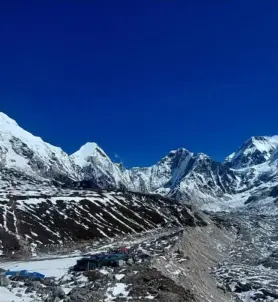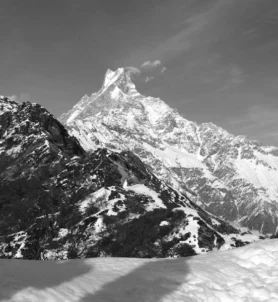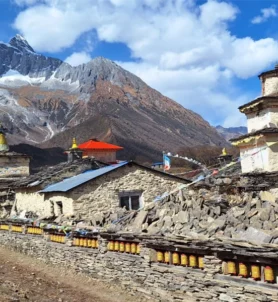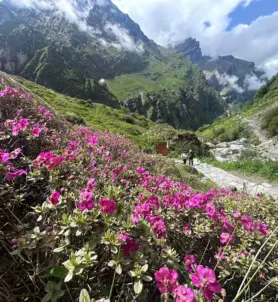


The thrilling Annapurna Circuit Trek 12 days explore breathtaking landscapes, vibrant cultures, stunning Himalayas and adventure pass. You will travel around 160 km in a 12-day Annapurna Circuit Trek, reaching its highest point Thorong La Pass at 5,416 m.
Experience the Annapurna Circuit Trek 12 days with expert guides, crossing Thorong La Pass and visit Muktinath temple with breathtaking Himalayan scenery. Annapurna Circuit Trek 12 days itinerary offers a rich cultural experience, outstanding Himalayan views, and epic landscapes.
You will walk through the dramatic landscapes of remote valley and snow peaks. Autumn (September-November) and spring (March-May) are the best time to trek Annapurna Circuit. A cheap Annapurna Circuit Trek 12 days package ensures a smooth travel experience for all level trekkers.
You will trek through the multi-ethnic villages, monasteries, valleys, rivers, and alpine pasture with mountain vistas. The Annapurna Circuit Trek is one of the best classical route to a challenging high pass Thorong La Pass at 5,416m.
The Annapurnas Circuit Trek requires a good physical fitness and a proper acclimatization in Manang is helpful to reduce the risk of altitude sickness. The Annapurna Conservation Area Permit (ACAP) and the Trekkers’ Information Management System (TIMS) card are necessary.
The Thorong La Pass is the highest point of the trek. Muktinath Temple is a major cultural and religious sites of Nepal. The 12-day Annapurna Circuit Trek is physically challenging due to the steep ascents, descents, and high adventure pass. Regular fitness is helpful to do this trek. The Annapurna Circuit trek is full of picturesque landscapes and the Himalayas.
A 12-day Annapurna Circuit Trek is also known as Mini Annapurna Circuit Trek with Thorong La Pass at 5416m. The beautiful trekking around Annapurna circuit is a must do trek in Nepal for a life time experience. The valleys, lakes, glaciers and high passes offer you a great sense of adventures.
Annapurna Circuit Trek 12 days Itinerary
Day 01:Kathmandu – Besishahar – Ngadi (1000m)
Day 02:Nadi – Jagat (1100m, 5 hours)
Day 03:Jagat – Dharapani (1960m, 7/8 hours)
Day 04:Dharapani – Chame (2710m, 5/6 hours)
Day 05:Chame – Pisang (3300m, 5/6 hours)
Day 06:Upper Pisang – Manang (3500m, 6/7 hours)
Day 07:Manang
Day 08:Manang – Yak Kharka(4110m, 3/4 hours)
Day 09:Yak Kharka – Thorong Phedi(4600, 3/4 hours)
Day 10:Thorong Phedi – Thorong La – Muktinath(3800m, 7/8 hours)
Day 11:Muktinath – Tatopani(2135 m, 4 hours)
Day 12:Tatopani – Pokhara (2800m)
Annapurna Circuit Trek 12 days Package Cost
Annapurna Circuit Trek 12 days cost from US$ 690 per person. We also offer group discount price based on group size as below.
Group of Pax 1-4: USD 1150 per person
Group of Pax 5-10: USD 1050 per person
Group of Pax 11-15: USD 950 per person
Group of Pax 16-20: USD 850 per person
Group of Pax 21-40: USD 810 per person
Upon Arrival in Kathmandu Nepal
You will land at Kathmandu Airport, and upon arrival, we receive you at the airport with a warm smile and help you with your bags and take you safely to your hotel. If you haven’t booked a hotel yet, we can recommend one to suit your needs.
Stay in Kathmandu from Boutique to Budget hotels
In Kathmandu, you can find many places to stay. Most hotels and guesthouses are in Thamel, a fun area with shops, cafes, and music. There are fancy hotels, cute boutique hotels, and cheap guesthouses too. You can choose what you like — comfy, stylish, or simple. No matter your budget, you will find a nice place to stay in Thamel to sleep and relax!
Explore Kathmandu-A City of Culture and Contrasts
Kathmandu is a busy and colorful city full of amazing places to see. You can visit Swayambhu Stupa, also called the Monkey Temple, where you see monkeys and a big stupa on a hill. You can go to Boudhanath Stupa, one of the biggest stupas in the world. It has colorful prayer flags and peaceful vibes.
Pashupatinath Temple is a famous Hindu temple by the river. You can see holy men and ancient shrines here. Besides temples, you can walk around Thamel for shopping, eat at nice cafes, or see old palaces like Kathmandu Durbar Square.
Nepal Tourist Visa On Arrival
Most nationalities can get the Nepal visa on arrival. Complete the online visa application at the Immigration Department of Nepal’s website before you fly. Print the form and bring it with you. Carry exact USD cash for the visa fee, no change is given. Visa Fees are such as 15 Days multiple entry-$30 USD, 30 Days-$50 USD and 90 Days-$125 USD. You’ll breeze through immigration and be out exploring in no time.
- Airport pickup available-pre-book via form
- Stay in Thamel-best for access and support
- Visa on arrival-apply online, bring USD cash
Cozy, Rustic, and Full of Character Teahouses on the Annapurna Circuit Trek
Teahouse Rooms
- Typically small and basic with two single beds.
- Provided thin mattress, pillow, and blanket (bring a sleeping bag for warmth)
- Rooms often have wooden walls with minimal insulation.
- Electricity is limited, charging phones/power banks may cost extra.
- No heating higher altitude rooms can get very cold at night.
Toilets and Showers
- Shared toilets, mostly squat-style, some Western-style in lower areas
- Toilets may be outside the main building, especially at higher altitudes
- Hot showers available in some teahouses for an extra fee (solar or gas-heated)
- At high elevations, water may freeze in pipes, limited availability
- Bring toilet paper and hand sanitizer, often not provided
Meals
- Meals are served at teahouses in every village along the trail.
- Dal Bhat (rice, lentils, vegetables) is the go-to meal, often with free refills.
- Vegetarian food is safest, especially at higher altitudes like Manang or Thorong Phedi.
- Meat is best avoided above lower villages (after Chame) due to poor refrigeration.
- Food variety is better in lower areas like Besisahar, Chame, and Jomsom.
- Hot drinks and snacks are available throughout but become costly as altitude increases.
Heating
- Rooms are not heated, expect cold nights, especially at higher altitudes.
- Dining areas often have a central stove (wood or yak dung) used in the evening.
- Heating is limited to common areas, no personal room heaters.
- Carry a warm sleeping bag and dress in layers for comfort.
- Fuel is scarce at high altitudes, so heat is conserved and used sparingly.
Mindful Tips before the Annapurna Circuit Trek
- Basic lodges found in every village along the trail.
- Rooms are small with two single beds, thin mattress, pillow, and blanket.
- No heating in rooms; dining area may have a central stove (evenings only).
- Shared toilets, squat style common, Western style at lower elevations.
- Hot showers available in some places for an extra fee (solar/gas-heated).
- Meals served in the teahouse-Dal Bhat, noodles, soups, pancakes, tea.
- Electricity is limited, charging devices may cost extra.
- Higher altitude, a fewer amenities and higher prices.
- Bring essentials-sleeping bag, toilet paper, headlamp, power bank.
- Wi-Fi may be available in some villages (for a fee), but it is often slow or unreliable.
- Your mountain home each night comes in the form of a “teahouse”, Nepal’s answer to rustic mountain lodges. While some are basic, many on the Annapurna Circuit Trek especially in more accessible areas, offer increasing levels of comfort, from warm dining halls to attached bathrooms.
Practical Tips for Teahouse Living in Annapurna Circuit Trek
- Hot showers are not free. Expect to pay $2–$5 USD per shower. Always notify staff in advance.
- Power sockets for charging devices are usually found in the dining room and cost $2–$5 USD per use.
- Wi-Fi is not free and varies in strength. In some areas, it may not be available at all.
- Avoid entering the kitchen even if you see guides in there, guests are expected to remain in the dining area.
- Order as a group if possible, this helps the kitchen prepare meals faster, especially during busy seasons.
- By planning ahead for clean water and cozy nights, your Annapurna Circuit Trek becomes less about logistics and more about the mountains. After all, it’s not just the peaks you’ll remember, but the warmth of a fire-lit dining room, laughter shared over dal bhat, and that first sip of safe, cold mountain water after a long day’s hike.
Food/Meals on the Annapurna Circuit Trek
Breakfast Options
Porridge, Tibetan bread, Eggs, Pancakes, Muesli, Noodles, Coffee/tea
Lunch and Dinner Options
Nepali Dal Bhat, Rice, lentils and veggies, Momo, Tibetan dumplings, Apple pie, Sweet trail dessert, Chowmein, Fried noodles, Fried Rice with egg or vegetables, Soups, Vegetable, garlic, Thukpa, Tibetan soup with flat noodles and Rice Pudding
Drinks Options
Tea, Coffee, Soft drinks, fruit juice, beer, water, hot chocolate
Tips for food safety
- Hot meals only-Freshly cooked and steaming to avoid contamination.
- No meat high up-No meat at higher elevations due to poor storage and hygiene.
- Dal Bhat wins-Safe, filling and often with free refills.
- Purified water only-Always use tablets, filters or boiled water.
- Snacks-Nuts, dried fruits, bars and chocolate are great energy boosters.
- veggie-Easier on the digestion and safer in remote areas.
- Adjust spice level-Ask for mild if you’re spice sensitive cooks can accommodate.
- Eat regularly-Don’t skip meals — steady fuel helps with altitude performance.
- Mind dietary needs-Veggie is easy; for vegan, gluten free or allergy specific diets bring extras and inform your guide in advance.
- Eating good food is important on your Himalayan trek and it’s part of the adventure too!
On the Annapurna Circuit Trek, every meal helps you rest, get energy, and enjoy the mountain life. You can eat big plates of Nepali dal bhat (rice, lentils, and veggies), warm Tibetan bread, and even yummy apple pie in small bakeries up high. The food is simple but tasty. It keeps you warm and happy as you walk through the mountains.
On the Annapurna Circuit Trek, your breakfast, lunch, and dinner are included every day. We eat at cozy teahouses, where you sleep at night and eat warm meals by the fire. Breakfast and dinner are at your teahouse. Lunch is on the trail at a small stop where you can rest and eat tasty food. If you want a snack, a soft drink, or a beer, bring some extra money because these are not free. It’s fun to buy a little treat.
When you reach Pokhara, your hotel stay is included, but dinner is not. Because many trekkers love to walk around Lakeside Pokhara and try yummy food at cafes, bakeries, or restaurants. It’s your time to celebrate after your trek.
If you are vegetarian, don’t worry-there are lots of veggie meals in Nepal. If you are vegan, food choices are smaller. Tofu is sometimes there, but plant milk is hard to find in the mountains. If you got allergies, just tell to your guide. He will tell the teahouses so you can eat safely.
Drink Safe, Stay Strong on the trek
- Walking in the Himalayas means you must drink lots of clean water and sleep well to stay healthy.
- Mountain streams may look clear, but don’t drink from them without cleaning the water first.
- Drink safe water
- Bring a LifeStraw, SteriPen, or water-purifying drops.
- Wait 30 minutes after treating water.
- Plastic water bottles are banned to help the environment.
- Bring a refillable bottle or camelback.
- Drink at least 4 liters of water every day to stay strong at high places.
Sleep Well on the trek
Teahouses have simple beds, warm blankets, and food to help you rest after a long day. Sleeping well and drinking water every day makes your trek safe and fun!
Best Seasons for Annapurna Circuit Trek
Spring Season (March to May)
- Forests in full bloom, Nepal’s national flower lights up the trail
- Mild temperatures and stable skies, perfect for long hiking days
- Photographer’s paradise, vibrant colors set against towering peaks
- Fewer crowds than autumn, more room for wonder
Monsoon (June–September)
- Rain-soaked lower valleys, landslides, limited visibility
- Leeched landscapes, lush and vibrant
- Mustang remains dry and accessible—a monsoon gem
- A test of patience, and an invitation to walk alone
Autumn Season (Sept to Nov)
- Jaw-dropping vistas of Annapurna, Dhaulagiri, Machapuchare
- Cool, dry air that sharpens your senses
- Golden sunrises from Poon Hill and Thorong La
- Peak season energy—guides, trekkers, and locals moving in harmony
Winter (December–February)
- Thorong La often closed due to snowstorms
- Closed teahouses in higher regions—less support
- Snowy stillness on low trails like Ghorepani or Tatopani
- Stunning night skies and absolute serenity
The Annapurna Circuit Trek is not just a trail, it is an adventure with a different story in every season.
Spring is one of the best times to trek the Annapurna Circuit, but it’s also very popular. The trails can be busy and the teahouses can be full, especially in April. The blooming rhododendron flowers look beautiful, but if you have allergies, the pollen might make you sneeze.
In the lower, warmer areas, you might see leeches when it gets humid. It’s smart to carry salt or bug repellent to keep them away. Sometimes, the high pass like Thorong La still has snow in March, so you must be careful. Some people use microspikes to walk safely on snow.
Because spring is busy, it’s a good idea to book your teahouse rooms early so you always have a nice place to sleep. Come walk among blossoms, and I’ll show you the mountains in full color.
Autumn is one of the best times to do the Annapurna Circuit Trek. The Sky meets the Soul. The weather is sunny and the sky is clear, so you can see the snow mountains really well. The air is fresh and clean after the summer rains.
The days are warm for walking, and the nights are cool and comfortable for sleeping. Lots of trekkers come in autumn, so the trails can be busy, but you also get to meet other friendly hikers. It’s the perfect time if you want amazing views, good weather, and safe trails.
Monsoon season on the Annapurna Circuit Trek is warm but very rainy. It rains a lot, so the trails can be muddy and slippery. You might see leeches in the lower, wet parts, so bring salt or repellent.
Because of the clouds, it’s hard to see the big snow mountains. Sometimes, the views stay hidden for days. There are fewer trekkers, so the trail is quiet. But landslides and bad roads can make travel slower. It’s not the best time for clear mountain views, but it is green and wild. Not all beauty is clear, some is hidden in the rain.
Winter on the Annapurna Circuit is very cold but also very beautiful with the quiet majesty of snow. The mountains are covered in deep snow and look amazing. The trails are quiet because fewer people trek in winter.The winter trek will reward you with silence and stars.
Some high places, like Thorong La Pass, can have too much snow and may be closed or hard to cross. The days are short and freezing, so you need warm clothes and good gear. Winter is best for trekkers who like snow, quiet trails, and don’t mind the cold!
In short, the Annapurna Circuit Trek in Autumn (September–November) or Spring (March–May) are the best time of the year. In spring, you will see colorful flowers and green forests. In autumn, you get clear skies and beautiful snow mountains. The weather is nice and safe for walking.
If you are an experienced trekkers and want more quiet trails, you can try trekking in the Monsoon (rainy season) or in Winter. But be ready for rain, mud, or snow. No matter which season you choose, we are here to help you. We give you the right gear, good support, and the best guides to make your trek safe and fun.
Meeting the Team before the Trek
One of the most important steps before starting your trek is meeting the dedicated team who will guide and support you every step of the way. We will explain to you about the trek day to day itinerary what to expect in terms of weather, accommodation, meals, and terrain.
Trek Briefing and Last-Minute Preparation
- Health and altitude tips
- Gear check (we’ll help you rent or buy anything you’re missing)
- Emergency protocols and communication tools
- You will meet other trekkers in the group on this day
- We will help you with any additional last-minute shopping.
- Your pick up time for the next day’s departure
- Your transportation details (private jeep, public bus,
Most pre-trek meetings are held at our office in Thamel, Kathmandu, a convenient location close to hotels, shops, and cafes. Meeting at our office is ideal because it allows you to connect with your guide and porter in person, go through your trek itinerary, check your permits and gear, and ask any final questions about what to pack or where to shop for any last-minute items. We’re also happy to recommend reliable nearby stores if you need extra gear or supplies before your adventure begins.
Expenses and Currency in Annapurna Circuit Trek
- Carry enough cash (Nepali Rupees) from Kathmandu or Pokhara-ATMs are rare on the trail
- Budget NPR 3,000–5,000 per day for meals, accommodation, WiFi, hot showers, and small extras
- Exchange money before the trek, preferably in Thamel or Lakeside for better rates
- Keep small denominations (100s, 500s)-teahouses may not have change for large bills
- Cash only accepted in most places-credit cards are not usable on the trail
- Prices rise with altitude-budget a bit more as you go higher
- Tipping is expected for guides and porters (10% of trek cost is standard)
- Your trek cost is a set price. It includes your guide, your accommodation (where you sleep), three meals a day, and public transport during the trek.
Tipping
You will need to tip your guide and porter at the end of your trek. You can give tips in US dollars, Euros, Pounds, or another big currency.
Extra Costs on the Trail
For small things like cold drinks, hot showers, charging your phone, Wi-Fi, and snacks, you need to pay extra. These must be paid in Nepali rupees — cards are not accepted on the trail. There are no ATMs until you reach Jomsom, so please bring enough Nepali rupees from Kathmandu. In Pokhara, you will find banks and ATMs if you need more money after your trek.
Transport Costs
Your bus ride from Kathmandu to Jagat is included. At the end of your trek, public transport is included too. The bus between Pokhara and Kathmandu is a tourist bus, which is more comfortable than a normal bus. If you want a private jeep instead of a bus, just let our team know, but this will cost extra.
Other Small Costs
You will need to pay extra for hot showers, charging your phone, and Wi-Fi in the teahouses.
These usually cost about USD 2–5 each, paid in Nepali rupees. If you want boiled drinking water, you will pay for that too. Prices change from village to village. Beer, cold drinks, and juice are extra, so bring enough cash.
Extra Money Carry on the trek
We recommend bringing about USD 15 per day, in Nepali rupees, for things like snacks, drinks, showers, and small donations. And don’t forget extra money for your tips for the guide and porter!
Plan Ahead
If you plan ahead, you will have enough money for your trek. Then you can relax and enjoy every moment in the mountains without worry.
Unique Culture and Wildlife of the Annapurna Conservation Area
- Cultural Moments You’ll Remember Forever
- Warm greetings with “Namaste” in every village
- Spinning prayer wheels and crossing fluttering prayer flags
- Sipping butter tea with locals in a mountain teahouse
- Witnessing daily rituals at monasteries and gompas
- Joining in local festivals or dances if your timing aligns
Wildlife in the Annapurna Circuit Region
- Himalayan Tahr-Commonly seen on rocky slopes and alpine meadows.
- Red Panda-Rare but native to forested areas like those near lower-altitude regions (e.g., Ghandruk, lower Manang belt).
- Langurs (Grey Langur Monkeys)-Frequently spotted in the mid-hill forests.
- Himalayan Monal (Danphe)-Nepal’s national bird; often seen in forests between 2,500–4,000m.
- Yaks-Domesticated, seen grazing in high-altitude pastures near Yak Kharka, Thorong Phedi, and Mustang side.
The Annapurna Circuit Trek is not just about big mountains and high passes, it’s a special journey where you see amazing nature and meet friendly local people. It’s perfect for anyone who loves nature, culture, and adventure. This trail goes through Nepal’s biggest protected area, called the Annapurna Conservation Area..
The Landscapes on Annapurna Circuit
This area has many different places to see. You can walk through dry deserts like Upper Mustang, deep green valleys, and rocky mountain slopes. You will see the Kali Gandaki Gorge, one of the deepest gorges in the world, and look up at some of the highest mountains on Earth, like Mt. Manaslu and the huge Annapurna mountains.
There’s also Tilicho Lake, one of the highest lakes in the world. Its bright blue water looks like a giant mirror for the snowy peaks. Many people think this lake is holy and it’s a popular place to visit on the trek.
Cultures on the Annapurna Circuit Trek
On your trek, you will meet many different people. In the southern hills, the Gurung and Magar people will welcome you with their warm smiles and old traditions. One of the best places to experience this culture is Ghandruk, a traditional Gurung village famous for its stone houses, panoramic mountain views, and warm hospitality.
In the northern villages, you will see the Thakali, Manangi, and Loba people, who follow Buddhism. Their villages have prayer flags, spinning prayer wheels, and small temples called chortens. In the middle hills, you will also see Hindu Brahmin and Chhetri communities. This trek shows how different people and religions live together in Nepal in peace.
Wild Animals in Annapurna Circuit Trek
In lower places and near roads, you may not see many wild animals. But if you go to quiet valleys and high mountains, you might get lucky. Some people have seen the snow leopard or the cute red panda, which are very rare. More common are Himalayan tahr (mountain goats), small pikas, and funny marmots that love to sunbathe on the rocks.
The Annapurna Circuit-A Birdwatcher’s Dream
If you love birds, you will love this trek! There are so many birds here. Look up to see big eagles and vultures flying above the passes. In the forests, you can spot colorful pheasants, cuckoos, bulbuls, thrushes, and even little parakeets. If you wake up early, you will hear the sweet sound of birds singing in the trees.
Communication on the Trek
- Most teahouses offer WiFi, but it’s slow and not always reliable
- Mobile network (NTC/NCELL) works in many areas but can drop with altitude or weather
- WiFi access usually costs extra — NPR 200–500 per device
- We recommend buying an NTC SIM card in Kathmandu for better trail coverage
- Staying connected during the Annapurna Circuit trek is possible, but with a few limitations. Many teahouses along the route offer WiFi access and mobile network coverage, particularly in more populated areas like Chame, Manang, and Jomsom.
However, signal strength and reliability drop significantly as you climb higher or when bad weather sets in, so temporary outages are common. WiFi is generally not free. Most teahouses charge between NPR 200–500 per device for access, and in some locations, WiFi may only be available in the dining area. The speed is usually basic, enough for messaging and checking maps, but not ideal for large downloads, streaming, or video calls.
For Better Communication
- Buy a local SIM card (NTC or NCELL) at Tribhuvan International Airport or in Kathmandu before your trek.
- Both offer prepaid data packages.
- NTC (Nepal Telecom) tends to have better coverage in mountainous regions, especially around Manang and beyond. NCELL performs better in urban areas and lower altitudes.
- Top up your SIM balance before heading to the trail, as recharge options are very limited along the route.
- Use offline apps like Maps.me or Google Maps offline mode-WiFi and data aren’t always reliable.
- Consider text-based messaging apps (WhatsApp, Viber) that work well even with low-speed internet.
- If you rely on your phone for GPS or communication, carry a power bank, charging may cost extra at teahouses.
Important Notes for trekking the Annapurna Circuit Trek
Common Areas
- Transport is by public bus or shared jeep. If you prefer private transportation, we’re happy to arrange it, just let us know in advance. An additional fee will apply.
- There is no extra charge for solo travelers. However, single rooms are uncommon in the mountains.
- Expect to share a room with someone of the same sex in teahouses along the route.
- Accommodation in Kathmandu or Pokhara is not included in this package. If you would like us to book your hotel stays before or after the trek, please let us know in advance.
- Porters are not included in the base price. If you wish to hire a porter to carry your gear, please inform us before the trek. The additional cost is USD 299.
- A porter can carry a maximum of 20kg. Please pack light and respectfully stay within this weight limit.
- Three main-course meals per day during the trek are included in your package. Please note that drinks (hot or cold), snacks, alcoholic beverages, and extra food are not covered.
- Extra services such as hot showers ($2–$5) and charging your devices ($1–$3) are available at many teahouses but are payable directly on-site.
- Always follow your guide’s instructions. Our guides are trained professionals with extensive experience in this region.
- Should weather, health, or trail conditions require route adjustments, the guide will make the final decision for your safety.
- Drones are not allowed on the Annapurna Circuit unless you have obtained a special permit from the Civil Aviation Authority of Nepal. Permits are difficult to secure, so unless essential, we recommend leaving your drone at home.
- Travel insurance is mandatory and must be arranged in your home country before arrival. It should include emergency helicopter evacuation, medical care, and trip interruption coverage. Magical Nepal does not provide insurance services.
- We recommend carrying between USD 15 to USD 20 daily on the trek. This will cover things like a hot shower and charging batteries. It will also cover the occasional soft drink or beer. It will not cover tipping your crew/guide.
Annapurna circuit trek porter
Crossing Thorong La Pass can take 9 or more hours at very high altitudes. If you also carry a heavy backpack that weighs 10–15 kg, it can make you very tired. Hiring a porter means you don’t have to carry the heavy bag. This lets you enjoy the trail more and saves your energy for walking and taking in the views.
The cost of a porter is not included in your trek package, but it’s worth it. It makes your trek safer and more fun and it also helps a local person earn a good income to support their family. Sharing a porter with another trekker is a good idea. Great idea, just make sure each pack stays under 10 kg. The total load per porter should be under 20 kg.
Tipping the Guide and Porter for Annapurna Circuit Trek
Your journey on the Annapurna Circuit Trek is not just about the mountains, it’s also about the people who walk with you. From helping you cross rocky trails to telling you local stories, your guide and porter are the true heart of your adventure.
In Nepal, tipping is more than just a rule, it’s a special thank you for all their hard work. It shows how much you appreciate their help, smiles, and the quiet work they do every day to make your trek smooth and safe.
About Tip to guide and porter
A tip of 10-15% of your total trek cost is the standard. More than just leading the way, your guide ensures your safety, comfort, and cultural connection to the places you pass through.
We suggest 10% of the cost for the total number of days they assisted you, as porters are paid per day. These incredible individuals carry your burden, quite literally, so you can walk free and light.
Your tip goes directly to your guide and porter, no cuts, no commissions. We ensure every rupee you give reaches the hands that helped you climb higher. A little generosity from you becomes a big support for them and a lasting memory of kindness shared on the trail.
Group vs Private Trek
If you travel alone, you can join a group of people on the same trek. If you are a few friends traveling together, you may wish to have a private trek with your friends rather than a larger group of people you don’t know.
On the Annapurna Circuit Trek, it is possible to be one client with one guide, but this is subject to availability in the busy spring and autumn seasons.
Safety Tips for Annapurna Circuit Trek
- Acclimatization-Prevents altitude sickness.
- Hydration-Essential for physical performance and altitude adjustment.
- Layered clothing-Protects from hypothermia, windburn, and overheating.
- Early starts-Reduces exposure to unpredictable weather and trail risks.
- Trekking poles-Prevent falls and joint strain.
- Avoiding alcohol/smoking-Supports oxygen flow and recovery.
- Guide advice-Ensures safe route decisions and emergency support.
- First aid kit-Helps address minor injuries or altitude symptoms early.
- Warm sleeping bag-Prevents nighttime cold-related issues like hypothermia.
- Buffer day-Adds flexibility for recovery or rerouting in case of hazards.
The Annapurna Circuit Trek is not just a trail, it’s a wild and amazing journey through some of Nepal’s most beautiful places. For every big mountain and prayer-flag-filled pass, there might be a narrow path, a grumpy yak on the trail, or thin air that makes you feel tired and dizzy.
Staying safe is not only about planning ahead, it’s about being careful, paying attention, and trekking in a smart way every single day.
Yak Dancing and Cliff-edge Dodging
On the Annapurna Circuit, you will see yaks, donkeys, and mules walking on the same trail as you. They carry heavy loads and sometimes they walk close to people.
When you see animals coming, always stand on the safe side, away from the edge of the trail. Let the animals go first. Wait until they pass.
Walk slowly and look where you are stepping, especially near cliffs or narrow paths. The mountain views are amazing — but staying safe is the most important thing.
Beware while passing the yaks on the trek
When you see yaks or animals on the trail, always stand on the safe side, away from the edge. Step inside the path, plant your feet well, and wait calmly until they pass. This is part of learning to walk with the rhythm of the mountains. Moments like these make the Annapurna Circuit feel magical-even when it’s a little hard.
Some trails can be steep, rocky, or cut into the side of a cliff. That’s when your guide is very important. They will show you where to step, when to stop, and how to move safely. Trekking poles help, but paying attention helps even more. Be careful and aware, especially when you feel tired.
High Altitude Sickness on the trek
The actual difficulty of the Annapurna Circuit is not what is visible, but what is sensed. Above 3,000 meters thin air creeps in and you just cannot be able to feel the creep in heart rate and the heaviness in legs. However, altitude does not have to go against you, it can be a tutor.
We put in acclimatization days because we want your body to play catch up to your ambition. Age is wisdom. It is not a race, check out, breathe, drink water and gaze. Pay attention to the symptoms of AMS-headache, nausea, dizziness, insomnia, shortness of breath. Your mountain medic is your guide. When you are not ok, then speak up. And with one conversation your story of struggle to success can change.
Smart Trek, Safe Trek
Safety has nothing to do with fear, it is a freedom to enjoy the trail to the fullest. Knowing your gear, having a guide to help you out, and recognizing that the preferences of nature may all change, you will be safe and safe in the most literal sense of this word, and will gracefully move form one teahouse to another.
Transportation Notes
- Public bus or shared jeep is included in the standard package.
- Private transport is available on request (extra charge applies).
- Common start points-Besisahar or Dharapani.
- Roads can be rough-expect bumpy rides.
- Travel times may vary due to weather or road conditions.
- We handle all ground transfers.
- No flights are needed at the trek’s start.
- Return is usually via Jomsom or Pokhara.
- Jeep from Jomsom to Pokhara can be arranged.
- All transport is organized with safety and reliability in mind.
Access to Starting Point of Annapurna Circuit Trek
Most Annapurna Circuit treks begin from Besisahar or Bhulbhule, both of which are reachable by local bus or private jeep from Kathmandu or Pokhara. The journey from Kathmandu to Besisahar typically takes around 6 to 8 hours by road, depending on traffic and road conditions.
Off-Road Jeep Services
From Besisahar, it’s possible to take a jeep up to Chame or Dharapani, cutting out 2–3 days of trekking. The road is rough, bumpy, and dusty, but it’s a good option if you’re short on time. These services can fill up quickly during peak seasons, so advance booking is recommended.
Local Bus Option
Local buses run every day from Kathmandu or Pokhara to Besisahar, which is the usual starting point of the Annapurna Circuit.
Local buses are the cheapest option, but they are also slower, more crowded, and not as comfy as tourist buses or private jeeps. You might have basic seats, lots of stops along the way, and changing departure times.
Even though it’s not the most comfortable ride, taking a local bus lets you see how local people travel and can feel like a real adventure! If you want to save money, this is a good choice. It’s best to start early in the morning so you can reach your destination before it gets dark.
Permits for Annapurna Circuit Trek
Trekking Permit Notes
- You must have an ACAP permit (Annapurna Conservation Area Permit) to trek the Annapurna Circuit.
- This is mandatory and strictly checked.
- As of April 2023, a TIMS card is no longer required if you are trekking with a licensed guide.
- ACAP supports trail conservation and local development and is required for all nationalities.
- Permits must be arranged before starting the trek, typically in Kathmandu or Pokhara.
- We will handle all permit arrangements as part of your trekking package.
- Always carry a physical copy of your permit while trekking, as there are multiple checkpoints en route.
- Do not trek without a permit, as fines or being turned back by authorities is possible.
- Permits are non-transferable and non-refundable, so make sure your travel dates and details are correct.
- Provide accurate personal information on your permit form to assist in emergency tracking and safety protocols.
- Store your permits and passport in a waterproof pouch to keep them safe from rain or snow exposure.
- Trekking in the Annapurna region isn’t just epic, it’s regulated for your safety, cultural preservation, and environmental protection. That means you’ll need the proper Annapurna Circuit Trek permits before hitting the trail.
Annapurna Conservation Area Permit (ACAP)
The Annapurna Conservation Area Permit (ACAP) is required for all trekkers entering the Annapurna Conservation Area, including popular routes like the Annapurna Circuit and Annapurna Base Camp. The permit helps fund conservation and local development projects in the region.
Annapurna circuit trek permit (ACAP)
- Validity-Single-entry, valid for the full trek
- Cost-NPR 3,000 (approx. $25 USD) for foreign nationals; NPR 1,000 for SAARC nationals
- Where to get it-Nepal Tourism Board offices in Kathmandu or Pokhara, or through a licensed trekking agency
- Documents needed-passport copy
We handle all your permit arrangements. We will guide you through the required documents and make the process simple.
Types of Trekking Permits in Nepal
Trekking in Nepal requires different types of permits depending on the region you plan to visit. These permits are issued to ensure the safety of trekkers, regulate tourism in sensitive regions, and support conservation and local community projects.
Trekking Permits for Nepalese Citizens
Nepalese citizens do not require any trekking permits to hike the Annapurna Circuit Trek, as the route lies within the Annapurna Conservation Area, where Nepali nationals are exempt from the Annapurna Conservation Area Permit (ACAP) fee.
While foreigners must obtain permits and hire a licensed guide, Nepali trekkers can freely access this region without additional paperwork.
However, this exemption applies only to non-restricted areas; if a trek enters restricted zones (such as Nar Phu via the circuit), then Nepalese citizens must also obtain a Restricted Area Permit (RAP) through a registered trekking agency. In general, no fees or permits are required for Nepalis on the standard Annapurna Circuit route unless entering specially regulated areas.
Trekking Permits for Foreigners
All foreign trekkers in Nepal are required to obtain official permits before entering trekking regions. The type of permit depends on the area you’re trekking in, either general conservation areas or restricted zones.
The only permit required is the Annapurna Conservation Area Permit (ACAP), which costs NPR 3,000 (approximately $25 USD) for foreign nationals and NPR 1,000 for SAARC nationals.
This single-entry permit is valid for the entire trek within the Annapurna Conservation Area and must be obtained before the trek begins, either from the Nepal Tourism Board offices in Kathmandu or Pokhara or through a registered trekking agency.
Solo trekking is no longer allowed, and permit checks are conducted at various points along the trail, such as Dharapani, Chame, and Manang, so carrying the original permit at all times is essential.
Annapurna Circuit Trek Difficulty
High-Risk Zones on Annapurna Circuit
Manang (3,540 m)-acclimatization stop recommended
Yak Kharka (4,050 m)
Thorong Phedi (4,540 m)
Thorong La Pass (5,416 m)-highest and riskiest point
Common Symptoms
Headache, nausea, dizziness
Loss of appetite, fatigue
Trouble sleeping, shortness of breath
Preparation Tips for Annapurna Circuit Trek
- Pace yourself — slow and steady wins at altitude
- Stay hydrated to reduce fatigue and altitude risk
- Use trekking poles for support on steep or uneven terrain
- Add a rest day in Manang to acclimatize properly
Don’t be fooled by the scenery, the Annapurna Circuit Trek is tough as it is beautiful. But the good news is that you don’t have to be a mountaineer to do it. With proper preparation and a moderate level of fitness, this famous trail is doable for most adventurous travelers.
Annapurna Circuit Trail Conditions
The trail is a mix of stone staircases, steep climbs, suspension bridges, river valleys and a few landslide prone areas. You won’t need technical gear or climbing experience but be prepared to walk 8 to 17 km (5 to 10.5 miles) per day for 5 to 8 hours.
Annapurna Circuit Trek distance
The full circuit is 160 to 230 km (100 to 145 miles) depending on your start and end points (e.g. Besisahar to Jomsom or Nayapul) and if you take side trips like Tilicho Lake.
Altitude, the real challenge
What really tests trekkers isn’t the trail-it’s the altitude. Around 50% of the Annapurna Circuit Trek is above 3,000 meters (9,842 ft) and you’ll gradually go higher as the days go by.
The highest point is Thorong La Pass (5,416 m / 17,769 ft)-a big and physically demanding highlight.
Our itineraries include acclimatization days (e.g. in Manang) to help your body adjust.
Trekking smart-by pacing yourself and hydrating well—can make a big difference.
Weather Matters
The best seasons for the Annapurna Circuit are Spring (March–May) and Autumn (September–November). During these months you’ll have clear skies, stable weather and the best trail conditions.
But remember-snow, wind and rain (especially around the pass) can make the trek much harder even for experienced hikers.