Best Season for Dolpo Trek
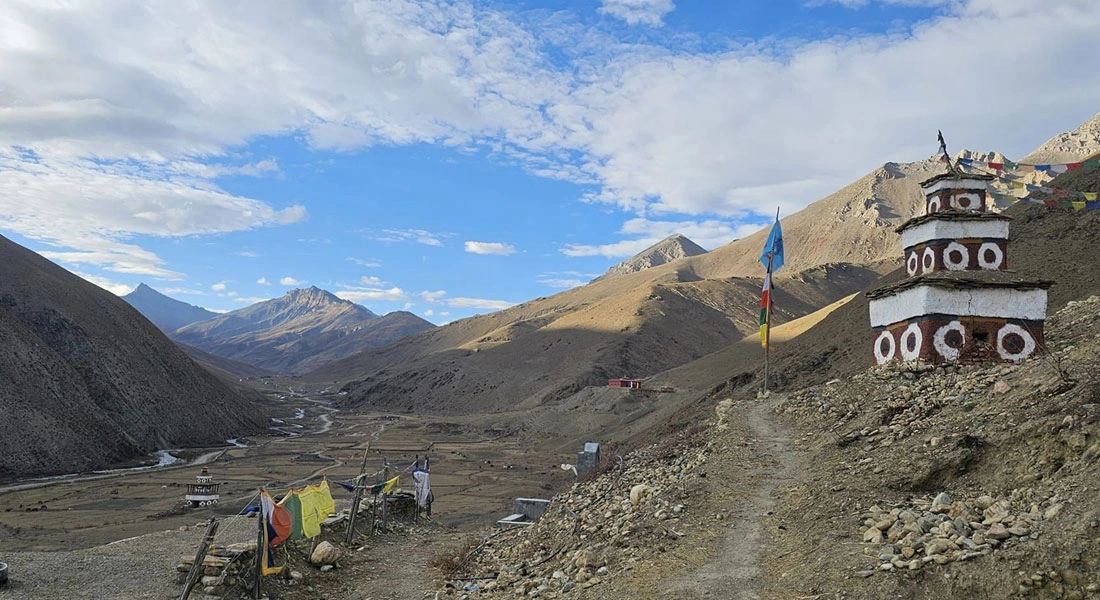
Like much of Nepal, the best time to visit Upper Dolpo is the spring (April to May) and the fall (October to November) when temperatures are pleasant, skies are the clearest, and there is minimal chance of snow at high altitudes. Late/early snow can affect this trek in April and November, making some passes impossible to cross.
Autumn-Trekking
September, October and November are the most popular months for trekking to Kanchenjunga. Autumn brings clear blue skies and mild temperatures before the cold sets in December. The weather is generally dry and clear, with warm sunny days and excellent visibility. Autumn is slightly like winter. Colder than Summer, although you won’t find patches of snow. Nights in Autumn get chilly. In October the temperature dips to 0° C. During the day, you will experience temperatures around 15° C. But any rain or slight drizzle brings down the temperature by a few degrees. So keep a jacket handy with you always. Temperature day time between 15 °C and 18 °C and night time will drop to temperatures between 5 °C and -15 °C.
Spring-Trekking
The spring season from March to June is considered to be the next best option. The weather is generally clear although a little colder. Mornings are sunny and flowers are in bloom. In Spring, although you will find patches of hard snow at higher altitudes, the temperature during the day will be slightly warmer than that in Autumn, when there won’t be any snow on the trek. In Spring, expect pleasant daytime temperatures around 20 °C. But at night it dips to almost zero levels. During the day if the sun goes behind the clouds and there is about of rain, then the temperature can fall to around 15 °C. Temperature day time: between 20 °C and 24 °C and night time will drop to temperatures between 10 °C and -15 °C.
Solo Trekkers
Solo Trekking in the restricted area is completely forbidden. You will have to trek in a group. A lot of people trek solo in Nepal and have thoroughly enjoyed. Trekking solo has its own benefits. You will not have to adjust your schedule according to anyone. You can also follow your own route as you wish to. Also, finding your way, especially in the non-restricted regions, is very easy. The routes are well marked and pretty straight. Nepal is completely safe for solo trekkers. But you will also have to be a little more careful while travelling alone.
Weather and Temperature
The weather on this trek will vary season to season and day to day as you ascend to higher elevations. At the start of the trek you will experience hot conditions with temperatures up to 25 Celsius. You experience the coldest temperatures in an altitude of 5000 m. Overnight lows here will be down to around -15 Celsius.
Insurance for Jomsom Dolpo Trek
Travel insurance is highly recommended for Dolpo Trek because the high altitude can lead to many illnesses, weakness in trekkers, and misjudgments. There is also a risk on trails for falls, avalanches and other mishaps. When selecting a travel insurance policy please bear in mind that all clients must have medical coverage and that we require a minimum coverage of USD 200,000 for repatriation and emergency rescue. We strongly recommend that the policy also covers personal liability, cancellation, curtailment and loss of luggage and personal effects.
Jomsom Dolpo Trek Packing List
This is the mandatory kit list for the safety of everyone in the group and to ensure a successful trek. You must have the following items tailored for the Dolpo trek. The guide will check your gear in Kathmandu before departure for the trek. Each porter will be carrying for 2 people’s belongings which they carry from a strap on their head), so be mindful and considerate as you pack. Also, bear in mind that it’s very common to leave excess baggage at hotels and guesthouses in Kathmandu. The weight limit for your duffel bag/big rucksack/backpack is 1 kg. The weight limit of your day rucksack or backpack is 5 kg.
Footwear
Walking Boots.
Trail shoes.
Sandals.
Walking socks.
Clothing
Waterproof and Windproof jacket (with hood) and trousers (goretex or similar)
Trekking trousers.
Soft Shell Trousers.
Long sleeve tops or shirts (not cotton).
Micro fleece.
Mid to heavyweight fleece or synthetic/ primaloft top.
Sleeveless/ gilet or body warmer type fleece / synthetic top.
Thermals or base layer for top and bottom (merino wool or synthetic).
Fleece or synthetic leggings.
Medium weight down jacket.
Heads and Gloves
Fleece gloves.
Warms mittens and/or gloves.
Wool or fleece hat.
Sun hat.
Bandana or scarf.
Head torch. Bring extra batteries.
Sunglasses.
For Crossing the passes
Trekking poles
A pair of Gaiters.
Personal equipment
Sleeping bag. Overnight lows down to -15 Celsius.
Fleece or silk liner for your sleeping bag.
Sleeping mat
Day pack.
Two water bottles
Pee bottle.
Sunscreen and Lipbalm with a high SPF.
Water purification tablets (Pristine, Biox Aqua or Aqua Mira).
Favorite snack food.
Books and cards etc.
Camera with spare batteries and memory cards.
Earplugs (optional).
Baby wipes (optional).
Duffel bag/Big rucksack/backpack
Travel clothes.
Toiletry bag with soap, travel towel, toothbrush etc.
Personal first aid kit
Blister treatment (Competed patches are the best)
Re-hydration powder (eg Dioralyte).
Analgesics (paracetamol, ibuprofen and aspirin).
Plasters and zinc oxide tape.
Throat lozenges.
Diamox (helps with acclimatization).
Water filter
Power bank
Poncho/rain coat
Documents:
Flight info(required) (Printouts of e-tickets may be required at the border)
Insurance certificate(required) (With photocopies)
Passport (required) (With photocopies)
Required visas or vaccination certificates (required) (With photocopies)
Essentials:
Binoculars (optional)
Cash, credit and debit cards
Money belt
Outlet adapter
Watch and alarm clock
Waterproof backpack cove
Health and Safety:
Face masks (required)
Hand sanitizer (required)
Pen (Please bring your own pen for filling out documents.)
Rubber glove
Whistle
Drinking Water
Drinking plenty of water is a must. Please drink at least three litre of water while trekking each day. Bottled water and hot water is available to buy throughout the trek. You have to purchase your water throughout the trek. It is typically around 100 to 200 rupees. That’s why packing a Steripen is a fantastic idea — you can fill up at the taps, and you won’t have to buy any water or waste unnecessary plastic!
Dolpo Guided Trek
Guided trek is the best option if you want a stress-free hiking holiday. The guide manages all of the logistics, distances, directions, and tea houses. The directions are not always very clear like on the Everest Base Camp trek and having the guide manages all of the logistics. Dolpo Trek is not possible independently as well.
Money Matter
You’ll need cash to pay for extra food and beverages, water, and showers along the way. You’ll also need to budget for tips for your guides and porters as well. Since there are no ATM along the way, we’d suggest to be over-prepared so you don’t run out of money. We suggest to bring 25,000 rupees (around $250 USD) with you for the trek. The amount of money you need to take Mohare danda trek will depend on whether you’re on an inclusive tour or not. If you are on an inclusive tour then you’ll only need money for any snacks or drinks over and above what’s included in your package. If you are paying as you go, then you’ll need to have enough cash to cover all costs: accommodation, food, drink, etc.
Nepal Visa
Tourist visas are available on arrival at Kathmandu-Tribhuvan International Airport and at all land border crossings that are open to foreign travelers. While this is available for most foreigners, citizens of some countries are required to get a visa prior to arrival, while those from SAARC countries can get their visa free of charge. There are three different visa options and prices: Multiple Entry 15 Days – 30 USD, 30 Days – 50 USD and 90 Days – 125 USD. In order to get a visa on arrival you’ll need four things:
One passport size photo
A passport valid for at least six months
At least one blank page in your passport
The visa fee in cash (US Dollars is best)
Tipping
We recommend tipping for guide: $10-$20 USD per day per person and porter: $10-$15 USD per day per person. If you want to give more you can it depends on their services to you. There is no limit tipping guide and porter.
Passports
As a general rule, your passport has a minimum of 6 months validity remaining. Your passport details are required to complete your booking. Please ensure the passport details you provide are accurate. Any errors provided may result in extra fees for making corrections in bookings. We recommend taking copies of the main passport pages and other important documents with you as well as leave copies at home with family or friends.
Altitude Sickness
Travelers to altitudes higher than 2,500 m are at risk of altitude sickness, also known as acute mountain sickness (AMS). This can be life-threatening and affect anyone, even people who are very physically fit. There is a higher risk for those who have had altitude sickness before, who exercise or drink alcohol before adjusting to the altitude, or who have health problems that affect breathing. If your tour travels to high altitude, see your doctor for advice specific to you and your situation before you depart. It is important to be aware of the normal altitude symptoms that you may encounter BUT NOT worry about:
1.Periods of sleeplessness
2.Occasional loss of appetite
3.Vivid, wild dreams at around 2500-3800m in altitude
4.Unexpected momentary shortness of breath, day and night
5.Periodic breathing that wakes you occasionally
6.Blocked nose
7.Dry cough
8.Mild headache
If you are feeling nauseous, dizzy, or experience other symptoms, please be sure to let your guide know immediately so that we can monitor your condition. Please be aware that should your guide deem it unsafe for you to continue trekking at any time, they will arrange for you to descend to a lower altitude.
Medical Facilities and Treatment:
Medical facilities in Nepal are very limited, particularly outside Kathmandu. In Kathmandu, treatment at international-standard clinics is expensive and up-front payment for services is generally required. Make sure you have adequate travel health insurance and accessible funds to cover the cost of any medical treatment, including evacuation by helicopter.
Alcohol and Caffeine
Alcohol and trekking don’t mix. We highly recommend that you limit your alcohol consumption in Kathmandu prior to your trip. Celebrate your achievements after your trek. Both alcohol and caffeine increase dehydration. Limit your intake of both when hiking at high altitudes.