


Short Introduction
Peak climbing Nepal is a dream of many adventure lovers who love trekking peak climbing in Nepal. The 3 best peak climbing in Nepal are Island Peak (6,189m), Mera Peak (6,476m), and Lobuche East Peak Climbing. Hence, explore Nepal’s breathtaking peaks with Mission Eco Trek, your reliable peak climbing partner in Nepal.
Peak climbing in Nepal is a popular activity for mountaineers and adventure seekers. If you want to experience high-altitude challenges without attempting the extreme difficulties of climbing Mount Everest. Nepal has numerous trekking peaks that allow climbers to enjoy the thrill of reaching the summit of a Himalayan peak while offering a slightly less technical challenge than the major 8000-meter peaks. These climbs typically range from 5,000 meters to 7,000 meters in height, providing an exciting experience for climbers with some previous mountaineering skills.
Peak Climbing Nepal
1. Island Peak (Imja Tse at 6189m)–The most popular trekking peaks in Nepal with moderate difficulty including a snow and ice ascent.
2. Mera Peak(6,476m)–The highest trekking peaks in Nepal with moderate to challenging difficulty, skills use of crampons and ice axes is helpful.
3. Lobuche East (6,119 meters)-The popular climbing peak in the Everest region, involves a technical ascent with some ice and rock climbing sections.
4. Chulu East(6,584 meters)-Relatively straightforward climbing peak in Annapurna with snow and ice climbing.
5. Pisang Peak(6,091m)-Relatively straightforward peak climbing, require technical climbing experience.
6. Yala Peak(5,520m-The beginners peak climbing in Nepal, skills use of crampons, ice axes, and basic alpine techniques is nice.
7. Tent Peak (Tharpu Chuli at 5,663 meters)-An exciting climb peak in Nepal, requires some experience in high-altitude trekking and mountaineering.
8. Singu Chuli(6,501 meters)-The more challenging trekking peaks in Nepal with steep rock and ice climb.
9. Naya Kanga (Ganja La Peak at 5,844 m)-The challenging climb peak in the Langtang region, requiring technical mountaineering skills.
10. Ama Dablam (6,812 meters)-The most iconic trekking peaks in the Everest region, requires advanced mountaineering skills, use of ice and rock climbing, and suited for experienced climbers.
General Requirements for Peak Climbing in Nepal
Climbing Experience-For most peaks, you should have some previous experience in mountaineering or technical climbing (especially with ice axes and crampons).
Physical Fitness-Since many of these peaks are at high altitudes, good physical fitness is necessary for stamina, endurance, and adaptation to high altitudes.
Peak Climbing Permits-You will need a trekking peak permit, which can be obtained through a licensed trekking agency in Nepal. Permits cost vary depending on the peak, but you will generally also need a TIMS card (Trekkers’ Information Management System) and the National Park entry permit for areas like Everest, Annapurna, and Langtang.
Guides and Support-Most climbers will need to hire a licensed guide and support staff (like porters).This is especially important for less-experienced climbers, as guides will help with technical aspects, navigation, and safety on the mountain.
Best Time to Climb Peaks in Nepal
The best times to climb peaks in Nepal are during the pre-monsoon (spring) season (March to May) and post-monsoon (autumn) season (September to November). These months offer clear weather and relatively stable conditions for climbing.
Safety and Preparation
Acclimatization-The high altitudes of Nepal’s trekking peaks make proper acclimatization essential. It’s important to plan for rest days and gradual altitude increases to avoid altitude sickness.
Peak Climbing Weather-Weather in the Himalayas can be unpredictable, with temperatures dropping dramatically at higher elevations. Be prepared for cold temperatures, snow, and ice conditions.
Peak Climbing Gear-Climbers should bring proper mountaineering gear, including boots, harnesses, ropes, crampons, ice axes, and warm clothing for high-altitude climbs. Peak climbing agencies provide gear rental options.
In conclusion, Peak climbing in Nepal offers a fantastic opportunity to experience the Himalayas up close and challenge yourself with stunning views and thrilling climbs. Whether you are an experienced mountaineer or someone seeking to advance their skills, there is a peak suitable for your level of experience. Many trekkers opt to combine trekking with peak climbing, making the journey an unforgettable adventure.
4500
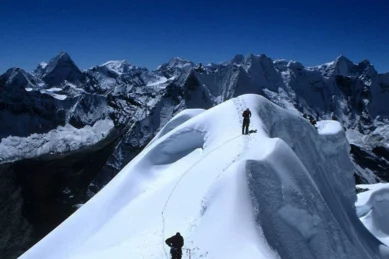
Ramdung Peak Climbing
Ramdung Peak Climbing is a rewarding trekking peak climb in Nepal. Ramdung Peak Climb is challenging but technically not very difficult.
 22 days
 Extreme Trip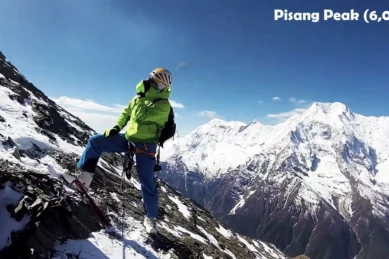
4500
Pisang Peak Climbing
Pisang Peak Climbing is an easy trekking peak climbing in Nepal for a quick and straightforward climbing experience in Nepal.
24 days Difficult Trip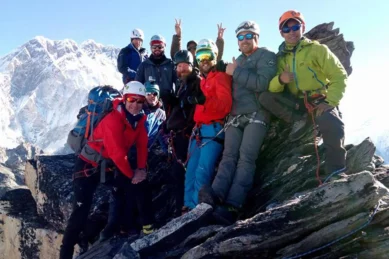
2560
Pokalde Peak Climbing
Pokalde Peak Climbing is an easily accessible and non-technical trekking peak climbing in Nepal. Book a great 17 days Pokalde Peak Climb-$2560.
17 days Difficult Trip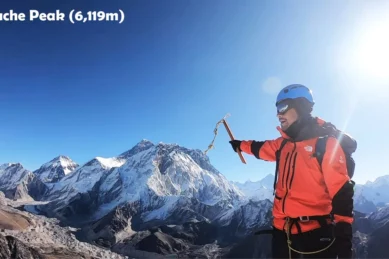
2770
Lobuche Peak Climbing
Lobuche Peak Climbing 20 days with the iconic Everest Base Camp Trek is an exciting and semi-technical trekking peak climb in Nepal.
20 Days Difficult Trip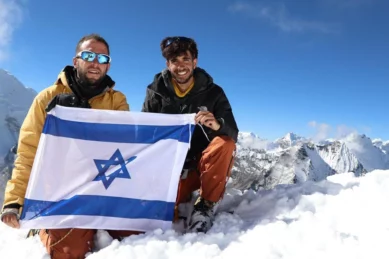
2550
Island Peak Climbing
Island Peak Climbing 18 days includes an amazing trek to Everest Base Camp before climbing Island Peak. Book Island Peak Climb Cost-$2550.
18 Days Moderate Trip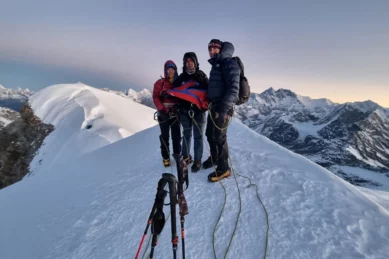
2440
Mera Peak Climbing
Climb the highest trekking peaks in Nepal, Mera Peak climbing 18 days is not technically difficult. Book stunning Mera Peak Climb Cost-$2450.
18 Days Difficult Trip

