Important information
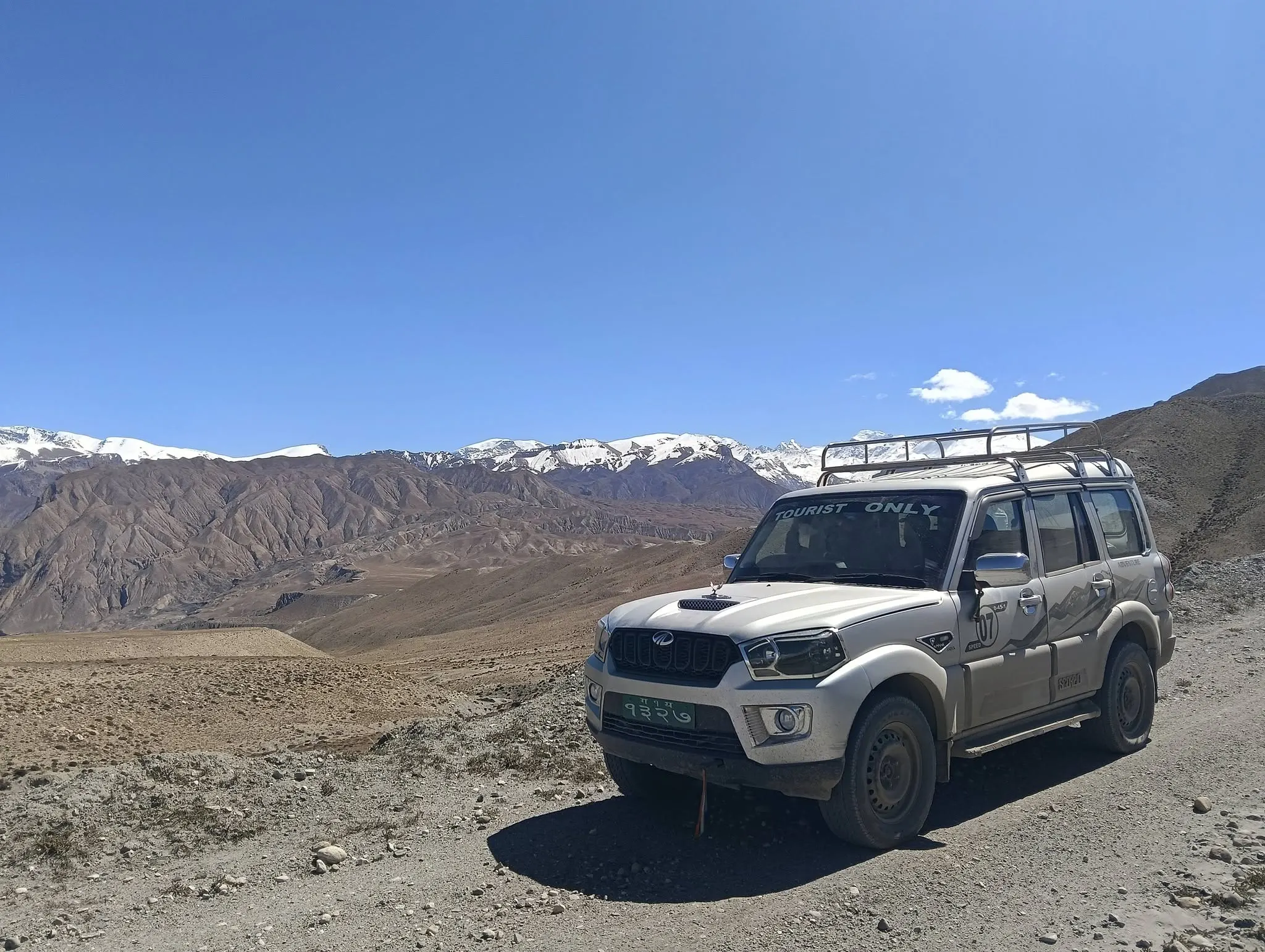
For this tour, you can choose between standard and superior hotel options. Please note in some remote areas of Mustang, accommodation can be very basic. The Mustang region is closed from November to April due to heavy snowfall at high altitude. Travel during this period is not possible.
Planning to travel in May. Be aware that prices may be slightly higher due to the Tiji and Yartung festivals taking place during this month. A solid travel insurance policy is essential for an adventure like this. If you’re not adequately insured, our local partner won’t be able to carry out the trek.
Travel Documents
Travellers with Belgian nationality (including babies and children) need a machine-readable passport with at least 2 blank pages, valid for at least 6 months upon return.
A visa is required to enter Nepal. This can easily be obtained upon arrival at Kathmandu airport. To get the visa, you need a valid passport, a passport-size photo, and a completed arrival card/visa application form. The visa fee depends on the duration of your stay in Nepal (15 days = 30 USD, 30 days = 50 USD, 90 days = 125 USD).
Insurance
Make sure to depart well-covered. Our Protections insurance plans come in various temporary and annual packages and offer excellent protection under the most advantageous conditions.
Health
No vaccinations are required. Recommended vaccinations include DTP (Diphtheria, Tetanus and Polio), Hepatitis A, and MMR (only if you haven’t had measles or a measles vaccine). Yellow fever is only mandatory if you have been in a yellow fever endemic country within 7 days prior to your arrival in Nepal.
Payment Methods
An increasing number of vendors accept MasterCard and Visa. ATMs are available in Kathmandu and Pokhara. Outside the cities, cash is highly recommended.
Climate
Nepal’s climate is highly diverse due to its geographical range from the tropical lowlands to the icy Himalayan peaks. The southern Terai region experiences a subtropical climate with hot, humid summers and mild winters. The hill regions around Kathmandu have a temperate climate with four seasons warm springs, wet summers, mild autumns and cool winters.
The higher you go, the colder it gets. In the Himalayas, winters are harsh and summers are short and cool, with nighttime temperatures dropping below freezing even in summer. Nepal is a year-round destination, although your route will largely determine the best travel period.
Altitude Differences
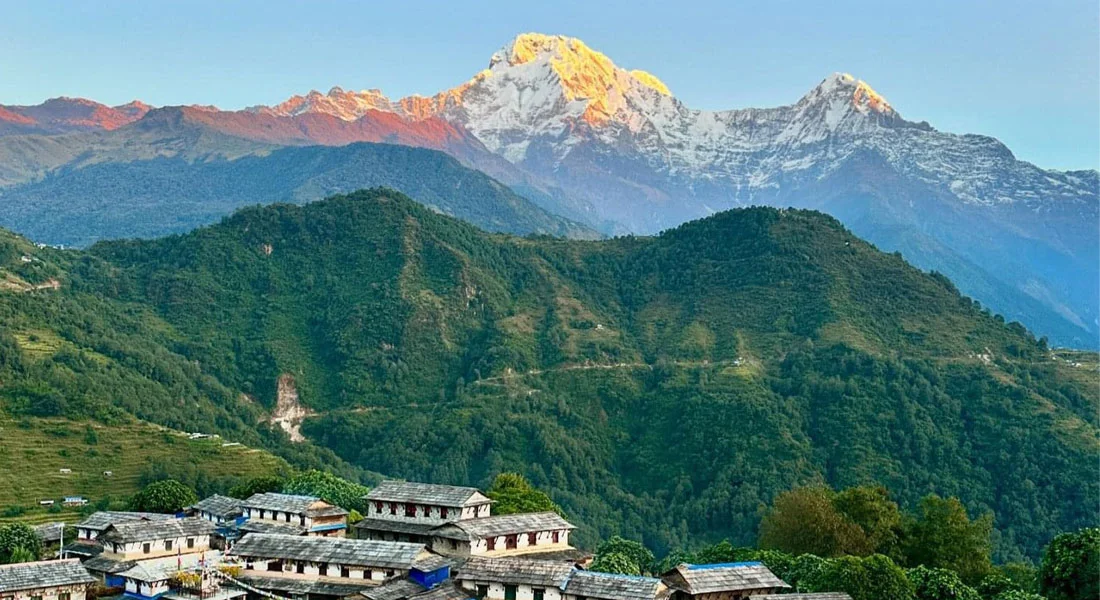
Nepal is a land of extremes, clearly visible in its altitude differences. Within just 150 km, you ascend from 60 meters above sea level in the subtropical Terai to over 8,000 meters in the Himalayas. This dramatic relief makes Nepal a paradise for hikers and mountain lovers, but also brings a crucial warning: altitude sickness.
If you ascend too quickly above 2,500 meters, you may suffer from headaches, nausea or dizziness. Your body needs time to adjust to the thinner air. A gradually paced itinerary, staying well-hydrated and taking a day to acclimatize at higher altitudes are strongly recommended. You can also take Diamox preventively if you’re ascending above 3,000 m.