


Short Introduction
Tibet is in the Himalayas, known for its unique culture, religion, and history. Geographically, Tibet is often referred to as the “Roof of the World” due to its high-altitude plateau, the largest and highest in the world.
Tibet Facts
Tibet is in Central Asia, Autonomous Region, or TAR) of China, that extends to India, Nepal, and Bhutan. Tibet is home to the Himalayas-Mount Everest, the world’s highest peak. Tibet capital is Lhasa with the climate varies-cold, dry, and mountainous.
Tibet Culture and Religion
Tibetan culture is heavily influenced by Tibetan Buddhism, which was introduced to the region in the 7th century. It remains a central aspect of daily life and includes practices like prayer, meditation, and ritual.
The Dalai Lama, the spiritual leader of Tibetan Buddhism, holds a revered position in Tibetan society. The Dalai Lama was traditionally seen as the political leader as well, until he fled to India in 1959 after a failed uprising against Chinese rule.
Tibet is also known for its traditional art, including thangka paintings, carpets, and wood carvings. Tibetan music, with its deep, resonant chants and drums, is another significant cultural element.
Tibet Politics and History
Tibet is considered a “sensitive” issue in China, and the government has strict control over access to the region, especially for foreigners. There have been ongoing human rights concerns regarding freedom of expression, religious practice, and the treatment of Tibetans under Chinese governance.
Tibet Economy
Historically, Tibet’s economy has been agrarian, with a reliance on farming and herding (mainly yaks, sheep, and goats).
Today, the economy is influenced by both traditional agriculture and modern infrastructure development, with China investing heavily in the region. Mining, tourism, and hydropower are also key industries.
However, there is significant concern over the impact of Chinese development policies on Tibet’s environment and cultural heritage.
Tibet’s Global Influence
Tibetan Buddhism has a global following, and many people around the world are inspired by the teachings of the Dalai Lama and Tibetan monks.
The issue of Tibet’s political status continues to garner international attention, with many governments and organizations advocating for greater freedoms for the Tibetan people.
Language and Education
The primary language of Tibet is Tibetan, which belongs to the Tibeto-Burman language family. Tibetan is widely spoken in the TAR and in Tibetan communities across the surrounding countries.
While the Chinese government promotes Mandarin as the main language for education and administration, Tibetan language schools and cultural preservation efforts exist, albeit facing challenges from the dominance of Mandarin.
In conclusion, Tibet remains a region of deep cultural significance, marked by its spiritual richness and its ongoing political struggles.

Kailash Mansarovar Tour from Kathmandu
10 days Kailash Mansarovar Tour from Kathmandu by road is the best affordable trip to Kailash Mansarovar Yatra from Kathmandu via Gyirong.
 10
10 Difficult Trip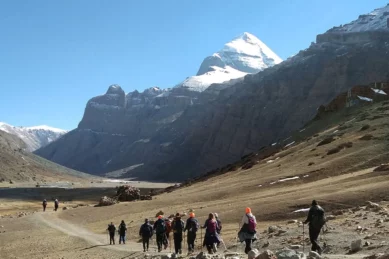
2950
Kailash Overland Tour
Kailash Overland Tour via Kerung is a great 14 days spiritual pilgrimage yatra to Mount Kailash Mansarovar Lake from Kathmandu Nepal.
14 Days Moderate Trip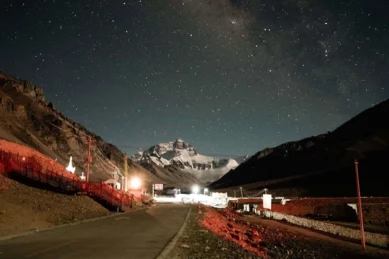
2460
Lhasa Everest Base Camp Kailash Tour
Lhasa Everest Base Camp Kailash Tour 15 days is a great Kailash Pilgrimage Yatra from Lhasa to Kailash Mansarovar via Everest Base Camp.
15 Days Moderate Trip

