


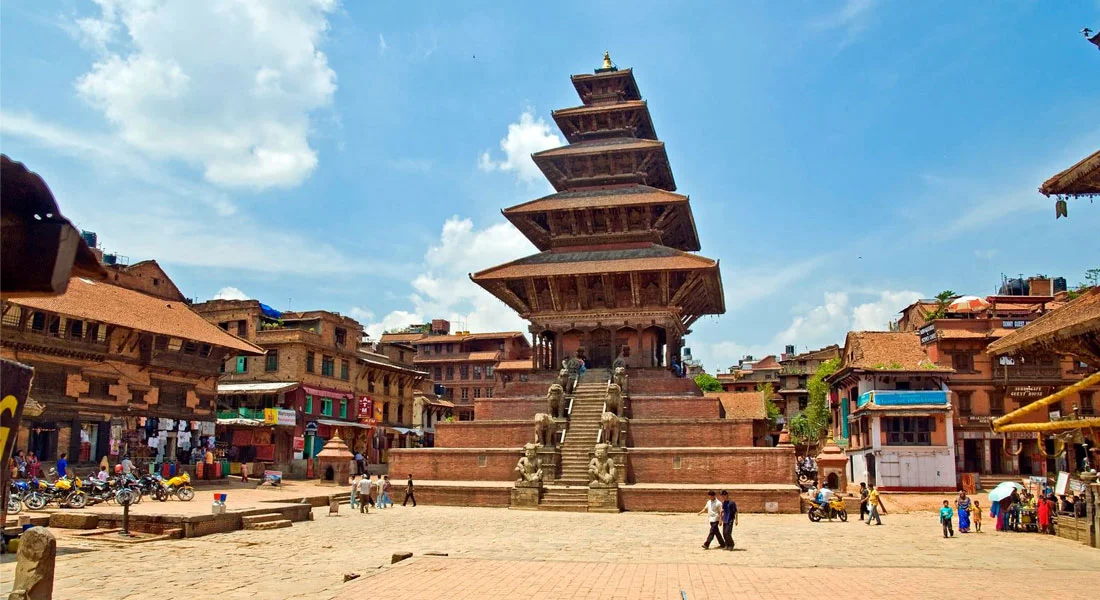
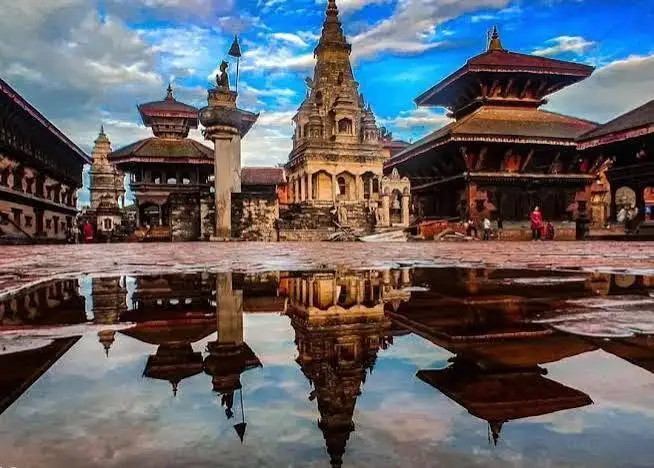


Bhaktapur Durbar Square Tour is a guided walking tour of Bhaktapur Durbar Square and its surrounding of medieval time temples and monuments. Bhaktapur is an old city of vehicle-free UNESCO World Heritage site known for its well-preserved Newari brickwork, wood carvings, and vibrant courtyards.
Bhaktapur Durbar Square Tour: Entry Ticket Price
Entry Fees: NPR 2000 for foreign nationals, NPR 500 for SAARC and Chinese nationals, and free for children under 10. If staying overnight, you can request a multi-entry pass valid for your visa duration at the Tourist Service Center with your passport.
Bhaktapur Walking Tour: The entire core area is pedestrian-only, though expect uneven medieval stone pavements and steep steps if you climb temple bases.
Time of Bhaktapur City Tour: Take 2 to 3 hours for a quick walk through the main square and Taumadhi, also a full half-day to full-day if visiting Dattatreya Square, museums, and artisan workshops.
Food Stop: Try the local specialty Juju Dhau-a rich and creamy “King Curd” served in small clay bowl, and also a traditional Newari lunch at a rooftop or courtyard café.
Fame of Bhaktapur Durbar Square
Bhaktapur Durbar Square is famous for its remarkably preserved medieval Newari architecture, rich Malla dynasty history, and vibrant local art and traditions.
A UNESCO World Heritage Site: Designated in 1979, the square is celebrated as an “open-air museum” that retains an authentic atmosphere with brick-paved streets and centuries-old structures.
The Palace of 55 Windows (Pachpanna Jhyale Durbar): Built in the 15th century and remodeled later, this imperial palace showcases some of the finest woodcarving craftsmanship in Nepal and houses the National Art Gallery.
The Golden Gate (Sun Dhoka): Serving as the ornate entrance to the Taleju Temple complex, this 1754 gilt-copper masterpiece is considered one of the finest examples of repoussé art (metal-shaping from the reverse side) in the Kathmandu Valley.
Nyatapola Temple: Located in nearby Taumadhi Square, this 30-meter (108-foot) five-story pagoda is the tallest temple of its kind in Nepal, guarded by massive stone statues of wrestlers, elephants, and lions.
Living Newar Culture and Artisanship: Unlike more commercialized areas, the local Newar community preserves ancient traditions, traditional black-and-red attire, pottery making in Pottery Square, and the famous sweet curd delicacy known as Juju Dhau.
Bisket Jatra: The city hosts grand annual celebrations—most notably the chaotic and vibrant Nepali New Year festival, Bisket Jatra, featuring massive chariot pullings and pole-raising rituals.
Bhaktapur vs Patan vs Kathmandu Durbar Square
Bhaktapur Durbar Square is widely considered the best overall Durbar Square in the Kathmandu Valley because it is the cleanest, best-preserved, and largely traffic-free medieval kingdom.
However, which one is “best” depends on what you want to experience, as each of the three squares in the Kathmandu Valley has a distinct character:
Bhaktapur Durbar Square (Best Overall/Medieval Vibe)
Why it’s great: It feels like stepping into a living 17th-century museum with terracotta-tiled architecture, brick-paved lanes, and far fewer crowds.
Key highlights: The 55-Window Palace, the Golden Gate, and the towering Nyatapola Temple.
Vibe: Clean, quiet, and pedestrian-friendly, and entry fee: 2000 NPR.
Patan Durbar Square (Best for Art and Culture)
Patan Durbar Square is great, located in Lalitpur, it is celebrated as the artistic epicenter of Newar craftsmanship, metalwork, and stone carving.
Key highlights: The Krishna Mandir (21-spire stone temple), the Patan Museum (housed in a former royal courtyard), and the Golden Temple nearby. The Vibe is balanced, artistic, and walkable with great courtyard cafes, and entry fee: 1,000 NPR (includes the museum).
Kathmandu Durbar Square (Best for Raw History and Daily Life)
Kathmandu durbar square is great, located right in the heart of the capital (near Thamel), this is the historic seat of the Malla and Shah kings where rulers were crowned.
Key highlights: Hanuman Dhoka Palace, the Kala Bhairava shrine, and Kumari Ghar (home of the royal Living Goddess). The vibe is intense, chaotic, bustling, and deeply tied to the urban energy of modern Kathmandu, and entry fee: 1,000 NPR.
In short conclusion, choose Bhaktapur if you want a clean, cinematic, self-contained medieval city experience. Choose Patan if you love fine arts, metal/wood crafts, and a slightly more relaxed pace. Choose Kathmandu if you are short on time and want raw, high-energy historic chaos right in the center of the city.


