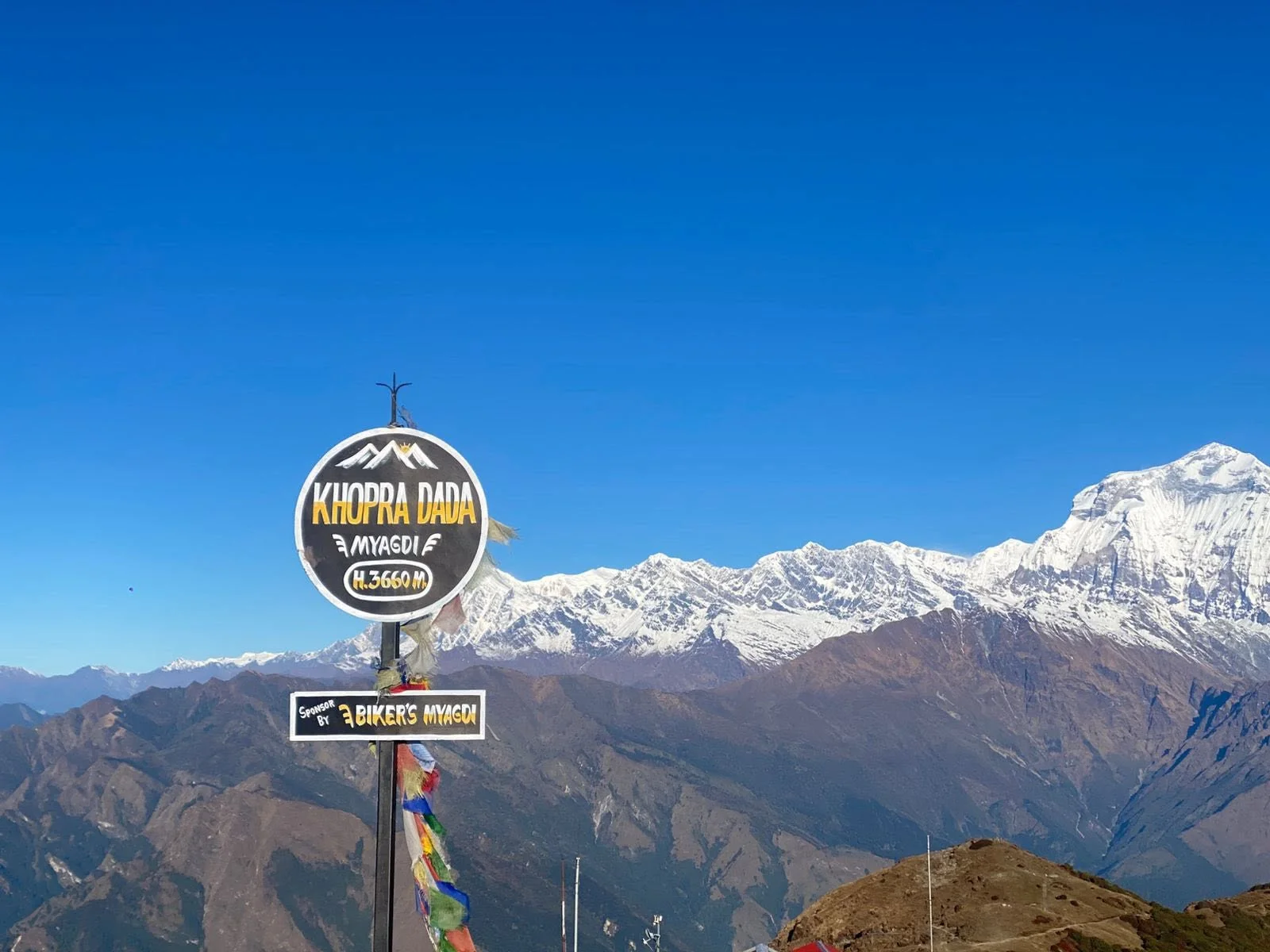
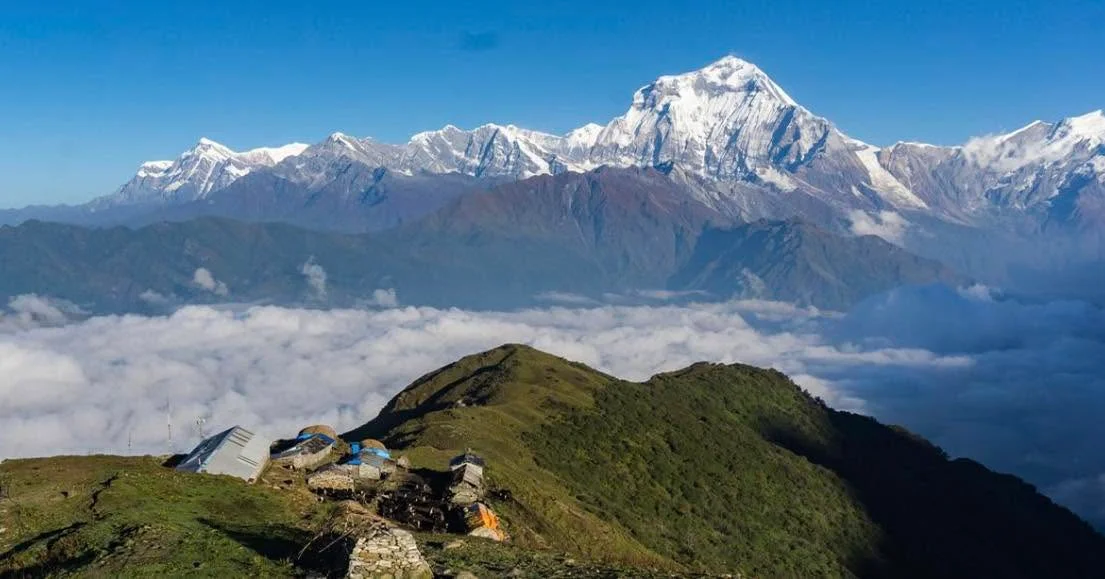
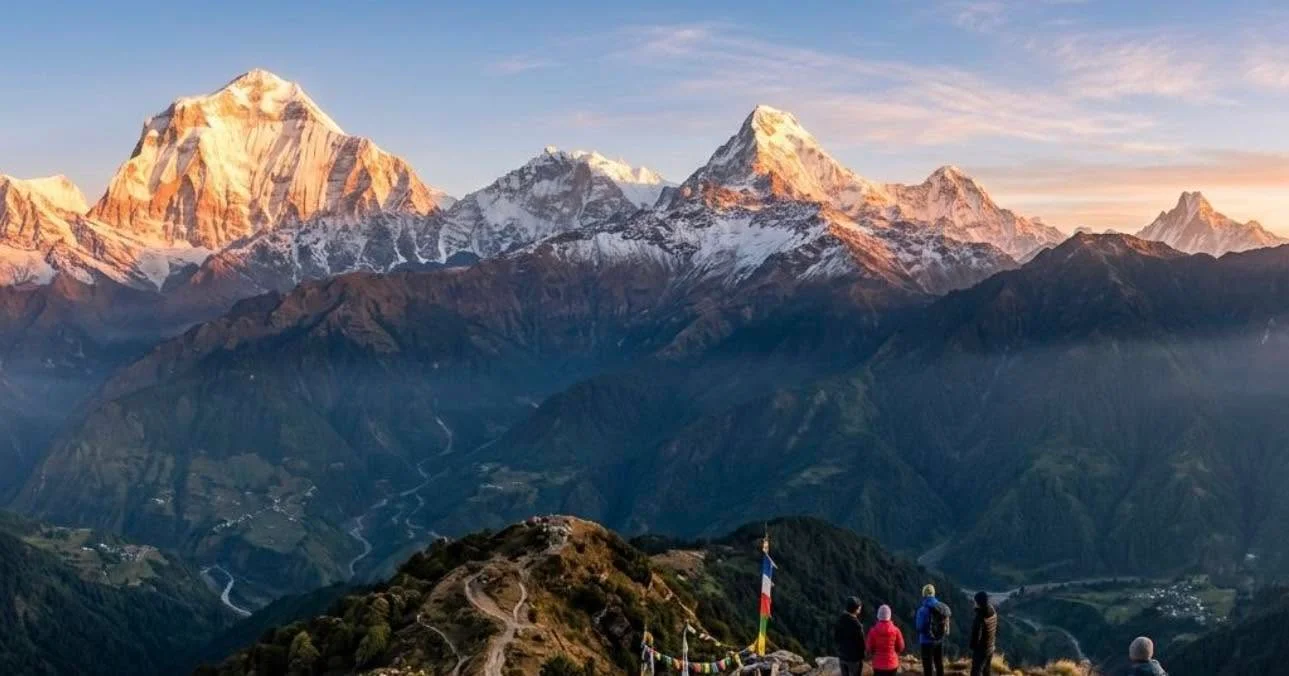
Khopra Danda Trek Accommodations
A standard 6-day Khopra Danda Trek consists of a mix of traditional teahouses, community-run lodges, and lower-elevation hotels. Teahouse rooms on the higher ridges typically cost around USD $10 to $15 per night, while meals average USD $35 to $45 per day if you are trekking independently.
The clectricity for charging phones/powerbanks and hot water/hot showers are available at most stops, though they usually cost an extra fee, ranging from a few hundred rupees per device or shower. Bringing your own lightweight sleeping bag is advised, especially during peak seasons when community lodges can get crowded.
Meals on Khopra Danda Trek
During a 6-day Khopra Danda trek, you receive 3 full meals: breakfast, lunch, and dinner per day along the trail if you book through the trekking agency. Also, you can purchase meals directly at the community lodges and teahouses.
Breakfast:
Porridge, oatmeal, or muesli with milk or hot water
Eggs (fried, boiled, scrambled, or omelets)
Tibetan bread, chapati, or toast with jam, honey, or butter
Pancakes (plain, apple, or chocolate) and French toast
Hot drinks like black tea, milk tea, lemon ginger tea, or coffee
Lunch and Dinner:
Dal Bhat: The ultimate trekking staple of steamed rice, lentil soup, vegetable curry, pickle, and sometimes papad or meat (unlimited refills are usually standard in teahouses).
Noodles and Pasta: Fried noodles, chow mein, spaghetti, or Thukpa (traditional Himalayan noodle soup).
Potato Dishes: Potatoes are heavily featured across higher elevations (boiled, fried, or in Sherpa stew) as a great source of fast-burning carbohydrates.
Soups: Garlic soup (widely recommended to help with altitude acclimatization), tomato soup, or vegetable noodle soup.
Momos: Vegetable or buffalo dumplings (available in lower or mid-elevation stops, though less reliable at high camps like Khopra Danda).
Snacks and Extras:
Fresh seasonal fruits are often provided in the evening after dinner if you are on an organized package.
You can buy packaged snacks (chocolate bars, biscuits, or Pringles), and hot lemon-ginger tea breaks during the day, though prices rise higher up the trail due to manual porter transport. Bottled water, hot and soft drinks, alcoholic beverages, and extra-order desserts are normally extra cost.
Khopra Danda Trek Seasons, Weather and Temperature
The best seasons for the Khopra Danda Trek are Spring (March to May) and Autumn (September to November) due to warm temperature, nice and clear weather.
Spring (March to May): The best seasons. The weather is clear mornings, generally stable skies, and blooming rhododendron forests in red, pink, and white. Daytime Temperature: 10°C to 20°C (50°F to 68°F). Nighttime Temperature: Drops close to or below freezing at higher elevations like Khopra Danda.
Autumn (September to November): A top good seasons. The weather is crystal-clear mountain views, dry trails, and stable weather following the monsoon withdrawal. Daytime Temperature: 10°C to 20°C (mild to cool, around 8°C–15°C depending on the exact month). Nighttime Temperature: Cold, dropping below 5°C to 0°C at night.
Winter (December to February): Cold and Quiet. The Weather is cold, crisp, and bright skies, though high sections face snow and ice. Daytime Temperature: 5°C to 10°C (41°F to 50°F). Nighttime Temperature: Freezing, often dropping to -10°C or lower.
Summer/Monsoon (June to August): Least Recommended. The weather is heavy and frequent rainfall, muddy and slippery trails, leeches, and thick cloud cover blocking mountain views. Daytime Temperature: 15°C to 20°C (59°F to 68°F), high humidity. Nighttime Temperature: Mild to cool (around 10°C to 15°C).
Gear and Equipment Guide to Khopra Danda Trek
A complete guide of equipment and gear packing list for the Khopra Danda Trek in the Annapurna region are as below.
Upper Body Clothing
Moisture-wicking base layers: Thermal tops to keep sweat away from your skin.
Mid-layers: Fleece jackets, softshell jackets, or a light sweater.
Down jacket: A compact, high-fill down jacket for freezing temperatures at high altitudes (especially near Khopra Danda and Khayer Lake).
Outer shell: Waterproof and windproof jacket (Gore-Tex or equivalent) to block mountain winds and rain/snow.
Trekking shirts: Quick-dry short-sleeve and long-sleeve shirts.
Lower Body Clothing
Trekking pants: Lightweight, breathable, and quick-dry hiking pants.
Thermal bottoms: Insulated base-layer trousers for cold nights and early mornings.
Waterproof pants: Rain trousers or a reliable poncho.
Comfortable underwear: Breathable, synthetic, or merino wool underwear.
Head and Hand Gear
Sun hat / Baseball cap: For protection during sunny daytime walks.
Warm winter beanie: Wool or fleece hat for cold nights and high camps.
Buff or neck gaiter: To protect against dust, wind, and cold.
UV-protected sunglasses: Polarized category 3 or 4 sunglasses (essential for exposed trails and glare if snow is present).
Gloves: Lightweight inner gloves plus a windproof/waterproof outer pair.
Footwear
Hiking boots: Broken-in, waterproof hiking boots with good ankle support and grip.
Camp shoes / Sandals: Lightweight sandals, flip-flops, or lightweight sneakers to rest your feet at teahouses.
Socks: Several pairs of woolen/merino trekking socks and synthetic sock liners to prevent blisters.
Gaiters: Optional, helpful if you encounter mud, loose gravel, or snow patches.
Bags and Sleeping Gear
Backpack (Rucksack): 35 to 50-liter main backpack if you carry your own gear, or a smaller daypack (15–25 liters) if using a porter.
Duffel bag: Sturdy duffel bag if hiring a porter.
Sleeping bag: Rated down to -10°C (or 0°F) for warmth in teahouses (blankets are provided, a personal bag is cleaner and warmer).
Rain cover: Waterproof cover for your backpack.
Accessories and Electronics
Trekking poles: Adjustable aluminum or carbon poles to save your knees on steep descents.
Headlamp: With extra batteries or a charger (useful for early-morning starts like Khayer Lake).
Water bottles and purification: At least two reusable water bottles or a hydration bladder, plus water purification tablets or a filter.
Power bank: For charging phones and cameras (electricity at higher elevations is costly or limited).
Quick-dry towel and toiletries: Small micro-fiber towel, wet wipes, toilet paper, and hand sanitizer.
First-Aid and Documents
First-aid kit: Personal medications, band-aids, blister treatments, and altitude sickness pills (Diamox) after consulting a doctor.
Sunscreen and lip balm: High-SPF and UV-blocking lip protection.
Permits and ID: Passport, Annapurna Conservation Area Project (ACAP) permit, TIMS card/registration, and Nepali Rupees in cash for expenses along the trail.
6 Days Cost for Khopra Danda Trek Package
The total cost for the Khopra Danda Trek ranges from US$450 to US$1,300 USD per person, depending on the duration of the trek (6 to 12 days), group size and the service inclusions.
Independent/Budget Trek: US$550 – US$750 USD per person, includs transport, teahouses accommodation, permit and guide only if needed.
Standard/Group Package: US$650–US$850 USD per person, usually covers 7 to 10 days, including teahouse lodging, 3 meals a day, shared ground transport from Pokhara or Kathmandu, permits, and a group guide.
Private/Comfort Package (1–3 people): US$800 – US$1,300 USD per person, includes private jeep transfers, flexible itineraries, upgraded comfort, a dedicated guide, and porters.
Major Cost Components Guide to Mohare Danda Trek
Trekking Permits: Annapurna Conservation Area Permit (ACAP): $30 USD per person, and TIMS Card (Trekkers’ Information Management System) $20 per person.
Guide and Porter Hire: Guide-$30 to $40 USD per day, and Porter: $25 to $30 USD per day.
Food and Accommodation on the Trail: Teahouse Rooms: $10–$15 USD per night, and meals(Breakfast, Lunch, Dinner): $35 to $45 USD per day.
Transportation: Local bus or shared jeep from Pokhara/Nayapul: $20 to $30 USD per person, and private jeep charter: $100 to $180 USD total per vehicle.
Additional Out-of-Pocket Expenses: Hot showers, device charging, and Wi-Fi (NPR 250 to 600 per service).