

The Hindu temple Pashupatinath and Buddhist stupa Boudhanath are the most culturally important monuments in Kathmandu. It is nice, tour with guide to know the colors and sounds of Pashupatinath and Boudhanath.
Pashupatinath Boudhanath Tour
A combined tour of Pashupatinath Temple and Boudhanath Stupa typically lasts 4 to 5 hours and covers two most prominent UNESCO World Heritage spiritual sites of Kathmandu. A short drive of about 2 to 5 kilometers, roughly 15–20 minutes walk connects Pashupatinath to Boudhanath.
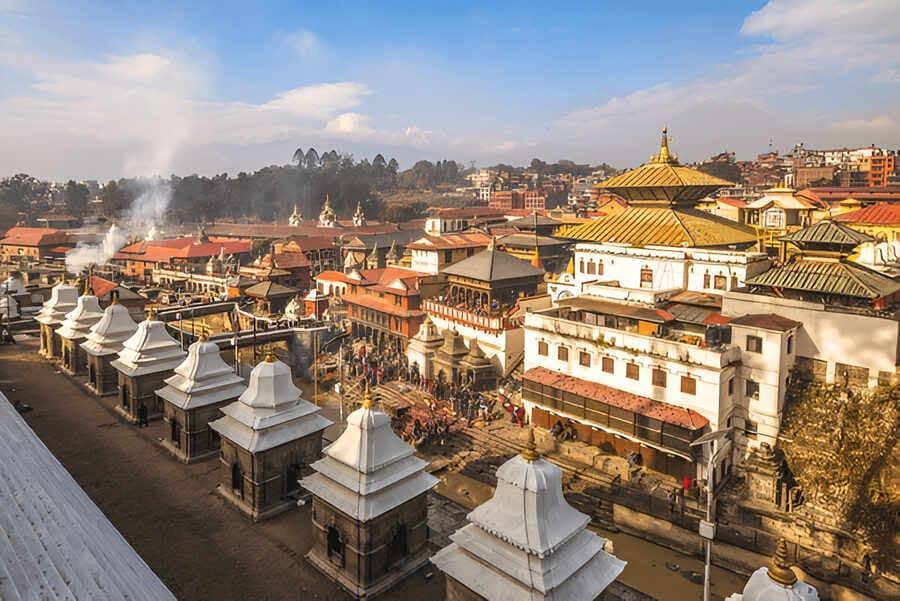
Pashupatinath Temple: Located on the banks of the sacred Bagmati River, this massive 5th-century Hindu temple complex is dedicated to Lord Shiva. Non-Hindus can view the main pagoda, silver-coated doors, and active cremation ghats (Aryaghat) from the eastern riverbank. You will also see ash-smeared sadhus (holy men) and smaller shrines throughout the Sleshmantak forest area.
Timing Guide: If you visit in the late afternoon, you can stay to witness the grand evening Aarti fire ceremony along the riverbanks.
Entry Fees: Free for Nepali and Indian nationals and NPR 1,000 for foreign tourists.
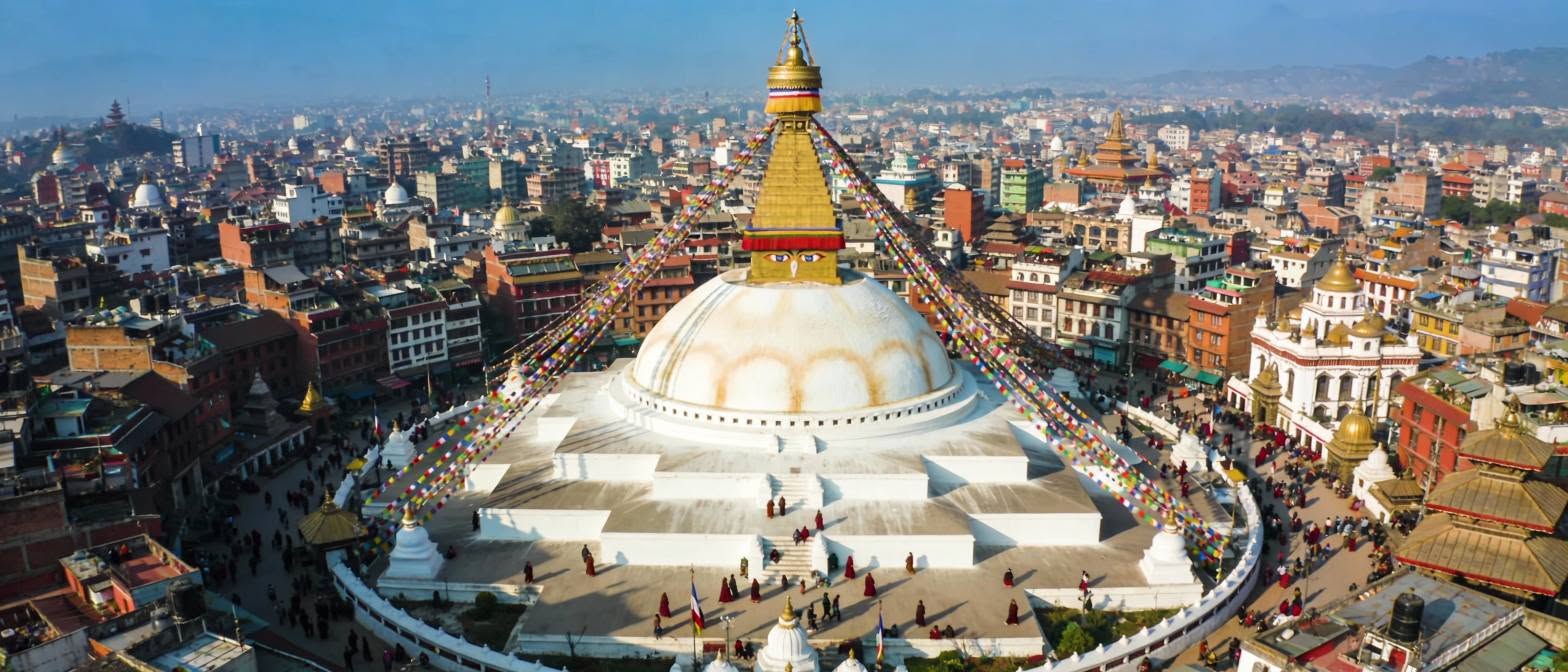
Boudhanath Stupa: One of the largest spherical mandala stupas in the world, Boudhanath is the heart of Tibetan Buddhist community of Kathmandu. You can walk the kora (clockwise circuit), spin the metal prayer wheels, light butter lamps, and explore surrounding active monasteries (gompas) or rooftop cafes overlooking the white dome.
Entry Fees: Free for local Nepalis and children under 10; NPR 100 for SAARC citizens; and NPR 400 for foreign nationals.
Private/Small Group Tour Costs
Guided Half-Day/4-Hour Tour: Private half-day packages (including hotel pickup/drop-off, an English-speaking local tour guide, and private air-conditioned vehicle transport generally start around USD $25 to $45 per person depending on group size.
Self-Guided/Walking Tours: Local platform walks around Pashupatinath and Boudhanath Tour offer shorter guided foot-tours around the neighborhood with cost $15 USD x 5 pax = $75.
Pashupatinath Temple Vs Boudhanath Stupa
Pashupatinath Temple is a sacred Hindu shrine dedicated to Lord Shiva, while Boudhanath Stupa is a massive Tibetan Buddhist monument symbolizing the mind of the Buddha. Both are UNESCO World Heritage Sites located in Kathmandu, Nepal.
Religion: Pashupatinath is a primary center for Hinduism, whereas Boudhanath is a central pilgrimage site for Tibetan Buddhism.
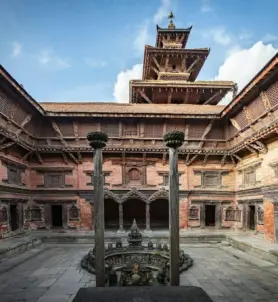
Architecture: Pashupatinath features a multi-tiered Nepali pagoda-style temple with intricate wooden carvings. Boudhanath features a giant white-washed hemispherical dome, a massive mandala, and a tower painted with the all-seeing eyes of the Buddha.
Location: Pashupatinath sits on the banks of the sacred Bagmati River, while Boudhanath is situated in an eastern district of Kathmandu surrounded by a bustling Tibetan community and monasteries.
Rituals and Practices: Pashupatinath hosts daily pujas, aartis, and open-air cremation ceremonies along the river ghats. Boudhanath involves peaceful circumambulation, walking clockwise, spinning prayer wheels, chanting mantras, and flying colorful prayer flags.
Atmosphere: Pashupatinath is typically crowded, loud, and intense with priests, devotees, sadhus, and animals. Boudhanath is known for a calm, quiet, and deeply contemplative environment centered around