


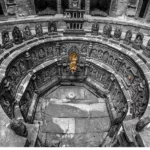


Patan city tour is famous for spectacular medieval architecture, ancient courtyards, palace and Buddhist and Hindu temples. Patan is in the historic heart of Lalitpur, a UNESCO World Heritage sites of Kathmandu. Book Patan day tour and explore rich culture and history of Patan city with Patan Museum, Durbar Square, and beautiful temples.
Experience awe-inspiring temples, intricate architecture, and vibrant culture of Newar on Patan day sightseeing tour. Patan is also known as Lalitpur, the city of fine arts. The medieval Patan Durbar Square is dotted with Buddhist and Hindu sites. The durbar square was once the royal seat of Malla Kings. You will see the exquisite works of art and architecture crafted by Newari artisans of that period in Patan tour.
The Lord Krishna Stone Temple, The Royal Bath, Viswanath Temple, Bhimsen Temple, Ganesh—the Elephant Head God—and other noteworthy structures are the main draws of Patan Durbar Square. The magnificent Krishna Temple with its 21 gilded spires and the Manga Hiti, the sunken stone water spout, found in the palace complex are a few examples of its opulence. The Krishna Temple, completely built with stone is Nepal’s first example of Shikhara-style architecture.
Mahabouddha Temple, the magnificent Buddhist monument known as Mahabouddha, a work of excellent terra cotta craftsmanship, is located to the east of Patan Durbar Square. Thousands of images of Lord Buddha are etched on this architectural wonder from the 14th century.
Rudra Varna Mahavihar also known as Uku Bahal, is a magnificent collection of images and statues made of metal, stone, and wood that is located close to Mahabouddha. A two-story house with gilded roofing encloses the stone-paved courtyard. In the past, this monastery served as the site of royal coronations. Even now, many of the gifts made by believers are still on display here.
Hiranya Varna Vihara, the three-story temple, also known as the Golden Temple, dates to the 12th century and contains a statue of the Buddha in the courtyard, or Kwa Bahal. The monastery is renowned for its exquisite reposes and woodcarving art. From the northern end of Durbar Square, it is a five-minute walk to the west and north.
Kumbeshwor, the temple dedicated to Shiva is the only five-storied pagoda in Patan and one of the only three surviving five-storey temples in the country. A natural spring within the courtyard of this temple built in 1392 is said to have its source in the glacial lake of Gosainkunda in northern Kathmandu. On the day of Janai Poornima in August, a sizable crowd of devotees assemble here for a ceremonial bath.
Ashoka Stupa, there are four stupas, supposed to have been built by Emperor Ashoka of India in 250 BC, marking the four corners of Patan. They are located, successively, at Phulchowki, Lagankhel, Ibahi, and Teta (route to Sano Gaon). Buddhism was thriving in the Kathmandu Valley when they were constructed.
Patan City Tour Itinerary
Day 1: Kathmandu to Patan Tour
Pick up from hotel after breakfast and drive to Patan. Tour around Patan and drive back to Kathmandu. Patan tour is also possible to combine with Bhaktapur tour.


