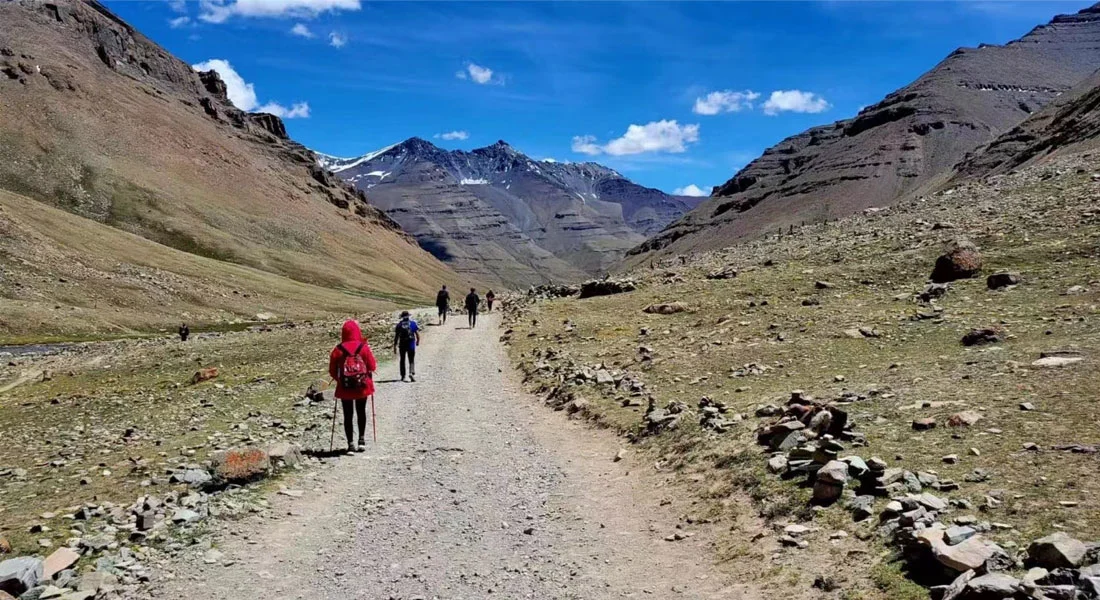
Simikot Kailash Tour
Mount Kailash is situated in the western Tibet. It is approximately 1500 km from Lhasa and 900 km from Kathmandu. Mount Kailash Tour from Lhasa by overland takes around 13 to 16 days including sightseeing en route and a night stay at Everest Base Camp. Alternatively, tour to Kailash Manasarovar from Kathmandu via Gyirong border is the most popular route. It generally takes 10 days by overland tour.
Ngari Gunsa (ALI) Airport is the nearest airport to Kailash. The flights from Lhasa, Kashagar, Urumqi, Chengdu, and Xian to Ali are operating .The best and quickest flight is from Lhasa to Ngari Gunsa Airport. It is 3 hours flight and 5 hours(250 km) drive to Mt Kailash. The flight schedules are limited.
Simikot Kailash Tour Route
The road to Kailash Manasarovar has been greatly improved in recent years. The roads are well paved, except for a gravel stretch near Lake Manasarovar. We ensure a comfortable journey by providing well-maintained vehicles and experienced local Tibetan drivers. Sit back, relax, and savor the excitement of your adventure to the holy Himalaya Kailash.
Season(Best Time) for Simikot Kailash Tour
April to October are the best time for Kailash Tour. The average temperature at this season will be 9.5°C. The daytime temperatures typically range from 10-15°C, and the nighttime temperatures will drop below freezing.
The minimal rainfall will be in Tibet. July and August are rainy seasons, more rainfall than the other months. Expect clear blue skies, white clouds, diverse vegetation. May is the best time to witness the breathtaking beauty of Kelsang flowers.
Accommodation on Simikot Kailash Mansarovar Tour
The state of accommodation in Kailash tour are basic-almost basic dorm beds in guesthouses and small inns. Generally, guesthouse room along Kailash Kora can accommodate 3 to 4 people with shared toilets.
The private bathrooms and bathing facilities are not accessible during Kailash kora trek. It’s recommended to bring wet wipes along to ensure basic cleanliness.
Drinking Water on Simikot Kailash Tour
The tent tea houses provide hot drinks such as Tibetan butter tea, sweet tea, and bottled water.You can bring your personal bottles to fill the drinking water and carry it. The drinking water directly from taps and rivers is not recommended.
Meals on Simikot Kailash Tours
State of Food in Kailash Tour(Yatra) remains quite basic. The tent tea houses and monastery guesthouses offers simple meals such as instant noodles and egg-fried rice. The fresh meat and vegetables are scarce in local area. The vegetables and all food items supply from larger cities like Lhasa and Shigatse. The cost of meal is relatively higher compared to the other cities. It is nice to bring some chocolate and energy bars for the hike to maintain your energy levels during the Kailash trek journey.
Permits for Simikot Kailash Tour
Tibet Travel Permit is required to enter into Tibet. Without Tibet travel permit, you can not board on flight and train to Lhasa Tibet. A minimum of 6 months passport validity, Chinese visa are also necessary to apply Tibet travel permit if you are coming to Lhasa from mainland China. Also, you are going to Kailash and Tibet from Kathmandu, no necessary Chinese visa to apply TTB permit.
After receiving permit, we apply group Chinese visa at Chinese Embassy in Kathmandu. The original passport is required. For Chinese group visa, it takes 3 to 4 working days. The Embassy opens from Monday to Friday.
The additional travel documents such as the Alien’s Travel Permit and the Military Permit are also required for Kailash Mansarovar Tour.
Simikot Kailash Tour Cost
Tour to Mt. Kailash is not cheap. Kailash Package Cost ranges from USD 4500 to 6500 USD per person. The travel cost cover meals, hotels, transfers, guide, entrance ticket and travel permits. For a solo traveler visiting Mt. Kailash, the price will be staggeringly high.
Therefore, Kailash joining group tour is a great choice to cut the price. There will be 8 to 12 travelers in our small group tour to Kailash. So, share the cost and meet many interesting souls on joining Kailash Tour.
Generally, for Indian nationals, the price range will be in between $2000 to $4000 while for non-Indian nationals the price range will be in between $3000 and $5000. There are various factors will affect the price for Kailash Mansarovar trip such as the route you travel, number of people in a group, traveling season, means of transportation, standard of hotel and dining, and other aspects.
Kailash Tour Route
The major routes available for Kailash Mansarovar Yatra. Firstly, Kailash tour via Lhasa where you will fly to Lhasa from Kathmandu. Staying a couple of days in Lhasa and Lhasa sightseeing, you then drive from Lhasa to Kailash via Shigatse, Gyantse and Lhatse.
Secondly, Kathmandu to Kailash overland tour drives all the way to the Tibetan border-Gyirong. Tour to Kailash Manasarovar Lake via Saga. Kathmandu Kailash tour is the most popular itinerary for the Kailash trip.
Thirdly, Kailash Tour via Nepalgunj, Simikot, Hilsa and Purang. Kathmandu to Nepalgunj by flight and then to Simikot by flight. Simikot to Hilsa either by trek or by helicopter flight and then you will drive to Kailash Mansarovar via Purang.
Packing list for Simikot Kailash Yatra
Travel Documents
Passport size photos – 2 copies
Keep photos and passport in a small zip bag to protect from rain
Travel Clothing
Headwear
Winter hats with ear covers – 2 piece
Headlamp with extra batteries
UV protective Sunglasses with retainer (Thread/chain)
Hand wear
Hand Gloves – 2 pairs (One warm and soft , one water resistant/Ski Gloves)
They keep your hands warm and comfortable. One pair should be warm and soft, suitable for mild weather and daily activities. The other pair should be water-resistant or ski gloves, suitable for cold and wet weather and outdoor activities.
Bodywear
Long Sleeve Shirt – 2 pieces (Fleece or Hoodie)
Short sleeve T-shirt or Polo – 1 piece
Warm Scarf – 1 piece
Shawl – 1 piece
Gore-Tex – 1 pair
Windbreaker jacket
Oversized Poncho – 1 piece (lightweight and cheap ones only!)
Thermals – 2 pairs (two leggings and two top – microfiber thermals recommended)
Pajamas – 1 set (Warm one for night’s sleep)
Down jacket (provided or May choose to bring your own)
Undergarments – 5 pairs
Pants – 5 pairs (2 YOGA pants or Joggers, 1 Cargo, 1 windproof- waterproof – breathable, 1 Ski Pants)
Footwear
Extra Thick socks – 2 pairs (woolen ones are recommended)
Sock Liners – 2 pairs(for Parikrama Days)
Regular socks – 4 pairs (to be worn up until Mansarovar and return)
Ankle support Hiking Boots (should be 1 size bigger than your foot measure)
Sneakers or Tennis Shoes – 1 pair
Trekking Equipment
Small backpack preferably with an outside pocket to hold a water bottle(child size only!).
Trekking Poles – 2 pair (to be used during Parikrama)
Trekking Accessories
Bags (4 small and large zip lock, 4 X- large garbage bags, 10 plastic grocery bags)
Locks – for your luggage (3 Combination locks recommended)
Digital Camera (with video capability)
I-pod or Mp3 player, Speakers
A water bottle (should hold up to 30 oz)
A hot water bottle (to drink water at night time (should hold up to 24-30oz))
Hand warmers and foot warmers – each 8 pairs (totaling = 16 pairs (32 individual packets) )
Umbrella
First Aid and Medicines
Antibiotics for chest and respiratory tract infections and the other for abdominal or bowel infections.
Painkillers (Paracetamol, Aspirin, Ibuprofen, Tylenol, or Advil) for headaches or body aches.
Cough Lozenges
Plasters, Bandages and Zinc Oxide Tape
Foot Powder
Skin-blister repair kit
Common anti-diarrhea pills(Imodium or Lomotil)
Altitude sickness drugs
Diamox or Acetazolamide to prevent AMS.
Water purification tablets or water filters
Earplugs
Sunscreen Cream
Lip Balm
Insect Repellent
Hand Sanitizer
Wet Wipes/Baby Wipes (recommended)
Snacks such as chocolates, nuts, sweets, energy bars, etc.
Electrolytes, powder, or tablets (optional)
Toiletries/Personal Hygiene
Towel -1 (lightweight)
Pillowcase and sheet
Toothbrush (preferably biodegradable)
Toothpaste (preferably biodegradable)
Contact lenses or Glasses
Soap – small bar or bottle (preferably biodegradable)
Dry Shampoo (preferably biodegradable)
Quick-drying towel (medium-sized)
Deodorants
Nail Brush and Clippers
Small hair brush
Moisturizing cream ( for hand and face)
Face wipes
Toilet paper
Eye drops
Oral rehydration sachets
Flasks