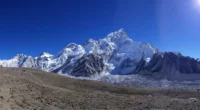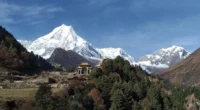
Mount Dhaulagiri, the world’s seventh highest mountain in Nepal. Mt Dhaulagiri was first climbed on 13 May 1960 by a Swiss-Austrian-Nepali expedition. Annapurna I (8,091 m is 34 km east of Dhaulagiri. The Kali Gandaki River flows through the Kaligandaki Gorge, the world’s deepest. Dhaulagiri comes from Sanskrit words dhawala means dazzling, white, beautiful and giri means mountain. Dhaulagiri I is also the highest point of the Gandaki river basin.
The South Face of Mount Climbing
Climb Dhaulagiri is not easy. It is a serious high-altitude mountain where climbers lose their lives every year. The fatality rate of Dhaulagiri is slightly more than 16%, making it one of the most dangerous mountains to climb. Records show that by the end of 2023, a total of 669 people ascended Dhaulagiri I, including 392 without supplementary oxygen.
Four major faces present opportunities for ascent: Northeast Ridge – It is the first ascent route. The South Face is regarded as one of the hardest and deadliest routes among the numerous routes that lead to the top of Mount Dhaulagiri.
Dhaulagiri Trek is the toughest hiking trip in Nepal due to high passes, remoteness and lack of tea house lodges on the trail. The Dhaulagiri Circuit Package Trek is suitable for trekkers with previous trekking experience of above 5,000m. The Dhaulagiri round trek is good to explore the nature and culture of Western Nepal. The trekking around Dhaulagiri Circuit is challenging hike as you need to cross-the French Pass (5360m) and Dhampus Pass (5240m).
Dhaulagiri Circuit Trek
Dhaulagiri Circuit Trek is a full camping and a quite technical trekking which is demanding and a prior high-altitude experience is recommended. Two high passes-the French Pass (5360 m) and Dhampus Pass (5200 m) need to cross and a high level of fitness is compulsory. Basic mountaineering skills are also recommended. You will get truly a splendid experience of Dhaulagiri mountain range including Tukuche Peak (6920 m), Dhaulagiri I (8167 m), Dhaulagiri ii (7751 m), Dhaulagiri III (7715 m) and Dhaulagiri V (7618 m).
Attractions of Dhaulagiri Base Camp Trek
Dhaulagiri Trek is one of the most popular treks in Nepal. This takes you through some of the most beautiful scenery in the world, including snow-capped mountains, green valleys, and traditional villages. The trek is challenging but rewarding, and it is an experience that you will never forget. The Dhaulagiri Trek is an amazing experience that should not be missed. If you are looking for a challenge, and want to see some of the most beautiful scenery in Nepal, then this trek is for you.
Firstly, the trek takes you to the base camp of Mt. Dhaulagiri (8,167m), which is the seventh highest mountain in the world. The trek also offers stunning views of some of Nepal’s other iconic mountains such as Annapurna I (8,091m) and Machhapuchhre (6,993m). The Dhaulagiri Trek is a challenging but rewarding trek that should not be missed by any adventure seeker visiting Nepal
Highlights of Mount Dhaulagiri Trek
The Dhaulagiri Trek is one of the most popular treks in Nepal. It offers stunning views of the Himalayas, including Mount Dhaulagiri, and is a great way to see some of Nepal’s amazing wildlife. The trek can be done in 7-10 days, depending on your fitness level and how many side trips you take. Here are some of the highlights of the Dhaulagiri Trek.
The scenery-The Dhaulagiri Trek offers some of the most incredible views of the Himalayas that you’ll find anywhere. On a clear day, you can see all the way from Mount Everest to Mount Kanchenjunga.
The wildlife-The Dhaulagiri Trek is home to a variety of wildlife, including rare birds and animals such as the red panda.
The people-You’ll have a chance to meet and interact with the local people who live in the villages along the trekking route. You’ll also get to experience their unique culture and way of life.
The challenge-The Dhaulagiri Trek is a challenging trek, but it’s an achievable goal for most people with a good level of fitness. It’s a great way to push yourself physically and mentally, and you’ll feel an incredible sense of achievement when you reach the summit of Mount Dhaulagiri.
The tea houses-Along the way, you’ll stay in small local guesthouses known as “tea houses”. These are basic but comfortable and a great way to get to know the people in the area.
Dhaulagiri Circuit Trek Routes
Dhaulagiri Circuit Trek route from Beni, 4 to 5 hours drive north from Pokhara. But it is also possible to trek Dhaulagiri from different other location. You can start the trek from Darbang, the best location to start the trek. There are two option from Darbang; you can walk alongside the river or climb high above the ridge to Dharapani. Though the ridge route is tough, the views are way more rewarding than the river route.
We walk through Darbang, Takum, Muri, Bhogara, Doan and Italian Base Camp to reach Dhaulagiri Base Camp. We continue further and walk through highly elevated trail passing multiple high passes (French pass and Thapa Pass) via hidden valley, Yak Kharka, Muktinath, Jomsom to Pokhara and Kathmandu. If you have less time; you can drive to Dharapani and start the trek from there.
Dhaulagiri Trek Difficulty
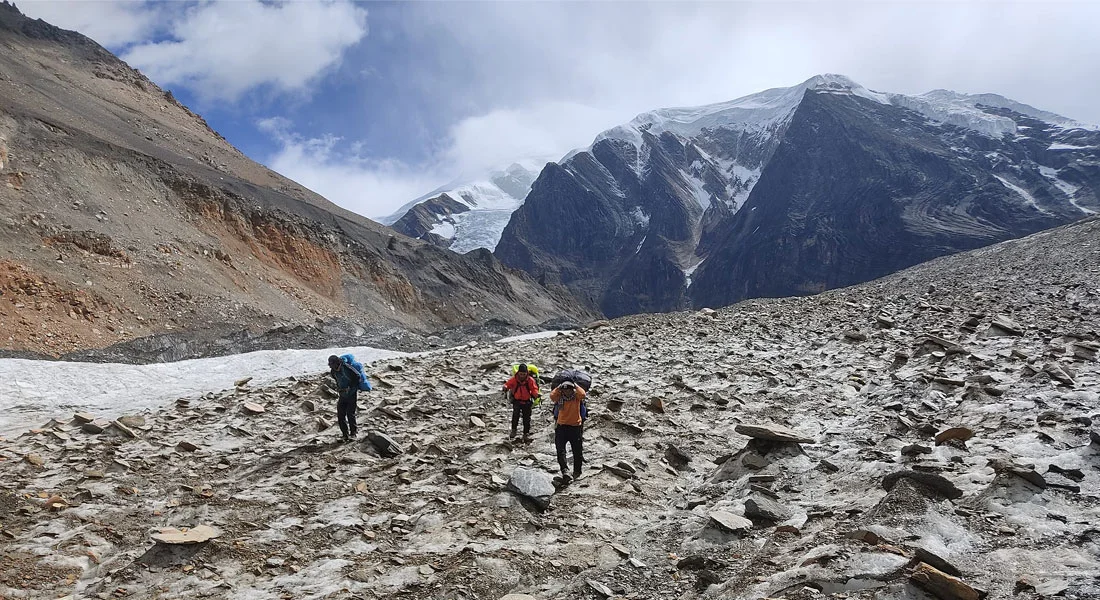
Dhaulagiri Trek is rated as challenging high-altitude treks in Nepal. Trekkers have to cross 5,000m+ high passes and walk along the remote high-altitude trail for several days. Altitude is major problem in Dhaulagiri Circuit trail. Tourism infrastructure is almost in zero condition above Italian Base Camp. The misleading trail often covered with snows makes it very difficult to point out the right trail.
Some of the location have no water source (if available not healthy to drink), it better to carry enough water and water purifier. As there is no teahouse above Italian Base Camp, trekkers have camp for 4 days in remote region which might not be suitable for every trekker. A high level of fitness, stamina and determination is required for the trek. You will need to walk over the high pass (5,000+) and trek along the remote terrain for several days.
Dhaulagiri Circuit Trek: Permits
The TIMS Card and the Annapurna Conservation Area Project Entry Permit are required to trek around Dhaulagiri. We arrange your permits for you, for this passport photocopies and two photographs are required. It costs USD 50 for both Dhaulagiri Trek Permits.
Best Seasons for Dhaulagiri Trekking
The Dhaulagiri Trek is a classic trekking route in Nepal that takes you through some of the most stunning scenery in the Himalayas. The best time to go on the trek is from March to early June since the weather is dry and stable. This is also the busiest time of year, so be prepared for crowds. If you’re looking for a more challenging trek, you can attempt the Dhaulagiri Circuit, which goes around the entire massif. This route is only recommended for experienced trekkers, as it includes several high-altitude passes. The best time to attempt this circuit is from mid-September to mid-December.
October and November: This is the best time. It’s not too hot at lower altitudes and not too cold at higher altitudes. The mountains are clear and it is the best time to trek Kanchenjunga.
April to May: This is considered the second-best time to visit. The rhododendrons are in bloom on the lower part of the trail. It might be hot and humid at lower altitudes. But with the same great views as you get in October and November, mountain scenery makes up for a few days of sweatiness!
June to September: It does not recommend you to trek at this time of year. It’s raining and there are chances of landslides on the lower parts of the trail. It’s likely be cloudy most of the time. And let’s not even think about those leeches.
December to March: This is the winter season. The Sele Le Pass will be blocked because of snow. Teahouses on the northern and southern base camps are closed. The Kanchenjunga Trek is strongly not advisable in the winter.
Is guide necessary for Dhaulagiri Round Trek?
While it’s possible to trek in Dhaulagiri region independently, hiring a local guide and porter is highly recommended. They can provide valuable insights into the culture, navigate trail and ensure your safety and comfort throughout the journey.
Dhaulagiri Trek: Accommodations
There are many accommodation options available on the Dhaulagiri Trek. You can choose to stay in a basic teahouse, which is a common option for trekkers. These are usually family-run and offer simple accommodations with shared bathrooms. You can also choose to stay in a more luxurious lodge, which will offer private rooms and en-suite bathrooms. There are also a few camping sites available on the trek, which is a great option for those who want to be close to nature.
There are basic homestay style tea houses and lodges throughout the route. Fancy lodging and dining facilities are not available. Most tea houses have basic rooms with twin beds, hard mattresses, and blankets. Carrying sleeping bag, mattress and travel liner will keep you warm, on cold nights.
For larger groups, you either have to split between the tea houses or go camping. When you are staying at the tea houses, the rooms are basic with shared toilets and bathrooms. The toilets have Nepali style commodes. For bathing, tea houses can arrange you a bucket of hot water.
Dhaulagiri Trek Packing Lists
Please pack pretty light and manage to wash most of your clothes each afternoon/night for the first half of the trip. In the latter stages of the trip, it is pretty cold and wear warm gear basically nonstop while at the teahouses. There will be no real need for multiple outfits. This is just a guide and it works quite well. You need a sleeping bag as there are not blankets in each guesthouse and when gets cold you also need a good down jacket.
Below is a list of suggested items that you should bring while going for Dhaulagiri trek.
1 Backpack
1 Sleeping bag and sleeping pad
1 Water bottle or hydration bladder
1 pair of trekking poles
1 pair of trekking boots
Trekking clothes (pants, shirts, jacket, etc.)
1 pair of pants that maybe convert to shorts
1 pair of shorts
1 Warm or thicker pair of hiking pants
1 Long sleeve quick-dry shirt
1 Long-sleeve thermal shirt
2 Short-sleeve t-shirts
1 Thermal long underwear
4 pairs of quick-dry underwear
1 Lightweight down jacket
1 Heavy-duty summit down jacket
1 Beanie
1 Cap
1 Sunglasses
1 Neck Buff
1 Gloves
1 Head Lamp
Micros pikes
1 pair Gaiter
1 pair of warm summit socks
2 pairs of regular socks
1 Sunscreen
1 Trekking poles
1 Water filter
1 Power bank
Toiletries
Personal first-aid kit
High-energy snacks and meals
Map and compass
Camera
What size of backpack you need to bring for Dhaulagiri Trek?
All of this should fit into a backpack no bigger than 50L and should be less than 14 kg.
How is WIFI Connection during Kanchenjunga Trek?
Unlike many treks in Nepal there is almost no WIFI on this route. NTC sim card work for the first day and a half on the trek but once we reached Tashigaun, the connection is over. Be prepare not to have electricity, hot water, or wi-fi on the trek even if a place has all the facilities. Often something doesn’t work and there is no power in the village, it is a cloudy day and a solar panel couldn’t warm water in the shower, they ran out of Internet cards, there is no running water because pipes are frozen. I’d recommend asking if everything works fine before checking in.
What is the situation of Electricity?
This is the least power. Most places run off solar and didn’t have places to charge items for the clients. It is possible but you need to pay for a fee like in other teahouses around Nepal.
Dhaulagiri Circuit Trek Cost
The Dhaulagiri Trek cost ranges from USD 1850 to USD 3550, it depends on the length of trek and the services. Basically, the price covers your transport, accommodation, food, guide fees, porter and trekking permit fees. Any kind of drinks such as beer, snacks, hot showers, recharging your phone or camera, tipping the guide and porter are not included in the package price.
Meals on Dhaulagiri Trek.
You will find a quite basic meals in Dhaulagiri Trek such as Dalbhat, bread, soup, tea or coffee. You will not get varieties of meals like treks in Nepal such as Annapurna and Everest. The Dhaulagiri Trek is a great trek for food lovers. There are plenty of options for food on the trek, from simple snacks to full-course meals. The following are some of the food options available on the Dhaulagiri Trek.
Simple snacks: There are plenty of simple snacks available on the Dhaulagiri Trek, such as biscuits, energy bars, and fruits. These snacks will give you a quick boost of energy and are perfect for when you need a quick snack.
Full-course meals: If you want something more substantial, there are also full-course meals available on the Dhaulagiri Trek. These meals usually include rice, vegetables, meat, and soup. They are perfect for when you need a hearty meal to fuel your trekking adventures.
Local specialties: If you want to try something truly unique, be sure to try some of the local specialties available on the Dhaulagiri Trek. These dishes are usually made with local ingredients and offer a delicious taste of Nepal.
Drinks: It is important to stay hydrated during the trek, so be sure to stock up on plenty of non-alcoholic drinks. These can include energy drinks, soft drinks, and fruit juices.
Alcoholic drinks: If you’re feeling adventurous, there are also some local alcoholic beverages available on the Dhaulagiri Trek, such as raksi and chhyang.
Travel Insurance for Dhaulagiri Trek.
Travel Insurance is vital for Dhaulagiri Trek. In case of unforeseen incident or accident, you might require medical assistance and evacuation which might be expensive; it is wise to get insured that covers the costs of air ambulance and treatment. Make sure your insurance covers all the travel related risks – like stolen, damaged or delayed baggage, interruptions and flight delays.
Tips to guide and porter
The guide and porter will expect a tip. This can reflect your overall satisfaction but it should be in the region of USD 200 for the guide, USD 150 for a porter. This amount is shared between the trekkers in your group.
Safety
You have already done the groundwork regarding the safety record of the trekking company, and you have bought your insurance. The guide will be carrying a first aid kit. But we recommend you also carry your own, particularly if there are special medicines you require. Probably the most common injury on a trek is a sprained ankle or sunburn. But you should also take into consideration altitude sickness.
Altitude Sickness
This is not something we can predict. It is not known why some people suffer while others do not. It has nothing to do with age or fitness level. Pushing ahead too quickly, climbing too high too fast can result in problems. AMS or Acute Mountain Sickness occurs when we ascend too quickly. Normally at altitudes 3,000m/ 9,840ft or over.
What does it feel like?
Headache, shortness of breath and light-headedness. These are also related to being dehydrated. Stay hydrated and your body will most likely adjust to the altitude itself.
What if it gets worse?
If the symptoms continue, tell your guide. Especially if you are suffering from:
Difficulty in sleeping.
Need an unusual amount of sleep.
Loss of appetite.
Vivid dreams.
The need to rest/ catch your breath frequently, especially above 3,500m/ 11,483ft.
Runny nose.
Need to pee more.
Dizziness.
Altitude sickness can vary between mild symptoms and more serious stuff. Mild symptoms should clear up themselves with drinking lots of water, walking slowly and taking rest. More severe symptoms are a sign you must descend immediately.
Dhaulagiri Base Camp Trek Add-on Treks.
It is possible to combine Dhaulagiri Base Camp Trek with other treks such as Poon Hill, Muktinath, Mustang and Annapurna Circuit and Annapurna Base Camp Trek.
Conclusion:
The Dhaulagiri Trek is not for a weak heart, but the rewards are boundless. The sense of achievement and the memories you’ll create in this remote and stunning part of Nepal will be worth in every step of the journey. As you embark on this adventure, remember to savor the beauty of the Himalayas and the warmth of the local communities that makes, Dhaulagiri a true hidden gem. Please feel free to write us at [email protected] or call or message on WhatsApp at +977 9851023742 to hear more about of the Dhaulagiri Trek.
 Talk to Expert