About Langtang Valley Trek
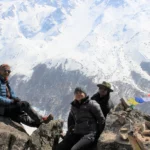
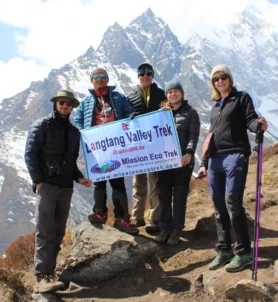
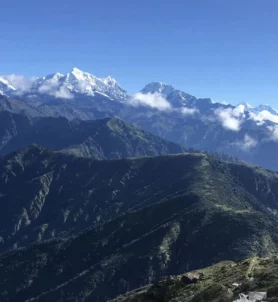
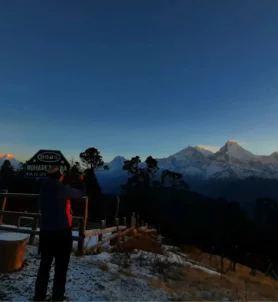
The Langtang Valley Trek is in northern Nepal, near the Tibetan border, starting from Syabrubesi. It is close to Kathmandu (6-7 hour drive) and offers views of snow-capped peaks, glaciers, Tibetan-style villages, monasteries, and alpine forests within Langtang National Park.
Duration of Langtang Valley Trek
The Langtang Valley Trek typically takes 7 to 10 days to complete, depending on the route and pace. Since it’s close to Kathmandu, it’s one of the most accessible Himalayan treks, ideal for those with limited time.
Highest Elevation of Langtang Valley Trek
The highest point on the Langtang Valley Trek is Tserko Ri, which stands at approximately 4,980 meters (16,338 feet). It’s a challenging day hike from Kyanjin Gompa and offers stunning 360° views of the Langtang Himalayan range, including Langtang Lirung.
Sightings on the Langtang Valley Trek
Trekkers will see stunning snow-capped peaks, glaciers, and alpine forests. You’ll pass through traditional Tibetan-style villages and visit ancient Buddhist monasteries. The trek offers beautiful views of mountains like Langtang Lirung, Dorje Lakpa, and Ganchenpo within the scenic Langtang National Park.
Langtang Valley safe to trek alone
Trekking alone is generally safe, but it is recommended to join a group or hire a guide, especially for those without high-altitude trekking experience.
Langtang Valley Trek suitable for beginners
The trek is graded as moderate and is generally suitable for beginners with a reasonable fitness level and proper preparation.
The Langtang National Park
Langtang National Park is Nepal’s first Himalayan national park, known for its wildlife, glaciers, forests, and Tibetan Buddhist villages.
Syabrubesi, the starting point of Langtang Valley Trek
The trek starts at Syabrubesi, which is a 7-8 hour bus ride from Kathmandu.
Temperatures on Langtang valley Trek
Day time temperatures are mild (10°C to 20°C), but at higher altitudes, nights can drop to -10°C, especially in winter. Warm clothing is essential.
Best time to trek Langtang Valley in Nepal
The best time to trek the Langtang Valley is during spring (March to May) and autumn (mid-September to November). These seasons offer clear skies, stable weather, and the best mountain views. Spring also brings blooming rhododendrons, while autumn features crisp air and vibrant landscapes.
Guide for Langtang Valley Trek
While it is possible to trek the Langtang Valley independently, hiring a licensed guide is highly recommended for safety, local insights, and easier navigation through the trails.rn
Langtang Trek Guide Speak English
All of our guides speak English. They are experienced, licensed professionals trained to communicate clearly with international trekkers. Beyond guiding, they also help you understand local culture, translate in villages and teahouses, and ensure a smooth, informed journey throughout the trek.
Guide frequently trek to Langtang Valley
Our guides are highly experienced, with 5 to 15+ years of trekking across Nepal. They know the Langtang Valley in detail and are well-equipped to lead you safely and confidently through the region.
Permits for Langtang Valley Trek
You don’t need to issue the permit yourself. We handle the Langtang National Park Entry Permit for you, so everything is ready before your trek begins. You will need the Langtang National Park Entry Permit. We arrange the permit for you as part of our service.
Documents for Langtang Valley Trek permits
We need your original passport for the permit. You’ll also need to upload a scanned copy of your passport through our booking portal. This helps us arrange all necessary documents in advance before your arrival.
Cost for Langtang Valley Trek
The cost of the Langtang Valley Trek includes your guide, all required transport, permits, and three meals a day. Drinks and snacks are not included. Porter services and private transport are available at an additional cost and can be selected during the checkout process.
Money carry on Langtang Valley Trek
We advise you to carry an additional 15 to 20 USD per day for your trek. Please note that cards and foreign currency are not accepted in the trial. It’s essential to have Nepali Currency (Rupee) with you for all transactions during your trek.
The extra costs for Langtang Valley Trek
Extra costs for the Langtang Valley Trek may include drinks and snacks ($2–$10 per day), Wi-Fi ($3–$5), hot showers ($2–$4), device charging ($2–$4 per hour), and tips for your guide or porter.
Langtang Trek Booking Process and Cancellation
Book your Langtang Valley Trek with us
You can select your preferred date from our fixed departures and click on Book Now, our system will guide you through the rest. If you prefer a private trip, simply choose the private trip option during checkout.
Accommodation and Food on Langtang Valley Trek
Food available on the Langtang Trek
Teahouses on the Langtang Valley Trek offer a variety of meals, including local dishes like dal bhat (rice and lentils) and Western options such as pasta, pancakes, noodles, soups, and fried rice. Vegetarian meals are widely available.
Accommodations available on the Langtang Valley trek
Accommodation on the Langtang Valley Trek is in basic teahouses, locally run lodges that offer simple twin-sharing rooms with beds, blankets, and shared bathrooms. Some teahouses at lower elevations may have attached bathrooms and limited hot showers for an extra charge.
The traditional food on Langtang Valley Trek
Try traditional dishes like dal bhat, momos, thukpa, and tsampa porridge for an authentic Himalayan food experience.
Single room in Langtang Valley Trek
If you want a single room on the Langtang Valley Trek, you can request it during the booking process. We’ll do our best to arrange it, but availability may be limited at higher altitudes. Additional charges may apply.
Hotel recommendations in Kathmandu
For luxury stays in Kathmandu, we recommend Marriott Kathmandu, Dwarika’s Hotel, Aloft Hotel, or Hotel Shankar. For budget-friendly options, Bodhi Boutique Hotel and Kumari Boutique Hotel are excellent choices.
Hot shower in Langtang trek
Hot showers are available at most teahouses for an extra fee, usually $2 to $4.
Laundry in the Langtang Valley Trek
Laundry service is not available in the trek. You can wash your clothes with your hands if you want to.
Luggage and Storage in Kathmandu
Weight for your Backpack in Langtang Valley Trek
We recommend you pack light, the ideal backpack weight is 8 to 9 kg (17 to 22 lbs) for a comfortable trekking experience.
The weight limit of the porter
The weight limit of the porter is 20 kg (44 lbs). If you hire a porter, we’ll provide a duffle bag for your belongings.
Luggage storage facility at our office
We provide free storage at our office in Kathmandu. Most hotels in Kathmandu also offer free luggage storage, so we recommend checking with your hotel as well.
Transfer luggage to Pokhara after the trek
We can transfer your luggage to Pokhara at no additional cost. Just let us know in advance so we can make the necessary arrangements.
Payments and Extra Costs
Remaining payment of Langtang Valley Trek
We accept the remaining payment in cash and all major currencies including USD, EUR, and NPR. If you prefer to pay by card, 4% bank fee will be applied.
Recommend extra money on the Langtang Valley Trek
We recommend carrying USD 10 to 15 per day in Nepali Rupees for personal expenses during the trek, such as drinks, snacks, Wi-Fi, hot showers, and charging. Credit cards and foreign currencies are not accepted on the trail, and exchange rates in remote areas are not reasonable, so it’s best to exchange your money in Kathmandu before the trek.
Additional costs for Langtang Valley Trek
Your guide, accommodation, meals, and transport are included in the price, but drinks are not. Extra costs on the trail may include hot showers ($3–$5), charging devices ($2–$4 per charge), and Wi-Fi ($3–$5) at teahouses.
Langtang Trek Safety, and Altitude
About altitude sickness in Langtang Valley Trek
To prevent altitude sickness on the Langtang Valley Trek, ascend gradually, stay well-hydrated, eat properly, and avoid alcohol. Take acclimatization breaks and listen to your body. If the symptoms appear, rest, descend if needed, and consider taking Diamox (after consulting your doctor).
Minimize the environmental impact
To minimize your environmental impact on the trek, carry a reusable water bottle, avoid plastic packaging, dispose of waste properly, use eco-friendly toiletries, and stay in locally run teahouses. Respect nature, stick to the trails, and support sustainable practices.
Carry Trash in Langtang Valley Trek
Carry your trash with you until you find a proper disposal bin. Avoid littering on the trail, and if possible, bring reusable containers and pack out non-biodegradable waste like wrappers and plastic bottles to dispose of in Kathmandu.
Wi-Fi on the Langtang Valley Trek
Wi-Fi is available at most teahouses along the Langtang Valley Trek, usually for an extra fee of USD 3 to 5. However, the connection can be slow and unreliable, especially at higher altitudes.
Medical facilities on the Langtang Valley Trek
Medical facilities are limited on the trek, with basic care available in Kyanjin Gompa. For serious issues, evacuation to Kathmandu is needed, so carry a first aid kit and have travel insurance.
Electronics on the Langtang Valley Trek
You can charge your electronics at most teahouses for an extra fee of USD 2 to 4 per device, but availability may be limited at higher altitudes so bring a portable charger (Power Bank).
Wildlife on Langtang Valley Trek
On the Langtang Valley Trek, you may see red pandas, Himalayan thar, langurs, musk deer, and various bird species like Himalayan monals and eagles. Keep your eyes open, especially in the forested areas of the national park.
Condition of Langtang Trekking Trail
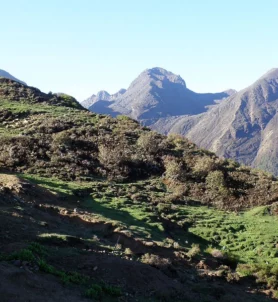
The Langtang Valley trail is well-marked and passes through forests, suspension bridges, rocky paths, and gradual ascents. While generally moderate, it can be steep or uneven in sections, especially near higher altitudes. Trail conditions may vary with weather.
Sanitation facilities on Langtang Valley Trek
Sanitation facilities on the trek are basic. Most teahouses have squat toilets or simple Western-style toilets. Carry toilet paper, hand sanitizer, and wet wipes, as these may not be provided. In remote areas, you may need to use outdoor toilets, so be prepared and practice Leave No Trace principles.
Alternative routes in Langtang Valley Trek
Yes, there are a few alternative routes within the Langtang Valley Trek. You can extend your trek to Tserko Ri for panoramic views, explore Langshisha Kharka for a quieter experience, or combine the route with Gosaikunda Lake or the Helambu region for a longer adventure.
Any dangerous animals on the trek
Dangerous animal encounters on the Langtang Valley Trek are extremely rare. While the region is home to wildlife like bears, leopards, and wild boars, they are shy and tend to avoid humans. Staying on the trail and trekking during daylight hours minimizes any risk.
Safety on the Langtang Valley trek
Stay on the main trail, be cautious of landslides, and keep informed about weather conditions.
An emergency case in Langtang Valley Trek
In case of an emergency on the trek, inform your guide immediately. They are trained to handle emergencies and can arrange for medical assistance or helicopter evacuation if needed. Magical Nepal will coordinate the emergency response. Always carry travel insurance that covers high-altitude trekking and emergency evacuation.
Drink tap water on Langtang Valley Trek
Tap and stream water on the trek is not safe to drink untreated. Use purification tablets, a filter bottle, or buy boiled water from teahouses to stay safe and hydrated. Avoid drinking untreated water directly from taps or rivers.
Avoid getting lost in Langtang Trek
To avoid getting lost on the Langtang Valley Trek, stay on the marked trail, follow your guide, and avoid hiking alone especially in fog or poor weather. If trekking independently, carry a detailed map, GPS device, or use a reliable offline trekking app.
The Langtang Valley Trek in Monsoon season
It is not recommended to do the Langtang Valley Trek during the monsoon season due to heavy rains, landslides, slippery trails, and the presence of leeches, which can make the trek challenging and unsafe.
Tourism impact on the Langtang Valley Trek
Tourism has boosted the local economy and improved infrastructure but also caused environmental strain and impacted traditional lifestyles. Sustainable practices are key to preserving the region.
Langtang Trek Preparation and Packing
Packing for the Langtang Valley Trek
For the Langtang Valley Trek, pack essentials like a warm sleeping bag, thermal layers, a waterproof jacket, trekking poles, a headlamp, gloves, hat, reusable water bottle, and basic toiletries. Lightweight, moisture-wicking clothing and sturdy hiking boots are also important.
Water purification method in the Langtang Valley Trek
Yes, it’s recommended to bring your own water purification method such as tablets, a filter bottle, or a UV purifier, as tap and stream water on the trek is not safe to drink untreated.
Shoes for Langtang Valley Trek
Sturdy, water-resistant hiking boots with good ankle support and a strong grip are best for the Langtang Valley Trek. Make sure they’re well broken-in before the trek to avoid blisters.
Travel insurance for Langtang Trek
Travel insurance is necessary for the Langtang Valley Trek. It should cover high-altitude trekking (up to 5,000 meters), emergency medical care, and helicopter evacuation, as medical facilities are limited in the region.
Trekking poles/Stick on Langtang Valley Trek
Trekking poles are highly recommended for the Langtang Valley Trek. They help with balance, reduce strain on knees, and provide stability on steep or uneven terrain, especially during descents.
Any vaccinations for Langtang Valley Trek
No specific vaccinations are required for the Langtang Valley Trek, but it’s recommended to be up to date on routine vaccines like tetanus, hepatitis A and B, typhoid, and rabies (if you’re spending extended time in rural areas). Always consult your doctor before traveling.
Rent trekking gear in Kathmandu for Langtang Trek
You can rent trekking gear in Kathmandu, especially in Thamel, where many shops offer items like sleeping bags, down jackets, trekking poles, and backpacks at affordable rates. Renting is a great option if you want to travel light.
Avoid unnecessary items for Langtang Trek
Avoid bringing heavy or unnecessary items like jeans, bulky electronics, excess cosmetics, and non-biodegradable packaging. Also skip duplicate gear, and valuables you won’t need, keep your pack light and practical.
Cultural and Social Aspects
Languages spoken on Langtang Valley Trek
Along the Langtang Valley Trek, people primarily speak Nepali and Tamang, the local ethnic language. Many in the tourism sector also speak basic English, especially guides, porters, and teahouse staff.
Follow cultural etiquette on Langtang Valley Trek
While trekking in Langtang, follow respectful cultural etiquette: dress modestly, ask permission before taking photos, use your right hand for giving or receiving, and avoid public displays of affection. When entering homes or monasteries, remove your shoes and walk clockwise around religious monuments. Always greet locals with a polite “Namaste.”
Festivals on Langtang Valley Trek
During the Langtang Valley Trek, you might experience local Tamang festivals like Losar (Tibetan New Year, celebrated in February or March) and Yartung, a summer horse-racing festival. National festivals like Dashain (October) and Tihar (November) may also be celebrated in villages along the trail, offering a glimpse into Nepal’s vibrant culture.
The religious sites on Langtang Trek
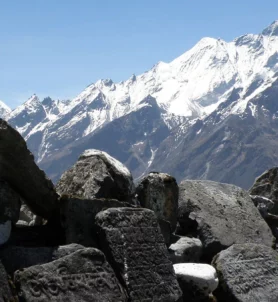
Yes, there are several religious sites along the Langtang Valley Trek. Notable ones include Gompas (Buddhist monasteries) in villages like Kyanjin Gompa, as well as mani walls, prayer flags, and chortens throughout the trail. These reflect the strong Tibetan Buddhist culture of the region.
Interact with local communities on Langtang Trek
You can interact with local communities along the Langtang Valley Trek. The friendly Tamang and Tibetan-influenced villagers often welcome conversations, especially in teahouses. Respectful engagement offers a great chance to learn about their culture, lifestyle, and traditions.
The main religions on Langtang Valley Trek
The main religions in the Langtang region are Tibetan Buddhism and Hinduism. Most local communities, especially the Tamang people, follow Tibetan Buddhist traditions, which are reflected in the region’s monasteries, prayer flags, and religious monuments.
Tipping on Langtang Valley Trek
Tipping is expected and appreciated in Nepal’s trekking industry. While not mandatory, it’s customary to tip your guide and porter based on their service.
Locals dress in the Langtang Trek
Locals in the Langtang region typically dress in modest, traditional clothing. The Tamang people often wear woolen garments suited to the mountain climate, such as long skirts, shawls, and jackets. In villages, you’ll also see a mix of modern and traditional attire, with a strong emphasis on warm, layered clothing due to the cold weather.
Souvenirs on Langtang Valley Trek
Popular souvenirs from the Langtang region include handmade woolen items, Tamang handicrafts, prayer flags, Tibetan-style jewelry, locally made honey, and yak wool products like scarves and blankets. Many of these can be found in Kathmandu or purchased directly from local communities along the trek.