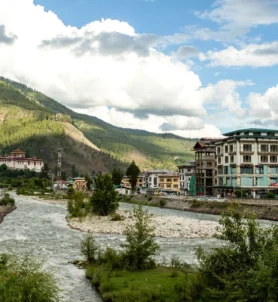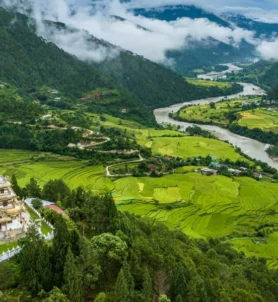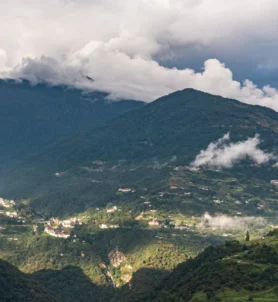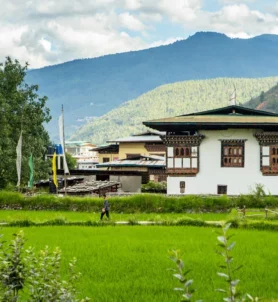


Bhutan Package Tour explores the significant cultural sites and historic landmarks of Bhutan. You will travel to the popular travel destinations of Bhutan such as Paro, Thimpu, Punakha and Taktsang Monastery. The luxury Bhutan Tour Package is one of the best tour in Bhutan with dramatic landscapes, fascinating culture and intricate temples.
The 6-day Bhutan Tour focuses on the Western Bhutan’s Thimphu, Punakha and Paro with a day hike to Tiger’s Nest Monastery. The mystical Western Bhutan is an ideal introduction to the glimpse of Bhutan cultural tour. A short 6-day Bhutan Tour explores the most iconic highlights of Western Bhutan.
A 6-day Bhutan Tour Package from Kathmandu is an amazing tour. The diverse nature, set of monuments and the ancient culture offers an unforgettable trip experience. The 6 days Bhutan package tour is good for families with children and seniors. Enjoy mystical parts of Bhutan as Bhutan is a lovely Kingdom in the . The 6 days Bhutan Tour is a nice trip to visit important tourism area of Bhutan.
The 5 nights 6 days Bhutan tour is so much popular among travelers. The nature and heritage are the prime attractions of Bhutan Tour. The low volume, and high quality tourism policy has made Bhutan, the best travel destinations in the world. Bhutan is a mystical land with beautiful monasteries and spiritual temples.
All travelers, except Indian, Bangladeshi and Maldivian passport holders, need to book Bhutan Tour Package. We are the best Bhutan tour operator from Kathmandu and happy to take care of your visa arrangements, hotel booking, guide, transfer and flights to Bhutan. Experience the wonders of Bhutan Tour is authentic, innovative and utterly unforgettable. You will visit Taktsang monastery in Paro, Thimphu, the capital of Bhutan and Punakha, the old capital of Bhutan.
Bhutan Package Tour 6 Days Itinerary
Day 01: Arrive in Paro and drive to Thimpu (65km, 2/3 hours)
Day 02: Thimpu Tour
Day 03: Thimpu to Punakha (77km, 3/4 hours)
Day 04: Punakha to Paro (142km, 5/6 hours)
Day 05: Paro Tour
Day 06: Paro Airport
Independent Travel to Bhutan
As of 2025, tourists are no longer required to book their trips to Bhutan through licensed tour operators. This change gives travelers more flexibility in planning their own itineraries, arranging transportation, and booking accommodations independently. However, certain requirements still apply to ensure responsible tourism
Sustainable Development Fee (SDF)
All tourists must pay the SDF of USD 100 per night, which supports Bhutan’s conservation and sustainable development efforts. This fee is paid during the visa application process.
Guided Travel
Although independent travel is now possible, tourists must still have a licensed guide when visiting dzongs (ancient fortresses) and sacred monuments. Additionally, if you plan to travel to Bhutan via land borders, you must be accompanied by a guide at all times. Thus, it is highly encouraged for you to engage a tour operator for a seamless journey.
Visa Process
Visas can now be applied for online without the need for a tour operator. Tourists are required to provide basic details, including passport information and dates of stay, and pay both the visa fee and the SDF during the e-visa application. But it’ll be less hassle if you get a tour operator to apply for it on your behalf.
While independent travel is allowed, many travelers still choose to use reliable tour operators for navigating complex regulations and expert guidance, especially for longer trips or treks in more remote regions of Bhutan.
Best Time to Visit Bhutan
Each season in Bhutan unveils a distinct layer of beauty, making it a captivating destination no matter the time of year. The country’s diverse climate varies with altitude, adding even more depth to the experience.
In the lower valleys, Spring (March – May) bursts with bright colors as flowers bloom, while the higher regions remain cool and crisp. Summer (June – August) brings lush, vibrant greenery, especially in the lower elevations, while the mountains stay refreshingly cool.
Autumn or Fall (September to November) casts a golden glow across the landscape, offering mild, pleasant weather in most areas. Winter (December to February), with its crisp air, blankets the higher altitudes in snow, while the lower valleys remain more temperate.
Bhutan’s natural allure changes with the seasons and the altitude, ensuring that whenever you visit, your journey will be filled with wonder, discovery, and a deep connection to the beauty that unfolds before you.
Spring in Bhutan(March, April, May)
Ideal Time for Nature Lovers (Late April to May): The valleys come alive with a stunning array of flowers, including the renowned rhododendrons and various wildflowers.
Jacaranda Bloom at Punakha Dzong (Mid-May): Experience the breathtaking sight of the Jacaranda trees in full purple bloom around this iconic fortress.
Gomkora Festival in Trashigang: Witness this unique festival filled with religious dances and deep cultural significance, offering a glimpse into Bhutan’s spiritual traditions.
Paro Tshechu (Early April): A vibrant cultural festival showcasing masked dances and traditional music, with a potential opportunity to meet the King of Bhutan, who often attends.
Jomolhari Trek and Drukpath Trek (Mid-April to End-May): Perfect for adventure seekers, these treks offer challenging trails and stunning views of Bhutan’s pristine natural landscapes.
Visit Local Markets: Discover Bhutan’s spring harvest and engage with local artisans at the Centenary Market, experiencing authentic Bhutanese craftsmanship.
Community-Based Tourism: Participate in enriching activities such as farm house visits and traditional cooking classes to immerse yourself in Bhutanese culture and everyday life.
Birdwatching Paradise: Spring is the best time to observe Bhutan’s diverse birdlife, especially in the subtropical forests, making it a must-visit for bird enthusiasts.
Summer in Bhutan(June, July, August)
Nimalung Tshechu (June): A vibrant festival filled with colorful costumes, traditional dances, and music, celebrating Bhutanese culture and heritage.
Kurjey Tshechu (Late June): Held at the sacred Kurjey Lhakhang, this spiritually significant festival honors Guru Rinpoche, offering a deeply enriching cultural experience.
Lush Green Valleys and Forests: Summer transforms Bhutan’s landscapes into a lush, green paradise, perfect for exploring its vibrant flora.
Gangtey/Phobjikha Valley: Explore Gangtey, also known as Phobjikha Valley, a serene glacial valley in central Bhutan, is renowned for its pristine beauty and rich biodiversity. Nestled at an altitude of around 3,000 meters, it is a haven for nature lovers and wildlife enthusiasts alike. The valley is especially famous as the winter home of the endangered black-necked cranes, which migrate here from Tibet between late October and early March, making it a key conservation area.
River Rafting: Experience thrilling river rafting on the Mo Chhu or Pho Chhu rivers, which offer both peaceful floats and exhilarating rapids.
Summer Treks: Trek through lower-altitude regions like the Bumthang Owl Trek, which becomes more accessible and vibrant in the summer season.
Post-Rain Beauty: Capture stunning photos of Bhutan’s lush landscapes and unique architecture, especially in the clear morning light following summer rains.
Tiger’s Nest Monastery (Taktsang): Visit the iconic Tiger’s Nest Monastery during the quieter summer months, enjoying fewer crowds and misty, atmospheric views.
Autumn/Fall in Bhutan(September, October, November)
Thimphu Tshechu (Late September or Early October): Witness the grandeur of Bhutan’s rich cultural heritage in the capital city, featuring traditional dances and religious performances.
Wangdue Phodrang Tshechu: Coinciding with Thimphu’s festival, offering a chance to experience two major Bhutanese festivals in a single trip.
Jambay Lhakhang Drup (October): A mystical festival in Bumthang, known for its unique “Mewang” (fire ceremony) and the “Tercham” (dance of the treasure discoverer).
Golden Harvest Season: Capture the stunning golden hues of Bhutan’s terraced rice fields during the harvest season.
Gangtey/Phobjikha Valley: Visit the “Switzerland of Asia,” with breathtaking landscapes and abundant wildlife for nature photography.
Black-Necked Crane Festival: Stay with a local family in Phobjikha Valley and participate in this festival celebrating the endangered black-necked cranes, supporting local conservation efforts.
Ideal Trekking Weather: Enjoy clear skies and moderate temperatures, perfect for trekking in the Himalayas. Find out more about the trekking packages in Bhutan.
Winter in Bhutan(December, January, February)
Phobjikha Valley: Witness the majestic black-necked cranes that migrate to the valley during the winter months, offering a rare wildlife viewing experience.
Punakha Dromche and Tshechu (February): A vibrant week-long celebration in the ancient capital, showcasing religious dances and grand processions at the stunning Punakha Dzong.
Trongsa Tshechu: A more intimate festival held at the Trongsa Dzong, renowned for its elaborate costumes and captivating traditional performances.
Photography and Sightseeing: Capture breathtaking views of the Himalayan mountains under clear winter skies.
Snow-Covered Paro and Thimphu: Explore the beauty of Paro and Thimphu, which may be adorned with a picturesque layer of snow in January or February.
Monasteries and Dzongs: Visit local monasteries and dzongs to observe monks engaged in their peaceful winter rituals.
Community-Led Winter Activities: Participate in traditional winter experiences such as hot stone baths, which are especially comforting during the colder months.
The best time to visit Bhutan largely depends on what experiences you seek, as each season offers its own unique charm. However, the most popular months are from March to May and September to November. During these periods, the weather is mild, the skies are clear, and the landscapes are at their most vibrant, making it ideal for trekking, sightseeing, and participating in Bhutan’s famous cultural festivals. These months also offer the opportunity to witness some of Bhutan’s most vibrant religious and cultural festivals, making them the ideal times for a well-rounded visit.
Bhutan Visa and Entry Requirements
Indian citizens are the only travelers exempt from needing a visa to enter Bhutan. Citizens of Bangladesh and the Maldives can obtain a Visa on Arrival, while all other nationalities are required to secure an e-Visa prior to their arrival in Bhutan. The maximum stay allowed on a tourist visa is 90 days.
Bhutan Visa Fee
The visa fee is USD 40 payable during the e-Visa application. The e-Visa application processing time is 5 working days. You must pay the Sustainable Development Fee (SDF) based on your intended duration of stay during your e-Visa application.
Documents for Bhutan visas
A digital copy of your passport. The passport must be valid for six months from the intended date of departure from Bhutan. A recent digital passport size photograph.
A Sustainable Development Fee (SDF) of USD 100 per night is required for all foreign tourists, except for nationals of India. For children aged 6 to under 12 years, the SDF is reduced to USD 50 per night, while children aged 5 and below are exempt from the fee entirely. Regional tourists from India are required to apply for a permit and pay 1200 INR/night.
The Sustainable Development Fee (SDF) is a mandatory charge imposed by the Bhutanese government on all foreign tourists, as part of its “High Value, Low Volume” tourism policy. The fee contributes to the preservation of Bhutan’s pristine environment, cultural heritage, and development initiatives. This fee helps the country maintain its status as a carbon-negative nation and supports infrastructure improvements, conservation programs, and public services that benefit both locals and visitors.
Visa Free: Indian nationals (requires entry permit)
Visa on Arrival: Bangladesh and Maldives nationals
Visa Required: All other nationalities
If you’re booking your trip to Bhutan through a tour operator, they will be able to apply for the visa on your behalf.
Get to Bhutan
You can travel to Bhutan either by air or land.
By Air: The primary entry point is Paro International Airport, serviced by Bhutan’s national carriers, Druk Air and Bhutan Airlines with flights from cities like Bangkok, Delhi, Kolkata, Kathmandu, and Singapore.
By Land: You can also enter through the Phuentsholing border gate from India. Other border crossings include Gelephu and Samdrup Jongkhar.
Drukair has daily flights from Bangkok to Paro International Airport, Bhutan daily.
Drukair flies from Singapore to Paro International Airport, twice a week.
Drukair has daily flights from Kathmandu, Nepal to Paro International Airport.
Drukair flies from Bangladesh, Dhaka to Paro International, thrice a week.
Drukair has daily flights from New Delhi, Kolkata, Gaya, Bagdogra, Guwahati in India to Bhutan.
Suvarnabhumi Airport in Bangkok, Thailand and Changi Airport in Singapore are among the most popular transit hubs for travelers heading to Bhutan.
Tour Around in Bhutan
Getting around Bhutan is primarily through pre-arranged transportation included in tour packages, making travel smooth and efficient. Most tourists use private vehicles, typically SUVs, with an English-speaking guide provided by their tour operator. This is the most comfortable and convenient option for exploring the country.
The country has one main road, the National Highway, which winds through mountain passes and villages, fluttering prayer flags, offering stunning views. While buses and taxis are available, they are less frequently used by tourists.
Bhutan Trekking
Bhutan is also renowned for its trekking routes, with many important sites accessible only on foot. Check out Bhutan trekking tour packages.
Cost for Bhutan Tour
The cost of traveling to Bhutan varies depending on the duration of your stay, the level of luxury you choose, and the activities you plan. Here’s a general breakdown of the costs involved:
Sustainable Development Fee (SDF)
USD 100 per night for all foreign tourists except Indian nationals. This fee is part of Bhutan’s commitment to sustainable tourism and goes towards preserving its environment and cultural heritage.
Bhutan Visa Fee
USD 40 for the Bhutan visa, which must be applied for in advance, either online or through a tour operator.
Accommodation
Standard hotels (3-star): USD 50-100 per night.
Mid-range hotels: USD 150-250 per night.
Luxury hotels (5-star): USD 400-1,000+ per night (e.g., luxury resorts like Aman kora, COMO Uma, or Six Senses).
Flights to Bhutan
Round-trip flights to Paro International Airport can range from USD 500-1,000+, depending on your departure city, airline, and season.
Guide and Tours in Bhutan
While independent travel is allowed, hiring a guide for traveling beyond Paro and Thimphu is mandatory, and this cost can range from USD 30-100 per day, depending on the type of services you need.
Meals and Transportation
Meals: Budget about USD 10-20 per meal at local restaurants, or higher at luxury establishments.
Transport: Private car rentals or driver services (usually arranged by your tour operator) can add USD 50-150 per day, depending on the vehicle and distance.
Activities and Permits
If you’re planning to trek, visit national parks, or enter restricted areas, special permits and trekking fees apply. These range from USD 50-300 depending on the activity and duration.
Package Costs for Bhutan Tour
Budget Tour (7 days): Approx. USD 1,500-2,500 (including flights, SDF, visa, accommodation, meals, and transportation).
Mid-range trip (7 days): Approx. USD 3,000-4,500.
Luxury trip (7 days): USD 6,000 and above, especially if you are staying in luxury resorts.
These figures provide a general idea, but actual costs can vary depending on your choices.
Accommodation Options in Bhutan
Bhutan offers a diverse range of accommodation options, catering to various preferences and budgets. You can choose from luxury hotels and resorts, mid-range options, or traditional homestays, depending on the experience they are looking for.
For those seeking indulgence, luxury hotels and resorts provide exceptional comfort, complete with premium amenities, spa services, and breathtaking views of Bhutan’s scenic landscapes. These upscale accommodations often blend modern comforts with traditional Bhutanese architecture, offering a perfect mix of luxury and local charm.
Homestay in Bhutan
On the other hand, traditional homestays provide a more immersive and culturally enriching experience. Staying with local families allows visitors to connect deeply with Bhutanese customs and traditions, participate in daily household activities, and enjoy authentic home-cooked meals. This type of accommodation is ideal for travelers wanting to engage more personally with Bhutan’s way of life and experience the warmth of its people firsthand.
Regardless of the type of accommodation you prefer, it’s advisable to book early, especially during peak seasons like spring and autumn when Bhutan sees an influx of tourists. Booking in advance ensures availability and gives you access to the best options suited to your needs and travel goals.
Destinations and Attractions in Bhutan
Bhutan is known for its stunning landscapes, rich cultural heritage, and spiritual ambiance.
Tiger’s Nest Monastery (Paro Taktsang)-A stunning cliffside monastery and sacred pilgrimage site with breathtaking views.
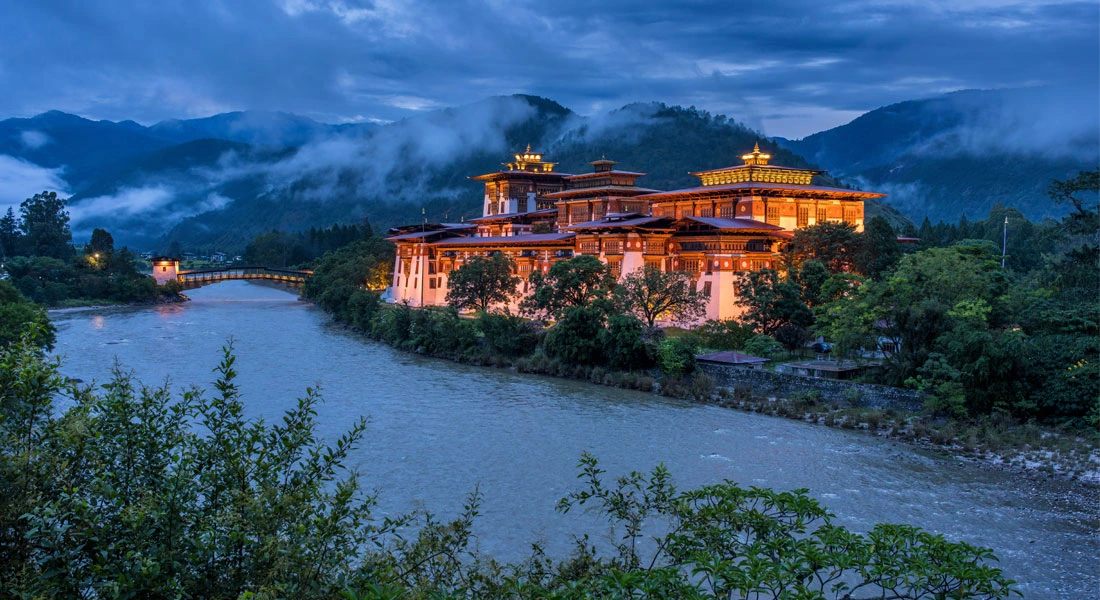
Punakha Dzong-One of Bhutan’s most beautiful fortresses, located at the confluence of two rivers.
Phobjikha Valley-A serene glacial valley famous for its natural beauty and the endangered black-necked cranes.
Thimphu-The capital city where tradition meets modernity, home to the massive Buddha Dordenma and Tashichho Dzong.
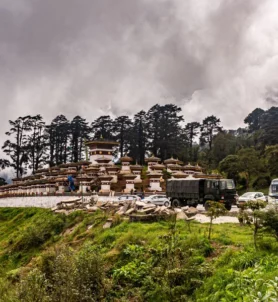
Dochula Pass-A scenic mountain pass offering panoramic views of the Himalayas and 108 commemorative chortens.
Bumthang Valley-The cultural heart of Bhutan, rich with ancient temples and monasteries.
Gangtey Monastery-A peaceful Buddhist center overlooking the stunning Phobjikha Valley.
Chele La Pass-The highest motorable pass in Bhutan with sweeping views of the Paro Valley and the Himalayas.
Haa Valley-A secluded valley with traditional villages and beautiful landscapes, perfect for off-the-beaten-path exploration.
National Memorial Chorten (Thimphu)-A sacred stupa where locals gather for prayer and spiritual practice.
Additionally, attending a Tshechu Festival in Bhutan offers an incredible opportunity to dive deep into the country’s rich cultural heritage. These festivals, held annually in various dzongs (fortresses) and monasteries across Bhutan, are vibrant religious celebrations that honor Guru Rinpoche, the Buddhist master who introduced Buddhism to Bhutan.
Tshechu are famous for their mesmerizing mask dances, known as Cham, performed by monks and laymen, each telling stories of morality, spirituality, and Bhutanese history. By attending a Tshechu, visitors not only witness centuries-old traditions but also get a glimpse into the spiritual beliefs and communal spirit that define Bhutanese life. These festivals bring together entire communities, dressed in their finest traditional attire, offering a unique opportunity to engage with locals and understand the deep-rooted cultural and religious significance that shapes Bhutan’s identity.
Social etiquette in Bhutan
Driglam Namzha, Bhutan’s code of etiquette, is closely intertwined with Buddhism, shaping the daily lives of its people. This traditional code governs behavior, dress, and respect for authority, reflecting Buddhist values of humility, respect, and discipline. From how people greet one another to the way they walk around religious monuments, Driglam Namzha ensures that Bhutanese society maintains harmony and order. Buddhist teachings influence the moral conduct encouraged by the code, and its practice is evident in everyday interactions, religious ceremonies, and festivals, highlighting the deep connection between social customs and spirituality in Bhutan.
Dos and Don’ts in Bhutan
Respect Religious Sites-Remove your shoes and cover your arms and legs when entering temples, monasteries, and dzongs. Always walk clockwise around temples, monasteries, and stupas as a sign of respect for Bhutan’s spiritual practices.
Greet with “Kuzuzangpo”: Use the local greeting “Kuzuzangpo la” to say hello. It’s a respectful and appreciated way to greet Bhutanese people.
Dress Modestly-Wear conservative clothing, especially when visiting religious sites. Long sleeves and pants or skirts below the knee are preferred.
Take Part in Local Customs-Engage with the local customs, whether it’s participating in a ceremony or learning about Bhutanese traditions during festivals.
Ask for Permission-Always ask before taking photos of people, religious artifacts, or inside monasteries.
Use Reusable Water Bottles: Help Bhutan maintain its commitment to sustainability by using eco-friendly products and minimizing plastic waste.
Don’ts:
- Avoid Pointing at Religious Figures or Icons-Pointing is considered disrespectful, especially in temples and monasteries.
- Don’t Touch Religious Artifacts-Refrain from touching statues, murals, or religious items unless explicitly permitted.
- Don’t Smoke in Public-Bhutan has strict anti-smoking laws. Smoking in public areas or in religious sites is prohibited.
- Do Not Disrespect the Royal Family-The royal family is highly revered in Bhutan, so avoid any negative comments or actions that could be considered disrespectful.
- Don’t Litter-Bhutan is an environmentally conscious country, so it’s important to dispose of trash properly or pack it out with you, especially in nature reserves and trekking areas.
- By following these guidelines, you’ll show respect for Bhutanese culture and help preserve the country’s pristine environment.
Packing list for Bhutan
When packing for Bhutan, it’s essential to consider the country’s varied climate, altitudes, and cultural norms.
Passport
Approved visa for Bhutan
Flight Tickets
Camera (you want to capture all that this magnificent country has to offer)
Hand sanitizer
Motion sickness pills if you’re prone to motion sickness as the roads can be winding
Long trousers/pants
T-shirts or long-sleeved shirts (to enter temples, monasteries, dzongs)
Cardigan or jacket-(if you plan to wear T-shirt to enter temples, monasteries, dzongs)
Down jacket (wind breaker)-especially for higher altitudes
Sandals or flip flops (indoor use)
Sun hat
Comfortable shoes-you will be walking on rough uneven roads (wear sneakers and proper trekking shoes if you are going for hiking)
Pairs of socks (Thick socks)
Sunglasses
Sunscreen lotion
Insect repellent
Lip balm
Toiletries
International travel adaptor
Water bottle
Ear plugs (if you are a light sleeper, there may be dogs barking at night)
Your personal medical kit
For winter season:
Sweaters
Warm jacket
Winter coat
Thermal innerwea
Scarves
Wool socks
Money for exchange to Ngultrum (BTN-Do note that Bhutan only accepts 10 major foreign currencies for exchange. They are US Dollar, Pound Sterling, Euro, Japanese Yen, Swiss Franc, Hong Kong Dollar, Canadian Dollar, Danish Kroner, Australian Dollar and Singapore Dollars.
Traveling to Bhutan is like stepping into a magical kingdom where culture, spirituality, and nature blend seamlessly. From the majestic monasteries perched on cliffs to the warm hospitality of the Bhutanese people, every moment feels like a discovery. From hiking to Tiger’s Nest, attending a colorful Tshechu festival, or wandering through lush valleys, Bhutan offers an adventure that’s both enriching and serene. So pack your bags, get ready to be amazed, and leave with your heart full of unforgettable memories from the “Land of the Thunder Dragon.”