Best Time for 3 Nights 4 Days Bhutan Tour
Bhutan Tour is possible all year around. But Autumn and Spring are the best time to do Bhutan Tour.
Spring (March to May): Spring is one of the best times to visit Bhutan, especially for nature lovers. The weather is pleasantly warm with daytime temperatures ranging from 10°C to 20°C (50°F to 68°F). The valleys are vibrant with blooming flowers, including the famous rhododendrons. This season also offers clear skies and great opportunities for photography.
Autumn (September to November): Autumn is another peak season for visiting Bhutan due to its clear skies and mild weather. Temperatures are similar to spring, making it ideal for hiking and attending outdoor cultural events. This season hosts some of the most colorful and significant festivals in Bhutan, such as the Thimphu Tshechu and Paro Tshechu, which are spectacular to witness and provide deep insights into the Bhutanese culture.
Summer (June to August): Summer in Bhutan is the monsoon season, which can bring heavy rains and slightly warmer temperatures. While this might deter some visitors, the rains also bring lush greenery to the landscapes and enhance the beauty of the waterfalls and rivers. It’s a good time for those who prefer fewer tourists and more tranquil experiences, as well as for observing the daily lives of locals during the agricultural season.
Winter (December to February): Winter can be quite cold, especially in January and February, but it offers its own charm with snow-capped mountains and serene landscapes. The daytime temperatures in the lower regions are cool and pleasant for sightseeing, though it can get quite cold at night. Winter is less crowded, allowing for a more intimate experience of Bhutan’s monastic life and the winter festivals.
Each season in Bhutan offers a different experience, and the best time for 4 Days Bhutan Tour depends on what you want to see and do. Spring and autumn provide the most favorable weather conditions and vibrant cultural experiences, making them highly recommended for first-time visitors.
Visa Requirements: All international tourists (except citizens of India, Bangladesh, and Maldives) must obtain a visa before arriving in Bhutan. This is usually arranged by your tour operator and included in the tour package price. Ensure your passport is valid for at least six months beyond your planned departure date.
Tour Costs: Bhutan operates on a unique policy known as the Minimum Daily Package Rate (MDPR). This rate is set by the Bhutanese government and includes accommodation, food, a licensed Bhutanese tour guide, all internal transport, and a sustainable tourism royalty that goes towards free education, free healthcare, and poverty alleviation in Bhutan.
Dress Code: When visiting religious sites, dress modestly and respectfully. This typically means no shorts or sleeveless tops. It’s advisable to carry a scarf or shawl to cover your head in certain areas if required.
Altitude Considerations: Some parts of Bhutan, including popular tourist sites like the Tiger’s Nest Monastery, are located at high altitudes. It’s essential to be aware of the symptoms of altitude sickness and take it slow to acclimate properly.
Health and Safety
Travel insurance is highly recommended for all travelers to Bhutan. Check with your provider to ensure that your policy covers high-altitude trekking if you plan to embark on such activities. It’s also advisable to bring any necessary medications as the availability of medical supplies can be limited.
Restricted Areas
Some areas of Bhutan are restricted to tourists and can only be accessed with a special permit. If you wish to visit a restricted area, your tour operator can arrange this for you, but it should be planned well in advance.
Cultural Sensitivity
Bhutanese culture places a high value on respect and etiquette. Always ask permission before taking photographs, especially of local people or inside temples and monasteries. Showing respect to local customs and traditions will enrich your experience and help maintain the dignity of those you meet.
Environmental Considerations
Bhutan is a country very much focused on environmental conservation. Travelers are expected to respect this ethos. Avoid littering and aim to leave no trace of your visit to help preserve Bhutan’s pristine landscapes.
By keeping these important notes in mind, your 4 Days Bhutan Tour can be a memorable, respectful, and hassle-free experience, allowing you to fully immerse yourself in the extraordinary beauty and culture of Bhutan.
Preparation for 4 Days Bhutan Tour
Proper preparation for the 3 Nights 4 Days Bhutan Tour ensures that you make the most of your time in this beautiful Himalayan kingdom.
Travel Documents
Passport: Ensure your passport is valid for at least six months beyond your intended stay.
Visa: Obtain your Bhutan visa through your tour operator before arrival. The visa process is typically handled by the operator and included in your tour package.
Travel Insurance: Purchase comprehensive travel insurance that covers medical emergencies, trip cancellations, and high-altitude activities.
Health and Safety
Vaccinations: Check with your healthcare provider about recommended vaccinations for Bhutan.
Altitude Sickness: Bhutan’s altitudes can cause altitude sickness. To minimize risks, stay hydrated, avoid strenuous activity on the first day, and consider bringing altitude sickness medication if you are prone to it.
Medications: Bring a supply of any necessary medications, as pharmacies in Bhutan may have limited stock. Include basic first aid supplies like band-aids, antiseptics, and pain relievers.
Clothing and Gear
Layered Clothing: Bhutan’s climate varies, so pack layers to adjust to changing temperatures. Include warm clothes for evenings and mornings, especially if you’re visiting in spring or autumn.
Comfortable Footwear: Sturdy hiking shoes are essential for the trek to Tiger’s Nest Monastery. Also, bring comfortable walking shoes for city exploration.
Rain Gear: If visiting during the monsoon season (June to August), pack a lightweight rain jacket and umbrella.
Sunscreen and Sunglasses: The high altitude increases UV exposure, so protect your skin and eyes.
Cultural Sensitivity
Modest Clothing: When visiting religious sites, dress conservatively. Long sleeves and long pants or skirts are recommended. Carry a scarf or shawl to cover your shoulders if needed.
Photography Etiquette: Always ask for permission before taking photos of people or inside monasteries. Some religious sites may restrict photography, so be respectful of local customs.
Currency and Payments
Local Currency: The currency in Bhutan is the Ngultrum (Nu). It’s a good idea to carry some cash for small purchases, as credit card facilities may be limited outside major hotels and shops.
ATMs: ATMs are available in major towns, but it’s advisable to withdraw cash in Thimphu or Paro as smaller towns may not have reliable ATM services.
Technology and Connectivity
Electricity: Bhutan uses 230V, 50Hz electricity with Type D, F, and G sockets. Bring a universal adapter to charge your devices.
Internet and SIM Cards: Wi-Fi is available in most hotels, but it may be slow in rural areas. Consider purchasing a local SIM card for better connectivity.
Packing Essentials
Daypack: A small backpack is useful for day trips and hikes, allowing you to carry essentials like water, snacks, a camera, and extra layers.
Water Bottle: Carry a reusable water bottle to stay hydrated, especially during hikes.
Snacks: Pack some energy bars or snacks for hikes or long drives.
Booking and Itinerary
Confirm Bookings: Double-check all your travel arrangements, including flights, accommodations, and tour bookings. Ensure that all permits are in place, especially for specific activities like the Tiger’s Nest hike.
Flexible Itinerary: Be open to slight changes in your itinerary due to weather or local events. Flexibility can enhance your experience and allow you to enjoy unexpected cultural encounters.
Altitude during the 3 Nights 4 Days Bhutan Tour
During the 3 Nights 4 Days Bhutan Tour, altitude plays a significant role in shaping your experience, particularly when exploring Bhutan’s diverse landscapes and cultural sites. The journey takes you through various elevations, each offering unique scenery and environments. Here’s an overview of the altitudes you will encounter during your tour:
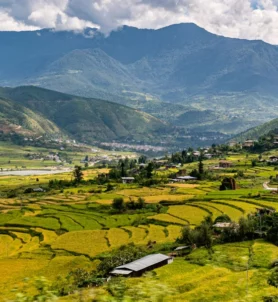
Paro (2,280 meters / 7,480 feet): As your gateway to Bhutan, Paro sits in a scenic valley surrounded by majestic mountains. The altitude in Paro is moderate, making it a comfortable starting point for acclimatizing to Bhutan’s higher elevations.
Thimphu (2,320 meters / 7,610 feet): The capital city of Bhutan, Thimphu, is situated at a slightly higher altitude than Paro. Although it offers modern amenities, its elevation ensures that the city retains a crisp, cool climate, which adds to its charm as you explore its cultural landmarks.
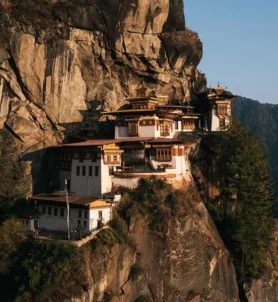
Tiger’s Nest Monastery (3,120 meters / 10,240 feet): One of the highlights of the tour is the hike to the famous Tiger’s Nest Monastery, perched on the edge of a cliff at an altitude of 3,120 meters. This steep ascent offers breathtaking views of the Paro valley and is one of the most spiritually and visually rewarding experiences in Bhutan.
The moderate altitudes throughout the tour, with a peak during the hike to Tiger’s Nest, are generally manageable for most travelers. However, if you are sensitive to higher elevations, it’s important to pace yourself, stay hydrated, and take time to acclimatize during the tour.
Permits for 4 Days Bhutan Tour
When planning a 3 Nights 4 Days Bhutan Tour, it’s important to understand the permit requirements that ensure a smooth and hassle-free journey.
Visa Permit: For most international travelers, a visa is required to enter Bhutan. The visa process is usually arranged by your tour operator and must be obtained before arrival. The visa is stamped upon arrival in Bhutan, and the visa fee is typically included in the overall tour cost. Ensure that your passport is valid for at least six months beyond your intended departure date.
Entry Permit: Upon arrival in Bhutan, an entry permit is issued, allowing you to travel within the regions of Paro and Thimphu, which are the primary destinations of the 3 Nights 4 Days Bhutan Tour. This permit is issued at the Paro International Airport or at the land entry points if you’re arriving by road.
Special Permits for Restricted Areas: If you plan to visit areas outside of Paro and Thimphu, such as Punakha, Wangdue Phodrang, or other regions, a special permit is required. However, for the standard 3 Nights 4 Days Bhutan Tour, which mainly covers Paro and Thimphu, an additional permit is not typically necessary.
Tiger’s Nest Monastery Permit: To hike to the Tiger’s Nest Monastery, a special permit is required. This is usually arranged by your tour guide and is part of the overall tour package. The permit allows access to this sacred site and ensures that the cultural and environmental integrity of the monastery is maintained.
Protected Area Permit (If Applicable): In case your itinerary extends to areas designated as protected or environmentally sensitive, a Protected Area Permit (PAP) might be required. This permit is arranged by your tour operator and is necessary for conserving Bhutan’s pristine environment.
Photography and Filming Permits: If you plan on professional photography or filming during your tour, additional permits might be required, especially in certain religious or government sites. It’s important to discuss this with your tour operator ahead of time.
Obtain Permits: All necessary permits are usually handled by your tour operator, who will ensure that everything is in place before your arrival. This service is part of the comprehensive package offered by tour operators, making the process straightforward for travelers.
By understanding the permit requirements and ensuring they are in order, you can focus on enjoying your 3 Nights 4 Days Bhutan Tour without any administrative concerns, allowing for a seamless and enriching experience in this beautiful Himalayan kingdom.
Preparation for 4 Days Bhutan Tour
Proper preparation for the 3 Nights 4 Days Bhutan Tour ensures that you make the most of your time in this beautiful Himalayan kingdom.
Travel Documents
Passport: Ensure your passport is valid for at least six months beyond your intended stay.
Visa: Obtain your Bhutan visa through your tour operator before arrival. The visa process is typically handled by the operator and included in your tour package.
Travel Insurance: Purchase comprehensive travel insurance that covers medical emergencies, trip cancellations, and high-altitude activities.
Health and Safety
Vaccinations: Check with your healthcare provider about recommended vaccinations for Bhutan.
Altitude Sickness: Bhutan’s altitudes can cause altitude sickness. To minimize risks, stay hydrated, avoid strenuous activity on the first day, and consider bringing altitude sickness medication if you are prone to it.
Medications: Bring a supply of any necessary medications, as pharmacies in Bhutan may have limited stock. Include basic first aid supplies like band-aids, antiseptics, and pain relievers.
Clothing and Gear
Layered Clothing: Bhutan’s climate varies, so pack layers to adjust to changing temperatures. Include warm clothes for evenings and mornings, especially if you’re visiting in spring or autumn.
Comfortable Footwear: Sturdy hiking shoes are essential for the trek to Tiger’s Nest Monastery. Also, bring comfortable walking shoes for city exploration.
Rain Gear: If visiting during the monsoon season (June to August), pack a lightweight rain jacket and umbrella.
Sunscreen and Sunglasses: The high altitude increases UV exposure, so protect your skin and eyes.
Cultural Sensitivity
Modest Clothing: When visiting religious sites, dress conservatively. Long sleeves and long pants or skirts are recommended. Carry a scarf or shawl to cover your shoulders if needed.
Photography Etiquette: Always ask for permission before taking photos of people or inside monasteries. Some religious sites may restrict photography, so be respectful of local customs.
Currency and Payments
Local Currency: The currency in Bhutan is the Ngultrum (Nu). It’s a good idea to carry some cash for small purchases, as credit card facilities may be limited outside major hotels and shops.
ATMs: ATMs are available in major towns, but it’s advisable to withdraw cash in Thimphu or Paro as smaller towns may not have reliable ATM services.
Technology and Connectivity
Electricity: Bhutan uses 230V, 50Hz electricity with Type D, F, and G sockets. Bring a universal adapter to charge your devices.
Internet and SIM Cards: Wi-Fi is available in most hotels, but it may be slow in rural areas. Consider purchasing a local SIM card for better connectivity.
Packing Essentials
Daypack: A small backpack is useful for day trips and hikes, allowing you to carry essentials like water, snacks, a camera, and extra layers.
Water Bottle: Carry a reusable water bottle to stay hydrated, especially during hikes.
Snacks: Pack some energy bars or snacks for hikes or long drives.
Booking and Itinerary
Confirm Bookings: Double-check all your travel arrangements, including flights, accommodations, and tour bookings. Ensure that all permits are in place, especially for specific activities like the Tiger’s Nest hike.
Flexible Itinerary: Be open to slight changes in your itinerary due to weather or local events.
Packing List for 4 Days Bhutan Tour
Packing wisely for your 3 Nights 4 Days Bhutan Tour ensures that you are well-prepared for the varying weather conditions, cultural experiences, and outdoor activities that Bhutan has to offer.
Clothing
Lightweight tops (long and short sleeves)
Warm sweater or fleece jacket
Insulated jacket (especially for early mornings and evenings)
Comfortable pants/jeans
Thermal underwear (for cooler seasons)
Rain Jacket or Poncho: Essential if traveling during the monsoon season (June to August).
Scarf or Shawl: Useful for visiting religious sites where modesty is required.
Comfortable Walking Shoes: Essential for city tours and light walking.
Hiking Boots: Sturdy and comfortable for the hike to Tiger’s Nest Monastery.
Sleepwear
Underwear and Socks: Bring extra pairs, especially if you plan to hike.
Hat and Gloves: Useful in colder months (December to February).
Accessories
Daypack: A small backpack for carrying daily essentials during tours and hikes.
Sunglasses: To protect your eyes from strong sunlight, especially at high altitudes.
Sun Hat or Cap: For sun protection during outdoor activities.
Reusable Water Bottle: Stay hydrated, especially during hikes.
Camera or Smartphone: To capture the beautiful landscapes and cultural experiences.
Power Bank: Ensure your devices stay charged during long days out.
Travel Umbrella: Handy during the rainy season.
Toiletries: Including toothbrush, toothpaste, deodorant, soap, shampoo, conditioner, and any other personal hygiene items.
Sunscreen: High SPF to protect against strong UV rays at high altitudes.
Lip Balm: Preferably with SPF to prevent chapped lips.
Moisturizer: The air can be dry, especially at higher altitudes.
Hand Sanitizer
Wet Wipes: For quick clean-ups during your tour.
Small First Aid Kit: Include band-aids, antiseptic wipes, pain relievers, and any personal medications.
Insect Repellent: Particularly useful during the monsoon season.
Documents
Passport: Valid for at least six months beyond your travel dates.
Visa Documents: Ensure you have copies of your Bhutan visa and any other necessary permits.
Travel Insurance: Print out a copy of your travel insurance policy.
Emergency Contacts: A list of important contact numbers, including your tour operator, local embassy, and emergency services.
Technology and Gadgets
Universal Power Adapter: Bhutan uses 230V, 50Hz with Type D, F, and G sockets.
Chargers: For all your devices (phone, camera, etc.).
Memory Cards and Extra Batteries: For your camera if you plan on taking a lot of photos.
Flashlight or Headlamp: Useful for early morning hikes or if there are any power outages.
Food and Snacks
Energy Bars: Great for hikes or when you need a quick snack.
Trail Mix or Nuts: Easy to carry and nutritious.
Personal Snacks: If you have dietary restrictions or preferences.
Optional Items
Binoculars: For bird watching or enjoying the distant landscapes.
Travel Journal and Pen: To document your experiences.
Guidebook or Phrasebook: To help you learn more about Bhutanese culture and language.
Cultural Etiquette
Modest Clothing: Respect local customs by dressing modestly, especially when visiting religious sites.
Final Checklist
Copies of Important Documents: Keep copies of your passport, visa, and itinerary in your luggage and digitally.
Emergency Cash: Bhutanese Ngultrum (Nu) or USD in small denominations.
Travel Pillow and Blanket: For comfort during flights or long drives.
By following this packing list, you’ll be well-prepared for your 3 Nights 4 Days Bhutan Tour, ensuring that you can focus on enjoying the breathtaking landscapes, rich culture, and unique experiences that Bhutan has to offer.
Accommodation and Foods during 3 Nights 4 Days Bhutan Tour
Accommodation
During the 3 Nights 4 Days Bhutan Tour, your accommodations are carefully selected to provide comfort, authenticity, and a true Bhutanese experience.
Traditional Bhutanese Hotels: Most accommodations on this tour are in traditional Bhutanese hotels, known for their unique architecture, warm hospitality, and comfortable amenities. These hotels are often family-run, providing a homely atmosphere that allows you to experience Bhutanese culture firsthand. Rooms are typically well-furnished with modern conveniences, including en-suite bathrooms, heating, and Wi-Fi access, though the latter might be limited in more remote areas.
Boutique Hotels: In larger towns like Paro and Thimphu, you may stay in boutique hotels that combine traditional Bhutanese design with contemporary luxury. These hotels often feature stunning views of the surrounding mountains and valleys, along with amenities such as spa services, fitness centers, and fine dining restaurants.
Homestays (Optional): For a more immersive experience, some tours offer the option to stay in a Bhutanese homestay. This allows you to live with a local family, share meals, and gain deeper insights into the daily life and culture of Bhutan. Homestays are usually simple yet comfortable, with clean rooms and basic facilities.
Eco-Friendly Lodges: Bhutan places a strong emphasis on sustainability, and some accommodations may include eco-friendly lodges. These lodges are designed to minimize environmental impact while providing comfort and an authentic experience. They are often located in scenic areas, offering peace and tranquility.
Food
The culinary experience during the 3 Nights 4 Days Bhutan Tour is an integral part of your journey, allowing you to savor the unique flavors of Bhutanese cuisine:
Traditional Bhutanese Meals: Meals typically consist of traditional Bhutanese dishes, which are known for their use of fresh, locally-sourced ingredients. The national dish, Ema Datshi, a spicy mix of chilies and cheese, is a must-try. You’ll also enjoy other popular dishes like Phaksha Paa (pork with red chilies) and Jasha Maru (spicy minced chicken).
Buffet Style Dining: Many hotels and restaurants offer buffet-style dining, especially for breakfast and dinner. These buffets often include a variety of Bhutanese dishes as well as some international options like noodles, rice, and bread to cater to diverse palates. Vegetarian options are widely available, and special dietary needs can often be accommodated if requested in advance.
Picnic Lunches: On days when you are out exploring or hiking, such as during the trek to Tiger’s Nest Monastery, picnic lunches are often provided. These typically include sandwiches, fruit, and snacks, allowing you to enjoy a meal amidst Bhutan’s stunning landscapes.
Dining at Local Restaurants: In towns like Paro and Thimphu, you may also have the opportunity to dine at local restaurants. This is a great way to experience authentic Bhutanese food and mingle with locals. Dishes are often served with red rice, a staple in Bhutan, and accompanied by side dishes like dried beef, spinach, or mushroom Datshi.
Tea and Snacks: Throughout the day, you may be offered Suja (butter tea) or Ngaja (sweet milk tea), along with local snacks like Zow (puffed rice) or Khabzey (fried pastries). These are commonly served during breaks in your activities or as a warm welcome at your accommodations.
Special Considerations
Dietary Restrictions: Bhutanese cuisine is largely centered around meat and dairy, but vegetarian options are widely available. If you have specific dietary needs, it’s important to inform your tour operator in advance to ensure your needs are accommodated.
Meal Times: Bhutanese people generally eat three meals a day, with lunch typically being the largest. Meal times during your tour will be arranged according to your itinerary, ensuring you are well-fed and ready for your activities.
The accommodation and food during the 3 Nights 4 Days Bhutan Tour are designed to enhance your experience of Bhutanese culture and hospitality. From staying in traditional hotels that reflect the country’s architectural heritage to savoring the flavors of local cuisine, every aspect of your stay is crafted to provide comfort, authenticity, and a memorable connection to Bhutan.
Currencies on 4 Days Bhutan Tour
During the 3 Nights 4 Days Bhutan Tour, understanding the currency options is essential for smooth transactions. While the primary currency in Bhutan is the Bhutanese Ngultrum (Nu), other currencies are also accepted in certain situations.
Bhutanese Ngultrum (Nu)
Primary Currency: The Ngultrum (Nu) is the official currency of Bhutan and is widely accepted throughout the country for all transactions, including at hotels, restaurants, shops, and markets.
Exchange Rate: The Ngultrum is pegged to the Indian Rupee (INR) at a 1:1 ratio, making the two currencies equivalent in value.
Indian Rupee (INR)
Widely Accepted: The Indian Rupee (INR) is widely accepted in Bhutan, especially for smaller transactions. Notes of denominations ₹100 and below are readily accepted, but higher denomination notes (₹500 and ₹2000) may not always be accepted due to concerns about counterfeiting.
Convenient for Indian Tourists: For tourists from India, carrying Indian Rupees is convenient as they can be used directly without the need for currency exchange.
US Dollars (USD)
Accepted in Major Hotels and Shops: US Dollars are accepted at most major hotels, high-end shops, and some tourist-centric establishments. However, it is recommended to carry Bhutanese Ngultrum for everyday transactions, especially in more rural areas.
Exchange: USD can be exchanged for Ngultrum at banks and authorized currency exchange counters in Bhutan, particularly in Paro and Thimphu.
Credit and Debit Cards
Limited Acceptance: Credit and debit cards (Visa and MasterCard) are accepted at major hotels, some restaurants, and upscale shops in Paro and Thimphu. However, their use is limited in smaller towns and rural areas.
ATM Availability: ATMs are available in major towns, but they may have limited functionality for foreign cards. It’s advisable to carry enough cash to cover your expenses, especially in remote areas.
Traveler’s Checks
Not Commonly Used: Traveler’s checks are not widely accepted in Bhutan, and it can be difficult to find places to cash them. It’s better to rely on cash or cards for your transactions.
Currency Exchange
Exchange Money: You can exchange foreign currencies at banks and authorized money exchange counters in Paro and Thimphu. The exchange rates are generally favorable, but it’s a good idea to compare rates at different locations.
Documents Required: You may need to show your passport when exchanging currency, so keep it handy.
Recommendations: Carry Local Currency: It’s advisable to carry enough Bhutanese Ngultrum for daily expenses, especially when visiting remote areas where other currencies may not be accepted.
Keep Small Denominations: Having small denominations of Ngultrum and Indian Rupees is useful for tips, small purchases, and local transport.
Plan Ahead: Since credit card acceptance is limited, plan your cash needs in advance, especially if you’re visiting areas outside Paro and Thimphu.
By understanding the currency options and planning accordingly, you can ensure a hassle-free experience during your 3 Nights 4 Days Bhutan Tour, allowing you to fully enjoy your time in this beautiful and unique country.
Tipping for 4 Days Bhutan Tour
Tipping is not mandatory in Bhutan, but it is appreciated as a gesture of thanks for good service. During your 3 Nights 4 Days Bhutan Tour, tipping can be a way to show gratitude to your guides, drivers, and hotel staff who help make your trip enjoyable.
Tour Guides
Suggested Amount: For your tour guide, a typical tip ranges from USD 8 to USD 12 per day per person. If your guide provided exceptional service, you might consider tipping more. It’s customary to tip at the end of the tour, after you’ve completed all activities and are preparing to depart.
Drivers
Suggested Amount: Drivers typically receive a tip of USD 6 to USD 8 per day per person. As with guides, you can tip more if the driver was particularly helpful or accommodating. Like with your guide, tip your driver at the end of the tour.
Hotel Staff
Bellboys and Porters: If someone assists you with your luggage, a small tip of USD 1 to USD 2 per bag is appropriate.
Housekeeping: If you wish to tip housekeeping staff, you can leave a small amount (USD 1 to USD 2 per day) in your room at the end of your stay.
Other Hotel Staff: Tipping at restaurants within hotels is generally not necessary, as a service charge is often included in the bill. However, if you feel that the service was exceptional, leaving a small tip is appreciated.
Restaurants and Cafes
Service Charge: Many restaurants in Bhutan include a service charge in the bill, so additional tipping is not required. However, if there’s no service charge, or if you’d like to leave extra for good service, a tip of 10% of the total bill is customary.
Small Cafes and Local Eateries: Tipping is not expected in smaller, more casual dining spots, but leaving some small change is a nice gesture.
Other Situations
Horse Handlers (for the Tiger’s Nest Monastery hike): If you hire a horse for part of the trek, tipping the horse handler USD 5 to USD 10 is customary.
Local Guides at Specific Sites: Occasionally, you may have a local guide at specific sites or monasteries in addition to your main guide. A small tip of USD 5 to USD 10 for their service is appropriate.
Tipping in Bhutan Tour
Currency: Tips are generally given in local currency (Ngultrum) or USD. It’s helpful to carry small denominations for tipping.
Discreet Giving: Present your tip discreetly in an envelope or hand it directly to the person with a word of thanks.
Not Obligatory: Remember, tipping in Bhutan is not obligatory but is a way to express your appreciation for good service. Even a small amount is appreciated.
Group Tips: If you’re traveling in a group, you may wish to pool your tips and present them collectively to your guide and driver.
By following these guidelines, you can ensure that your tipping is both appropriate and appreciated, contributing to the overall positive experience of your 3 Nights 4 Days Bhutan Tour.