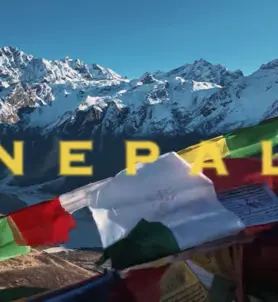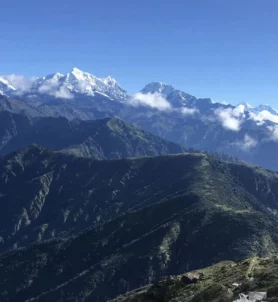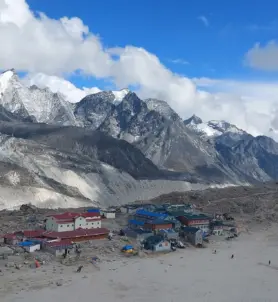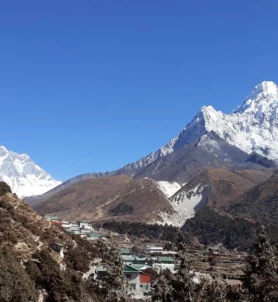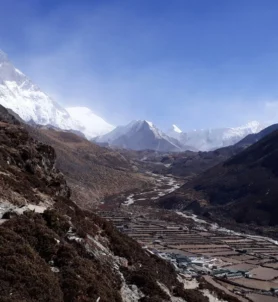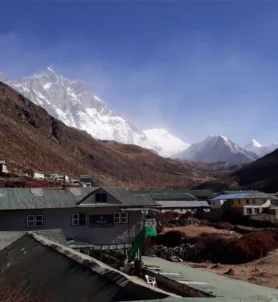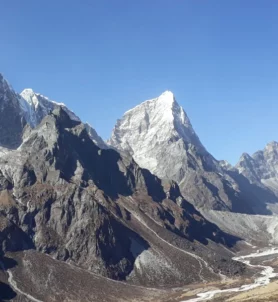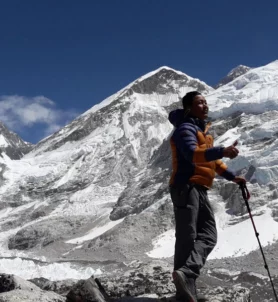


Everest Base Camp Trek in Nepal is more than just a trek. A good fitness and strong determination are required to trek around Everest Base Camp from Nepal. The Mt Everest Base Camp is one of the best trekking routes in the world. An amazing trekking to Everest Base Camp is an experience of a lifetime. The Everest Base Camp Helicopter Tour is an option to go on Everest Base Camp without trekking.
Flight to Lukla for Everest Base Camp Trek in Nepal
You will get direct flight from Kathmandu to Lukla in January, February, June, July, August and December. The flight operates from Manthali/Ramechhap to Lukla in March, April, May, October and November. These are the peak months to trek around Everest Base Camp and air traffic in Kathmandu airport. You can reach to Manthali by 5 to 6 hours drive from Kathmandu.
The Unpleasant weather conditions, air traffic in Kathmandu airpot, unmanaged runway, topo-graphical difficulties, the Lukla flight may delay or cancellation. It is nice to keep additional one or two days for your Everest Base Camp trip, so that you will miss your international flight due to flight delay or cancellation between Lukla and Kathmandu.
Best time to trek Everest Base Camp in Nepal
Spring and Autumn are the best seasons for Everest Base Camp Trek. As it offer nice and warm weather with clear view of the Himalayas.The other time of the year also possible to do EBC trek. Please check below why Spring and Autumn are time to trek around Nepal Everest Base Camp.
Spring Season(March to May)
Temperature: Mild and comfortable, ranging between 10–20°C during the day
Visibility: Clear mountain views in the morning, occasional clouds in the afternoon
Nature Highlights: Rhododendron and wildflower blooms throughout the trail
Crowds: Less crowded
Ideal For: Nature lovers and those who want good weather and moderate traffic
Autumn Season (Sept to Nov)
Weather: Stable and dry, clear skies and Himalayan views
Temperature: 15–22°C
Cultural Vibe: Nepalese festivals like Dashain and Tihar
Crowds: Busiest time, hence busier trails
Ideal For: Photographers, festival-goers and those who want the clearest mountain views
Winter Season (Dec to Feb)
Trail Conditions: Very quiet
Temperature: Cold, especially in higher elevations, warm layers essential
Visibility: Excellent views due to clear skies and dry air
Crowds: Least crowded season for trekking
Ideal For: Adventurers who don’t mind the cold and want solitude on the trail
Monsoon Season (June to August)
Weather: Frequent rainfall and cloudy skies, especially in lower elevations
Trail Conditions: Muddy and slippery paths, possible flight delays to Lukla
Scenery: Lush green landscapes, alpine flowers, fewer trekkers
Visibility: Limited mountain views due to clouds and mist
Crowds: Very low tourist traffic
Ideal For: Off-season trekkers who want solitude and are comfortable with unpredictable weather
A Typical Day on the Everest Base Camp Trek
A day starts at around 6 or 7 am with breakfast in the teahouse dining room. Breakfast is ordered the night before so that it is ready on time. After breakfast, prepare your duffel bag, the porter will carry it. They will set off at his own pace. All you need to carry a day pack with water bottle, sunscreen, snacks, camera and important item.
Start day trek with your guide have explained the highlights of the day the night before. You will continue walking until the lunch stop on the trail. After lunch, follow the trail until the overnight teahouse.
At the teahouse, it’s time to choose the items from menu for dinner before relaxing with other travelers or writing your diary. The guide will explain the route and landscape for the next day during or after dinner. Don’t forget to order breakfast before the bed.
The Everest Base Camp (EBC) Trek is a challenging yet achievable adventure for trekkers with moderate fitness levels. While it does not require technical climbing skills, the trek presents physical and environmental challenges that demand proper preparation.
Difficulty Level of Everest Base Camp Trek
Everest Base Camp Trek is a challenging grade trek in terms of difficulty. The EBC trek involves high-altitude trekking, daily ascents and descents, and long walking hours. The round trip covers approximately 130 km (80 miles) from Lukla to Everest Base Camp and back. The highest point is Kala Patthar (5,545m), and trekkers must acclimatize properly to avoid altitude sickness. Expect 5–7 hours of trekking per day, with some longer days, especially during ascents to high-altitude points.
Prepare Physical Fitness for trekking Everest Base Camp
Strong stamina is crucial. Activities like hiking, running, swimming, and cycling can help improve endurance. Strengthening quadriceps, calves, and hamstrings through exercises like squats and lunges will help with steep ascents and descents. A strong core improves balance and reduces fatigue. Core exercises like planks and sit-ups are recommended. Trekking in extreme conditions requires determination, patience, and a positive mindset. At least 2-3 months of pre-trek training, including hiking with a loaded backpack is advisable.
All ages group trek Everest Base Camp
All ages people from beginner to experienced hikers can trek to Everest Base Camp. With proper training and acclimatization, beginners can complete the EBC trek. Those with previous trekking experience will find the EBC trek demanding but manageable.Trekkers from 12 to 70+ years have successfully completed the trek with adequate preparation.
Everest Base Camp Trek in Nepal Routes
You can trek to Everest Base Camp through different trek routes. The 12–14 Days Standard Trek Route from Lukla to Everest Base Camp is a perfect one. This Everest Base Camp trek starts with a short flight to Lukla and takes 12 to 14 days, depending on acclimatization days. This is the most popular option, balancing safety, scenery and a good pace. Below are the highlights of the trek.
Namche Bazaar: A bustling trading hub with tea houses, cafes and local markets.
Tengboche Monastery (3,867 m): Spiritual centre of the Khumbu with stunning views of Ama Dablam and Everest.
Kala Patthar (5,545 m): The best sunrise viewpoint of Everest’s summit.
Sagarmatha National Park: A UNESCO World Heritage Site with unique flora and fauna, including Himalayan tahr and danphe.
Duration of Everest Base Camp Trek
Not everyone has the same amount of time, fitness level and travel style. So, we bring the most popular duration-based Everest Base Camp treks, explained in quick points and short overviews.
The short Everest Base Camp Trek is perfect for those with limited time who still want to reach Base Camp. The trek follows the main route but ends with a helicopter return from Gorakshep or Lobuche, saving two to three days on the descent.
The trip covers all the main highlights of the trek-Namche Bazaar, Tengboche Monastery, Everest Base Camp and Kala Patthar. It offers faster return with breathtaking aerial views. It offers less time for acclimatization, and more expensive.
Classic Everest Base Camp/EBC Trek 12–14 Days
This is the most popular itinerary and the right balance of adventure and safety. With acclimatization days in Namche Bazaar and Dingboche, it gives your body time to adjust while you enjoy Sherpa culture and Himalayan scenery at a steady pace. The trek offer safe acclimatization, immersive experience, culturally rewarding. This option is best for first time high altitude trekkers who don’t want to rush.
Everest Base Camp Helicopter Tour 1 Day
If you are unable to do Everest Base Camp by age and time factor, but you still want to see Everest, the helicopter tour is the quickest way. You fly from Kathmandu (or Lukla) with over fly tour to Everest Base Camp and Kala Patthar for panoramic views and land at Everest View Hotel before returning to Kathmandu the same day.
Everest Base Camp Helicopter Tour is the fastest and easiest way to see Everest with minimal effort.
At the same time, it is also the most expensive trip with limited cultural immersion. Also, the best tour for luxury travelers with short on time.
Slow and extended Everest Base Camp Trek 16–20 Days
The Slow and extended Everest Base Camp Trek for those with more days, adding side trips and high passes. The EBC trek with Gokyo Lakes (17–18 days) and the full Three Passes Trek (18–20 days). These routes are tougher but reward you with solitude, diverse scenery and a greater sense of achievement. The trek offers more variety with fewer crowds. It is a longer and more demanding trek.
Jiri to EBC-Everest Base Camp Trek(19–21 Days)
Jiri to EBC-Everest Base Camp Trek route follows the trail of the early Everest expeditions. Starting from Jiri or Salleri, it adds a week of trekking through lush mid-hills before joining the classic trail. This authentic trek offers gradual acclimatization, and rich cultural immersion. It is physically tougher and time-consuming trek.
Extensions and Side Trips
For trekkers with extra days and special interests you can personalize your adventure like below
Helicopter Return Options-Save time on the descent and enjoy unforgettable aerial views of Everest and the Khumbu Glacier.
Island Peak Climb (6,189 m): Add 3–4 days for a non-technical climbing experience with stunning summit views.
Ama Dablam Base Camp: A half-day detour from Pangboche for iconic photo opportunities of Ama Dablam.
Everest Base Camp Trek for Different Age Groups
With the right preparation, families, seniors and solo travelers can all enjoy this iconic Himalayan journey.
EBC Trekking with Kids and Families
Children above 10–12 years old, with good fitness and enthusiasm, can complete the Everest Base Camp trek. In fact, we have guided children as young as 7–9 years old to Base Camp. Parents should:
- Plan extra acclimatization days and keep daily walking distances shorter.
- Bring familiar snacks, warm layers and small activities for rest time in teahouses.
- Rely on experienced guides who pay special attention to young trekkers’ safety and morale.
Everest Base Camp Trek for Seniors
Trekkers in their 50s, 60s and even 70s, we have proudly hosted and have reached Base Camp. Success depends on preparation and pacing. Seniors should:
- Undergo medical check-ups before traveling and get clearance for high-altitude trekking.
- Focus training on stamina, balance and leg strength.
- Take the trek at a slower pace and hire a porter to reduce physical strain.
Solo Travelers
Everest Base Camp is one of the most social trekking routes in Nepal. While trekking completely alone is no longer permitted, solo travelers can:
- Join guided groups for companionship, cost-sharing and safety.
- Enjoy the vibrant social culture of the trail where many friendships are formed over shared experiences.
Remember All Ages for Everest Base Camp Trek
Acclimatization days are essential for everyone-kids, seniors and first-time trekkers alike. Pre-trek training that mimics real conditions (long hikes, uphill climbs, carrying a backpack) is highly recommended. Above all, success comes from steady pacing, consistent effort and good preparation-not speed. With proper planning and support, Everest Base Camp trek is open to people of all ages.
Families create lifelong memories, seniors get a sense of achievement and solo travelers find a personal adventure. We have already guided trekkers as young as 7–9 years old and seniors in their 70s and above. We will ensure every trekker-7 or 70+, gets the guidance, safety and motivation to complete the journey of a lifetime.
Extend your trip after Everest Base Camp
If you are interested in staying longer in Nepal, we can organize that for you too. If you are keen to extend your trip to the Everest Region, we recommend Island Peak. This is considered a trekking peak. Some climbing gear is required, but you do not have to be an experienced climber to do this climb. It is ideal for those who want to try climbing but have little or no experience and want to see Mount Everest simultaneously. You can combine both treks.
If you would like to visit another part of Nepal, we can recommend both Chitwan National Park and Bardia National Park. If your time is short, we can provide Kathmandu Heritage sightseeing with a guide, taking you into a fascinating ancient world and culture.
Responsible and Sustainability Trekking
As more and more people are interested in responsible trekking in Nepal. It’s time to think about the environmental and social impact of your Everest Base Camp trek. Choosing sustainable practices not only protects the fragile Himalayan ecosystem but also supports the local communities who make this trek possible.
- Carry a reusable water bottle and use purification tablets or filters instead of buying single-use plastic bottles.
- Conserve energy by limiting hot showers and device charging in teahouses, as both rely on expensive and limited resources.
- Pack out your trash and don’t leave waste on the trail.
Supporting Porter and Guide Welfare
Make sure your trekking company follows fair porter treatment, including reasonable weight limits (20 kg per porter) and proper insurance. Respect their work and build connections-they are often from the very villages you trek through.
Cultural Respect and Community Support
Stay in locally run teahouses and buy handicrafts or snacks from Sherpa-owned shops. Learn simple greetings like “Namaste” or “Tashi Delek” to connect with locals. Ask before photographing people, religious sites, or ceremonies. By following these tips you’ll help preserve the Khumbu’s natural beauty, support Sherpa livelihoods and make sure the Everest Base Camp trek remains an inspiring journey for generations to come.
Independent vs Guided Trek for Everest Base Camp
When planning your Everest Base Camp trek, you’ll need to decide whether to trek independently or hire a guide. Each option has its positive and negative aspects.
Independent Trekking
Greater flexibility in your itinerary. Lower cost if you’re experienced and know the route. Requires thorough research and self-reliance. Navigational challenges and increased risk in emergencies.
Guided Trekking
Professional guidance ensures safety and smoother logistics. Insightful cultural and historical knowledge from guides. Assistance with permits, accommodation, and emergencies. Higher cost compared to independent trekking. Less flexibility in adjusting the itinerary.
For most trekkers, especially first-timers, a guided trek offers peace of mind and a more enriching experience. Choose a reputable trekking company to ensure quality service and safety.
Emergency and Evacuation Process on EBC Trek
The biggest concerns for trekkers is safety at high altitude. The high-altitude trekking always involves risks like Acute Mountain Sickness (AMS)-High Altitude Pulmonary Edema (HAPE), or High Altitude Cerebral Edema (HACE), but a clear emergency plan ensures you trek with confidence.
Helicopter Evacuation
In case of severe altitude sickness, injury, or sudden illness, helicopter evacuation from Everest Base Camp and nearby villages like Pheriche, Dingboche, or Lobuche is the fastest and most reliable option. The insurance policies must cover emergency evacuation up to 6,000 m. Without this, helicopter rescue costs can reach thousands of dollars. Weather permitting, helicopters can land even at high-altitude points and transport trekkers to hospitals in Kathmandu within hours.
Medical Aid Posts and Facilities in Everest Base Camp Trek
The Himalayan Rescue Association (HRA) runs well-known aid posts in Pheriche and Machhermo, staffed with doctors trained specifically in altitude-related illnesses. Basic first aid and oxygen are also available in some teahouses and larger villages along the EBC trail. In emergencies, trekkers may be stabilized at these posts before evacuation.
Medical Training Guide
Our licensed trekking guides are trained to identify and respond to early symptoms of AMS, HAPE, and HACE. They carry first-aid kits, and altitude medication protocols to monitor your health daily. Many guides have years of high-altitude experience, which is crucial for making fast decisions about rest, descent, or evacuation.
Communication Protocols
Communication in the Everest region can be challenging, but guides use local mobile signals to request help. In the event of an emergency, your guide will contact the Kathmandu office to arrange helicopter evacuation and coordinate with your insurance provider.
This ensures quick authorization and minimal delays during critical situations. By trekking with us, you’ll have access to trained guides, medical support, and established evacuation procedures. This means that even if the unexpected happens on the Everest Base Camp trek, you can rely on a rapid response, professional medical guidance, and safe evacuation back to Kathmandu.
Money Exchange in Kathmandu
Save yourself stress and extra costs by managing your money well before the Everest Base Camp trek.
Exchange in Kathmandu: ATMs and exchange counters are scarce and unreliable in the mountains. Do most of your currency exchange in Kathmandu before you leave EBC trek.
Carry NPR: All teahouses, shops and local services only accept rupees, not foreign currency. Larger notes (500/1000) are fine in cities but carry smaller denominations for villages.
Thamel ATMs: Thamel has multiple ATMs and money exchange counters with good rates. But most ATMs have a withdrawal limit (often NPR 35,000 per transaction) and charge fees.
Avoid Airport Exchange: The exchange counters at Kathmandu airport have lower rates than the city based exchanges.
Bring Backup Cash: Power cuts and technical issues are common in rural Nepal. Always carry enough rupees in cash before flying to Lukla.
Emergency Reserve: Keep a small stash of extra cash for unexpected costs like hot showers, charging or helicopter evacuation deposit payments.
By following these tips, trekkers won’t run out of cash on the trail and can focus on the adventure ahead.
Cost and Booking Process for EBC Trek
The cost of the Everest Base Camp trek with us is USD 1,450 per person. This price provides excellent value as it includes accommodation, meals on the trek, domestic flights, permits, and professional guide and porter services.
Group Discounts
Discount for larger groups for families, friends or travel clubs.
Booking with us
- Booking is easy and takes only a few minutes.
- Choose your dates – select from our guaranteed departure schedule or request a private trek.
- Secure your spot – pay a deposit online (credit card accepted) or full amount if you prefer.
- Submit documents – we need a copy of your passport to book Lukla flights and trekking permits.
- Get confirmation – once booked you will get personalized trip briefing, packing list and 24/7 support contact.
- By booking with us you are getting transparent pricing, no hidden fees and expert logistical support throughout the trip.
Tipping Culture in Nepal
It is expected in restaurants and cafes to tip 10% of the bill. Tipping your driver, porter, guide, and other staff on your trek is also normal. Please tip drivers of private vehicles separately, $1 to $5, depending on the length of the journey. Normally tips for the trekking crew are given as a group and depend on the group’s satisfaction.
Important Notes for EBC Trek
- Flights to the Everest Region now depart from Ramechhap airport due to congestion at the Kathmandu airport. Ramechhap is a several hours drive from Kathmandu, so we leave Kathmandu at 1 AM to reach there for the early morning flights. There are no day or evening flights due to the high winds in the mountains in the afternoons.
- Flights can be delayed or canceled due to bad weather. We recommend you build in a 2 or 3-night contingency plan. That means do not book your international flight for Tuesday if your planned flight from Lukla is on Monday. Best to book it on Thursday or Friday.
- If you wish to take a helicopter flight from Kathmandu to Lukla, there will be an additional charge of around $250 to $300.
- There is no additional fee for the package rate for solo travelers. However, if you are traveling alone and wish for a single room, please add on the single supplement during checkout.
Porters can only carry 20kg. So please pack lightly. We will provide you with a bag/duffle bag that is easy for porters to carry. - Airlines have a weight limit of 15kg per person. Any excess can be paid at the airline counter at the airport. Note that this is only possible if the flight is not overweight already. Again, please pack lightly.
Please provide us with a copy of your passport at the booking stage, as we require this for domestic flight booking. - Meals on the trek are included in the price. This does not include hot or cold drinks, alcohol, or extra snacks. In Kathmandu, breakfast is included, but not lunch or dinner.
- There are extra expenses for hot showers ($3 to $5) and charging your battery ($1 to $3).
- You can buy a wifi card in Lukla or Namche Bazaar for $25. 10 or 20 GB of data are provided for use over 30 days in the Everest Region. We cannot guarantee the wifi quality – it will depend on the weather and location.
- Weather can change dramatically and quickly in the mountains, so please bear with us if there are delays. Please follow the advice of your guide if he needs to change the itinerary in any way due to the weather.
- Drones are not permitted unless you have a special permit to fly them in the Everest Region. This is because there are many unscheduled helicopter flights in the sky. It is tricky to obtain permission, so leave it at home unless you need a drone.
- Remember your insurance!
- Most of all – enjoy your amazing adventure.