banner-image
  • visa-icon
  • mastercard-icon
  • american-express
  • discover-network
  • no-image
  • no-image
destination-icon
Destination Poon Hill
difficulty-icon
Trip Difficulty Moderate Trip
trip-duration
Duration 4 Days
activities-icon
Activities Trekking
accommodation-icon
Accommodation Teahouse
max-altitude-icon
Max altitude 3200m
group-size-icon
Group Size 1-18 Pax
meals-icon
Meals Breakfast/Lunch/Dinner
vehicle-icon
Vehicle Car/Jeep/Bus
  • Best Price Guarantee
  • Secure & easy online
  • Discount for groups
  • visa-icon
  • mastercard-icon
  • american-express
  • discover-network

Highlights of Muldai View Point Trek

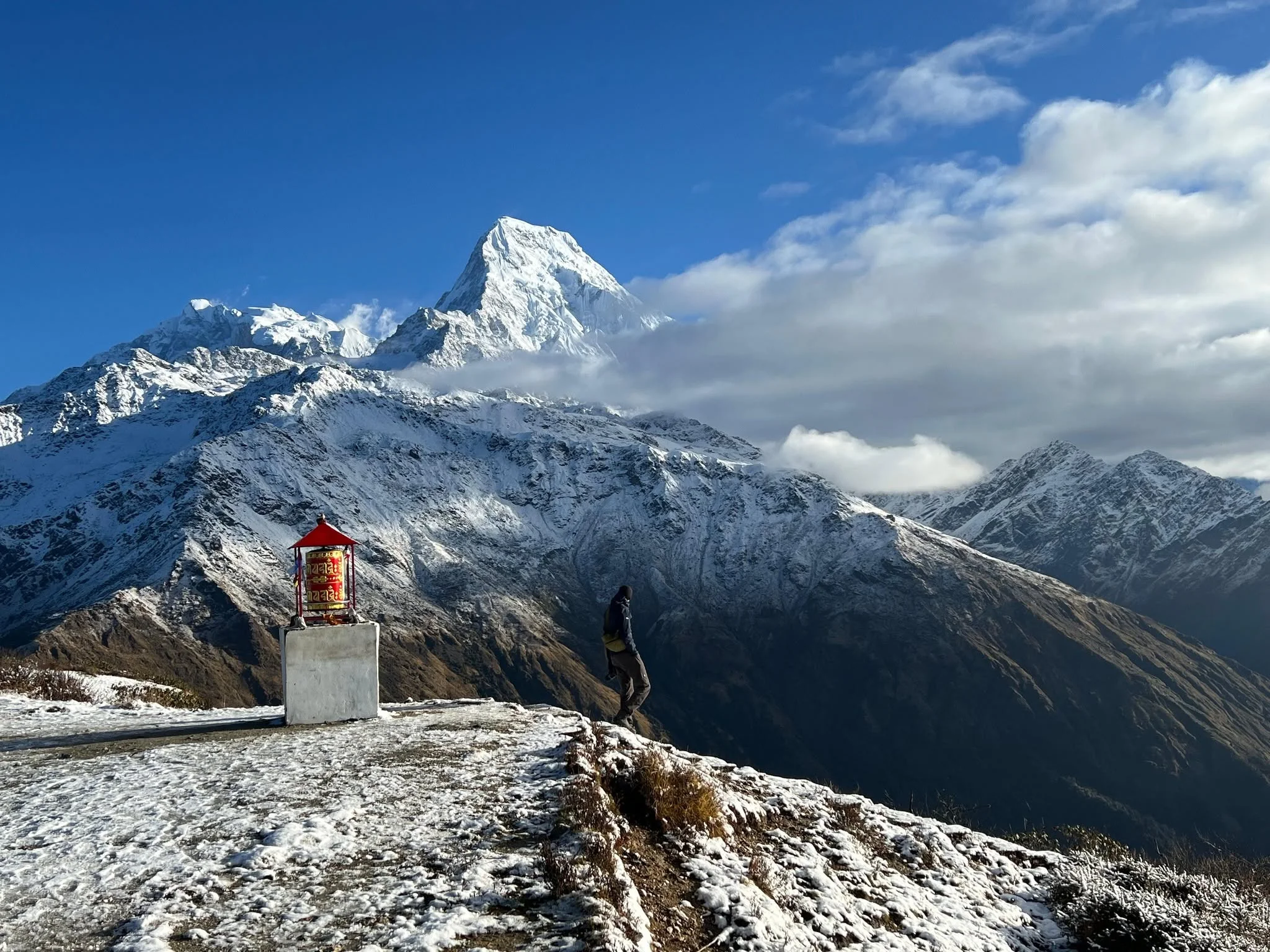
  • Hike to Muldai View Point (3,637m), one of the best hidden view points in the Annapurna region, offering spectacular 360-degree Himalayan panoramas.
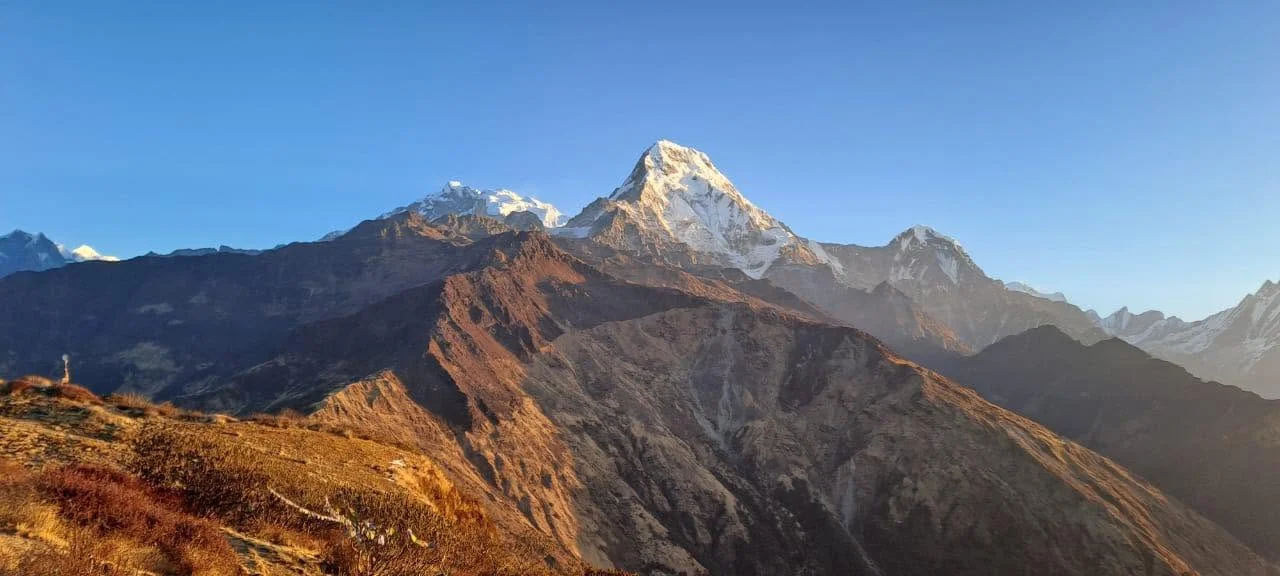
  • Enjoy breathtaking views of Annapurna South, Machhapuchhre (Fishtail), Dhaulagiri, Hiunchuli, Gangapurna, Lamjung Himal, and the entire Annapurna range.
  • Trek through beautiful rhododendron forests, alpine meadows, and traditional Gurung villages within the Annapurna Conservation Area.
  • Experience a peaceful and less-crowded alternative to the popular Ghorepani Poon Hill Trek while enjoying equally stunning mountain scenery.
  • Discover authentic community-based trekking with warm local hospitality, scenic ridge walks, and opportunities to visit both Muldai View Point and Poon Hill.

Overview of Muldai View Point Trek

A Short Muldai View Point Trek takes you to the Hidden Himalayan Viewpoint in the Annapurna Region of Nepal. The Muldai View Point Trek is a newly introduced trekking route in the Annapurna of Nepal. It is relatively a short trek, famous for breathtaking views of the Annapurna and Dhaulagiri mountain ranges. The Mulde View Point Trek is suitable for all trekkers from beginners to seniors. The Muldai Hill offers spectacular 360-degree panoramic views of the Himalayas, including the Annapurna, Dhaulagiri range, Lamjung, Fishtail, and Gangapurna.

Muldai View Trek is a scenic trek routes and also a community based adventure trip. The trek begins from Ghandruk, which is accessible by road from Pokhara. From Ghandruk, the trek follows a scenic route through forests and villages, gradually gaining altitude. Throughout the trek, trekkers will enjoy stunning views of the Annapurna and Dhaulagiri ranges. This trek is part of the Khopra Ridge Trek and is based on a community-based concept. During the trek, one passes through dense Rhododendron forests, a beautiful Gurung village, an amazing landscape, and mesmerizing mountain views.

Muldai View Point Trek-The Himalayan Escape with Local Hospitality
The Muldai Hill Trek is becoming increasingly popular among Nepalese travelers who are seeking a short break from their busy daily lives. and a skyline dominated by the majestic Himalayas. You will be overwhelmed by the warm hospitality of the locals in Ghandruk as you make your way to Muldai View Point. Muldai short trek is a community trek that offers a unique experience off the beaten track. Trekkers will also have the opportunity to visit Poon Hill, a popular viewpoint for sunrise and sunset views.

The Best Alternative with Spectacular Mountain Views
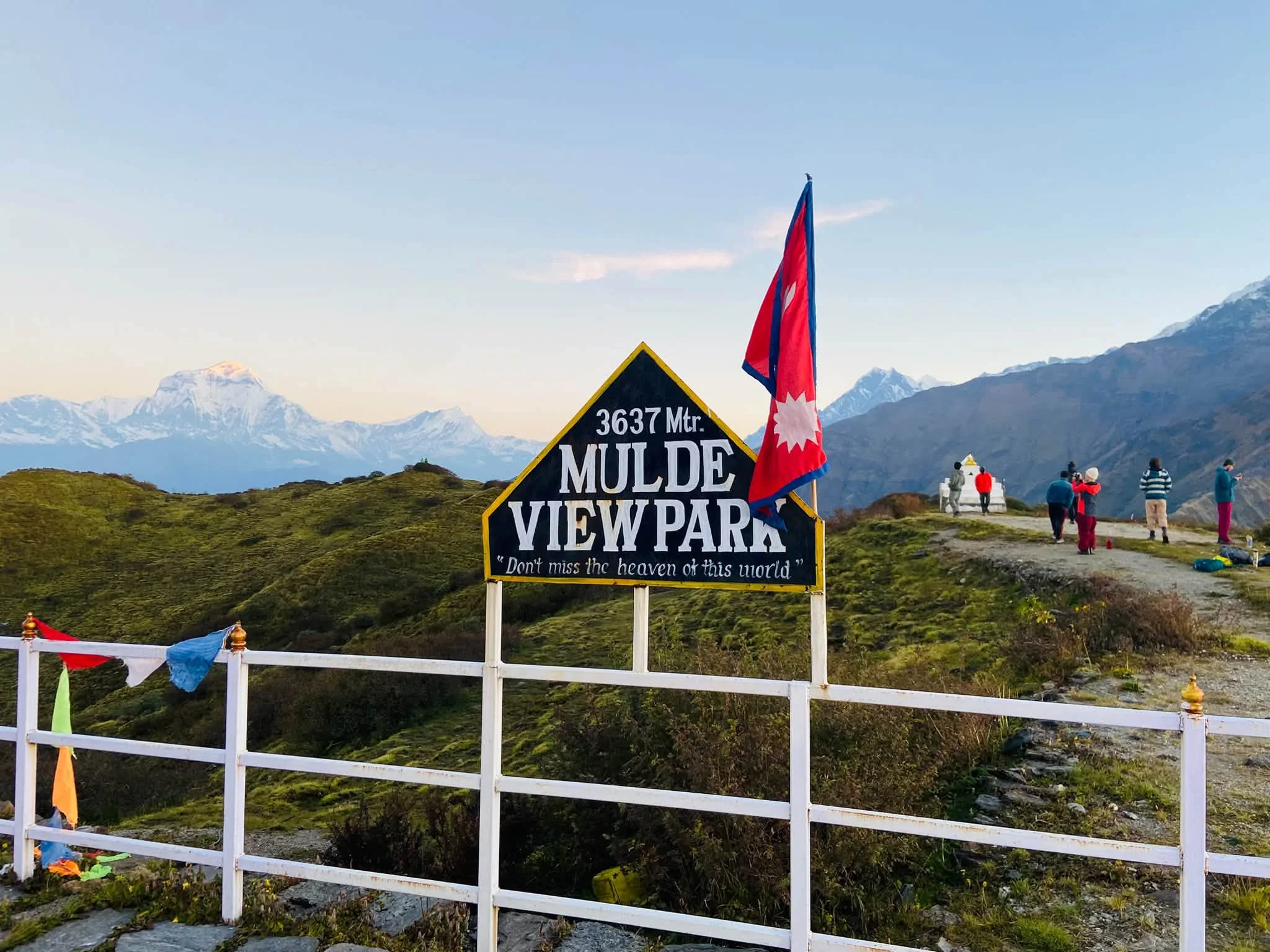
The Muldai View Point Trek offers a quieter alternative to the Poonhill Ghorepani Trek in the Annapurna region. Climbing Muldai Hill provides a magnificent view of the mountains from an elevation of 3637 meters. Also known as the balcony viewpoint trekking route in the Annapurna Region, which is Nepal’s largest conservation area, the Muldai Viewpoint Trek affords splendid views of Annapurna, Gangapurna, Fishtail, Lamjung Himal, the Dhaulagiri Range, Himchuli, and more.

Mulde Trek-A Comfortable Trek Journey in Nepal
Muldai View Point Trek is a perfect option for those seeking a short and less crowded trekking route in Nepal. If you want more comfort, you can extend the Muldai View Point trek from Pokhara. During the spring (March to May) and fall (September to November), Muldai View Point Trek is considered to be the best time of the year as it offers moderate temperatures and clear skies.

The trek is challenging with steep and rugged trails, walking over stone steps, and continuous trekking for five to six hours at a stretch. Overall, the Muldai View Trek is a great option for those who want to experience the beauty of the Annapurna region without committing to a longer trek. The trek is relatively easy and can be done in a short amount of time, making it a great option for those with limited time.

The Muldai View point Trek Package typically includes all necessary permits, transportation, accommodation, meals, and the services of an experienced guide and porter. Our guides are trained and licensed by the Nepalese government, and they have a good understanding of the local culture and environment. We also provide customized packages to meet the specific needs and preferences of individual trekkers.

Muldai Trekking Difficulty
The Muldai View Point Trek is considered to be a moderate-level trek, which means that it requires a reasonable level of fitness and some prior trekking experience. The trek involves a gradual ascent through forests and alpine meadows, with some steep sections and occasional rugged terrain. The highest point on the Muldai View Trek is Mulde Viewpoint, which is located at an altitude of 3,700 meters. Altitude sickness may occur at this elevation, so trekkers should take necessary precautions, such as acclimatizing properly and drinking plenty of fluids. Nevertheless, adequate preparation and precautionary measures are crucial to ensure a safe and enjoyable trekking experience.

Best time to trek Muldai View Point in Annapurna
The best time to undertake the Muldai View Trek is during autumn (September to November) and spring (March to May) are peak trekking seasons. During these seasons, the weather is generally clear and dry, with mild to warm temperatures during the day and cool temperatures at night. This makes for excellent trekking conditions with clear mountain views and stable weather patterns.

In the autumn season, the skies are generally clear, and the air is crisp and fresh after the monsoon season, providing excellent visibility of the surrounding peaks. The autumn season also coincides with the harvest season in Nepal, and trekkers can experience the local culture and festivities.

In the spring season, the weather is warmer, and the rhododendron forests are in full bloom, providing a beautiful and colorful backdrop for the trek. The spring season is also a good time for birdwatching, as many migratory birds come to Nepal during this time.

You can do the Muldai View Trek during the winter and summer seasons, but snow and rain make these times challenging, with views often obscured by clouds and mist. Therefore, most trekkers prefer the autumn and spring seasons for trekking to Muldai View Point.

Drinking Water on Muldai Trek
Consider drinking boiled water or using chlorine tablets to purify the tap water available in guesthouses along the trail. The boiled water is available for a small fee. Euro-guard filters are available in several guesthouses. Mineral water is indeed available in most areas, but there is no provision for disposing of plastic bottles, so we encourage guests to do what they can to conserve the environment.

Recharging batteries on Muldai View Point Trekking
Using electricity or solar power, you can recharge your digital camera, iPod, batteries, etc. There may be a need to purchase an adaptor in Kathmandu before your trip, as the plugs in Nepal may be different. For recharging facilities, lodges charge a small fee per hour. Appliances in Nepal operate on 220-240 volts. The sockets accept both round and flat plugs.

Tips for Mulde Danda Trek
Lock your room to safeguard your valuables while you’re away hiking on Mulde Danda. When you leave your guesthouse room, be sure to lock the door. It is also recommended that you do not leave your laundry hanging outside at night. In any house, whether Buddhist or Hindu, do not throw anything into the fire. Most cultures believe that the household gods reside in the kitchen.

Detail Itinerary of Muldai View Point Trek

01

Day 01: Drive to Ghandruk from Pokhara – Trek to Tadapani(55km, drive to Ghandruk for 2.5 hours)/ 12km walk to Tadapani(2600m, 4 hours)

The first day of the Muldai View Point Trekking starts early in the morning with a 2.5-hour journey from Pokhara to Ghandruk. Little villages and terraced fields are passed through during the magnificent drive through Nepal’s picturesque countryside. We would start our journey from Ghandruk toward Tadapani, depending on the route used. The trek offers fantastic views of the Annapurna range, leading us through deep rhododendrons and oak tree woods. Before arriving at our overnight location, we will pass through the Nayapul, Birethanti, and Syauli bazaar settlements and cross the Kimche. Spend the night in a guesthouse in Tadapani.

02

Day 02: Trek to Dobato(3426m, 15km, 6 hours)

Breakfast and we will depart from Tadapani to Dobato at 3426 meters. Before arriving at our destination, the trail leads us through lush bamboo and rhododendron trees and the village of Deurali. The vistas get better and better as we climb, with expansive views of the Dhaulagiri massif and the Annapurna range. Moreover, we’ll visit some of Nepal’s rare and imperiled animals, such as the red panda and snow leopard. We will spend the night in a Dobato guesthouse.

03

Day 03: Hike Mulde View Point and trek to Ghorepani(2800m, 14km, 6 hours)

We will walk up to Muldai View Point on the third day, where we will be treated to breathtaking panoramic views of the Dhaulagiri mountain, the Annapurna range, and the surrounding valleys. The challenging climb takes around two to three hours, but the vistas are well worth the effort. You will stop at Deurali for Lunch then pass a beautiful Thapla Danda view point and hike down to Ghorepani.

04

Day 04: Hike to Poon Hill for Sun Rise, Trek to Ulleri and Drive to Pokhara(12km, 4 hours walk and 55km, 3 hours drive)

On the fourth and last day of the walk, you wake up around 5 a.m. and get ready to hike up to Poon Hill. The route is short. Once you reach the view station, the breathtaking panorama of the mountains, including Annapurna, Dhaulagiri, Machhapuchhre, Gangapurna, and many more, will amaze you. The sunrise over the snow-clad mountains is a view you’ll remember for the rest of your life. After enjoying the view, you head back to Ghorepani, have breakfast, and descend to Ulleri via the stone steps. After returning in a private jeep from Ulleri, we will end our Muldai View Point Hiking excursion in Pokhara.

Not Happy with this itinerary?

Includes / Excludes

What's Included ?

  • Pick Up and Drop off at/From hotel in Pokhara before and after Trek.
  • All meals ( Breakfast, Lunch, Dinner ) during the trekking.
  • Lodge accommodation ( twin share basis) during the trekking.
  • One experienced, well-trained, fluent English-speaking, friendly, specialized in the Ghorepani trekking route, and government-authorized trekking guide
  • 1 Porter per 2 Trekkers and keep luggage weight under 10kg per person.
  • Guide and porters food, accommodation, salary, insurance, and transportation.
  • Overland transportation as mentioned in the itinerary.
  • ACAP( Annapurna Conservation Area project) and necessary permits.
  • A Trekking map, and water purification pills.
  • Assistance for emergency rescue evacuation.
  • Government tax and service charge.

What's Excluded ?

  • Hotel accommodation in Kathmandu and Pokhara .
  • Hard and soft table drinks include tea/coffee, coke, fanta, mineral water, alcoholic beverages, laundry, phone bills, etc.
  • Personal Travel insurance.
  • International Flight Tickets.
  • Nepal Tourist Visa
  • Tips for guide and porters(Highly suggested).
private-trip

Note: We operate private trip everyday.

We can operate private trip for solo, group, family, students as per your requirements.

Trip Information - Muldai View Point Trek

Add-on Options

These add-ons make the Muldai Viewpoint Trek smoother and more enjoyable, with easier transport, rental gear, and extra activities before or after the trek.

  • Private Vehicle Transfers (USD 50 Pokhara to Ghandruk and USD 60 Ulleri to Pokhara): Use private vehicles instead of shared jeeps or buses for a more direct and comfortable ride between Pokhara and the trailheads.
  • Gear Rental: Rent a sleeping bag (USD 12), jacket (USD 12), a pair of crampons/spikes (USD 10), and a pair of poles (USD 10) so you don’t need to carry everything from home.
  • Guided Pokhara Sightseeing (USD 30 per person): Explore Lakeside, viewpoints, and major sights in Pokhara with a local guide as a relaxed add-on.
  • Rafting at Trishuli (USD 45 per person): Join a Trishuli River rafting trip for a mix of fun rapids and scenery after your Muldai Viewpoint trek.
  • Guided Kathmandu City Tour (USD 30 per person): Visit key temples, Durbar Squares, and local markets in Kathmandu as an extra cultural experience.
  • Kathmandu to Pokhara by VIP Sofa Tourist Bus (USD 15 per person, each way): Travel between Kathmandu and Pokhara by comfortable tourist bus with sofa-style seating.
  • Kathmandu to Pokhara by Flight (USD 120 per person, each way): Fly directly between Kathmandu and Pokhara to shorten travel time.
  • Paragliding in Pokhara (USD 90 per person for 45 minutes): Add paragliding over Pokhara for more mountain and lake views from the air.
  • Zipline in Pokhara (USD 80 per person): Experience a fast and scenic zipline ride as a short adventure near Pokhara.
  • 1-hour Everest Scenic Flight (USD 300 per person): Enjoy a 1-hour mountain flight to see Everest and the Himalayan range from the air, with private airport pick-up and drop-off in Kathmandu included. This is a scenic flight only with no landing.

Difficulty Level of Muldai Trek

The Muldai Trek is considered an easy to moderate trek in Nepal, making it suitable for beginners, families, and trekkers with a basic level of fitness. The some sections of the trek involve gradual uphill ascents, stone staircases, and forest trails that can feel physically demanding at times. The trek usually involves walking for around 5 to 7 hours per day, which is manageable for most people with normal fitness and stamina. One of the reasons the trek is less challenging compared to other Himalayan treks is its relatively lower altitude, as the highest point, Muldai Viewpoint, stands at around 3,637 meters. The trek is especially popular among those looking for a short and peaceful trekking experience with stunning mountain views of the Annapurna and Dhaulagiri ranges. Weather conditions can also affect the difficulty level, as winter may bring snow and monsoon season can make trails slippery. Overall, the Muldai Trek is a comfortable and rewarding trekking route for anyone seeking a scenic Himalayan adventure without extreme physical challenges.

Altitude challenges

The Muldai Trek does not present major altitude challenges compared to high-altitude treks in Nepal, making it a comfortable option for most trekkers. The highest point of the trek is Muldai Viewpoint at approximately 3,637 meters (11,932 feet), which is below the altitude where severe altitude sickness is commonly experienced.

Since the elevation gain is gradual and the trekking days are relatively short, most trekkers adapt easily without needing extra acclimatization days. However, some people may still experience mild symptoms such as slight headaches, tiredness, shortness of breath, or difficulty sleeping, especially if they ascend too quickly or are not physically prepared. Staying hydrated, walking at a steady pace, eating properly, and avoiding alcohol can help reduce the chances of altitude-related discomfort.

Best Time for a short Muldai View Point Trek

Spring and autumn are the best times for Muldai View Point Trekking. These two seasons have the best weather, climate, and moderate temperatures. The days are sunny and bright, and visibility is also brilliant.

Spring (March to May)
If you are a nature lover, spring is the best time for Muldai View Point Trekking. A dense rhododendron forest covers the entire region and blooms in red, pink, and white colors. Hence, the trek becomes more enjoyable with blooming rhododendrons and Himalayan floras. The days are long and sunny. Likewise, the weather is pleasant for trekking.

There is a minimum chance of rainfall except for occasional rain showers. The temperature at the beginning of spring can drop to -5 degrees Celsius, but as the season progresses, it gradually becomes warmer. The highest temperature during spring is 17 degrees Celsius.

Summer (June to August)
Although summer brings warm weather, it also brings monsoons to Nepal. The landscapes look luscious and vibrant. However, the heavy rainfall causes trails to become wet, muddy, and slippery. There is also the risk of landslides and mudslides. As a result, it is not the best time for Muldai View Point Trekking.

On the bright side, there are few trekkers during summer. The trails are less crowded, and one can enjoy the serene atmosphere. You must prepare suitable equipment and gear for trekking in summer. Also, check the weather forecast before setting off for the journey. The highest temperature during summer can reach 23 degrees Celsius, and the lowest is 4 degrees Celsius.

Autumn (September to November)
The next best season for Muldai View Point Trekking is the autumn season. Aside from the stable and favorable weather conditions, there are many reasons to trek in autumn. The air is crisp, and autumn foliage covers the entire landscape. Moreover, the visibility is the best among all other seasons. You can witness spectacular views of the mountain panoramas and the landscapes.

Autumn is also the season for the biggest Nepalese festivals. The festive atmosphere further enhances the trekking experience, allowing you to get a closer look at and participate in the celebrations. At the end of the autumn season, the temperature begins to drop. The highest temperature is 15 degrees Celsius, and the lowest is -10 degrees Celsius.

Winter (December to February)
Winter offers a unique Muldai View Point Trek experience. Snow covers the entire landscape and trails, giving the area the image of a winter wonderland. Another benefit of trekking in winter is that the trails are less crowded. You can enjoy the quiet trails and witness the snow-capped mountains in its glory. However, trekkers have to prepare for harsh weather and low temperatures.

Heavy snowfall occurs in higher regions, and temperatures can drop to freezing. You have to prepare for the extreme weather and adequate gear for the trek in winter. The lowest temperature you will encounter during the Muldai View Point Trek in winter is -13 degrees Celsius. Meanwhile, the highest temperature can get to 12 degrees Celsius.

Muldai View Point Trek Departure Dates

Our scheduled group treks offer fixed departure dates, providing an excellent opportunity for travelers to join our small group trips. Our fixed group departure dates, services and price is guaranteed even if the group numbers are 1 person to maximum 18 persons. We will provide a guide cum porter if there is only 1 person to operate the trek and one more assistant guide if group size is above 10 persons. And of course, guide cum porter will carry 10 kg luggage.

Every journey we create is uniquely tailored to you. Share your interests and passions, and our travel experts will design an unforgettable adventure filled with extraordinary, one-of-a-kind experiences crafted just for you. It is also possible to book a private trip on your own departure dates.

Why A Short Muldai View Point Trek?
Not all travelers visiting Nepal have a long time to explore the country. ​Muldai View Point Trekking suits travelers, trekkers, and nature enthusiasts. It is among Nepal’s shortest and easiest treks, taking only 4 to 5 days to complete. Thus, it is an ideal trek for anyone without any trekking experience.

The Muldai View Point Trek begins with a drive from Pokhara to Ghandruk. The trail passes through green subtropical verdants and forests of conifers. En route, you will also cross several beautiful Gurung and Magar settlements. Similarly, you will trek alongside picturesque terrace farms, streaming rivers, and cascading waterfalls.

The trek route falls within the Annapurna Conservation Area, home to thousands of biodiversity and diverse ecosystems. Hence, trekkers can witness the region’s varied and rich flora and fauna. You may get a chance to encounter rare wild animals and birds. The 360-degree view of the Annapurna range, Dhaulagiri, Hiunchuli, Machhapuchhare, and many others greets you from the viewpoint.

Most locals belong to the Gurung and Magar communities, each with unique cultures, traditions, customs, languages, attires, and lifestyles. During the Muldai View Point Trekking period, you can also experience their warm hospitality and local delicacies. Catch a glimpse of the rural Nepali lifestyle as you traverse through dense woodland to the Muldai Peak. The trek beautifully blends nature, adventure, and culture.

Accommodations and Meals on the Short Muldai View Point Trek
Accommodations in the Annapurna region include teahouses, lodges, guesthouses, and homestays. These accommodations are usually twin-sharing and have communal bathrooms. You can find decent lodging during the Muldai View Point Trek. Lodges and homestays in places like Ghandruk offer broader services and facilities. You can also find single rooms and rooms with attached bathrooms. As you begin trekking to higher altitudes, the accommodations get more basic. You must pay extra fees for internet, charging devices, hot water/ shower, etc.

The accommodations also provide meals. You can find Nepalese cuisines along with some Indian and Western options. They will mainly serve you Dal Bhat, a staple Nepali dish. It consists of rice, lentile soup, curries, and pickles. Other menus may include porridge, bread, momo, thukpa, chowmein, pasta, sandwiches, soups, salads, pizza, burgers, roti, curries, spaghetti, and more. For drink options, you will find tea, coffee, soft drinks, alcoholic beverages, etc.

Permits for Muldai View Point Trekking
The Muldai View Point Trekking requires a TIMS (Trekkers Information Management System) card and an ACAP (Annapurna Conservation Area Permit). You can obtain the permits from the Nepal Tourism Board in Kathmandu or Pokhara through a government-registered trekking agency. The Annapurna Conservation Area Permit (ACAP), which is compulsory for all foreign trekkers entering this region, including routes like Muldai, Poon Hill, Mardi Himal, and Annapurna Base Camp. Permits are arranged by us before starting the trek, making the process quick and convenient.

Packing List for Muldai Viewpoint Trek
Depending upon the weather, Lightweight t-shirts, thermal layers, a warm fleece or down jacket, a waterproof/windproof jacket and pants, trekking trousers,and a warm hat and gloves for higher elevations.
Strong trekking boots, comfortable hiking socks, and a pair of lightweight sandals or slippers for evenings at teahouses.
Water bottle or hydration bladder, sunglasses, sunscreen, and lip balm.
Basic first-aid kit, personal medications, water purification tablets or filter, wet wipes, hand sanitizer, and toiletries (towel, toilet paper, toothbrush, toothpaste, etc.)
Lightweight snacks such as energy bars, chocolates, or nuts are highly recommended to keep your energy levels up during the trek.

Internet, Charging and Connectivity
Internet, charging, and mobile connectivity during the Muldai Trek are available in many villages along the route, although the quality of the connection may vary depending on the location and weather conditions. In lower settlements, trekkers can often access Wi-Fi services provided by teahouses for an additional cost, while mobile networks such as NTC and Ncell generally work in several areas of the trek. However, as you move toward higher and more remote sections near Muldai Viewpoint phone signals can occasionally be unstable or unavailable.

Charging facilities for phones, cameras, and other electronic devices are commonly available at teahouses and lodges. Lodges charge a small extra fee per device because electricity is usually supplied through solar power systems. Carrying a power bank or spare batteries is highly recommended, especially for trekkers who frequently use cameras, phones, GPS devices, or drones.

Booking and Payment Policy
The booking and payment policy for the Muldai Trek is generally straightforward. To confirm a booking, trekkers are usually required to pay a deposit of 20% of the total trip cost in advance. Once the deposit is received, the booking is confirmed, and the remaining balance is typically paid upon arrival in Kathmandu/Pokhara before the trek begins. The remaining payment made through card/bank transfer requires addition of inter-banking charges (4% of the remaining cost).

Last-minute bookings are accepted based on availability with quick confirmation. Full payment is required for last-minute bookings. After booking, clients are often required to provide passport details and a passport-sized photo for permit arrangements.

Group vs Private Trek Options
When planning the Muldai Viewpoint Trek, you have the option between a group trek or a private trek, depending on your pace, budget, and preferences. A private trek provides full flexibility and a more customized experience. You can choose your own departure date, walk at your preferred pace, and enjoy more privacy with your own guide and support team. This option is great for couples, families, photographers, or anyone looking for a more relaxed and personalized journey.

On the other hand, a group trek is a more budget-friendly option and great for social enthusiasts. If you would like to join a group trek, you can simply inquire with us via email. We will try to match your preferred dates with existing bookings. If there are no current groups available, you can booked at your suitable date and we will keep the booking open for those dates for other trekkers to join.

Frequently Asked Questions

What kind of equipment and gears are necessary for the Muldai View Point Trek?

For the Muldai View Point Trek, you will need trekking shoes, warm clothes, a sleeping bag, a backpack, a water bottle, a first aid kit, and a trekking pole.

Is prior trekking experience required to go on the Muldai View Point Trek?
While prior trekking experience is not mandatory, it is recommended that you have some knowledge of trekking in the mountains, as the trail can be challenging at times.

What kind of food is available during the Muldai View Point Trek?
You can expect to find a variety of Nepali and Western dishes, including dal bhat (rice, lentils, and vegetables), noodles, soups, and momos (dumplings).

What are the main attractions of the Muldai View Point Trek?
The main attractions of the Muldai View Point Trek are the stunning views of the Annapurna and Dhaulagiri ranges, the beautiful rhododendron forests, and the local culture and lifestyle.

Is it safe to go on the Muldai View Point Trek?
Yes, the Muldai View Point Trek is generally considered safe, but it is important to follow your guide’s instructions and take necessary precautions, such as staying hydrated and acclimatizing properly.

Where is Muldai Viewpoint located?
Muldai Viewpoint is located above Ghorepani and Ghandruk villages in the Annapurna region of Nepal. It offers a less crowded alternative to nearby viewpoints like Poon Hill.

How high is Muldai Viewpoint?
Muldai Viewpoint is approximately 3,637 meters (11,932 ft) above sea level.

How difficult is the trek to Muldai Viewpoint?
The trek is considered moderate. The final ascent from Dobato to the viewpoint is steep but short. It is suitable for beginners with basic fitness.

How many days are needed for the Muldai Viewpoint trek?
Most itineraries take 4 to 6 days, depending on the starting point. It is often combined with Ghorepani, Tadapani, or Khopra Ridge.

What is the best time to visit Muldai Viewpoint?
The best seasons are:
Spring (March–May) – Rhododendron forests in bloom. Autumn (September–November) – Clear skies and mountain views. Winter is also possible but can be cold and snowy.

What mountains can I see from Muldai Viewpoint?
You can enjoy panoramic views of:
Dhaulagiri range
Annapurna South
Machapuchare (Fishtail)
Nilgiri Himal

Is Muldai Viewpoint crowded like Poon Hill?
No. One of its biggest advantages is that it is much quieter and less commercialized compared to Poon Hill.

Where do trekkers stay during the trek?
Accommodation is available in teahouses at:
Ghorepani
Tadapani
Dobato (closest lodge to Muldai Viewpoint)
Facilities are basic but comfortable.

Is altitude sickness a risk?
Risk is low to moderate because the ascent is gradual. However, the viewpoint is above 3,600m, so proper hydration and pacing are important.

What makes Muldai Viewpoint special?
360° Himalayan panorama
Far fewer tourists than Poon Hill
Peaceful forest trails
Excellent sunrise photography spot

Can I combine Muldai View Point with other treks?
Yes, it is commonly combined with:
Ghorepani Poon Hill Trek
Khopra Ridge Trek
Annapurna Base Camp Trek extensions

How difficult is the Muldai View Point trek?
It is a moderate trek, suitable for beginners with a basic fitness level. Daily walking is around 5–7 hours with gradual ascents and descents.

Is the trail crowded?
No, Muldai is much quieter compared to Poon Hill, making it ideal for a peaceful and less crowded experience.

What kind of accommodation is available?
You stay in basic teahouses/lodges along the trail with simple but comfortable rooms and meals.

Do I need a guide?
A guide is recommended for navigation, safety, and a better local experience, especially in less busy sections like Muldai.

Is the mobile network available?
Yes, connectivity is available in most villages, but it becomes weaker in higher areas, such as Dobato.

  • Best Price Guarantee
  • Secure & easy online
  • Discount for groups
  • visa-icon
  • mastercard-icon
  • american-express
  • discover-network

Read Reviews on Muldai View Point Trek

5.00/5 from 310 reviews
trip-advisor-icon
trip-advisor-rating
310 reviews
4 Days
Muldai View Point Trek
Free Trip Planner
kathmandu package trips.
Jitendra Gurung Tour Leader
Request for Assistance ⮞