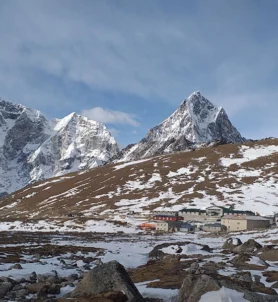
Everest Base Camp Trek Accommodations
Accommodation on the Everest Base Camp (EBC) trek primarily consists of family-run mountain lodges known as teahouses, with a range of options from basic budget rooms to upscale properties in lower and mid-altitude villages.
Teahouses (Standard): The most common option along the trail. They offer simple, twin-share rooms with wooden beds, foam mattresses, pillows, and a blanket (though a warm 4-season sleeping bag is strongly recommended).
Luxury Lodges / Chain Hotels: Found in lower and mid-tier stops like Lukla, Phakding, Monjo, and Namche Bazaar (such as Mountain Lodges of Nepal), offering upgraded features like attached bathrooms, electric blankets, and hot water showers.
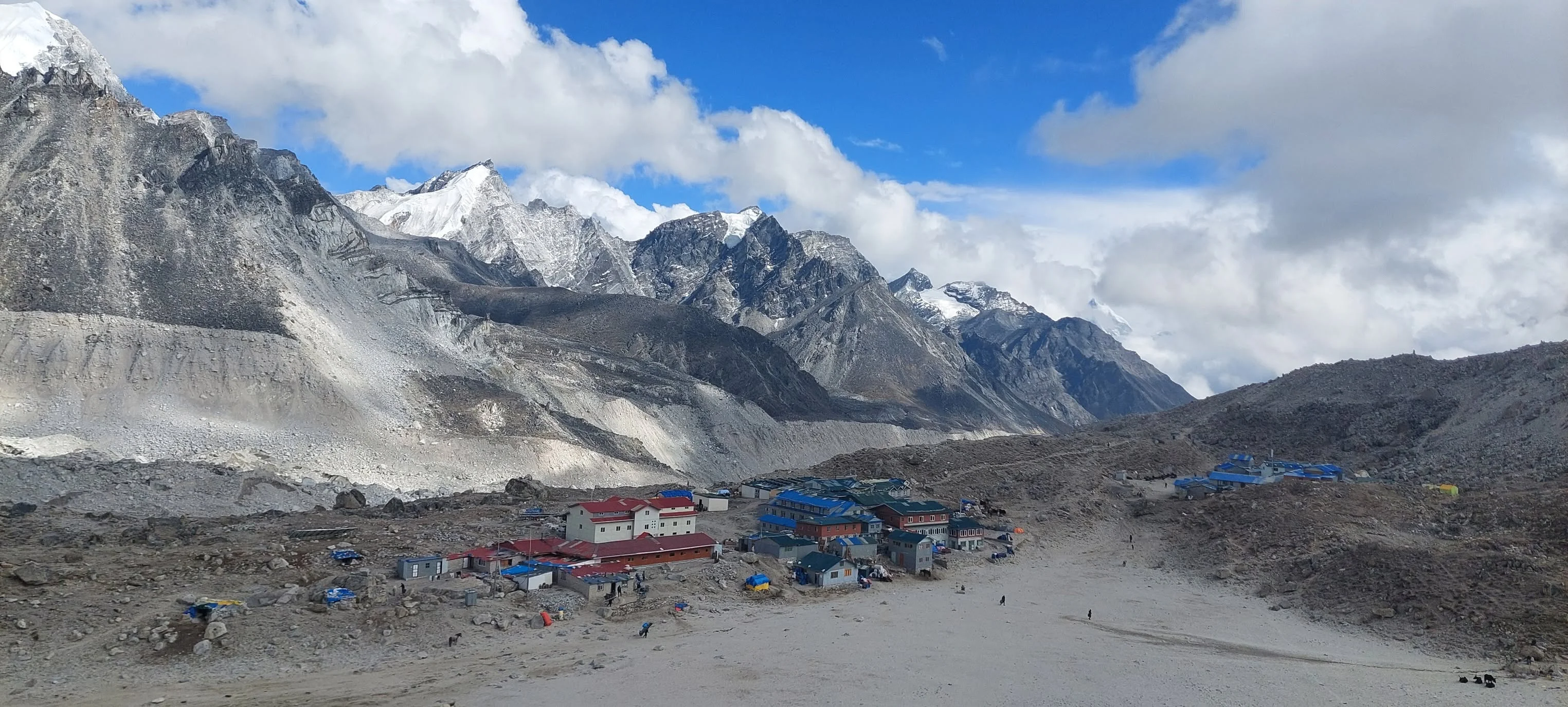
Gorakshep (Highest Settlement): The final lodging stop before EBC. Rooms here are very basic, rustic, and unheated.
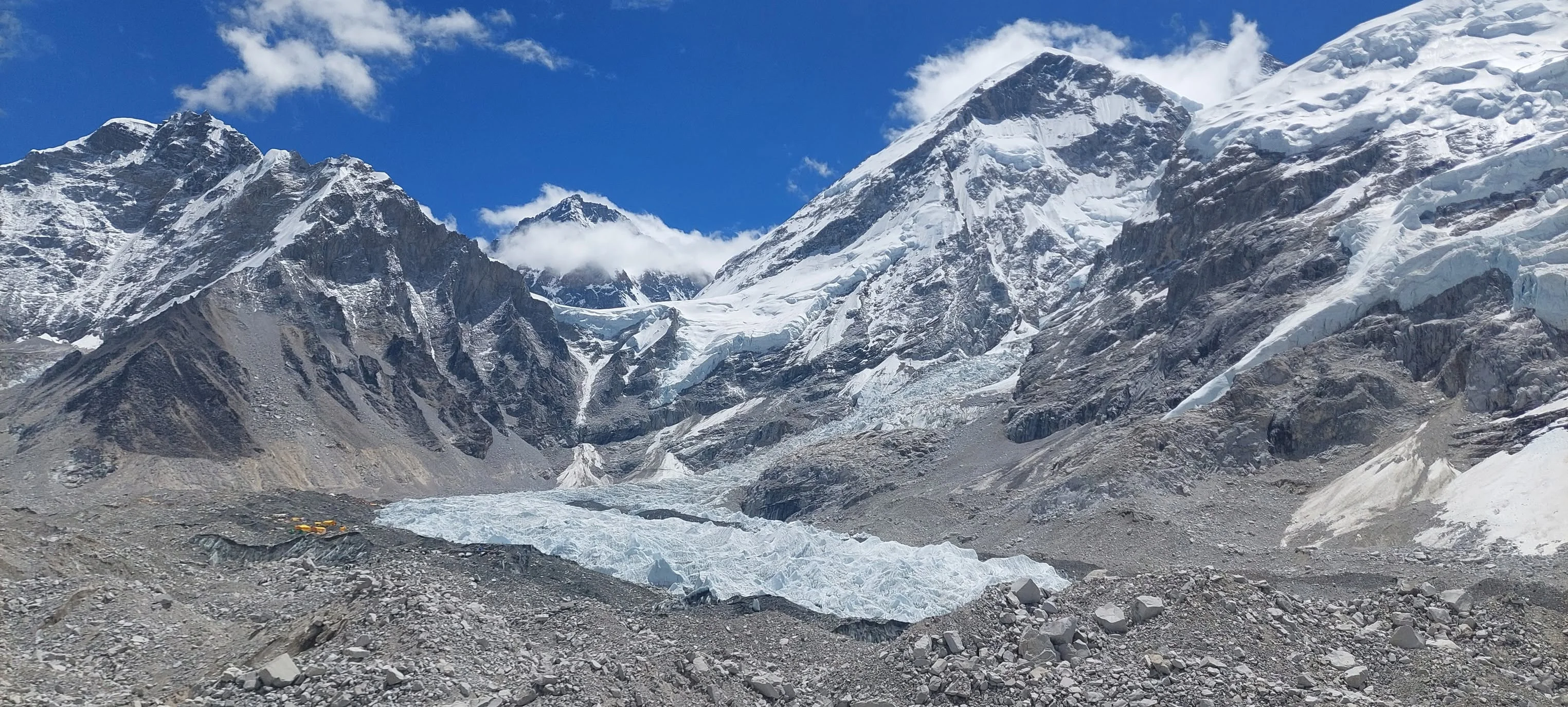
Everest Base Camp: There are no permanent lodges or overnight hotel stays at actual Everest Base Camp; trekkers sleep in Gorakshep and day-hike to Base Camp.
Cost of Accommodation on Everest Base Camp Trek
Room Rates: Standard teahouse rooms cost roughly $15 to $20 USD per night, and upgraded or private rooms in popular hubs like Namche and Dingboche range from $60 to $150 USD per night.
Extra Amenities Cost, paid separately
Hot Showers: $4 to $6 USD per shower, becoming less common or bucket-style higher up.
Device Charging: $3 to $5 USD per full charge, and free in lower villages.
Wi-Fi: Around $4 USD per day, or via regional scratch cards like Everest Link (approx $15–$22 USD).
Meals of Everest Base Camp(EBC) Trek
Meals on the Everest Base Camp trek are served at local teahouses (guesthouses) along the route, with menus featuring a mix of traditional Nepali, Tibetan, and simple Western dishes.
Breakfast
Porridge (oatmeal or corn), muesli, or cornflakes
Eggs (boiled, fried, scrambled, or omelettes)
Toast with jam, butter, or honey, alongside Tibetan bread or chapati
Hot drinks like black/green tea, coffee, hot chocolate, or ginger-lemon-honey tea.
Lunch and Dinner
Dal Bhat: Steamed rice, lentil soup (dal), vegetable curry, and pickles. This is the top recommendation because it provides high-energy carbohydrates and comes with free, unlimited refills.
Noodles and Rice: Vegetable fried rice, egg fried rice, chowmein, Thukpa (Tibetan noodle soup), and Thenthuk (hand-pulled noodle soup).
Dumplings and Stews: Vegetable or cheese momos (dumplings) and hearty Sherpa stew.
Western Options: Simple pizzas, spaghetti, macaroni, potatoes (boiled, baked, or rosti), and vegetable soups. Garlic soup is also commonly ordered as a traditional remedy to help with acclimatization.
Dietary Restrictions and Safety Guide
Go Vegetarian: Meat and dairy are not refrigerated and are carried up on foot or by yaks/donkeys. Eating meat at higher elevations (above Namche Bazaar) is strongly discouraged by experienced guides due to a high risk of food poisoning.
Vegan and Gluten-Free: Vegetarian and vegan options (such as dal bhat, veg fried rice, and potato dishes) are widely available, though strict gluten-free options become limited at higher altitudes.
Hydration and Water: Drink 3 to 4 liters of fluids daily. Avoid unboiled tap or stream water; use boiled water, purification tablets, or reliable filters instead.
EBC Trek-Seasons, Weather and Temperature
The weather, temperature, and seasons for the Everest Base Camp (EBC) Trek is vary significantly by time of year.
Spring (March to May): Best Season. The Weather is clear mornings, blooming rhododendron forests at lower elevations, and generally stable weather. Afternoon clouds can build up. Ideal views of the Himalayas and the energetic atmosphere of mountaineering teams prepping for the summit.
Autumn/Post-Monsoon (September to November): Best Season. The weather is crystal-clear post-monsoon air, crisp skies, and optimal mountain visibility. Mid-October to December offers some of the best views of the year. It is considered the peak trekking time with vibrant local festivals like Dashain and Tihar.
Winter (December to February): Cold and quiet. The weather is dry and severely cold with very clear skies and quiet trails. The fewest crowds, though bitter cold and high-altitude wind chill demand specialized winter gear.
Summer/Monsoon (June to August): Not Recommended. The weather is heavy rain, cloudy skies, muddy trails, leeches, and a high risk of flight delays at Lukla. Lush green lower valleys and fewer trekkers, though mountain views are frequently blocked by clouds.
Temperature of Everest Base Camp Trek
Temperatures drop sharply as you gain elevation (roughly a 4.8°C decrease for every 1,000 meters climbed above lower stations like Phortse or Namche). Nights at Base Camp remain below freezing for most of the year.
Wind Chill: High winds at upper elevations drastically lower the perceived temperature (e.g., −10°C with wind can feel like −20°C).
Sun vs. Shade: The temperature difference between direct sunlight and shade can span 15°C to 20°C, making layered clothing essential.
Lukla Flights: Weather disruptions frequently affect flights to Tenzing-Hillary Airport in Lukla, with best reliability during peak spring and autumn months (85%–95%) compared to the monsoon (40%–70%).
Everest Base Camp Trek Equipment and Gear List Guide
You will need a layered clothings, sturdy footwear, and a split luggage setup (a porter-carried duffel bag and a daily daypack) for the Everest Base Camp trek. Most missing or bulky items can also be rented or purchased affordably in Kathmandu.
Bags and Luggage
Duffel Bag (70L – 90L): Carried by your porter; keep weight under 10–15 kg (check your specific domestic flight limits from Kathmandu to Lukla).
Daypack (30L – 40L): Carried by you daily; holds your water, camera, extra layers, rain gear, and snacks.
Rain Cover and Dry Sacks: To keep gear dry inside your packs.
Small Hotel Bag: A spare bag to leave non-trekking city clothes at your Kathmandu hotel.
Footwear
Hiking Boots: Broken-in, waterproof boots with good ankle support and Vibram soles (e.g., Scarpa, La Sportiva, or Columbia).
Teehouse/Camp Shoes: Light trainers, sandals, or Crocs to wear in the lodges after walking.
Socks: 4 to 5 pairs of merino wool or synthetic hiking socks plus 2 pairs of thermal/thick socks for cold nights.
Gaiters (Optional): Helpful for dust or occasional spring/winter snow patches.
Clothing (Layering System)
Base Layers: 2–3 moisture-wicking/merino wool thermal tops and 2 bottom leggings (avoid cotton).
Trekking Trousers: 2 pairs of comfortable hiking trousers (one convertible/zip-off is handy).
Shirts: 3 breathable short or long-sleeve moisture-wicking shirts (plus a hooded sun shirt).
Mid-Layers: 1 light fleece or softshell and 1 warm fleece jacket or hoodie.
Outer Insulated Layer: Quality down jacket (rated for sub-zero temperatures/high fill-power).
Hard Shell/Rain Layer: Waterproof and windproof jacket and trousers (Gore-Tex or equivalent).
Headwear and Hands
Warm Beanie/Toque: Covers ears for freezing mornings and nights.
Sun Hat/Cap: Wide-brimmed cap to protect against intense high-altitude UV rays.
Neck Buff/Balaclava: Essential to block wind and dry/dusty air (helps prevent the “Khumbu cough”).
Gloves: 1 pair of thin inner/liner gloves and 1 pair of windproof/waterproof outer winter gloves.
Sleeping Gear
Sleeping Bag: 4-season down sleeping bag rated to at least -10°C to -18°C (0°F to 15°F) for unheated teahouses.
Sleeping Bag Liner: Thermal fleece or silk liner for extra warmth and hygiene.
Pillowcase: Useful for cleaner sleep over teahouse pillows.
Gear and Accessories
Trekking Poles: Adjustable 3-section poles to drastically reduce knee pressure on steep descents.
Headlamp: With extra batteries (crucial for early-morning pushes like Kala Patthar and unlit lodge hallways).
Sunglasses: Category 3 or 4 UV-protection glacier glasses.
Water Bottles and Hydration: 2-liter capacity total (insulated bottle or wide-mouth Nalgene; hydration bladders can freeze in extreme cold morning climbs).
Water Purification: AquaPur/chlorine tablets, a SteriPen, or a filtered water bottle (Water-to-Go / Sawyer).
Power Bank: High-capacity power bank (charging devices at higher tea houses is very expensive and scarce).
Microspikes (Seasonal): Recommended if trekking during icy/spring conditions (often rentable from local agencies).
Toiletries and First Aid
Medications: Ibuprofen/paracetamol, anti-diarrhea pills (Imodium), cold/cough remedy, and Diamox (for altitude acclimatization).
Blister Care: Compeed blister plasters, moleskin, and athletic tape.
Skin and Sun Protection: High-SPF sunscreen and SPF lip balm.
Hygiene: Wet wipes, hand sanitizer, quick-drying microfibre towel, and toilet paper rolls.
Documents and Money
Passport and Trekking Permits (TIMS and Sagarmatha National Park permits).
Cash (Nepalese Rupees/USD): Bring plenty of cash (ATMs in Namche are unreliable, and higher villages are cash-only).