Annapurna Circuit Trek Seasons, Weather and Temperature
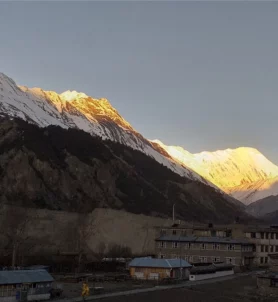
Weather on the Annapurna Circuit Trek changes dramatically based on altitude. You can start trekking in a warm, subtropical valley at 20°C and end up at a freezing alpine pass at -10°C. The trail spans distinct elevation zones, means you must pack for two completely different climates.
Peak Seasons-Autumn (September to November)
Autumn is the most popular and reliable time to trek around Annapurna Circuit. The monsoon rains wash away the dust, leaving crystal-clear skies, razor-sharp mountain visibility, and dry, stable trails.
At Lower Altitudes(2,500m): Pleasant, warm daytime temperatures ranging from 15°C to 24°C; mild nights around 7°C to 14°C.
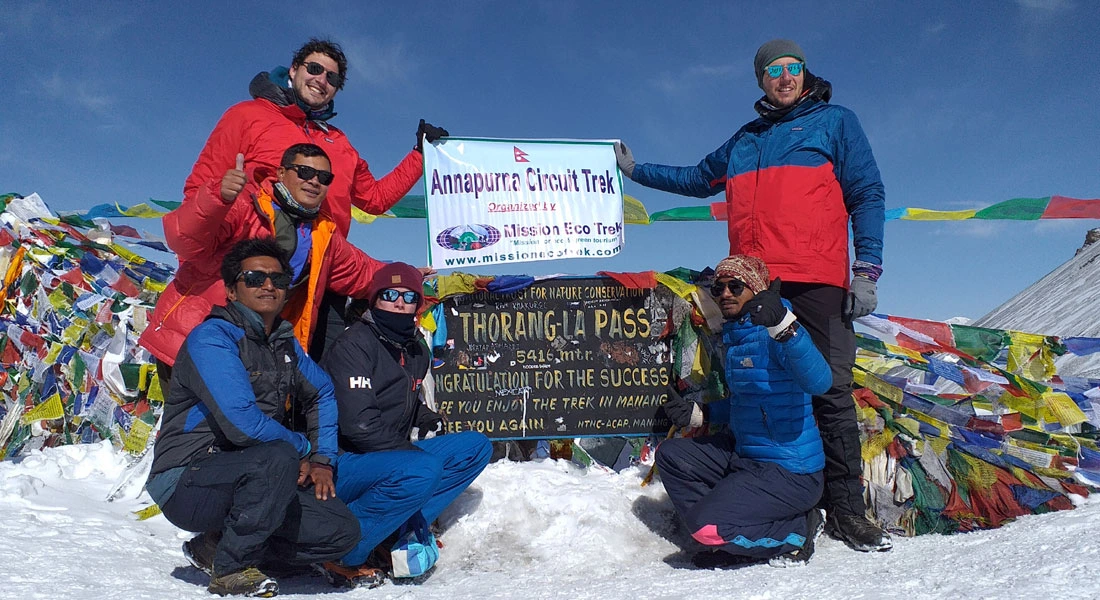
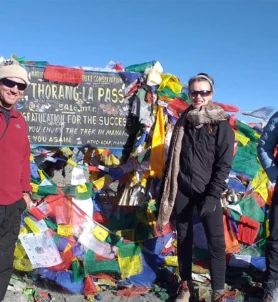
At High Altitudes (4,000m and Thorong La Pass): Daytime temperatures sit around 0°C to 5°C, but nights drop significantly to -5°C or -12°C. High Camp mornings require deep sub-zero gear.
Second Peak Season-Spring (March to May)
Spring is the warmest season on the circuit and is famous for the blooming rhododendron forests that paint the lower hillsides. The weather is highly stable with minimal rain, though late afternoon haze can occasionally obscure distant peaks.
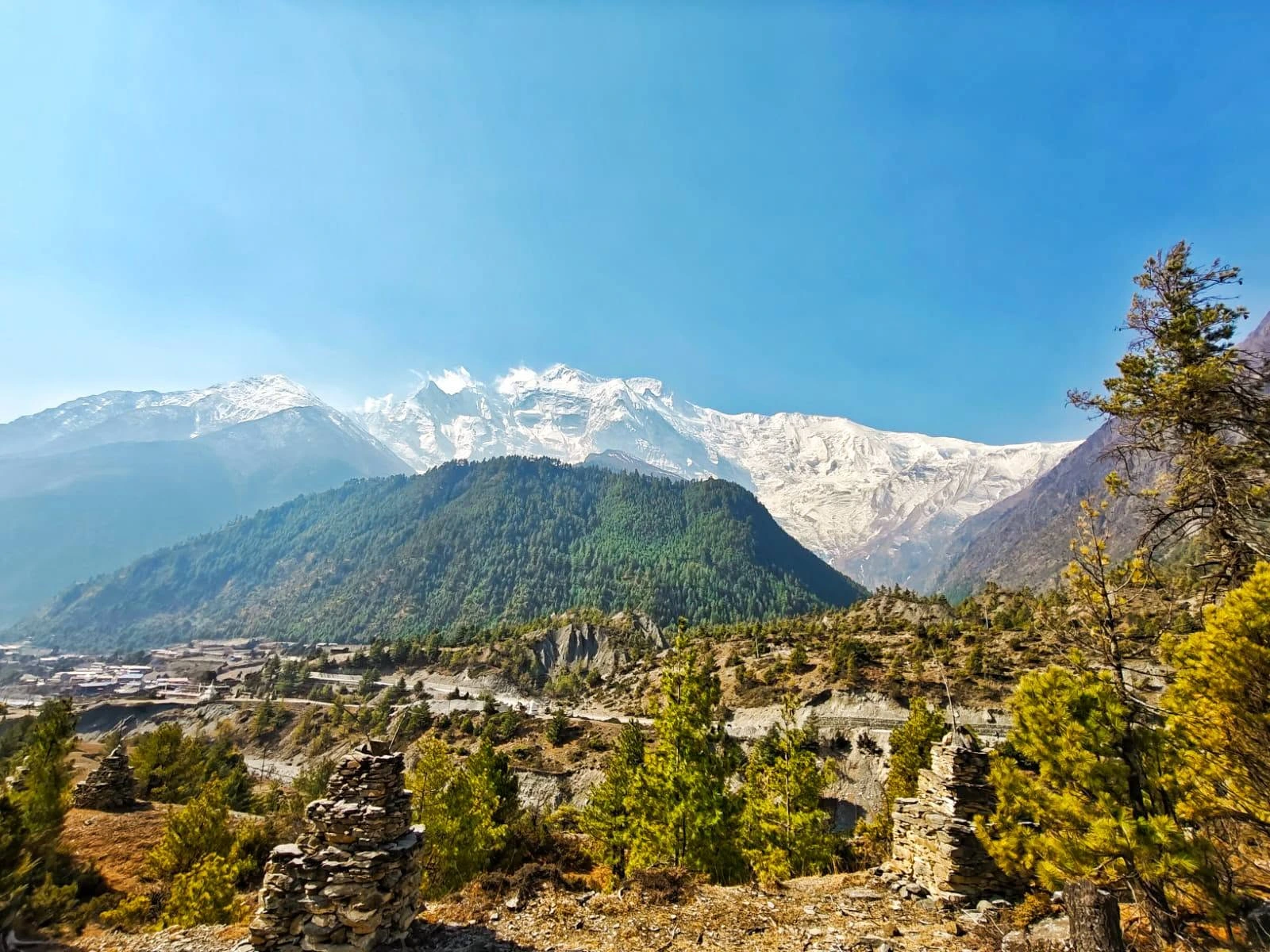
At Lower Altitudes(2,500m): Warm and sunny, frequently hitting 20°C to 28°C during the day.
High Altitudes (4,000m and Thorong La Pass): Temperatures are manageable but crisp, ranging from -2°C to -10°C at the pass. Snow from winter begins to clear up by mid-April.
Winter (December to February)
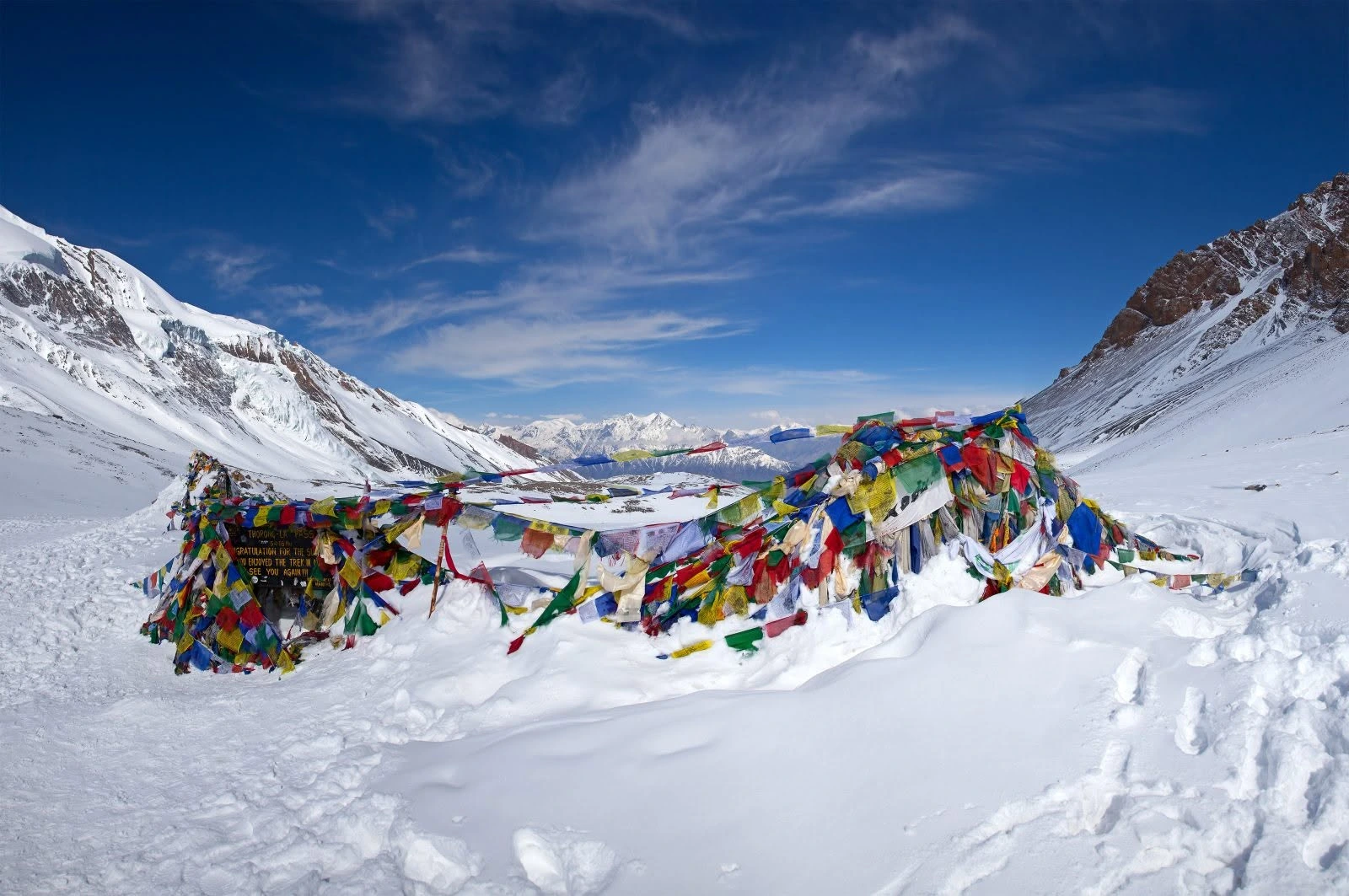
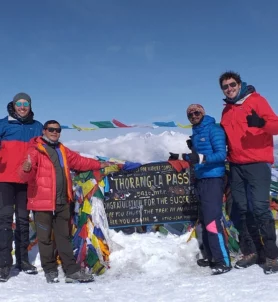
Winter brings exceptional daytime clarity and completely empty trails, but it introduces extreme, unforgiving cold. Heavy snowfall is common, and the crucial Thorong La Pass (5,416m) is frequently closed for days or weeks by deep drifts.
At Lower Altitudes (2,500m): Cool, clear days between 7°C and 14°C; nights hover near freezing.
At High Altitudes (4,000m and Thorong La Pass): Frigid alpine climate. Nighttime temperatures drop to -15°C to -25°C. Wind chills over the pass make it feel substantially colder.
Monsoon / Summer (June to August)
The summer monsoon brings heavy, relentless rain to the lower regions of the trek, causing muddy trails, leeches, and significant landslide risks. However, because the upper section of the circuit (above Manang) sits in the Himalayan rain shadow, those high-altitude areas stay virtually dry and green.
At Lower Altitudes (2,500m): Hot, humid, and wet, with daytime temperatures hovering between 24°C and 30°C.
At High Altitudes (4,000m and Thorong La Pass): Mild compared to winter, staying around 0°C to 5°C at the pass.
Equipments and Gears for Annapurna Circuit Trek
Packing for the Annapurna Circuit Trek requires layered clothing, sturdy waterproof boots, and cold-weather gear to handle temperatures from -20°C to 23°C up to an elevation of 5,416 meters.
Bags and Sleep Gear
Main Duffel Bag (60–80L): Give this bag to your porter if you use one.
Daypack (25–35L): Carry this yourself for daily water, extra layers, and snacks.
Sleeping Bag: Bring a cold-weather bag rated to at least -15°C for high teahouses.
Sleeping Bag Liner: Add extra warmth and keep your bag clean.
Clothing and Layers
Base Layers: Pack 2 pairs of moisture-wicking thermal tops and bottoms.
Trekking Shirts: Bring 3 quick-dry short or long-sleeve shirts.
Trekking Trousers: Pack 2 to 3 pairs of comfortable, quick-dry hiking pants.
Mid-Layer: Bring a thick fleece jacket or wool pullover.
Outer Shell: Pack a waterproof and windproof jacket with a hood.
Down Jacket: Bring a heavy insulated down jacket for cold nights and high mountain passes.
Hats and Buff: Pack a sun hat, a warm wool beanie, and a neck buff for dust and wind.
Gloves: Bring a pair of lightweight inner gloves and waterproof outer gloves.
Footwear
Trekking Boots: Wear broken-in, waterproof boots with good ankle support.
Camp Shoes: Bring lightweight sandals or slippers to wear inside teahouses.
Socks: Pack several pairs of merino wool or heavy hiking socks.
Gear, Health, and Tech
Trekking Poles: Use adjustable poles to protect your knees on steep descents.
Headlamp: Bring extra batteries for early morning hikes and dark hallways.
Water Purification: Carry purification tablets or a portable filter.
First-Aid Kit: Include blister plasters, painkillers, stomach medicine, and Diamox for altitude sickness.
Power Bank: Pack a high-capacity power bank (20,000mAh) because cold weather drains phone batteries quickly.
Meals on Annapurna Circuit Nepal Trek
Meals on the Annapurna Circuit Trek consist of hearty teahouse-cooked local and international dishes that provide essential energy and warmth at high altitudes.
Breakfast: Porridge, muesli, Tibetan bread, chapati, pancakes with honey or jam, and eggs (scrambled, boiled, or omelets), paired with ginger, lemon, or milk tea.
Lunch and Dinner: The ultimate staple is Dal Bhat (steamed rice, lentil soup, vegetable curry, and pickles) which usually comes with free refills. Other options include Thukpa (noodle soup), Momos (dumplings), fried rice, chow mein, spaghetti, and garlic soup (popular for aiding acclimatization).
Daily Food Budget: Expect to spend between $35 and $45 per day for three meals and hot drinks at lower-to-middle elevations.
Altitude Price Increases: Prices rise steadily as you ascend because ingredients are carried up by humans or mules. A standard plate of Dal Bhat costs about $4 to $6 below Manang, rising to $7 to $9 at higher elevations.
Cash Requirement: There are no ATMs on the trail, so you must carry enough physical cash (Nepalese Rupees) for all your meals and extras.
Dietary Tips
Vegetarian and Vegan: Vegetarian options are widely available and safest at high altitudes. Vegan choices are possible if you request teahouses to omit butter, ghee, or cheese.
Meat Caution: Meat options become frozen and less fresh as you climb higher; many guides recommend sticking to a vegetarian diet during the trek to avoid food illness.
Accommodations on Annapurna Circuit Nepal Trek
Accommodations on the Annapurna Circuit Trek consist primarily of family-run tea houses that provide basic twin-sharing rooms, communal dining areas, and essential amenities.
Tea Houses / Mountain Lodges: The most common form of lodging along the entire route. They offer simple rooms with wooden twin beds, foam mattresses, pillows, and blankets.
Upgraded Lodges: Found in larger or lower-altitude hubs like Chame, Manang, and Jomsom. These feature private rooms, occasional attached bathrooms, hot showers, and broader menus.
High-Altitude Shelters: Located near Thorong Phedi and High Camp, where accommodations become strictly functional, basic, and subject to shared-room availability during peak traffic.
Costs and Financials
Room Rates: Ranging from $10–$15 USD per night at lower elevations, scaling up to $15–$20 USD near high-altitude spots like Manang or Thorong Phedi.
Extra Fees: Charging electronic devices, connecting to Wi-Fi, and taking hot showers typically cost an additional $3–$5 USD per use.
Total Daily Budget: Expect a daily spend of roughly $40–$50 USD to cover room fees, three local meals (such as Dal Bhat), and basic utilities.
Bedrooms: Unheated plywood or stone walls with twin setups. A quality -10°C sleeping bag is essential.
Bathrooms: Shared squat or western-style toilets at lower stops transitioning to basic long-drop or bucket-flush setups at higher elevations.
Common Areas: Centrally heated communal dining halls warmed by a wood-burning or yak-dung stove (Bukhari) during evenings.