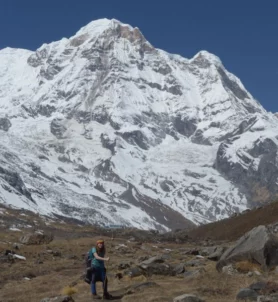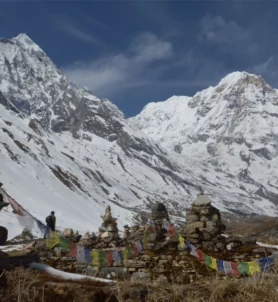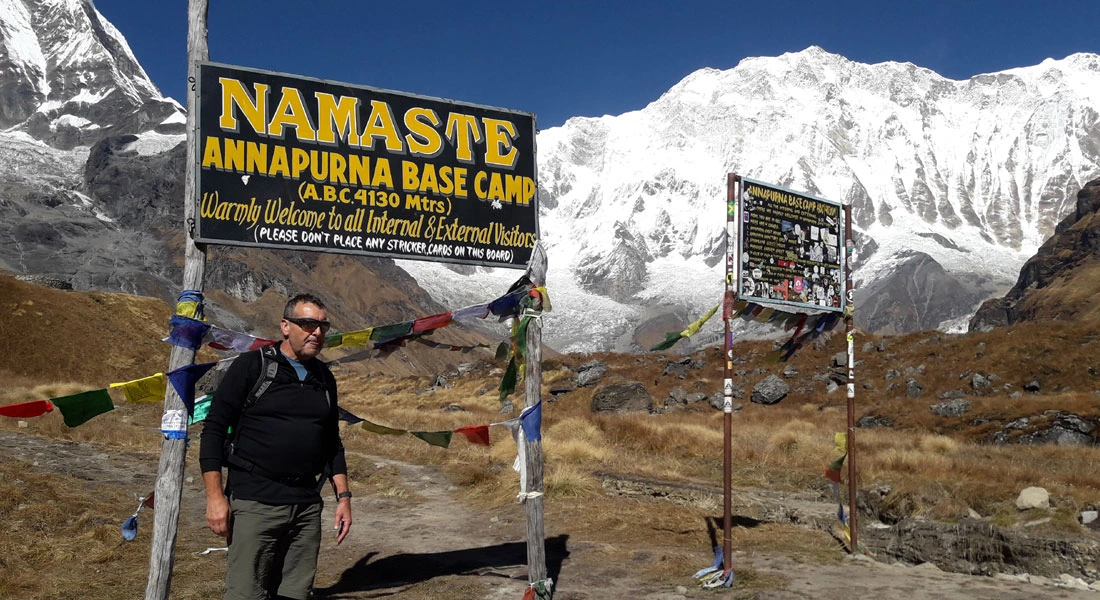


Annapurna Base Camp Nepal Trek is a classic 6 to 12-day Himalayan journey, reaching a maximum altitude of 4,130 meters (13,550 feet). The ABC Nepal Trek usually begins from Pokhara via a drive to Nayapul, Ghandruk, Ulleri or Siwai. The Nepal Annapurna Base Camp Trek passes through rhododendron forests, terraced farmlands, and Gurung villages to Annapurna Sanctuary amphitheater.
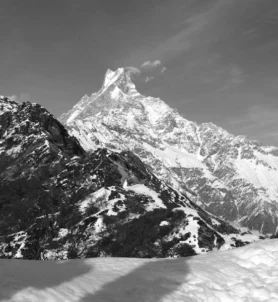
The trek to Annapurna Base Camp includes Machhapuchhre Base Camp (MBC) and the final destination at Annapurna Base Camp, surrounded by peaks like Annapurna I (8,091m) and Machhapuchhre (Fishtail). Also, Nepal ABC Trek features natural hot springs at Jhinu Danda on the return route.
The Annapurna Base Camp (ABC) Trek Nepal is considered moderately challenging, involving many stone steps and sustained climbs, but requiring no technical climbing. The Nepal Annapurna Base Camp Trekking is very achievable for beginners with decent physical fitness. You do not need ropes, crampons, and prior mountaineering experience.
The Solo trekking is banned to the Annapurna base camp. You must hire a government-licensed guide and obtain an ACAP (Annapurna Conservation Area Project) permit. Spring (March to May) and Autumn (September to November) offer the most stable weather, also the best seasons for Nepal ABC Trekking.
Train yourself with a stair climber or walk up and down stairs using a small weighted backpack several times a week. Build your endurance with regular running, cycling, or long weekend hikes before the Annapurna Base Camp Trek in Nepal.
Annapurna Base Camp Nepal Trek Risks of Avalanches, Landslides and Altitude Sickness
The Annapurna Base Camp (ABC) Trek is considered moderately safe for most people, but it does carry real risks because it reaches a high altitude of 4,130 meters (13,550 feet). Acute Mountain Sickness (AMS) can happen when you climb too fast. Symptoms include headaches, dizziness, and nausea. Severe cases require going down immediately.
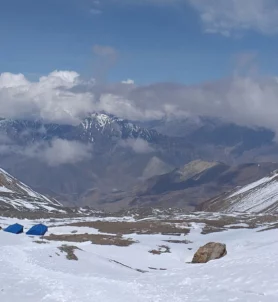
Certain parts of the trail, especially between Hinku Cave and Machhapuchhre Base Camp, have a risk of avalanches. Landslides can also happen during or after the monsoon season (June to September). The trail sections near Machhapuchhre Base Camp require extra cautions, trekking to Annapurna base camp in winter.
Likewise, the path has many steep stone steps. Rain in summer and morning frost in winter trek makes these paths slippery, leading to common slip and fall injuries. The mountain weather is unpredictable and changes fast. Sudden snow and rain can make the trek harder and also close paths.
Trek slowly to stay safe on Annapurna Base Camp Trail. It is also nice to give your body time to adjust to the thin air. Drink plenty of water. You also make sure you buy travel insurance that covers emergency helicopter rescue and other medications.
Bring good walking boots with a strong grip and trekking poles to protect your knees and keep your balance. The Annapurna Base Camp Nepal Trekking with a local, registered guide helps you navigate dangerous zones safely and check local weather conditions.Comparing Nepal Annapurna Base Camp Trek and Everest Base Camp Nepal Trek
The Nepal Annapurna Base Camp (ABC) trek is generally cossnsidered less difficult than the Everest Base Camp (EBC) Nepal Trek, though ABC offers unique physical challenges on the legs.
Everest Base Camp Nepal Trek reaches a much higher altitude of 5,364 meters (17,598 feet). You spend many consecutive days above 4,000 meters, which creates a significantly higher risk of altitude sickness. Annapurna Base Camp Nepal Trek reaches a lower altitude of 4,130 meters (13,550 feet). The lower peak elevation means a reduced risk of severe altitude sickness and less overall strain from thin air.
The Nepal Everest Base Camp Trek involves a longer total distance, drier and rockier terrain, and gradual ascents with long, cold days. The Annapurna Base Camp Nepal Trek involves shorter overall duration (6 to 12 days) but features relentless stone staircases (thousands of steps) that demand intense sharp ascents and descents, making it feel very hard on the knees and leg muscles daily.
Everest Base Camp relies on a short, weather-dependent flight into the mountain airstrip at Lukla, with more basic lodge conditions. Annapurna Base Camp offers easier road accessibility from Pokhara and generally better-quality tea house accommodations along a more budget-friendly route.
In short, Annapurna Base Camp Trekking is easier than Everest Base Camp, climbing to the actual summit of Mount Annapurna is far more dangerous and deadly than summiting Mount Everest.
Annapurna Base Camp NepaL Trek, Bignners Friendly Trek
The Annapurna Base Camp (ABC) trek is suitable for beginners with reasonable physical fitness. ABC Nepal Trek is one of the most popular introductory high-altitude treks in the Himalayas. Reaching at 4,130 m at the base camp, which is lower and safer than Everest Base Camp, reducing severe altitude sickness risks.
The Annapurna Base Camp Trek typically takes 6 to 12 days depending on your starting point and walking pace. The trek terrain involves long stretches of stone staircases, steep ascents, and descents, requiring 6 to 7 hours of daily walking. You stay in family-run teahouses along the well-maintained route, and you do not need to camp outdoors.
The best Months for Annapurna Base Camp Trek in Nepal
October and April are the absolute best months to trek to Annapurna Base Camp. October is the best Autumn month. Weather are clear skies and crisp right after the monsoon ends. You get the best mountain views and sunny days. But, it is the busiest month, so trails and teahouses get very crowded.
April is also the best Spring month. Weather and temperatures warm up and winter snow starts to melt.Scenery is red and pink rhododendron flowers bloom all along the lower paths. Afternoon clouds can sometimes block the views later in the day.
March and May (Spring) is also a great time for flowers and mild air, though March is colder and May can get cloudy. September and November (Autumn) is also an amazing seasons, but early September has lingering rain, while November offers clear skies but colder nights. Avoid the monsoon season (June to August) due to heavy rain, mud, and leeches.
The 12-day Annapurna Base Camp Trek via Ghandruk combines the classic Annapurna BC Trek and the scenic Poon Hill Sunrise Trek. The thrilling adventure to Annapurna Base Camp via Ghandruk village is a unique journeys to Annapurna Base Camp that explores the lifestyle of different ethnic groups in different picturesque villages. Trek on serene Annapurna Base Camp trails, enjoying panoramic mountain vistas, and authentic village life.
You will walk a distance of about 115km round trip in 12 days Annapurna Base Camp Trek, enjoying a remarkable mountain vistas, traditional mountain villages, and thick rhododendrons. It is one of the spectacular treks in Nepal.
The Annapurna Base Camp Nepal Trek is one of the most iconic adventures in Nepal, starting and ending Kathmandu. You will trek into the heart of the Annapurna Himalayas, enjoying Gurung to Magar cultures and their traditional way of life. It is a full-board package that includes your arrival and departure.
Annapurna Base Camp Trek in Nepal is to enjoy stunning scenery, and local culture. Likewise, ABC trek is one of the best treks in the Himalayas, and also a quite easy and shorter high altitude trek in Nepal. Annapurna Base Camp is the second most popular trekking in Nepal after Everest Base Camp. The 12-day Annapurna Base Camp Trek via Poon Hill is an ideal trek for the trekkers with limited time
Ghorepani Poon Hill and Annapurna Base Camp(ABC) Trek are the two most popular treks in Annapurna. The trek is a good trip for hikers of all ages group. Mount Annapurna is world’s tenth highest peak-a very popular trek in Nepal.
In Conclusio, the Annapurna Base Camp (ABC) Trek adapts your body to high altitude by ascending gradually through the Modi Khola valley.