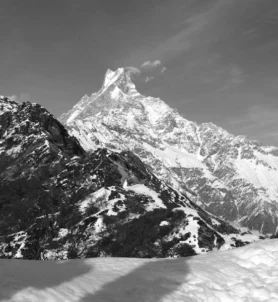
Annapurna Nar Phu Poon Hill Trek: Seasons
The Spring from March to June and Autumn from October to December are two seasons for Annapurna circuit trek. The July to mid of September, the monsoon season is not a good time but still possible to do Annapurna Circuit Tilicho Lake Trek. The January to February are winter season has a low temperature and a lot of snow falls. The guest houses may close in winter season.
Autumn Trekking-
September, October and November are the most popular months for trekking in Annapurna Circuit. Autumn brings clear blue skies and mild temperatures before the cold sets in in December. Autumn is also a festive season with the celebration of Dashain and Tihar. Nepal’s biggest festivals.
The weather is generally dry and clear, with warm sunny days and excellent visibility. Regardless of the seasons, the weather conditions at Thorung La can change rapidly and there is always a chance of unstable weather, cold and snow storms. It is important to check the weather forecast before crossing Thorong La. A freak storm in October 2014 killed several trekkers as they got stuck in bad weather and snow.
Spring Trekking-
The spring season from March to May is considered to be the next best seasons. The weather is generally clear although a little colder, particularly at higher altitudes. Morning is sunny and flowers are in bloom. There is however a higher chance of rain and snow, melting ice increases the chances of landslides and avalanches.
Summer Trekking-
June, July and August are the monsoon months. The Marsyangdi valley up to Manang sees lots of rainfalls. The trails will be muddy with lots of leeches, but the landscapes will be lush and green. The Kali Gandaki valley is in the rain shadow and sees much less rain.
The monsoon is responsible for warm and wet weather, with cloud and mist making visibility extremely poor. You can hardly see a mountain. Leeches are a big problem at this time of year, as is the risk of landslides. As the Manaslu Region was one of the worst affected by the 2015 earthquake, there are many landslide areas – these can be more dangerous in wet weather.
Winter Trekking-
January and February are too cold with lots of snow on the trail. The Thorong La Pass will be closed due to heavy snowstorms and a risk of avalanches. By March/April the pass reopens again, but you can still expect snow at the higher altitudes.
Annapurna Nar Phu Poon Hill Trek Package
We offer budget, standard and the complete trek package to Annapurna Circuit. The trip cost that includes guide, permit, accommodation and meals. We make sure a good value for money. The price ranges from USD 750 to USD 950.
Annapurna Nar Phu Poon Hill Trek: Accommodations
Accommodation at local lodges – better known as teahouses – are simple but comfortable. Toilets and washing facilities are shared and rudimentary.
In a teahouse, small twin share rooms with twin beds, mattresses and pillows. At times, in high seasons, trekkers may have to stay in dormitories room due to the limited number of teahouses.
In some places, teahouses don’t have access to electricity, depending on solar powered lighting instead. In more remote region, teahouses don’t have running water and toilets. I mean just a hole in the ground. Hot shower facilities are available in some teahouses for a price but occasionally a hot shower means a bucket of hot water, enough to wash your body. Electricity to charge devices as well as WiFi is usually for an additional fee when available.
Accommodation on this route is in simple teahouses, which also allows you to experience the friendly spirit of the local Nepalese people. The teahouses at higher altitudes like in Thorong Phedi and Thorong High Camp are more basic. No power outlets in the room, no wi-fi(poor wi-fi), and no hot shower. The rooms are very basic with two single beds. There are blankets, a table and a chair. Trekkers most of the time sit in the dining area because it’s usually nice, warm and social. Trekkers drink tea, play cards and talk about their trip. You go to room only for sleeping.
Annapurna Nar Phu Poon Hill Trek: Meals
We do (not) include meals-breakfast, lunch and dinner while trekking. The menus in the teahouses are varied, ranging from traditional Nepalese dhal bhat to pizza and apple pie. Vegetarians are well catered for in Nepal. How much you need to spend per day will vary, but it could be anything up to US$60 per day for meals, snacks and drinks. Prices tend to get higher the higher you go on trek in response to the difficulty of getting supplies to the teahouses. In Kathmandu and Pokhara there are plenty of restaurants and cafes for all tastes and budgets.
Meals on the trek is quite diverse. You usually get Nepalese, Chinese, Indian and western dishes. They are Spaghetti, pasta, noodles and rice with vegetable/chicken/cheese and tomato sauce, omelet, fried, boiled or scrambled eggs with potato/Cheese/vegetable, Dal Bhat includes rice, vegetable and lentil soup. In addition, Momos-local dumplings, pizzas and pancakes, different breads such as Chapati, Tibetan bread, toast, porridge and muesli like oats, cornflakes, muesli with honey, jam, apple or banana and all sort of soups like chicken, vegetable, garlic, tomato, noodle are available.
Alcohol and Caffeine
Alcohol and trekking don’t mix. We highly recommend that you limit your alcohol consumption in Kathmandu prior to your trip. Celebrate your achievements after your trek. Both alcohol and caffeine increase dehydration. Limit your intake of both when hiking at high altitudes.
Difficulty of Annapurna Nar Phu Poon Hill Trek
Annapurna Circuit Trek is not that difficulty as you thought. The trails are mostly in good condition. No technical skills are required to do this trek. The physical effort clearly helps to be as fit as possible. You don’t need to be an athlete. People of all ages and levels of fitness can complete the Annapurna Circuit Trek in 18 days. The key point is to remember that you have to hike at your own pace. Much of the route, particularly in the early days, it involves plenty of ups and downs – descending to cross the river, ascending again, and then repeating the process further along the trail.
Annapurna Nar Phu Poon Hill Trek: The highest elevation.
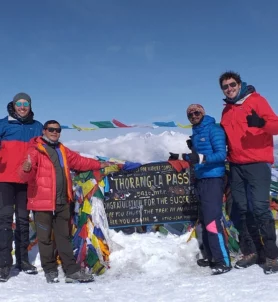
Throng La Pass is the highest point of the trek which is at an altitude of 5416 m. A certain level of fitness level is required trekking around the Annapurna. You will need to walk 10 km to 15 km that takes 5 to 6 hours to walk to cover this distance every day. Thorong Phedi to Thorong La Pass is the toughest trek that is 4 hours steep uphill hike above 5000m and then steep descend downhill trek of 4 hours to Muktinath temple.
Annapurna Nar Phu Poon Hill Trek: Permits
For Annapurna Circuit trek you need to carry two permits-TIMS card (Trekkers information management system entry card) and the Annapurna Conservation Area (ACAP) entry permit. It costs around USD 50 for both permits. We take care of your trek permit on client’s behalf once you Annapurna Circuit Trek package. You need to send me your scanned passport copy and two passport size photos to issue the necessary permits.
Internet, WiFi, Sim cards and staying Charged
If you’re looking to stay connected while trekking the Annapurna Circuit, the options are fairly limited.
WIFI-
Wifi is available in the tea houses along the trail. There is however normally a charge for using the internet, Wifi and with slow speeds, you may end up wishing you hadn’t bothered. If there’s nothing urgent, our advice would be to wait until you get back from the mountains. Costs anywhere from $4 to $6 to use WIFI at the guesthouses.
Sim Cards-
4G sim cards and packages can be bought at the airport, or from numerous vendors in the Thamel area of Kathmandu. They’re great in the city but as soon as you leave the coverage is patchy. We recommend Nepal Telecom and Ncell for 3G/4G coverage. It’s safe to say that in the mountains, neither are really any good.
Electricity-
There are electricity available along the trail to charge your power banks, cameras, and phones. The key is to get a fat power bank. Pay to charge that then charge everything from your power bank. Your power bank lets you charge your phone and camera batteries. Most of the places you stay let you charge your gear for an extra cost.
Last-Minute Booking
You can make last minute booking a day before this trek gets started. Moreover, the payment should be made full before departure the trek.
Passport and Visa
You need to carry passport valid for at least 6 months. You will get on arrival visa at Kathmandu-TIA airport. The multiple entry-Nepal visa costs USD 40 for 15 days and USD 50 for 30 days.
Altitude
Altitude sickness is a risk, including on the Annapurna, Langtang and Everest Base Camp treks. Please make sure you familiarize yourself with signs and symptoms before you depart and monitor your own health during your trek.
Travel Insurance
Make sure your insurance covers you for your intended activities, including travel and trekking above 3000m if this is included on your itinerary, mountain rescue services and helicopter evacuation costs.
Travel insurance is necessary for this trek. We will not sell travel insurance but happily recommends the insurance company. Please, make sure that your travel insurance policy will also cover medical expenses in the hospital. Hence, purchase a higher tier of travel insurance which covers a high altitude sickness up to 6,000 meters.
Annapurna Nar Phu Poon Hill Trek-Equipment Lists
Please travel lighter and carry only a necessary trekking equipment. We recommends the below trekking gear list for AC Trek.
General
All season sleeping bag and down Jacket.
Duffle bag or rucksack.
A wind and waterproof thin layered jacket.
Daypack
Head
A warmer hat that covers the ears
Sunglasses
Neck-warmer
Sunscreen (35 to 60 SPF)
Headlamp and an extra set of batteries
Hands
A pair of warm gloves for walking poles(if you prefer)
Warmer shell gloves and liner
Upper Body
Long sleeve t-shirts
Thermal tops
wool jacket or pullover
Sports bras for women and girls
Water and windproof shell jacket
Lower Body
Thermal underwear (especially trousers)
windproof and waterproof trousers
warmer trousers
Comfortable trekking pants
Extra casual sport pants
Footwear
A pair of good waterproof trekking boots
Pair of sandals
4-5 pairs of woolen socks
Sock liners
Light shoes and sneakers
First Aid Kits and Medicines
Assorted adhesive bandages (fabric preferred)
Blister treatment cream or similar
Insect / anti-itch ointment
Ibuprofen or other pain-relief medication
Diamox (125mg to 250mg tablets for altitude sickness)
Warps, splints, and wound coverings butterfly bandage
Water purifying pills
Miscellaneous
4 passport size photos with original passport
Water bottle and filter
Flight Ticket(please make a copy and leave at our office in KTM because in case you want to change your flight date)
Bathroom kit such as toilet paper, plastic bags, hand wipes, towel, and soap, etc.)
Extra things
Comfortable trekking poles
Quality energy dry foods
Power bank and music players
Camera (memory card, chargers, and extra batteries)
Transport
Luggage Limits
Domestic flights in Nepal have strict weight limits – 10kg of check-in luggage and 5kg of carry-on hand luggage per person is included with your flight ticket. Excess baggage (up to 5kg per person only) will be charged at your own expense.
Travel between Kathmandu and Pokhara
Travel between Kathmandu and Pokhara is about 200 km that takes 6 to 7 hours drive. The travelers have often decided to fly to avoid the long overland journey. The flight takes around 35 mins. If you decide to fly, this will be at your own expense with no refunds for road travel available.
Road Travel
Road works and infrastructure projects can cause significant delays on major roads within cities and highways between destinations. Road travel can also be disrupted due to demonstrations and bandhs (strikes) without warning. Major road works are currently ongoing in and around Kathmandu and the roads to Chitwan National Park and Pokhara. Delays, heavy traffic, poor road conditions and dust are a reality of road travel in Nepal.
Monsoon(Rainy Season)
The monsoon season is from June to September and weather conditions can disrupt travel during this time due to flooding and landslides. Disruption of air travel and airport closures are also possible. Be prepared that the itinerary may need to change at short notice.
Money matters
The official currency of Nepal is the Nepali rupee (NPR). Its symbol is often displayed as Rs. USD is also widely accepted in Nepal. ATMs can only be found in Kathmandu, Pokhara, Chitwan and Bhaktapur. Make sure you carry sufficient cash to cover your needs when travelling outside of these cities. Money exchange facilities are available in Kathmandu, Namche, Pokhara, Chitwan, and Bhaktapur. Credit cards are not widely accepted.
The Government of Nepal has banned the import, export, and use of 500 and 1000 Indian rupee notes in Nepal. You should ensure you are not carrying these notes on arrival in Nepal as they will be confiscated and you may be fined.
Nepal will not accept foreign currency notes that are old, torn and faded. They can be very difficult to exchange or extra fees added when exchanging. Please ensure that you have new, clean notes.
Before departing on a trek, make sure you have enough Nepalese currency to purchase meals and drinks as there are no ATMs.
Nepali Rupee is a blocked currency – it cannot be exchanged into other currencies outside of Nepal. You can only obtain Nepali Rupee in Nepal and must exchange any leftover Nepali Rupee whilst still in Nepal.
Spending Money
When it comes to spending money on the trip, every traveler is a little different. You know your spending habits better than we do, so please budget an appropriate amount for things like optional meals, drinks, shopping, optional activities, and laundry. Make sure you have read the itinerary and inclusions thoroughly so you know what is included in the trip price and what you may need to pay for while travelling.
Contingency Funds
We try to plan for every eventuality, but there are still some things beyond our control. We reserve the right to change an itinerary after departure due to local circumstances or a Force Majeure Event. In such emergency circumstances, the additional cost of any necessary itinerary alterations will be covered by you.
Please note we are not responsible for any incidental expenses that may be incurred as a result of the change of itineraries including but not limited to visas, vaccinations or non-refundable flights.
Make sure you have access to an extra US$500 for emergencies (e.g. severe weather, natural disasters, civil unrest) or other events that result in unavoidable changes to the itinerary (e.g. transport strikes or cancellations, airport closures).
Sometimes these things necessitate last-minute changes to enable our trips to continue to run, and as a result, there may be some extra costs involved. The recommended amount is listed in USD for the relatability of universal travelers, however, local currency may be needed once in the country to cover these costs. Suggested budget for meals not included: USD500.
Climate and Seasonal information
Seasonal Information
Nepal’s climate varies greatly depending on the season:
June to September: The monsoon rains (mostly at night) bring landslides in regional areas. Cloud cover often obscures mountain views with rain, mud, and leeches deterring most trekkers at this time of year. Treks running in September can be hot and very humid at lower altitudes.
March to April: The Spring brings warm weather and spectacular rhododendron blooms. A popular time to visit and one of the peak times to trek.
October to November: The Clear skies and warm days make autumn the peak season.
December to February: The Winter brings cold temperatures and snow to the mountains. Good trekking, but remember to rug up. Some towns, including Kathmandu, experience very high levels of seasonal smog which can lead to decreased scenic visibility.