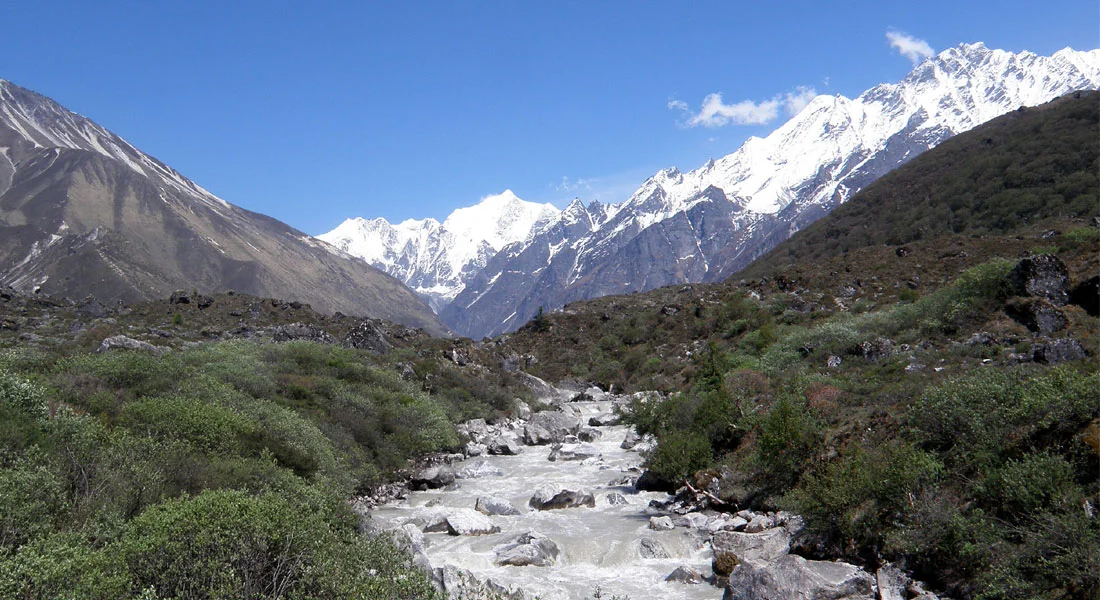
 Langtang Valley Trek Trail Guide 2027/2028
The Langtang Valley Trek is located inside Langtang National Park of Nepal, and it is roughly 122 km north of Kathmandu. Langtang Valley Trek is sitting in the Langtang and Jugal mountain ranges. The town of Syabrubesi is the beginning point of Langtang Trek where you can reach by bus and jeep from Kathmandu.
It takes 6 to 14 days to complete the Langtang Valley Trek. Kyanjin Gompa at 3,870 meters, Kyanjin Ri at 4700m and Tserko Ri at 5,000 m are the highest point of the trek. The Langtang Valley Trek route passes through forested areas, Tamang and Tibetan-influenced villages, and yak pastures to the base of Langtang Lirung.
The Langtang Valley Trek is a very popular and an accessible Himalayan trekking route in Nepal with close-up views of towering snow-capped peaks. Langtang Valley Trek is a moderate difficulty hike, involving daily walks on uneven terrain without needing technical climbing skills.
A short trek to Langtang Valley is possible all year around, but Spring and Autumn are the best seasons. Spring (March–May) is for blooming rhododendrons and Autumn (September–November) for clear skies.
A Brief Facts of Langtang Valley Trek
The Langtang Valley Trek is a popular 6 to 14-day trek, reaching a maximum elevation of around 4,800 to 5,000 meters at viewpoints like Kyanjin Ri or Tserko Ri.
Langtang Valley Trek: Lies in Langtang National Park (Nepal’s first Himalayan national park, established in 1976).
Duration: 6 to 14 days round-trip from Kathmandu to Syabrubesi and back.
Difficulty: Moderate Trek, suitable for beginners with basic physical fitness.
Maximum Altitude: At 3,870 meters at Kyanjin Gompa (sleeping point) with optional day hikes up to Kyanjin Ri at 4800 m and Tserko Ri at 5,000 m.
Culture: The trail passes through traditional Tamang and Tibetan-influenced villages with ancient monasteries and local yak cheese factories.
Best Seasons: Spring (March–May) and Autumn (September–November).
Permits: Langtang National Park Entry Permit and a TIMS cards
Major Stops: Passing through Bamboo, Lama Hotel, and Langtang Village before reaching the spiritual hub of Kyanjin Gompa.
Accommodations: Overnight stays in basic, cozy local tea houses along the trail.
Highlights of Langtang Valley Trek
The Langtang Valley Trek offers stunning glacial views, rich Tamang culture, and diverse wildlife just a short drive from Kathmandu.
Cultural and Natural Attractions
Cultural Attractions: Immersive experiences in Tamang and Tibetan-influenced culture, visits to an old local yak cheese factory.
Natural Attractions: panoramic mountain views of Langtang Lirung, and potential sightings of red pandas and langur monkeys.
Majestic Mountain Panoramas
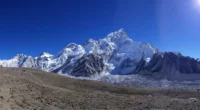
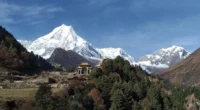
Langtang Lirung (7,227m): Dominates the skyline with dramatic icefalls and towering glacial walls.
Kyanjin Ri and Tserko Ri: Offering panoramic viewpoints scaling up to 4,773m and 5,050m for breathtaking sunrises over the Himalayas.
Surrounding Peaks: Stunning constant backdrop views of Dorje Lakpa (6,990m) and Gangchempo.
Cultural and Local Experiences
Kyanjin Gompa: A serene, historic Buddhist monastery village nestled at 3,870m.
Yak Cheese Factory: Established by Swiss developers in the 1950s, where visitors can taste local hygienic yak cheese.
Tamang Heritage: Warm hospitality and Tibetan-influenced culture in traditional mountain villages like Langtang Village.
Langtang National Park: A diverse ecosystem featuring lush bamboo forests, raging rivers, and high alpine meadows.
Flora and Fauna: Habitat for elusive red pandas, snow leopards, langur monkeys, and over 250 bird species.
A Complete Langtang Valley Trek Itinerary
The all Langtang Valley Trek itinerary starting and ending in Kathmandu, covering roughly 65–75 km of trail with a maximum elevation of 4,984 meters at Tserko Ri.
Langtang Valley Trek 8 days
Langtang Valley Trek 7 days
Helambu Trek 8 days
Langtang Trek 6 days
Langtang Gosaikunda Trek 11 days
Gosaikunda Trek 10 days
Gosaikunda Helambu Trek 8 days
Gosaikunda Pligrimage Trek 7 days
Langtang Trek 15 days
Trek in Langtang Valley 14 days
Langtang Tamang Heritage Trek 12 days
Langtang Valley Trek 12 Days
Langtang Valley Trek 11 days
Langtang Valley Trek 10 days
Langtang Base Camp Trek 9 Days
Cost for Langtang Valley Trek Trek
Langtang Valley Trek costs between $500 and $1,500 per person for international travelers, while independent or budget self-managed treks can reduce costs to around $500 to $600. The costs it dependson group size and service level, inclusive of permits, guide if hired, basic teahouse lodging, dal bhat meals, and land transfers.
Cost Breakdown for Langtang Valley Trek
Permits: $40–$50 USD per person.
Langtang National Park Entry Permit: $30 USD Per Person.
TIMS Card (Trekkers’ Information Management System):$20 USD Per Person.
Food and Lodging: $20–$45/day USD
Teahouse Accommodation: $15–$20 per night.
Meals (Dal Bhat, noodles, tea): $25 to $35 per day.
Personal Expenses and Extras: $15–$25/day USD
Hot showers: $2–$4 USD, device charging $2–$4 USD, and Wi-Fi $3–$5 USD.
Permits and Documents
The Langtang National Park entry permit and a TIMS (Trekkers’ Information Management System) card are necessary.
Langtang National Park Entry Permit: USD 30 per person.
TIMS Card: USD 20 per person.
Documents
Valid Passport and Visa: Your passport must have at least 6 months of remaining validity, along with a current Nepalese tourist visa. (Indian nationals can use a voter ID card instead of a passport).
Passport-Sized Photos: Bring 2 to 4 recent color photographs for your permit applications.
Accommodation and Meals
Accommodation and meals on the Langtang Valley Trek rely on local, family-run teahouses and lodges that offer basic, cozy shelter and hearty food.
Accommodations
Room Standards: Rooms are generally basic on a twin-sharing basis with wooden beds, foam mattresses, pillows, and blankets. Single rooms are sometimes available at lower stops, but higher up you may share.
Bathrooms: Lower villages and stops like Kyanjin Gompa feature a mix of shared or attached western and Asian squat toilets. Hot showers are usually solar or gas-powered and cost an extra fee ($3 to $7).
Heating and Electricity: Rooms are unheated; only the communal dining hall has a central stove or fireplace. Device charging and Wi-Fi incur small extra fees ($2 to $5 per service).
Costs: Nightly room prices typically range from $10 to $15 USD per night.
Meals on the Trail
Food Availability: Teahouses have attached kitchens serving freshly prepared, mostly vegetarian or egg-based dishes. Fresh meat is rare and discouraged at higher altitudes due to lack of refrigeration and transport.
Popular Menu Items
Dal Bhat: The quintessential Nepali meal of lentil soup, rice, seasonal vegetables, and pickles with unlimited refills—ideal for trekkers.
Tibetan and Local Foods: Momo (dumplings), Thukpa (noodle soup), Tibetan bread, and local yak cheese produced in Kyanjin Gompa.
Western Options: Pancakes, porridge, eggs, fried rice, pasta, macaroni, pizza, and garlic soup (popular for altitude adjustment).
Drinks: Black/lemon/ginger tea, coffee, hot lemon, and local herbal drinks like sea buckthorn juice.
Costs: Meals cost roughly $8 to $12 per plate, with prices increasing slightly at higher elevations. Combined daily food and accommodation expenses average $35 to $45 per person.
Tips for Trekkers
Carry a warm -10°C sleeping bag for extra comfort at night.
Bring water purification tablets or a filter to save money, as bottled water gets expensive and creates plastic waste.
Order local meals like Dal Bhat, which are freshly made and replenish energy better than western items high up.
Transports and Flights
Langtang Valley Trek, using options like the official local bus service, a private jeep and helicopter charter flight.
- Transportation: $15–$120 USD one way.
- Local Bus-one-way from Kathmandu to Syabrubesi: $15–$20 per person.
- Shared Jeep (one-way): $15–$20 per person.
- Private Jeep: $120–$150 USD per person one way.
- Chartered Helicopter: $2,500 to $4,500 USD per charter (fits up to 5 passengers).
Guide and Porter
A licensed guide is mandatory for trekking in Langtang Valley, and porter is an optional choice.
- Guide and Porter: $25–$65/day USD per person.
- Licensed Guide (Mandatory): $25–$35 USD per day.
- Porter (optional/recommended): $20–$25 USD per day.
All Inclusive Langtang Valley Trek Package
An all-inclusive package for the Langtang Valley Trek typically costs between $650 and $1500 USD per person, depending on the group size, service level and duration.
Package Inclusions
Transportation: Overland drive from Kathmandu to the trailhead (Syabrubesi or alternative starting points) and back by local bus or private jeep.
Accommodation: Teahouse or lodge stays on a twin-sharing basis during the trek, plus 1–2 nights in a standard Kathmandu hotel (if specified by the operator).
Meals: Three meals a day (breakfast, lunch, and dinner) with tea or coffee during the trekking days.
Personnel: A government-licensed English-speaking trekking guide, and porters (usually shared at a ratio of 2 trekkers to 1 porter).
Permits: Langtang National Park Entry Permit and TIMS (Trekkers’ Information Management System) card.
Package Exclusions
International flights and Nepal entry visa.
Personal travel insurance (must cover high-altitude emergency evacuation).
Extra expenses like bottled drinks, hot showers, Wi-Fi, personal snacks, and alcoholic beverages.
Tips for guides and porters.
Gear and Equipment
Essential equipment for the Langtang Valley Trek includes a supportive daypack, a warm sleeping bag, and a reliable layering system to handle rapid temperature changes in the Himalayas.
Bags and Carrying Gear
Duffel bag: Used for your main clothes and gear, typically carried by a hired porter.
Daypack (20–30 liters): Carried by you daily to hold water, snacks, a camera, and your permits.
Backpack rain cover: Keeps your gear dry during unexpected mountain showers.
Dry bags or Ziploc bags: Organizes clothes and protects electronics from moisture.
Sleeping and Trekking Gear
Sleeping bag: Rated down to -10°C to -15°C for freezing nights in higher teahouses like Kyanjin Gompa.
Trekking poles: Reduces knee strain and improves balance on steep ascents and descents.
Headlamp: Essential for early morning starts or navigating unlit hallways at night.
Water bottles or hydration bladder: Holds at least 2 liters of water daily.
Water purification tablets or filter: Purifies tap or stream water safely without buying single-use plastic bottles.
Clothing and Layering
Base layers: Moisture-wicking long-sleeve shirts and thermal pants.
Mid-layers: Fleece jackets or wool sweaters for insulation.
Outer shell: Waterproof and windproof jacket and pants.
Trekking pants: Quick-drying, comfortable hiking trousers.
Socks and underwear: Moisture-wicking hiking socks and thermal options.
Headwear and handwear: Sun hat, warm beanie, and insulated gloves for cold mornings.
Footwear
Hiking boots: Sturdy, waterproof boots with good ankle support.
Camp shoes: Lightweight sandals or flip-flops to wear inside teahouses in the evening.
Health, Sun Protection, and Personal Items
First-aid kit: Includes basic painkillers, plasters for blisters, and altitude sickness medication like Diamox.
Sun protection: High-UV-blocking sunglasses, SPF sunscreen, and lip balm.
Toiletries: Biodegradable soap, wet wipes, hand sanitizer, and toilet paper.
Documents and cash: Passport, national park permits, and small-denomination Nepalese rupees.
Mountain Sickness and Acclimatization Tips
Altitude sickness is a low-to-moderate risk on the Langtang Valley Trek, where the main trail reaches a maximum sleeping elevation of 3,870 meters at Kyanjin Gompa, though optional day hikes like Tserko Ri climb to nearly 5,000 meters.
Common Symptoms
Mild (Acute Mountain Sickness): Throbbing headache, dizziness, loss of appetite, fatigue, nausea, and trouble sleeping.
Severe (HAPE/HACE): Extreme confusion, loss of physical coordination, severe breathlessness at rest, and persistent vomiting.
Prevention and Safety Tips
Pace yourself: Ascend slowly and steadily, keeping daily elevation gains manageable.
Stay hydrated: Drink 3 to 4 liters of water every single day.
Avoid triggers: Stay away from alcohol and cigarettes, which worsen dehydration and breathing.
Climb high, sleep low: Do high-altitude day excursions (like Tserko Ri) but return to lower elevations to sleep.
What to Do If Symptoms Occur
Stop ascending: Never move higher if you show signs of mountain sickness.
Rest and medicate: Inform your guide immediately, rest, and consider using medications like Diamox if advised.
Descend immediately: If symptoms do not improve or worsen into severe confusion or breathing trouble, walk or be carried down to a lower altitude at once.
Seasons for Langtang Valley Trek
The best seasons for the Langtang Valley Trek are autumn (September to November) and spring (March to May), offering the most stable weather and clearest mountain views.
Peak Season-Autumn (September–November)
Weather and Temperature: Daytime temperatures range from 5°C to 25°C, with clear blue skies and crisp air after the monsoon. Nights get cold, especially in November.
Highlights: Sharpest mountain visibility of the year, dry and stable trails, and vibrant cultural experiences during local festivals like Dashain and Tihar.
Challenges: Trails and teahouses are busy and crowded.
Second Best Season-Spring (March–May)
Weather and Temperature: Mild daytime temperatures range from 10°C to 25°C, offering warm hiking conditions.
Highlights: Blooming rhododendron forests in deep reds and pinks, longer daylight hours, and active wildlife.
Challenges: Occasional afternoon showers in May and melting snow making higher paths slippery.
Off-Season-Winter (December–February)
Weather and Temperature: Daytime temperatures range from 0°C to 9°C, dropping well below freezing at night.
Highlights: Serene, snow-covered landscapes and complete solitude on the trails.
Challenges: Extreme cold, icy or snow-blocked paths requiring microspikes, and some teahouses closing for the season.
Wet Season-Summer/Monsoon (June–August)
Weather and Temperature: Warm temperatures between 20°C and 30°C, accompanied by heavy and frequent rainfall.
Highlights: Lush green valleys, blooming summer flora, and very few other trekkers.
Challenges: Slippery and muddy paths, leeches and mosquitoes, obscured mountain views due to clouds and fog, and a risk of lower-trail landslides.
Conclusion
The Langtang Valley Trek is a popular, scenic Himalayan trek in Nepal known for close-up mountain views and rich Tamang culture.
- Syabrubesi to Lama Hotel: The trail starts along the Langtang Khola river, climbing through dense bamboo and oak forests in Langtang National Park.
- Langtang Village: Rebuilt after the 2015 earthquake, this village offers a look into local daily life and traditional stone houses.
- Kyanjin Gompa: The spiritual heart of the valley at 3,870 meters, featuring an old monastery and a local yak cheese factory.
- Side Hikes: Trekkers often hike up Kyanjin Ri (4,773 meters) or Tserko Ri (5,000 meters) for panoramic 360-degree views of peaks like Langtang Lirung (7,227 meters).
Frequently Asked Questions(FAQS)
The Langtang Valley Trek Trail Guide is a popular, moderately graded Himalayan route in Nepal that typically takes 6–14 days starting from Syabrubesi.
How difficult is the trek?
It is rated as moderate with no technical climbing required. Expect to walk 5–7 hours, averaging 11–16 km daily on uneven terrain.
What is the highest elevation reached?
The main village of Kyanjin Gompa sits at 3,870 meters, with optional ridge hikes like Kyanjin Ri or Tserko Ri reaching up to 4,800–5,033 meters.
When is the best time to go?
Spring (March to May) features blooming rhododendrons, while Autumn (September to November) offers stable weather and clear skies.
What permits do I need?
You require a Langtang National Park Permit and a TIMS card (Registration/Permit), which can be processed in Kathmandu or along the route.
How do I get to the trailhead?
The journey begins with a 6 to 9-hour jeep or bus drive from Kathmandu north to Syabrubesi.
A Quick Contact for Langtang Valley Trek
You can contact and plan your Langtang Valley Trek through the Mission Eco Trek, a licensed local operators at
Phone/WhatsApp/Viber: +977 9851023742
Email: [email protected]/[email protected]
Website: www.missionecotrek.com
 Talk to Expert