Seasons, Weather, and Temperatures of Poon Hill Trek
The best seasons for the Poon Hill Trek are Autumn (September to November) and Spring (March to May) because they offer stable weather and clear mountain views. Because the highest point of the trek (Poon Hill) is relatively a low at 3,210 meters (10,531 feet), it remains accessible year-round.
1. Autumn (September to November) is overall the best season.
Weather: Extremely stable, dry, and clear skies, especially by October and November.
Temperature: Daytime temperatures range from 10°C to 24°C (50°F to 75°F). Early mornings and nights at higher spots like Ghorepani and Poon Hill can drop near or below freezing (0°C to 5°C or lower).
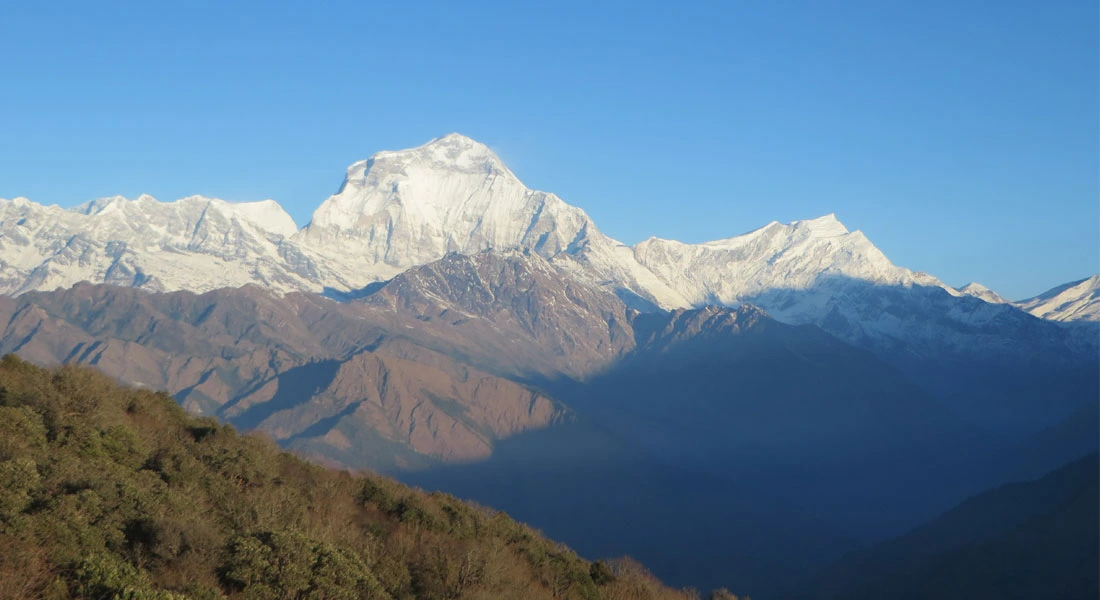
Highlights: Busiest season, crisp air, and crystal-clear sunrise views of Annapurna and Dhaulagiri.
2. Spring (March to May) is the best time for rhododendron flowers.
Weather: Warm, sunny days with clear morning skies. Occasional clouds may build up in the late afternoons.
Temperature: Daytime averages range from 10°C to 24°C (50°F to 75°F). Poon Hill summit temperatures drop to freezing point before sunrise (-2°C to 3°C).
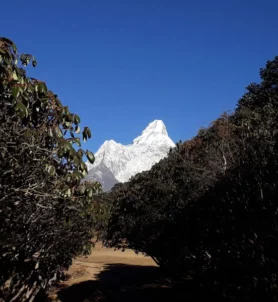
Highlights: Giant rhododendron forests are in full vibrant bloom.
3. Winter (December to February) is cold and quiet trail.
Weather: Crisp, dry, and mostly sunny days, though very chilly. Light snow can occasionally fall on the trails.
Temperature: Lower altitudes stay comfortable during the day around 15°C (59°F), but mornings and nights at Ghorepani drop below freezing (-5°C to -10°C).
Highlights: Very few crowds, peaceful trails, and sharp mountain visibility in the mornings.
4. Summer/Monsoon (June to August) is wet and green
Weather: Frequent heavy rains, muddy paths, and leeches in the lower forested sections. Mountain views are often blocked by clouds.
Temperature: Warm days ranging from 18°C to 25°C (64°F to 77°F).
Highlights: Lush green landscapes and completely quiet trails, though not recommended if your primary goal is mountain vistas.
A Short Equipments Guide to Poon Hill Trek Package
Layering: Pack clothes you can easily add or remove as daytime temperatures rise and fall.
Morning Wear: Bring a warm fleece, a windproof/waterproof jacket, and a down jacket for the chilly pre-dawn hike up Poon Hill.
Footwear: Sturdy, waterproof hiking boots and trekking poles are essential, especially if you encounter winter snow or monsoon mud.
Meals on Poon Hill Trek Package
Poon Hill trek packages include three daily meals (breakfast, lunch, and dinner) along with a cup of tea or coffee per meal. The package meals includes:
Breakfast: Choose from items like eggs (fried, boiled, or omelets), bread, chapati, pancakes, porridge, muesli, or Tibetan bread, served with coffee or black/lemon tea.
Lunch: Typically ordered along the trail at teahouses, featuring options like fried rice, noodles, pasta, momos (dumplings), thukpa, or traditional Nepali Dal Bhat.
Dinner: Usually eaten at your overnight teahouse lodge, with hearty choices like Dal Bhat (lentils, rice, and vegetable curry), spaghetti, macaroni, or soup. Dal Bhat is the most popular choice because refills are generally free.
The bottled/hot water, beverages, snacks and desserts are usually excluded in the package price.
Bottled/Hot Drinking Water: Boiled or filtered teahouse water usually costs NPR 100 to 200 ($1–$2) per liter, and bottled plastic water costs a similar amount.
Extra Beverages: Alcoholic drinks, soft drinks, packaged juices, and extra specialty coffees or extra cups of tea fall outside the standard package.
Snacks and Desserts: Chocolate bars, extra sweets, energy bars, or bakery items like apple pie at higher elevations require out-of-pocket cash.
Poon Hill Trek: A dietary safety guide
Vegetarian and Vegan: Readily available throughout the route, though you should explicitly request no ghee, butter, or curd if you follow a strict vegan diet.
Gluten-Free: Highly limited; safe options are mostly restricted to plain rice, potatoes, and boiled vegetables.
Meat Safety: Avoid consuming meat dishes at higher altitudes (like Ghorepani) because meat is carried up manually and may not remain fresh. Stick to vegetarian options for safety.
Carrying Cash: Bring extra cash (recommended NPR 5,000 to 10,000 in small denominations) for hot showers, Wi-Fi, extra water, and snacks not covered in the Poon Hill Package.
Poon Hill Trek Package: Accommodations
Accommodation on a Poon Hill trek package primarily consists of family-run teahouses (mountain lodges) along the trail. We also offer tourist-standard hotel stays in Kathmandu and Pokhara before and after the trek.
Standard Teahouses: Basic twin-share rooms featuring wooden beds, foam mattresses, clean warm blankets, and pillows. Bathrooms are typically shared, though some villages offer rooms with attached options.
Upgraded/Luxury Lodges: Available in main hubs like Ghorepani and Ghandruk, offering private attached bathrooms, better bedding, and hot showers for higher nightly rates.
The villages such as Tikhedhunga, Ulleri, Ghorepani, Ghandruk and Tadapani are common overnight stops along the classic trail route.
Cost of Teahouses and Amenities
Accommodation Cost: Standard teahouse rooms cost $10 to $15 USD per night, while upgraded/luxury rooms range from $30 to $40 USD per night. Packages usually bundle these costs if booked Poon Hill Trek Package.
Hot Showers: Solar or gas-heated showers are available at most stops for an extra fee $3–$4 USD per use.
Electricity and Charging: Charging devices in the dining hall incurs a small hourly or per-device fee (NPR 300–400); power banks are strongly recommended as power can be unreliable at higher altitudes.
Dining: Meals (Dal Bhat, noodles, pancakes) are eaten communally in the lodge’s heated central dining hall. Teahouses generally require guests to purchase their meals on-site if staying at the lodge.